
Kitesurfing in Isla Blanca Cancun
Cancun · Mexico
- Spot type Flat
- Rider level beginner
- Water Crystal Clear
- Beach Sand
- Crowd Few people
- Tide effect None
Kitesurfing in Isla Blanca Cancun: Conditions, Wind & Season
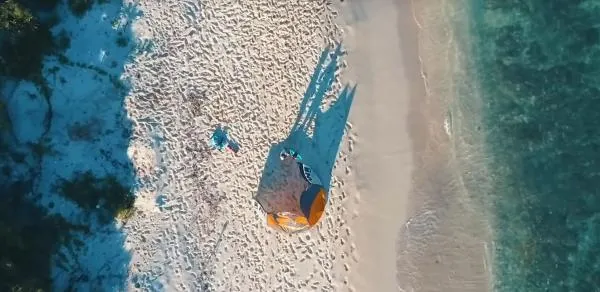
Isla Blanca is one of the most popular flat-water kitesurfing destinations on Mexico's Caribbean coast, located north of Cancún in the state of Quintana Roo, on the northeastern Yucatán Peninsula. Despite its name, Isla Blanca is a long, narrow sandy peninsula separating the Caribbean Sea from the extensive shallow waters of Laguna Chacmuchuch. Its combination of warm turquoise water, wide open spaces and favourable wind exposure makes it an attractive destination for beginners, intermediate riders and experienced kitesurfers. The lagoon is particularly famous for its smooth, shallow water, offering excellent conditions for learning, freeriding and practising freestyle manoeuvres.
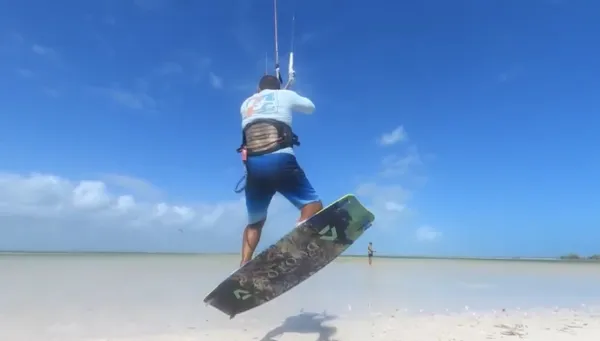
The main kitesurfing area is located on the lagoon side of the peninsula, where a vast expanse of shallow saltwater provides relatively flat conditions even when the wind strengthens. Much of the riding area features a sandy or muddy bottom, with water depths often ranging from knee-deep to waist-deep, depending on the exact location and water level. These conditions are especially appealing to beginners, who can practise kite control, water starts and their first upwind runs without immediately entering deep water. Intermediate riders benefit from the smooth surface when learning transitions and jumps, while advanced kitesurfers appreciate the extensive flat-water areas for freestyle and technical manoeuvres.
Isla Blanca works with several wind directions, including north, northeast, east, southeast and south, although the quality of the conditions depends on the exact launching location. Northerly and northeasterly winds are particularly important during the main windy season, when regional weather systems bring regular airflow across the Yucatán Peninsula. Easterly and southeasterly breezes can also provide enjoyable sessions, often influenced by daytime heating and coastal thermal effects. Southerly winds may be suitable in certain sections, but their strength and consistency can vary. Because the peninsula is narrow and the lagoon extends across a large area, the wind angle can change significantly between launching points, making local knowledge valuable when choosing where to ride.
The main kitesurfing season generally extends from November through May, with particularly attractive conditions during winter and spring. From approximately November to March, cold fronts known locally as Nortes can generate strong northerly winds, sometimes producing excellent sessions but also sudden increases in wind strength and gustiness. During spring, more moderate easterly and southeasterly winds often create enjoyable freeriding conditions. Summer is generally less reliable, with lighter winds and more frequent calm periods, although occasional rideable days are possible. Tropical weather systems can also affect the region during the Atlantic hurricane season, making careful attention to forecasts essential.
One of Isla Blanca's greatest advantages is the absence of significant waves inside the lagoon. The protected water remains predominantly flat or lightly choppy, allowing riders to concentrate on technique without dealing with heavy shorebreak or ocean swell. However, the shallow environment is not completely free of hazards. Water depth can change unexpectedly, and some sections contain submerged vegetation, soft mud, shells or other obstacles. Strong winds can also make kite handling difficult, particularly during powerful winter cold fronts. Riders should avoid jumping in extremely shallow water and remain aware of other kitesurfers, fishing activities and sensitive natural areas.
Launching and landing generally take place from sandy areas along the lagoon shore, where several established kite schools and local operators provide lessons, equipment rental and beach assistance. The open landscape offers relatively few major obstacles in suitable launching zones, although available space can vary with water levels, vegetation and the number of riders present. During busy periods, especially when schools are operating, beginners and independent kitesurfers should maintain appropriate separation and follow local launching procedures. Rescue services and equipment support depend on the individual operator, so riders should confirm the arrangements before entering the water. The surrounding lagoon and coastal wetlands also contain environmentally sensitive habitats that should be respected.
Isla Blanca is particularly suitable for beginners because of its extensive shallow-water areas and the availability of professional instruction. Learning to waterstart, ride upwind and perform basic transitions is generally easier in flat water than in exposed ocean conditions. Intermediate riders can enjoy long freeride sessions and develop jumping techniques, while advanced riders can use the smooth surface for freestyle tricks and powered manoeuvres. The broad lagoon also provides opportunities for longer-distance cruising, provided riders remain within appropriate riding areas and have the experience necessary to return safely. Although the conditions are often forgiving, beginners should not ride independently without adequate training, and strong winds require the same precautions as at any other kitesurfing destination.
For riders searching for kitesurfing in Isla Blanca, flat-water kite spots near Cancún or beginner-friendly kitesurfing destinations in Mexico, this remarkable peninsula offers an excellent combination of shallow lagoons, warm Caribbean weather and seasonal winds. Its proximity to Cancún makes it relatively accessible, although driving times depend on the departure point and road conditions. The main attraction is the enormous flat-water riding area, which provides opportunities for progression across a wide range of skill levels. With suitable wind conditions, careful attention to shallow-water hazards and respect for local environmental regulations, Isla Blanca remains one of the most appealing kitesurfing destinations on Mexico's Caribbean coast.
Something missing or out of date at this spot? Suggest a correction
Spot Gallery (9)


Isla Blanca Cancun is best suited for
Spot profile
Travel spot
The typical kite travel destination, it is known for its great conditions, and kiters from around the world come here for their vacations.
Adventure spot
That dream place out of the normal touristic routes. Once you reach it, you feel in paradise, it can be anything extraordinary, a hidden gem, remote and fascinating.
Equipment
Lycra, or a shorty for the coldest period (December, January)
Wind Conditions
Main wind directions at Isla Blanca Cancun
Windy days per month in Isla Blanca Cancun
Wind Speed Range
From 10 to 25 Knots
Suggested sizes
8 - 9 mt
10 - 11 mt
12 - 13 mt
14 mt and above
Forecast on Windy.com
Kitesurfing Safety & Local Rules at Isla Blanca Cancun
Isla Blanca, north of Cancún, is generally a safe kitesurfing spot thanks to its extensive shallow lagoon, flat water and sandy surroundings. However, shallow water can still pose a risk during jumps, hard landings or high-speed falls. Always check water depth before attempting powered manoeuvres, particularly in unfamiliar sections of the lagoon.
Wind conditions can vary with direction and changing weather systems. Strong northerly winds, particularly during seasonal cold fronts, can bring powerful gusts and rapidly changing conditions. Riders should check the forecast carefully, choose suitable equipment and avoid venturing too far from the launching area when wind conditions are uncertain.
Although the lagoon offers plenty of riding space, extra attention is required around kite schools, beginners and other water users. Maintain safe distances when launching and landing, respect any designated riding areas and remain alert to changing water levels and shallow sandbanks. The spot is suitable for different skill levels, but beginners should always receive proper instruction rather than assume that shallow water eliminates all risks.
Location
Closest City
Cancun
How to get There
Drive north Cancun on the Avenida Bonampak, passing Punta Sam, all the way up to the beach
Access
Public.
No-Wind Days: What to Do Around Isla Blanca Cancun
Beyond kitesurfing, Isla Blanca offers an excellent opportunity to discover the quieter and more natural side of the Mexican Caribbean. Located north of Cancún, in the state of Quintana Roo on the Yucatán Peninsula, this long, narrow coastal strip separates the turquoise waters of the Caribbean Sea from the shallow lagoon of Chacmuchuch. Unlike the busy hotel zone of Cancún, Isla Blanca remains relatively undeveloped, with extensive sandy beaches, mangrove ecosystems and peaceful coastal landscapes. The area is particularly attractive for visitors seeking relaxation, photography, wildlife observation and a more secluded beach experience. For a kitesurfing trip with non-kiters or a family holiday near Cancún, Isla Blanca provides a beautiful natural setting while remaining within reach of the city's restaurants, accommodation and tourist attractions.
One of the greatest attractions of Isla Blanca is its spectacular coastal scenery. The narrow peninsula offers contrasting landscapes, with open Caribbean beaches on one side and calm lagoon waters on the other. Visitors can enjoy long beach walks, relax on the sand and admire the changing colours of the shallow water. The area is especially beautiful during sunrise, when the first light illuminates the Caribbean coastline, and at sunset, when the lagoon reflects the warm colours of the sky. Swimming may be enjoyable in suitable conditions, although visitors should pay attention to currents, waves and the limited availability of lifeguard services. Facilities are relatively basic compared with central Cancún, so bringing drinking water, sun protection and other essentials is recommended.
The surrounding lagoon and mangrove habitats provide excellent opportunities for observing the natural environment of the northern Yucatán Peninsula. The wetlands support a variety of coastal birds, fish and other wildlife, making the area particularly appealing for birdwatching and nature photography. Depending on local access arrangements and environmental restrictions, visitors may be able to join guided kayaking, paddleboarding or nature excursions through suitable lagoon areas. These activities offer a peaceful alternative to kitesurfing and provide an opportunity to appreciate the ecological importance of the region. Mangroves are essential coastal habitats, so visitors should avoid disturbing vegetation, wildlife and nesting areas.
For visitors looking for more organised activities, Cancún is the most convenient destination. Its famous Hotel Zone offers beautiful Caribbean beaches, shopping centres, restaurants, beach clubs and numerous entertainment options. Playa Delfines is particularly popular for its wide sandy shoreline and panoramic ocean views, while other beaches provide opportunities for swimming and relaxing when sea conditions permit. Families can enjoy resort swimming pools, organised excursions and a variety of recreational facilities. Cancún also offers an extensive selection of spas, wellness centres and international restaurants, making it easy for non-kiting partners to enjoy a comfortable holiday while other members of the group spend time at Isla Blanca.
One of the most rewarding excursions from Isla Blanca is a visit to Isla Mujeres, a beautiful Caribbean island reached by ferry from Cancún. The island is famous for Playa Norte, with its white sand and turquoise waters, and Punta Sur, where dramatic coastal cliffs overlook the Caribbean Sea. Visitors can explore the island by bicycle or golf cart, enjoy fresh seafood in waterfront restaurants or join organised snorkelling excursions. The surrounding reefs support colourful tropical marine life, while the island's relaxed atmosphere makes it particularly appealing for couples and families. Isla Mujeres offers an excellent full-day excursion, combining beautiful beaches, sightseeing and traditional Caribbean charm.
For visitors interested in discovering the underwater world, the Cancún region offers numerous opportunities for snorkelling and scuba diving. One particularly unusual attraction is the Museo Subacuático de Arte, commonly known as MUSA, an underwater museum featuring submerged sculptures designed to encourage marine habitat development and reduce pressure on natural reefs. Depending on the location and tour operator, visitors can experience the installations through guided snorkelling, diving or glass-bottom boat excursions. The surrounding marine environment is also home to tropical fish, coral formations and other Caribbean wildlife. These activities provide an excellent alternative for non-kiting partners looking to explore the sea from a different perspective.
The northern Cancún coastline also offers interesting opportunities to discover the region's Maya heritage. The archaeological site of El Meco, located near Puerto Juárez, preserves the remains of an ancient Maya settlement that once played an important role in coastal trade. Visitors can explore its historic structures and learn about the region's pre-Hispanic history. Another excellent cultural attraction is the Museo Maya de Cancún, situated in the Hotel Zone, which houses an important collection of archaeological artefacts and provides access to the nearby San Miguelito archaeological site. These attractions are particularly enjoyable during rainy or windless days and offer a fascinating introduction to the ancient civilisation of the Yucatán Peninsula.
For travellers planning a longer stay, the wider Yucatán Peninsula offers extraordinary opportunities for cultural and natural excursions. The famous archaeological site of Chichén Itzá is one of Mexico's most important historical landmarks, renowned for its monumental Maya architecture and the impressive pyramid of El Castillo. Visiting the site requires a substantial journey from Cancún, so an early departure or organised full-day excursion is recommended. Another distinctive experience is swimming in a cenote, one of the natural freshwater sinkholes found throughout the peninsula. These geological formations often feature clear water, limestone walls and beautiful underground scenery. Visitors should choose authorised swimming locations and follow local safety and conservation rules. Information about archaeological attractions is available through Mexico's National Institute of Anthropology and History.
Food and accommodation options around Isla Blanca range from simple beachfront stays and small holiday properties to the extensive selection of hotels, apartments and luxury resorts in Cancún. Visitors who prefer tranquillity can stay closer to the peninsula, although services and restaurants are limited compared with the city. Cancún offers everything from casual taco stands and traditional Mexican restaurants to international dining and lively nightlife. Local specialities worth trying include cochinita pibil, a slow-cooked pork dish from the Yucatán Peninsula, fresh ceviche, grilled fish and traditional corn-based dishes. The city also provides supermarkets, shopping centres, pharmacies and other practical services, making it a convenient base for longer kitesurfing holidays.
For anyone planning a kite trip to Isla Blanca and wondering what else there is to do, the northern Mexican Caribbean offers an outstanding combination of natural landscapes, tropical beaches and cultural attractions. A no-wind day can include exploring the mangrove-lined lagoon, relaxing on the Caribbean coast, visiting Isla Mujeres, snorkelling around offshore reefs or discovering the Maya heritage of Cancún. Longer excursions can take visitors to the archaeological wonders and cenotes of the Yucatán Peninsula. With its spectacular setting, proximity to Cancún and numerous activities for a non-kiting partner or family, Isla Blanca is an excellent destination for combining flatwater kitesurfing with an unforgettable Caribbean holiday in Mexico.
Local Kitesurfing Schools
Following you can find links to the page of the kitesurfing schools which operate on this spot. From there you can contact them through our form or directly via email or phone (if it was provided by them on the page).
Other kitesurfing spots near Isla Blanca Cancun


All kitesurfing spots in Mexico
Last updated: