
Kitesurfing in Tulum
Cancun · Mexico
- Spot type Chop
- Rider level intermediate
- Water Crystal Clear
- Beach Sand
- Crowd Very crowded
- Tide effect None
Kitesurfing in Tulum: Conditions, Wind & Season
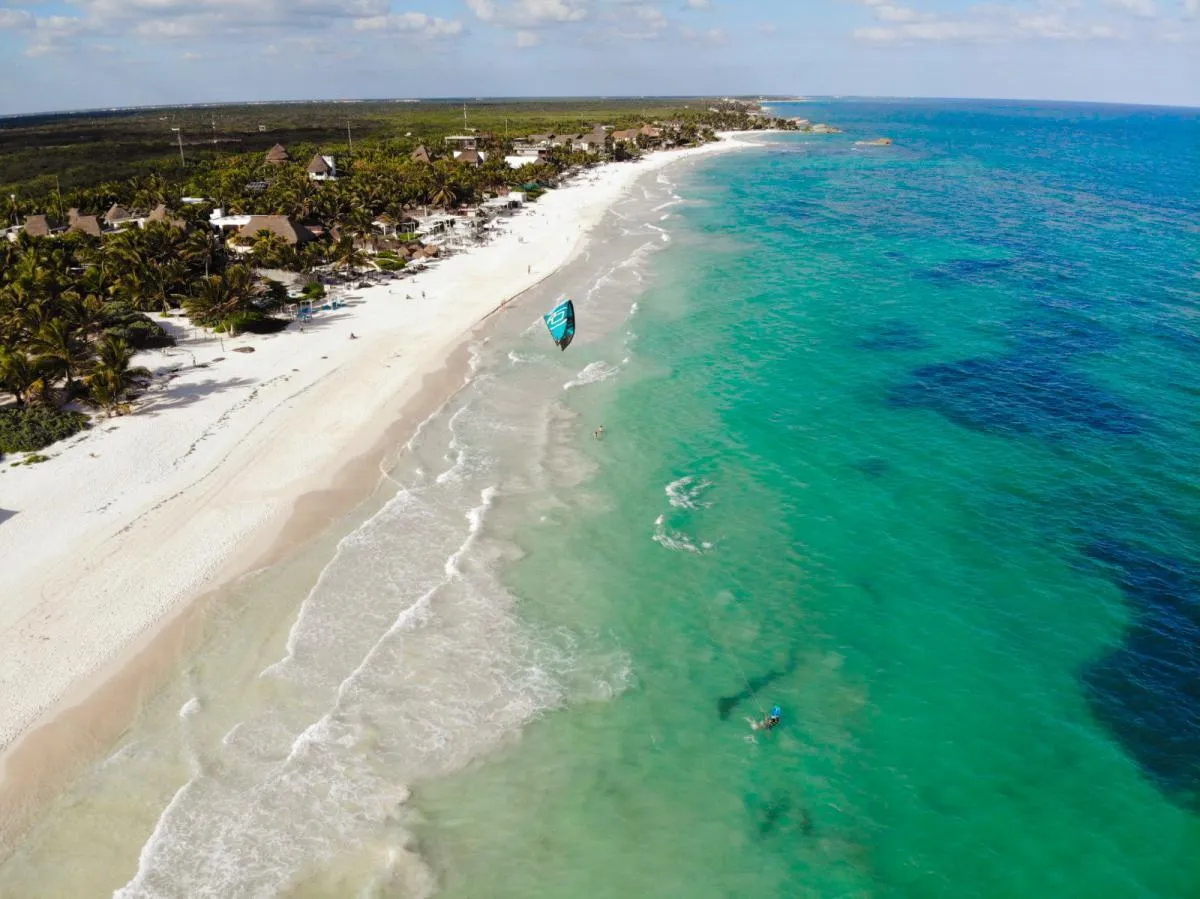
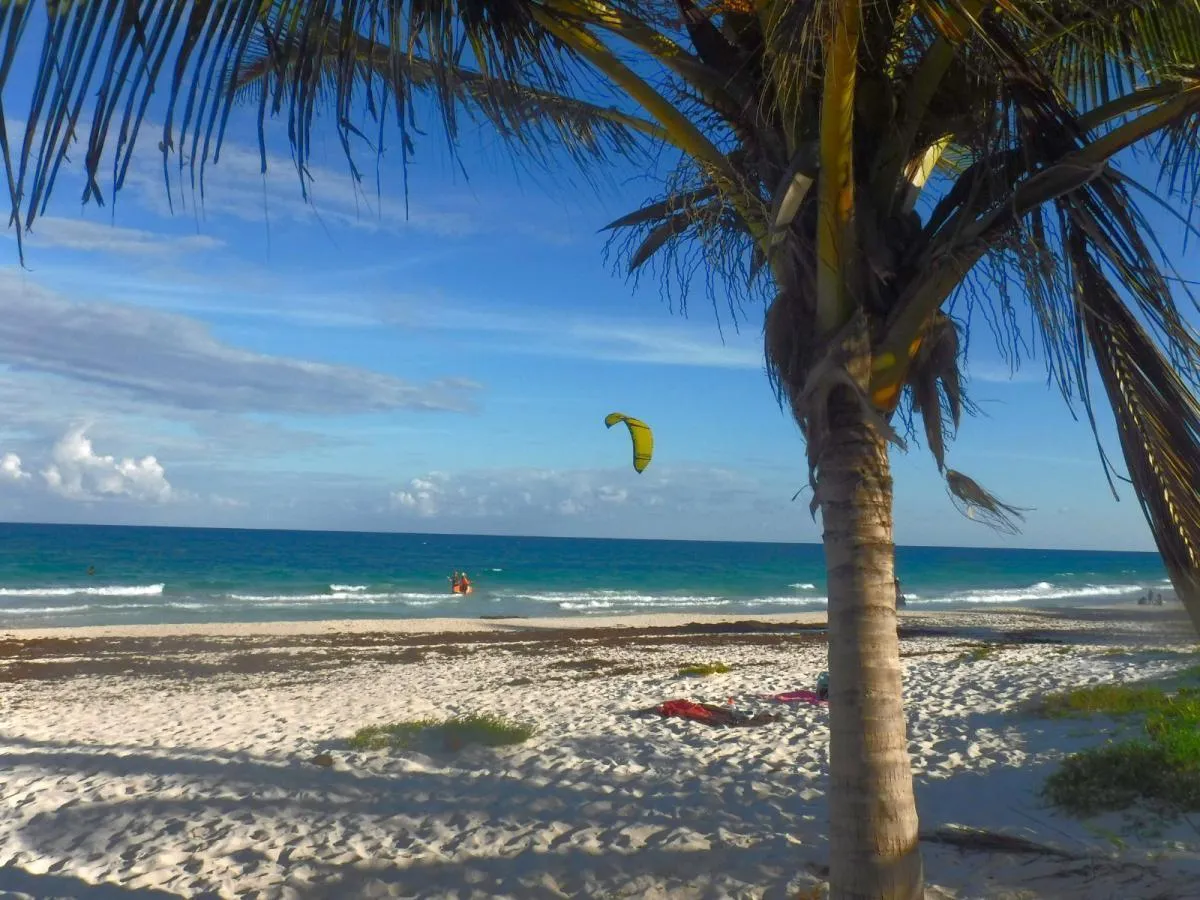
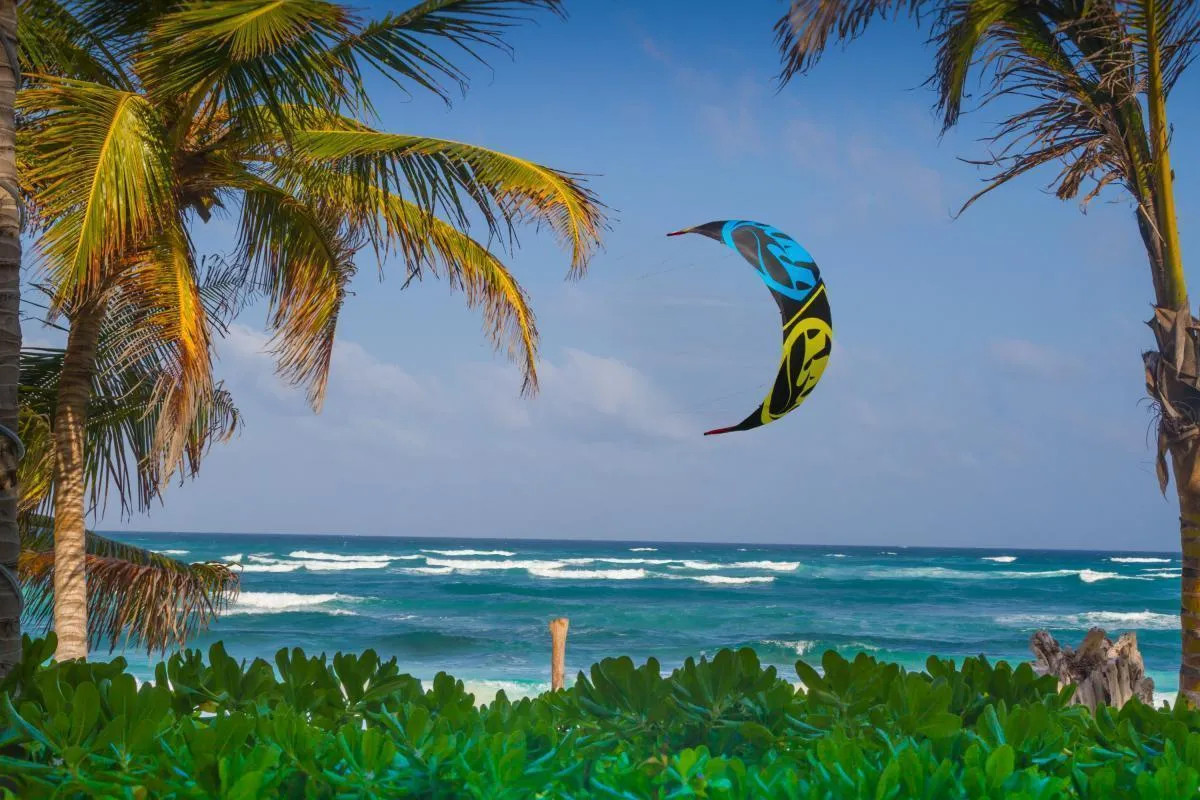
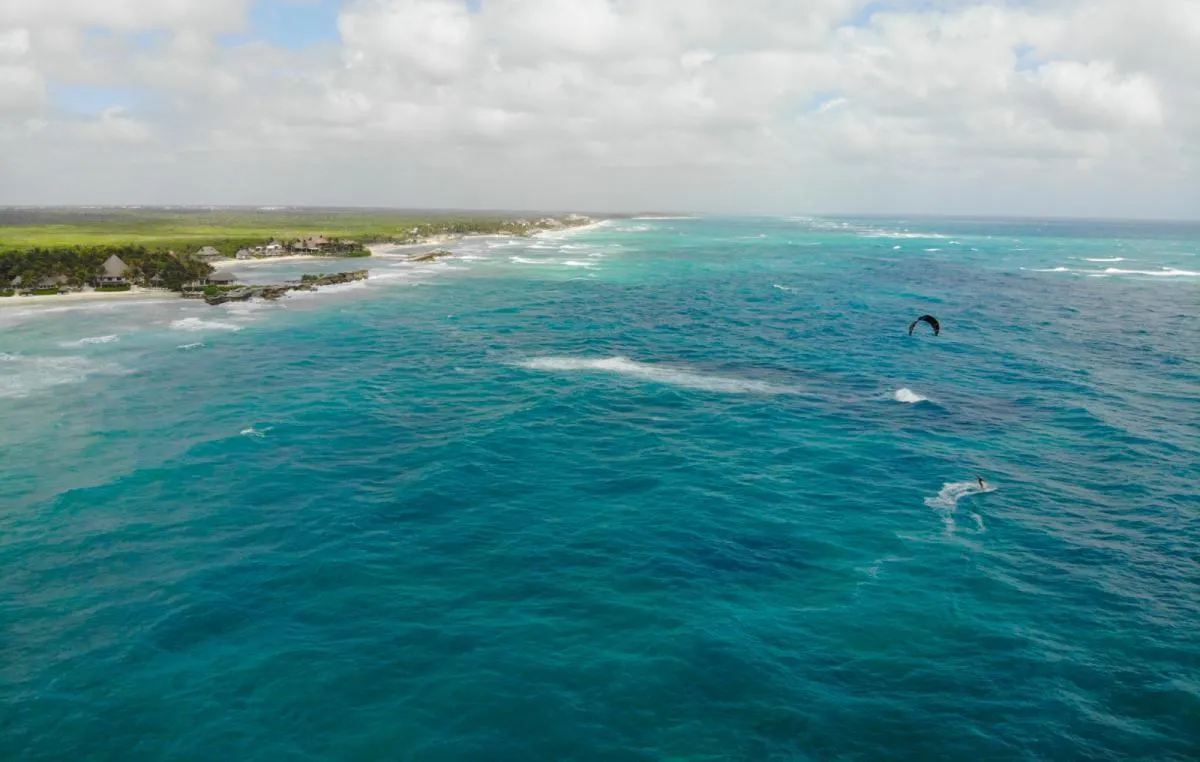
Tulum is one of the most scenic kitesurfing destinations on Mexico's Caribbean coast, located in the Riviera Maya region of Quintana Roo, approximately 130 kilometres south of Cancún. Famous for its white sandy beaches, turquoise waters and ancient Mayan ruins overlooking the sea, Tulum offers a spectacular setting for kiteboarding. Unlike Mexico's dedicated flat-water lagoons, it is primarily a light-wind destination, particularly attractive for hydrofoil riders and those seeking relaxed freeride sessions in a beautiful tropical environment.
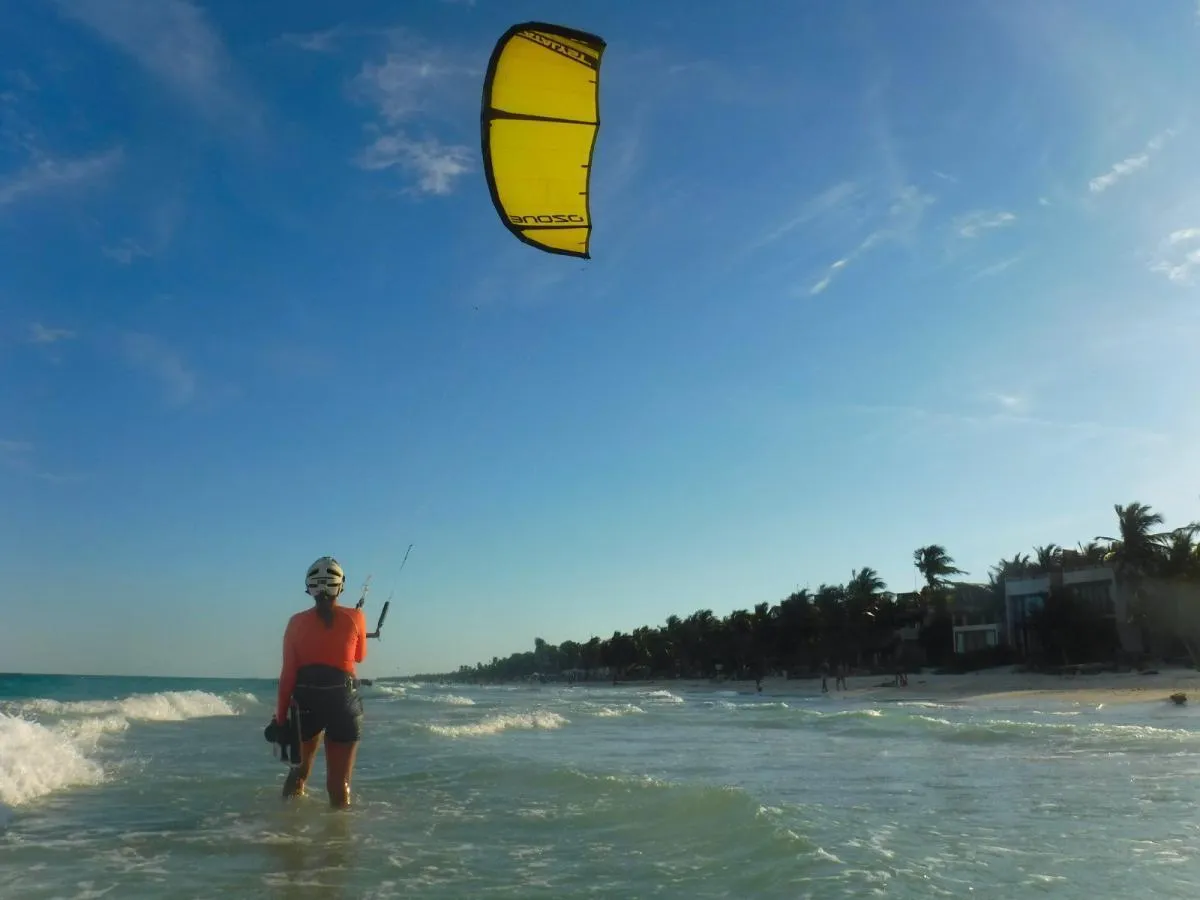
The main kitesurfing season runs from mid-November through April, when easterly and northeasterly winds provide the best opportunities. Typical wind speeds average around 10–13 knots, although stronger conditions occasionally develop during winter cold fronts. Local sea breezes can reinforce the wind during the afternoon, but consistency varies, and some days remain too light for conventional twin-tip riding. Hydrofoil equipment and larger kites are particularly useful for making the most of Tulum's generally moderate conditions.
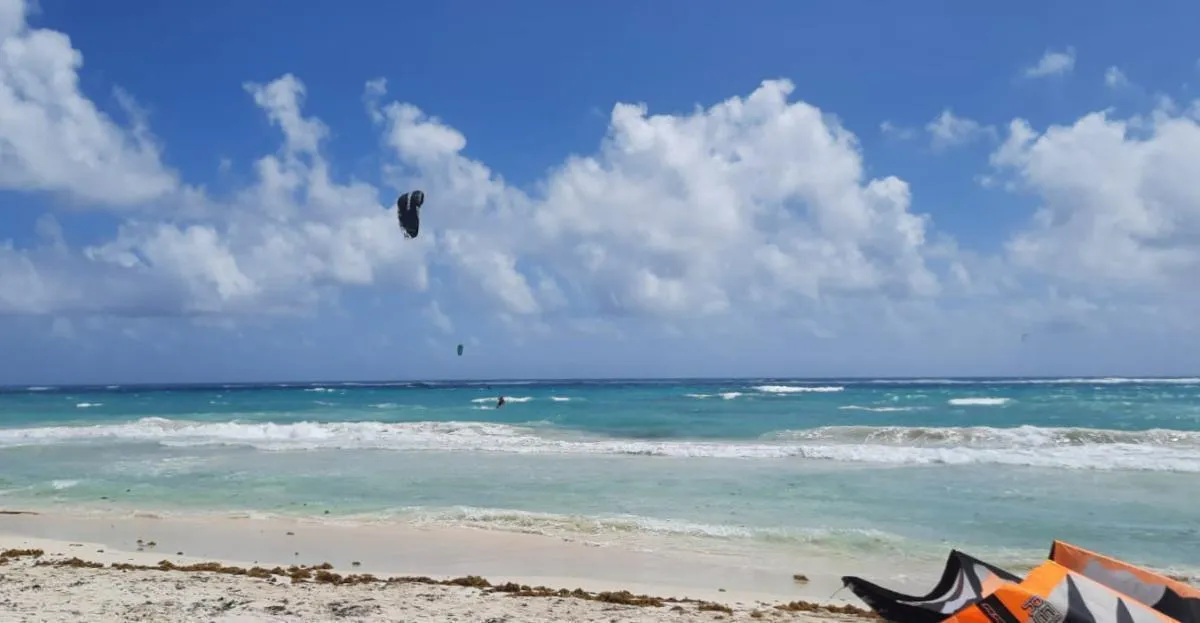
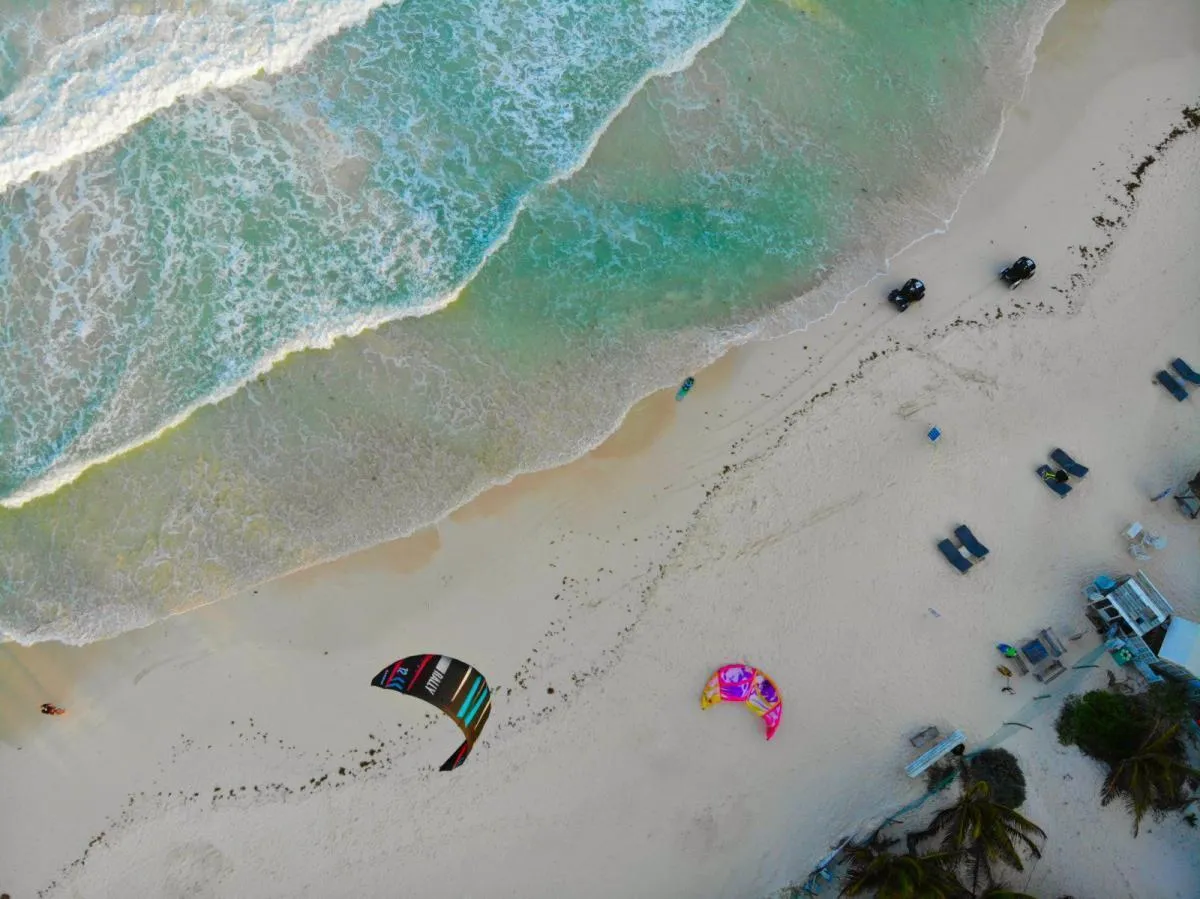
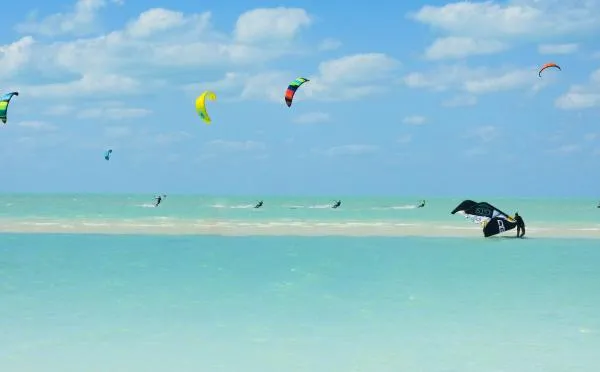
Water conditions range from relatively smooth Caribbean seas to moderate chop and small waves. During stronger winds, shorebreak can become more pronounced, making launching and returning to the beach more challenging. Although occasional wave-riding opportunities exist, most waves break close to shore rather than forming long, consistent sections. Tulum is therefore better suited to hydrofoiling and freeriding than dedicated wave riding or powered freestyle. Riders should also watch for shallow areas and submerged reef formations along certain stretches of coastline.
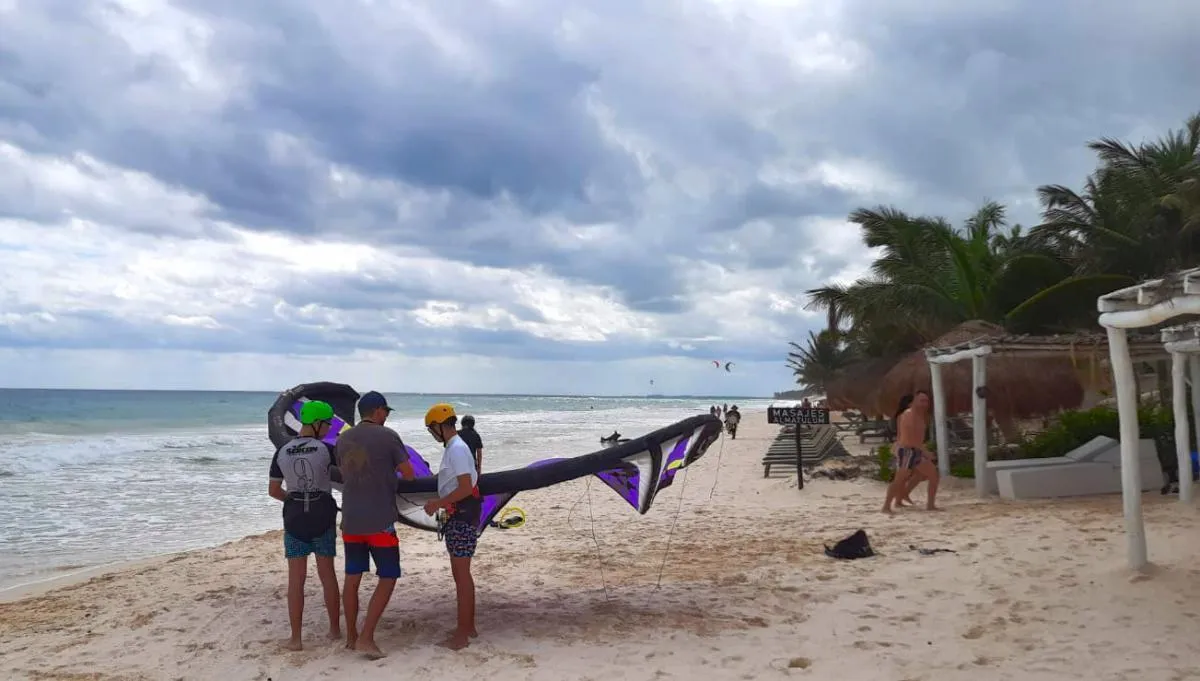
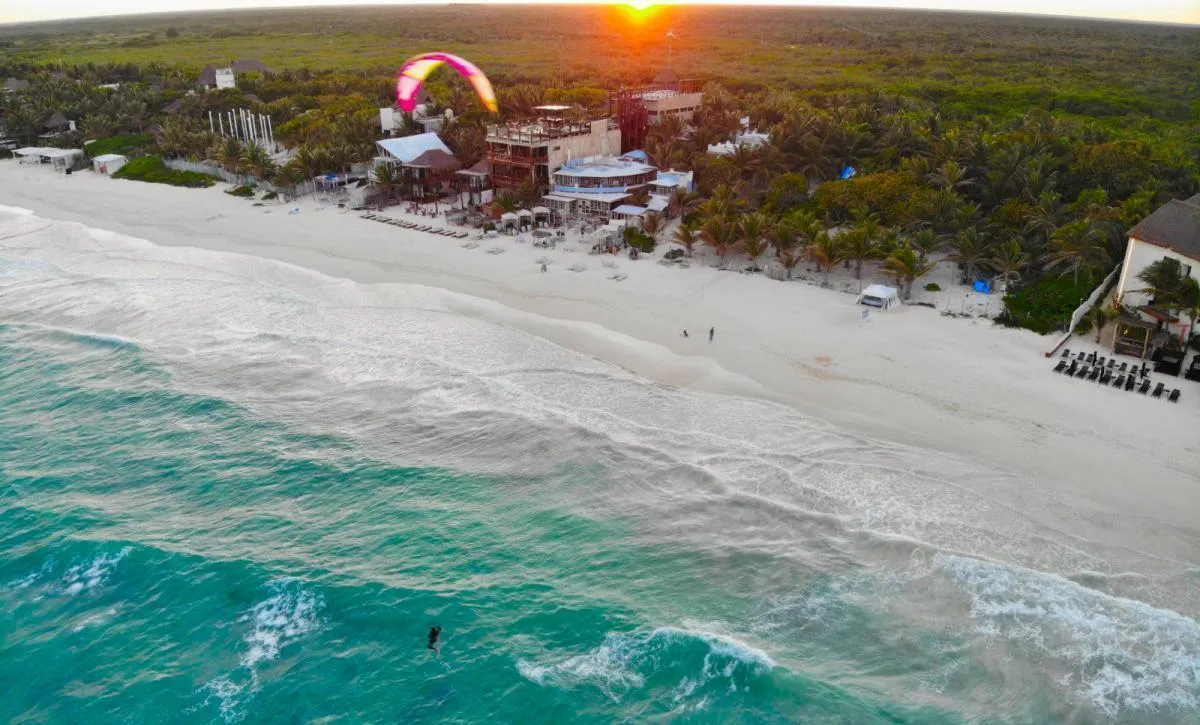
One of the main challenges of kitesurfing in Tulum is the limited launching space. The beaches are relatively narrow in places and often crowded with tourists, while beachfront developments, palm trees and beach furniture create additional obstacles. Assisted launching and landing are strongly recommended, preferably through an established kite school. Independent riders should avoid setting up near swimmers or busy beach areas and confirm that kitesurfing is permitted at their chosen location.
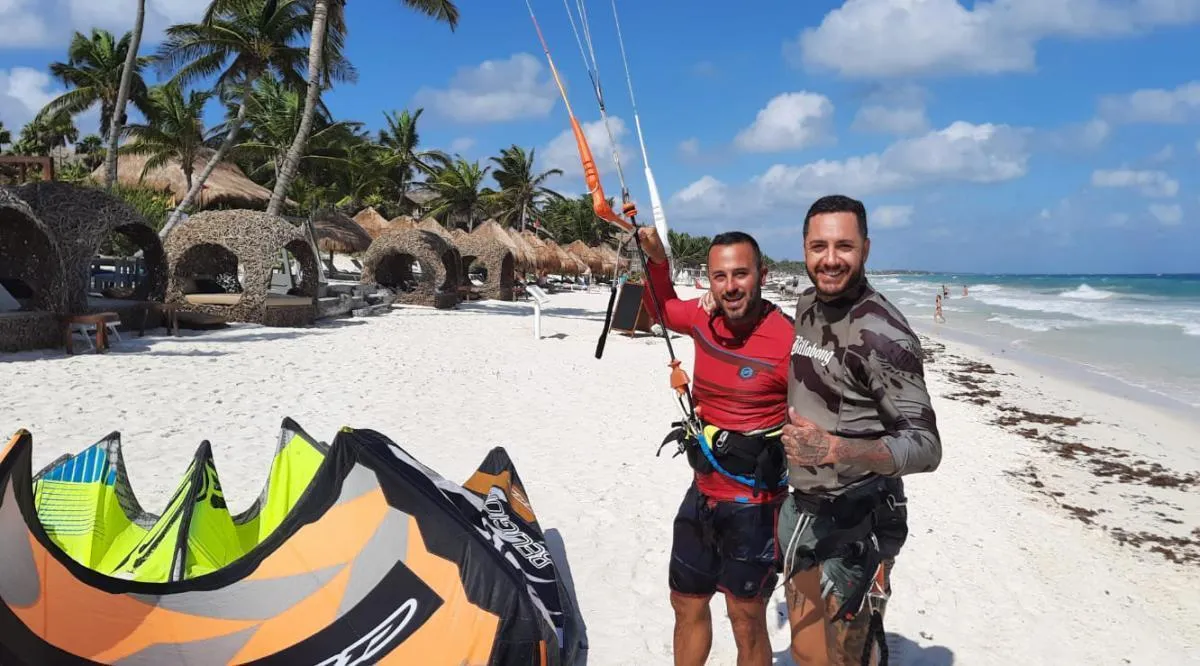
Tulum Beach has also become considerably more expensive in recent years, with luxury hotels and beach clubs making access to certain sections of the coastline costly. Fortunately, some local kite schools still provide relatively affordable access to suitable launching areas, along with equipment assistance, lessons and supervised sessions. These operators can be a practical option for visiting kitesurfers who want to avoid expensive beachfront arrangements while benefiting from local knowledge and safer launching conditions.
Although the generally light winds may seem attractive for beginners, Tulum is not always an easy learning destination. Narrow beaches, occasional shorebreak and crowded launching areas require careful kite handling. Beginners should rely on qualified instructors, while intermediate riders can enjoy relaxed freeriding and advanced kiters can make excellent use of hydrofoil equipment. Stronger winter winds can occasionally provide more powered sessions, but big air and technical freestyle are not the spot's main attractions.
For riders searching for kitesurfing in Tulum, hydrofoil kiteboarding in the Riviera Maya or light-wind kite spots in Quintana Roo, Mexico, this destination offers a memorable combination of tropical scenery and enjoyable Caribbean riding. Wind reliability is moderate and beach access requires planning, but local kite schools can make sessions more accessible and affordable. On a good wind day, gliding across turquoise water with the ancient Mayan ruins overlooking the coastline can turn a simple kite session into an unforgettable experience.
Something missing or out of date at this spot? Suggest a correction
Spot Gallery (10)
Tulum is best suited for
Spot profile
- Travel spotA proven kite destination with reliable conditions, worth a trip. Kiters fly in from all over the world for their kite holidays, and you will probably find schools, rentals and a lively kite scene nearby.
- Family spotEasy to visit with family and friends. Facilities are close by and non-kiters have plenty to do while you are on the water, so everyone enjoys the day, whether they kite or not.
Equipment
Lycra or shorty in December-January for the coolest days. To carry a big board is a good idea due to low wind average and considering Hydrofoil it is a good idea since it can double the rideable days.
Wind Conditions
Main wind directions
Windy days per month
Share of the days with more than 10 knots.
Wind speed range
5 - 26 knots
Calculate your kite size
Estimate for a rider of your weight at Tulum: kite size = weight / wind speed x 2.2, adjusted for the kite shape and aspect ratio. Board, skills and gusts change the ideal size.
Forecast on Windy.com
Kitesurfing Safety & Local Rules at Tulum
The main hazard at Tulum is the constant presence of beachgoers and tourists along the shoreline. The beach is often busy, and accidents involving kitesurfers and visitors have occurred in the past. Extra caution is essential when approaching the shore, as pedestrians may not recognise the dangers posed by flying kites and tensioned lines. Maintain generous safety distances and never perform jumps or powered manoeuvres close to crowded areas.
Launching and landing can be particularly challenging because of the limited space available on the beach. Assistance from an experienced person is strongly recommended, as attempting to launch or land alone increases the risk of losing control near tourists and other obstacles. Always check that the area is clear, keep kite lines away from beachgoers and avoid launching when there is insufficient room to operate safely.
During stronger wind conditions, waves and shorebreak can make entering and leaving the water more difficult. Breaking waves close to the beach may cause riders to lose balance, drop their kites or struggle to recover equipment. Time your water entry carefully, remain alert to changing wave conditions and avoid riding too close to shore when the surf becomes powerful.
How to reach Tulum
- Closest cityCancun
- How to get thereFrom Cancun airport, just follow the Carretera federal all the way to Tulum. To get to the beach area you need to turn left before entering the village in the direction of Sian Ka'an Biosphere on the Carretera Cancun-Boca Paila-Punta Allen.
- AccessAccess to the spot normally needs to happen through one of the hotels, pousadas, beach clubs, or schools, since most of the land on the beach is private. Several beach clubs offer a good place to have a snack and launch your kite. The best is to hang out with some local school for extra assistance and safety.
No-Wind Days: What to Do Around Tulum
Beyond kitesurfing, Tulum offers an extensive range of activities, from exploring ancient Maya ruins and swimming in crystal-clear cenotes to relaxing on Caribbean beaches. The famous Tulum archaeological site, perched on cliffs overlooking the turquoise sea, is one of the region's main attractions. Nearby cenotes, such as Gran Cenote and Dos Ojos, provide opportunities for swimming, snorkelling and diving, while the spectacular Sian Ka'an Biosphere Reserve offers guided nature excursions through mangroves, lagoons and protected coastal ecosystems.
Tulum has developed into one of Mexico's most fashionable beach destinations, offering accommodation for almost every budget. Affordable hostels, guesthouses and apartments are concentrated in Tulum town, while the beach zone features boutique hotels, stylish eco-inspired properties and some of the most luxurious and expensive resorts in the Riviera Maya. The restaurant scene is equally diverse, ranging from inexpensive traditional taquerías and local Mexican eateries to sophisticated fine-dining establishments. Along the beach road, fashionable lounge bars, cocktail venues and beach clubs offer lively nightlife, often with DJs and music continuing late into the evening.
However, Tulum's rapid popularity has come at a cost. Extensive hotel construction, commercial development, rising prices and increasing traffic have transformed what was once a quiet, relatively unspoiled Caribbean destination. Some stretches of coastline have become heavily developed, and Tulum has lost part of the pristine, laid-back charm that originally made it famous. Visitors seeking deserted beaches and an authentic, low-key atmosphere may find today's Tulum considerably busier and more commercial than expected, particularly during peak season.
Despite these changes, Tulum remains an attractive destination for a kitesurfing trip with non-kiters, thanks to its combination of beaches, restaurants, nightlife and cultural attractions. A no-wind day can easily be spent exploring cenotes, visiting Maya ruins, discovering the nearby Sian Ka'an reserve or enjoying the town's restaurants and beach clubs. Travellers who prefer a quieter experience should consider staying outside the busiest beach zone and exploring the less developed areas of the surrounding coast.
Other kitesurfing spots near Tulum

All kitesurfing spots in Mexico
Last updated: