
Kitesurfing in Souiria Beach
Safi · Morocco
- Spot type Chop
- Rider level beginner
- Water Dark - Clear
- Beach Sand
- Crowd Few people
- Tide effect Conditions vary
Kitesurfing in Souiria Beach: Conditions, Wind & Season
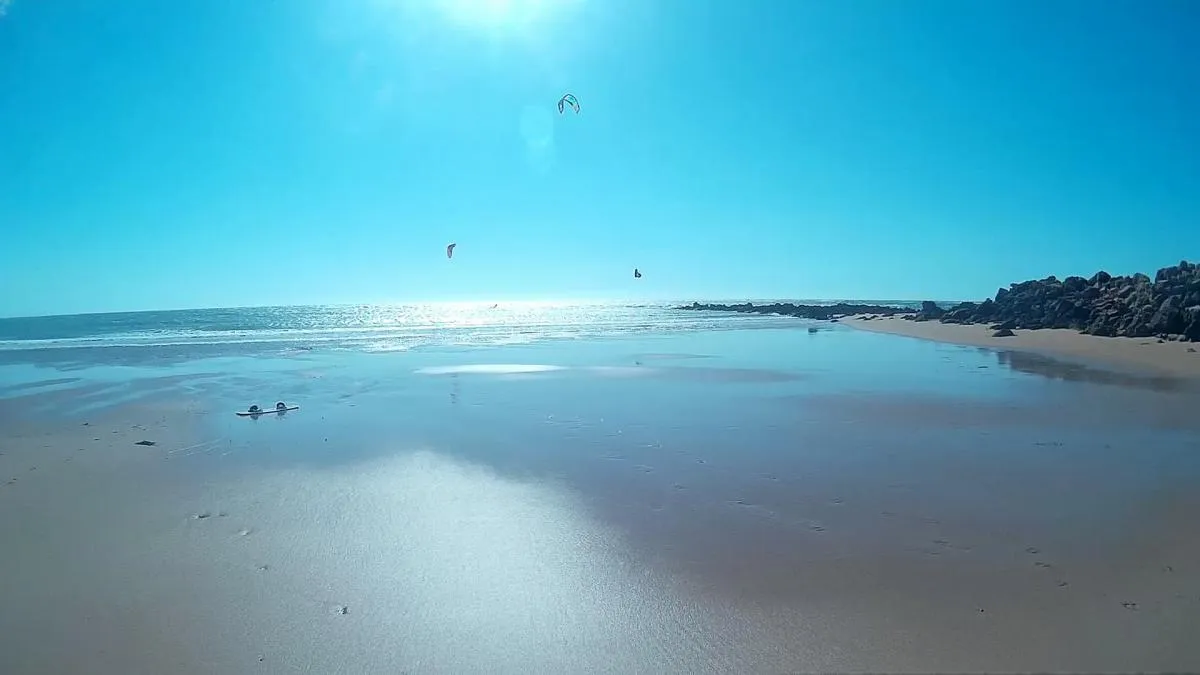
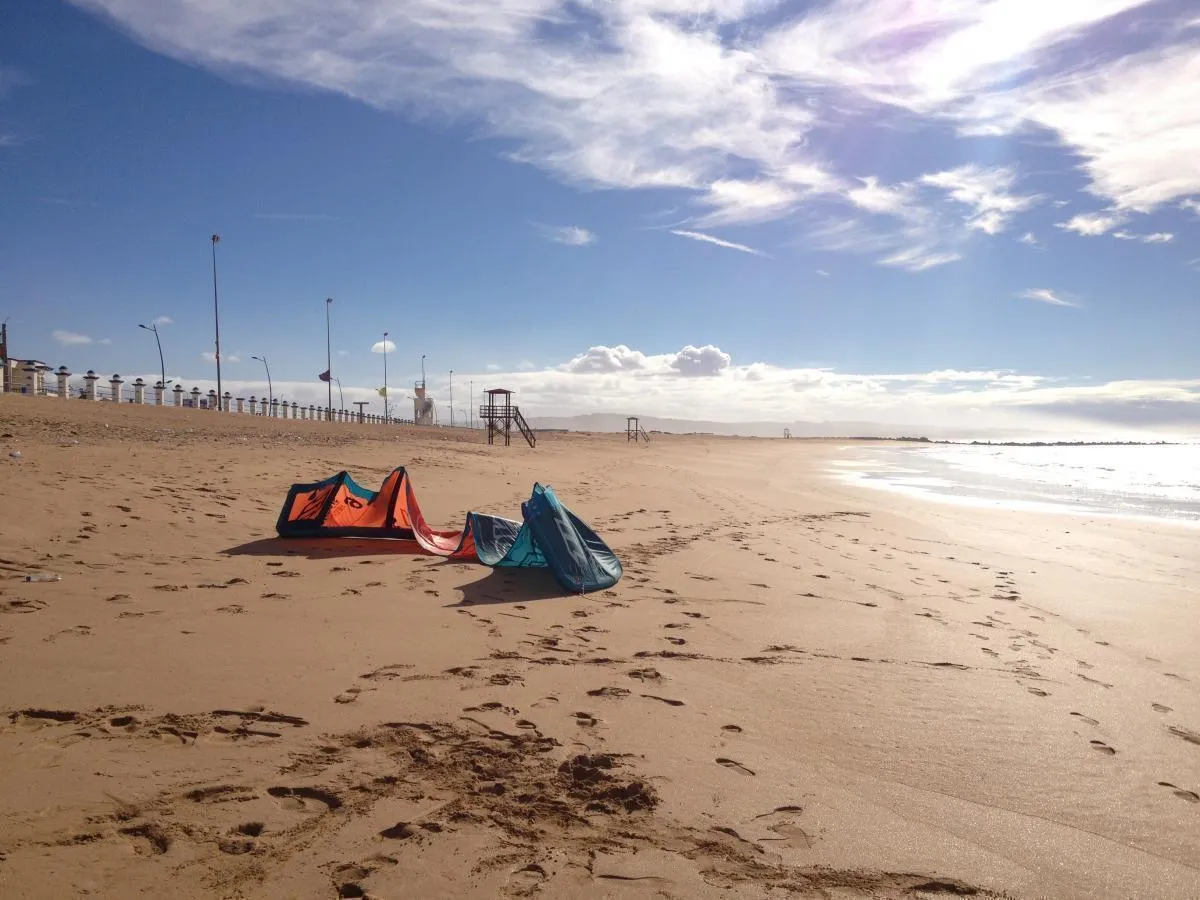
Souiria Beach, also known as Souiria Lakdima or Souiria Qdima, is a relatively quiet kitesurfing location on Morocco's Atlantic coast, situated south of Safi and north of Essaouira. Compared with the internationally renowned kitesurfing beaches of Essaouira, Souiria offers a less developed and generally more relaxed environment, with an extensive sandy shoreline, open Atlantic scenery and seasonal coastal winds. Its main attraction is the possibility of enjoying freeride and wave-oriented sessions away from the busiest kite centres. However, unlike the sheltered lagoons found elsewhere in Morocco, Souiria is an exposed ocean beach where breaking waves, shorebreak and changing wind conditions require careful assessment before entering the water.
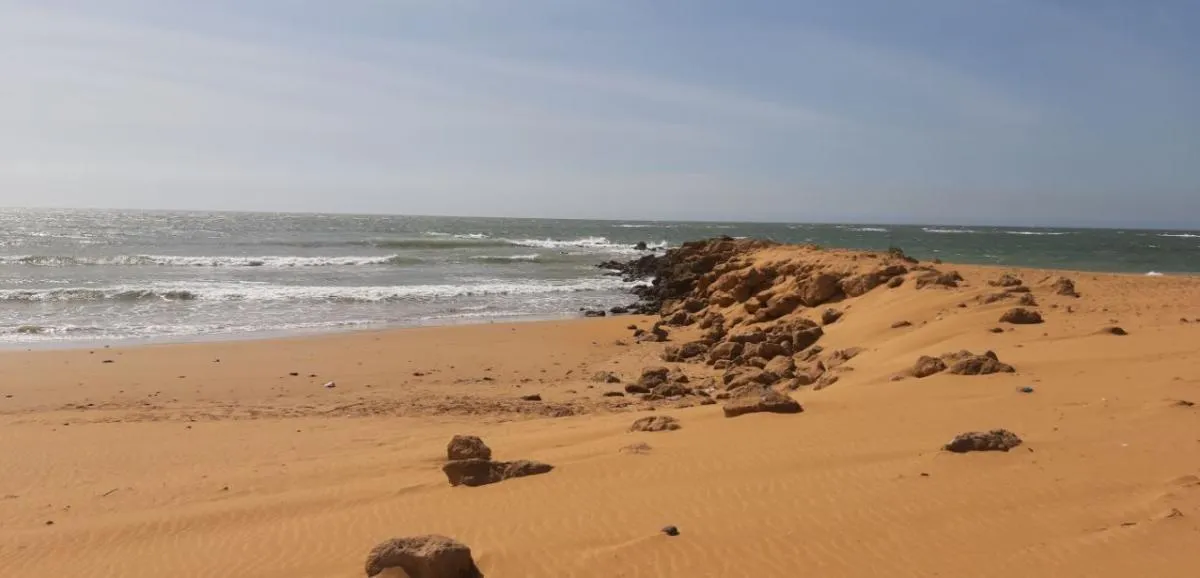
The beach extends along a broad sandy bay, providing a relatively spacious environment for preparing equipment and launching kites when conditions and public beach use allow. The open coastline gives the spot a distinctly different character from compact urban beaches or enclosed lagoons. Riders have access to a wide stretch of Atlantic water, with opportunities for longer freeride runs and wave riding when the wind direction is favourable. The surrounding shoreline is predominantly sandy, although rocky sections and coastal structures may be present near parts of the bay. Choosing a suitable launching area is important, particularly when swell is strong or the beach becomes busy during the summer months.
Wind conditions at Souiria are influenced by the northerly coastal wind system that affects much of Morocco's Atlantic shoreline. During the warmer months, regional pressure patterns and heating over the inland plains can reinforce the prevailing northerly to northwesterly airflow, producing favourable opportunities for kitesurfing. The most promising period generally extends from late spring through summer, approximately May to September, although the actual strength and frequency of rideable winds vary from year to year. Afternoon winds may become stronger as the coastal breeze develops, making flexible session timing useful. Souiria is less extensively documented than Essaouira, so its wind reliability should not be assumed to match that of the better-known destination farther south.
The orientation of the coastline plays an important role in determining whether a particular wind direction is suitable. Northerly and northwesterly winds can provide useful cross-shore or cross-onshore components along parts of the beach, depending on the exact launching position. More directly onshore winds may make it difficult to move away from the breaking waves, while offshore components increase the risk of being carried away from land following equipment failure. Local headlands, dunes and nearby buildings can also influence wind quality close to shore. Riders should assess the actual wind angle at their chosen launch and avoid relying exclusively on regional forecasts, particularly when the wind shifts during the afternoon.
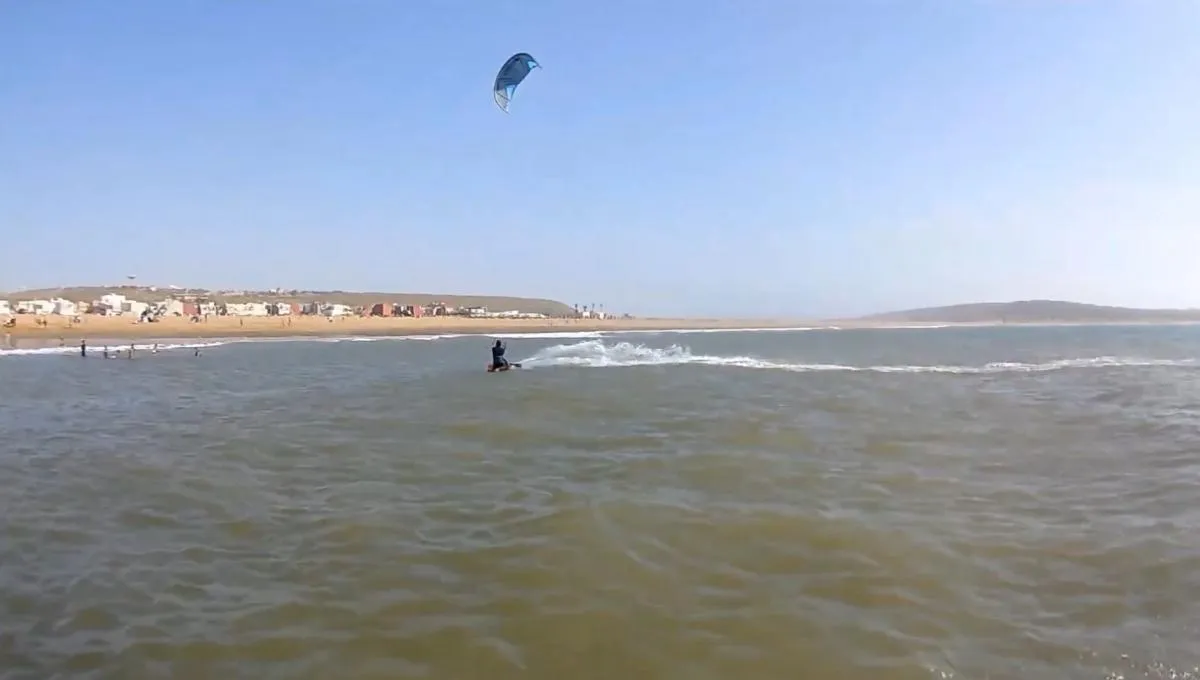
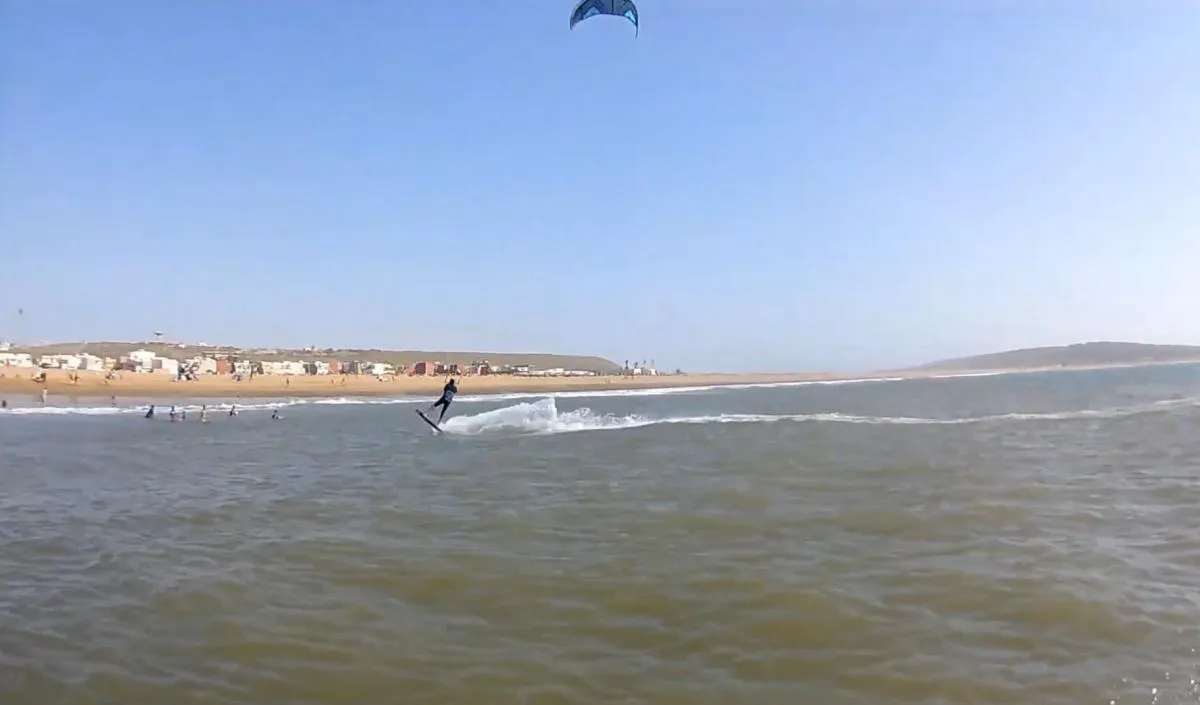
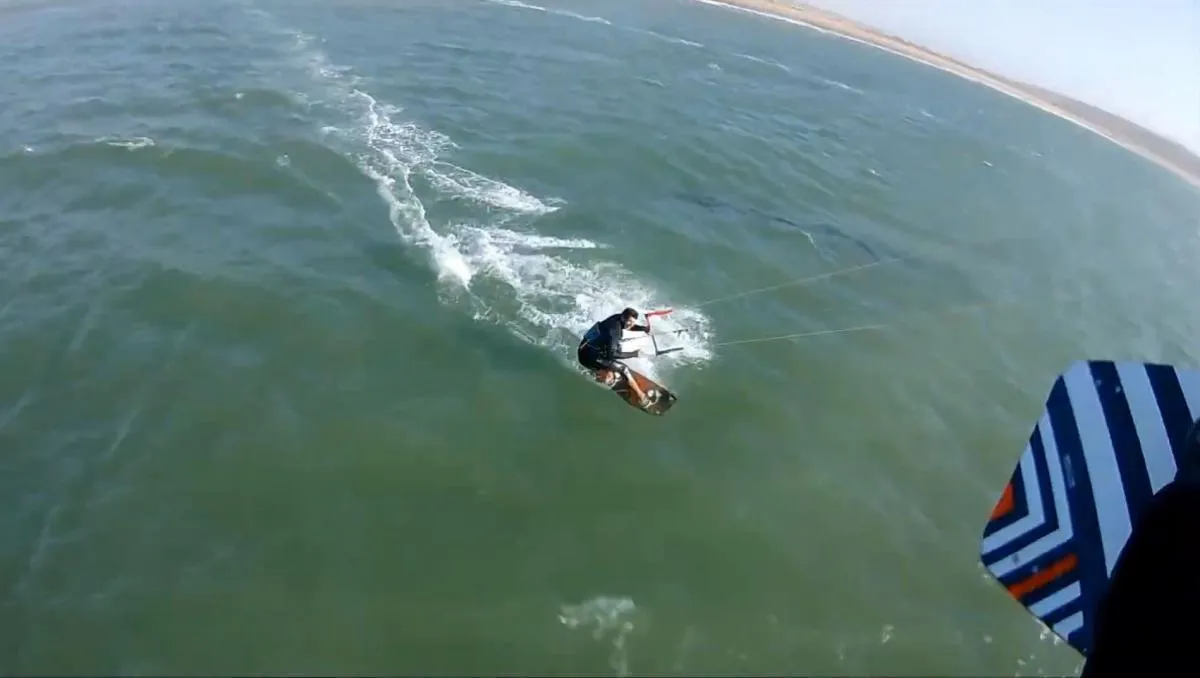
Unlike the flat-water lagoons of Dakhla or Oualidia, Souiria is primarily an open-water kitesurfing location. The Atlantic swell can produce anything from relatively small waves to powerful breaking surf, depending on the season and offshore weather systems. During lighter swell, the water beyond the shorebreak may offer enjoyable freeriding conditions, with moderate ocean chop and rolling swell providing natural ramps for controlled jumps. When larger swell arrives, the beach becomes more demanding, with stronger shorebreak and more substantial waves requiring confident board handling. The spot is therefore particularly interesting for intermediate and advanced riders who enjoy ocean conditions rather than perfectly flat water.
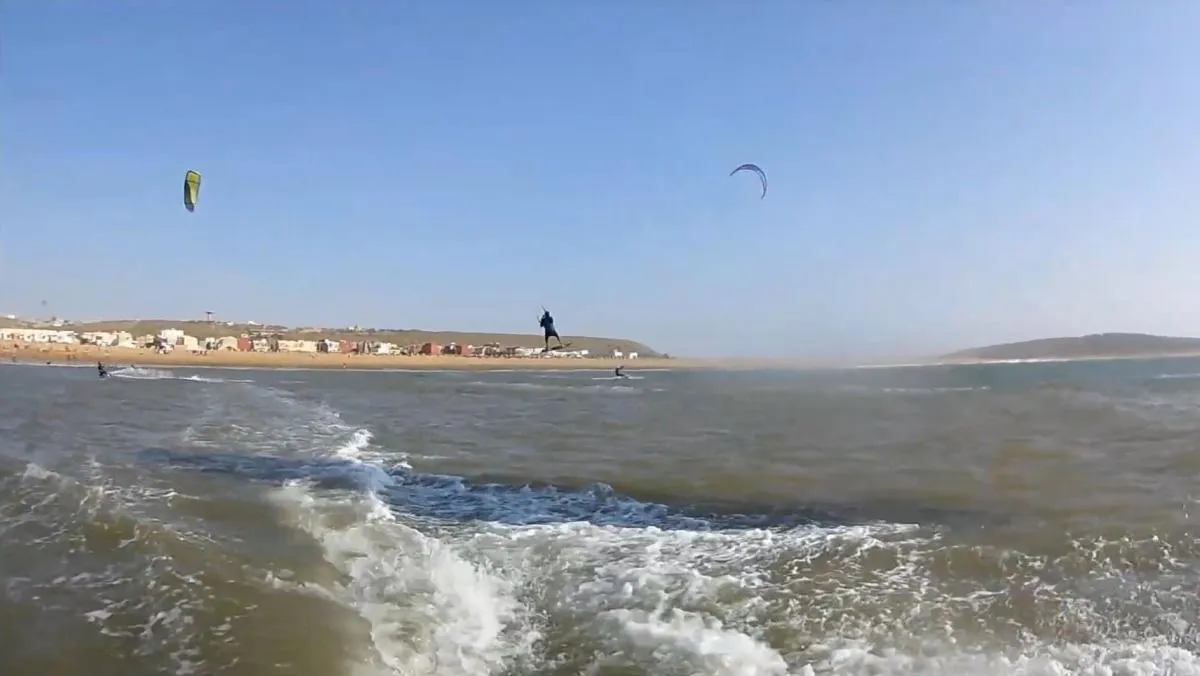
Freeriding is one of the main attractions at Souiria Beach. The relatively long sandy coastline allows riders to enjoy extended runs parallel to shore when the wind direction is favourable, while the open water provides opportunities for carving turns, controlled jumps and riding over Atlantic swell. Twin-tip riders may find enjoyable conditions during moderate winds and smaller wave periods, although choppy water and breaking surf can make technical freestyle more difficult. Experienced riders can use the natural wave ramps for jumping, but powered manoeuvres should be performed well away from swimmers, shallow water and other beach users. Souiria is better suited to ocean freeriding and wave-oriented riding than to dedicated flat-water wakestyle progression.
Wave kitesurfing can be particularly rewarding when suitable Atlantic swell combines with favourable wind direction. Depending on the conditions, waves may offer opportunities for carving turns, bottom turns and riding down the face on directional surfboards. The quality of the waves varies with swell direction, size, period and tide, and not every windy day produces good wave-riding conditions. Strong onshore winds can make the surf disorganised, while cross-shore winds may provide cleaner wave faces. Riders should also consider the presence of surfers and avoid launching or riding through established surfing areas. Local knowledge is valuable for identifying the most suitable sections of the beach and understanding how the waves break under different conditions.
Tides influence the shape of the beach, the strength of the shorebreak and the amount of sand available for launching. At lower tide, a wider section of the sandy shoreline may become exposed, providing additional room for preparing equipment and selecting a safe launching position. However, shallow sandbanks can create breaking waves farther from shore and produce uneven water depths. At higher tide, the usable beach may narrow in some sections, while waves can break closer to the upper shoreline. The most comfortable tidal stage depends on the swell conditions and the specific section of beach being used. Riders should observe the wave pattern and water depth before launching rather than assuming that either high or low tide is always preferable.
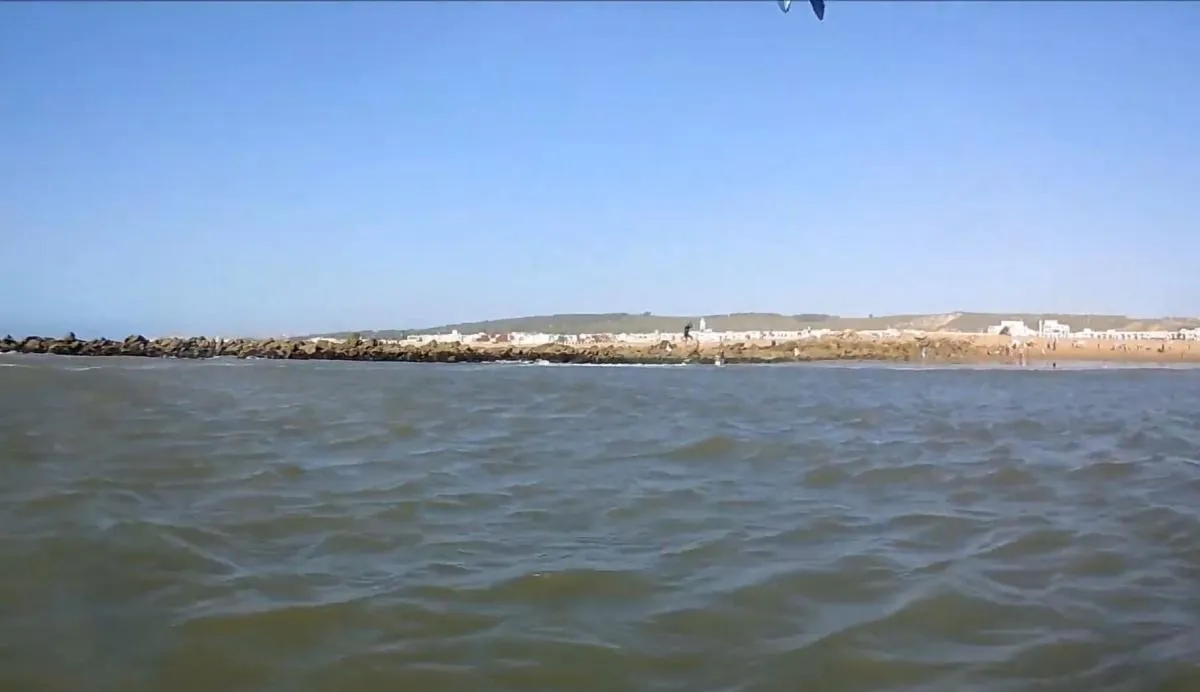
The seabed along much of Souiria Beach is sandy, although submerged rocks, shells and other obstacles may occur near the edges of the bay or around coastal structures. Sandbanks can shift over time under the influence of Atlantic swell and coastal currents, changing the location and shape of breaking waves. Strong surf can also generate rip currents, particularly where water flows back through deeper channels between sandbanks. These currents may complicate board recovery and make it difficult to return to the intended launching area. Riders should avoid unfamiliar rocky sections and maintain sufficient distance from coastal structures, especially when wind and swell are strong.
Launching and landing conditions are generally more spacious than at many compact urban kitesurfing beaches, thanks to the broad sandy shoreline. Nevertheless, available space can vary with tide, beach activity and the exact launching location. During summer, Souiria attracts swimmers, families and other recreational visitors, making it essential to maintain generous separation from non-kiters. Riders should select an unobstructed section of sand, avoid flying powered kites over people and respect any designated swimming areas or local access restrictions. Strong coastal winds can make launching particularly demanding, especially when gusts develop near dunes or nearby structures. Assisted launching and careful equipment checks are advisable whenever conditions require them.
Souiria is generally more suitable for intermediate and advanced kitesurfers than for complete beginners. Although the wide beach may provide useful space for kite handling, the presence of Atlantic shorebreak, ocean currents and changing swell conditions can make learning considerably more difficult than in a sheltered lagoon. Beginners should only enter the water under qualified supervision and when wind, waves and available beach space are appropriate. Intermediate riders with reliable upwind ability may enjoy freeriding during smaller swell, while experienced riders can explore more demanding wave conditions. Confidence in self-rescue and the ability to manage equipment in breaking surf are particularly important for independent sessions.
Hydrofoil kitesurfing may be possible beyond the breaking waves when the water is sufficiently deep and the swell is manageable, but launching through shorebreak can be difficult and potentially hazardous. Foil riders must account for shifting sandbanks, breaking waves and the risk of damaging the foil mast in shallow water. Wing-foiling may offer additional possibilities during suitable wind and swell conditions, particularly for experienced riders comfortable with ocean launches. However, neither discipline benefits from the consistently smooth water found at dedicated foil or lagoon locations. Equipment choice should reflect the exposed Atlantic environment, with particular attention to the strength of the wind and the size of the swell.
Souiria's relatively undeveloped kitesurfing scene is part of its appeal, but it also means that dedicated kite schools, equipment rental and organised rescue services may be limited compared with Essaouira. Independent riders should confirm the availability of local facilities before travelling and avoid assuming that immediate assistance will be available on the water. The open Atlantic setting requires reliable self-rescue skills and careful planning, especially when stronger winds or currents make returning to shore difficult. Riding with a partner and remaining within a manageable distance from the beach are sensible precautions. Visitors should also check current local regulations and seek advice from experienced local riders regarding launching areas and seasonal conditions.
Water temperatures along this section of Morocco's Atlantic coast are influenced by the cool Canary Current, so a wetsuit is advisable for much of the year, including during windy summer sessions. Strong northerly winds can create significant wind chill, particularly after extended periods in the water. Summer air temperatures are generally comfortable near the coast, although inland heating can be intense. Sun protection, hydration and suitable thermal protection are important for long sessions. During winter, larger Atlantic swell and more variable weather systems can make conditions substantially more demanding, even when the wind is strong enough for kitesurfing.
For riders searching for kitesurfing at Souiria Beach, quieter kite spots near Essaouira or alternative kitesurfing destinations along Morocco's Atlantic coast, Souiria offers an appealing combination of wide sandy beaches, seasonal northerly winds and open-ocean riding conditions. Its main strengths are the possibility of enjoying less crowded sessions, spacious launching areas and a mix of freeriding and wave kitesurfing. However, Atlantic shorebreak, shifting sandbanks, coastal currents and limited dedicated kite infrastructure require experience and preparation. For intermediate and advanced riders who enjoy exploring less commercialised coastal locations, Souiria Beach can provide a rewarding alternative to Morocco's more established kitesurfing destinations when the wind and swell align.
Something missing or out of date at this spot? Suggest a correction
Spot Gallery (9)
Souiria Beach is best suited for
Spot profile
Travel spot
The typical kite travel destination, it is known for its great conditions, and kiters from around the world come here for their vacations.
Family spot
Located in an area that offers amenities for all the family and can provide good alternatives for everyone when the kiters are in the water.
Local spot
Maybe not be worth a real journey to reach this spot, but great if you live close by and it is a windy day. In the end, being out on the water feels great anywhere
Equipment
Normal wetsuit suit or shorty on hottest days
Wind Conditions
Main wind directions at Souiria Beach
Windy days per month in Souiria Beach
Wind Speed Range
From 7 to 30 Knots
Suggested sizes
7 mt and below
8 - 9 mt
10 - 11 mt
12 - 13 mt
14 mt and above
Forecast on Windy.com
Kitesurfing Safety & Local Rules at Souiria Beach
The main hazards at Souiria Beach come from fishing activity, changing ocean conditions and stronger winds during the summer months. Fishing nets may be present farther offshore, usually marked by small artisanal buoys that can be difficult to spot in choppy water. Riders should remain alert when venturing away from the beach and maintain a safe distance from fishing equipment to avoid entanglement.
Although the beach offers generous space for launching and landing, its exposed Atlantic coastline can experience breaking waves, shorebreak and currents that vary with the tide and swell. Strong thermal winds may also develop during the afternoon, making conditions more demanding for inexperienced riders. Check the wind forecast, tidal conditions and wave size before entering the water.
Souiria Beach is generally less crowded than Essaouira, but fishermen, swimmers and other beach users may still be present. Keep kite lines clear of people and fishing equipment, particularly near launching areas. Dedicated rescue assistance should not be assumed, so avoid riding too far offshore without reliable support and ensure you can return safely in changing conditions.
Location
Closest City
Safi
How to get There
The easiest way is to fly to Marrakesh or Agadir and rent a car for a 3-4 hrs drive.
Access
Public, with several parking spots along the beach
No-Wind Days: What to Do Around Souiria Beach
Beyond kitesurfing, Souiria Beach offers an interesting combination of Atlantic coastal scenery, historical landmarks and traditional Moroccan village life. Located at Souiria Qdima, approximately 30 kilometres south of Safi on Morocco's Atlantic coast, this relatively quiet seaside destination is particularly appealing to travellers seeking an alternative to the country's busier coastal resorts. The area is known for its long sandy beach, historic Portuguese fortifications and proximity to traditional fishing communities. Although tourist facilities are more limited than in Essaouira or Agadir, Souiria Qdima provides opportunities for peaceful beach walks, cultural exploration and discovering the lesser-known heritage of Morocco's Atlantic coastline. For a kitesurfing trip with non-kiters or a family holiday in the Safi region, the village offers a relaxed setting with several worthwhile excursions nearby.
Souiria Beach itself is one of the area's main attractions, with a broad sandy shoreline stretching along the Atlantic Ocean. The beach is ideal for long walks, photography, beach games and relaxing beside the sea. Its relatively undeveloped character creates a peaceful atmosphere, particularly outside the busiest summer holiday periods. Visitors can enjoy watching fishing boats, exploring the shoreline or admiring the changing colours of the Atlantic throughout the day. The coastline is particularly attractive during the late afternoon, when the setting sun illuminates the beach and surrounding landscape. Swimming requires caution because Atlantic waves, currents and changing seabed conditions can make exposed sections hazardous, especially where lifeguard services are unavailable.
One of Souiria Qdima's most distinctive attractions is Castelo Real, the remains of a Portuguese fortress dating from the early sixteenth century. Built during Portugal's period of maritime expansion along the Moroccan Atlantic coast, the fortress reflects the area's historical importance as a coastal outpost. Although much of the structure has deteriorated over the centuries, its surviving walls and architectural remains provide an interesting glimpse into the region's past. Visitors can admire the historic setting and explore publicly accessible areas where permitted, taking care around unstable masonry and sections affected by erosion. The combination of Atlantic scenery and historic fortifications makes Castelo Real particularly attractive for photography and travellers interested in Morocco's coastal heritage.
Another important historical site is the Kasbah of Hamidouch, also known as Kasbah Ben Hamidouch, located approximately ten kilometres south of Souiria Qdima. This fortified complex dates from the seventeenth century and once played a role in the region's local administration and security. Despite centuries of weathering and deterioration, the kasbah retains an imposing character, with surviving defensive walls and remnants of buildings that include a mosque structure. The site offers a fascinating opportunity to discover traditional Moroccan military architecture away from the country's better-known tourist routes. Access and preservation conditions may vary, so visitors should seek local advice before travelling and avoid entering unstable structures. The surrounding rural landscape adds to the atmosphere of this historic excursion.
Souiria Qdima itself provides an opportunity to experience the everyday rhythm of a small Moroccan coastal community. Visitors can explore the village streets, stop for traditional mint tea or enjoy a meal at one of the local cafés and restaurants. Fresh fish and seafood are natural highlights of the region's cuisine, alongside familiar Moroccan dishes such as tagines, grilled meats and seasonal salads. During summer, the village becomes livelier as Moroccan families visit the coast for holidays and weekend outings. Outside the main season, the atmosphere is generally quieter, offering a more authentic and unhurried experience. Accommodation is relatively modest compared with larger resort towns, with local guesthouses and apartments providing practical options for visitors who prefer to stay close to the beach.
For travellers interested in exploring the surrounding region, Safi is the most rewarding nearby city and an excellent destination for a day trip. This historic Atlantic port is famous for its pottery tradition, fishing industry and architectural heritage. Visitors can explore the old medina, discover traditional markets and admire historic fortifications overlooking the ocean. Safi's pottery workshops are particularly interesting, with artisans producing colourful ceramics using techniques passed down through generations. The city's pottery quarter offers opportunities to observe traditional craftsmanship and purchase locally made decorative pieces. Safi also has a selection of seafood restaurants, cafés and shops, providing a lively contrast to the quieter atmosphere of Souiria Qdima.
The wider Atlantic coastline around Souiria Qdima is also worth exploring for its natural scenery and relatively undeveloped beaches. Coastal drives reveal stretches of sandy shoreline, rocky headlands and small fishing settlements where traditional maritime activities remain part of everyday life. Visitors can stop at scenic viewpoints, enjoy photography or discover quieter sections of the coast away from the main village. The landscape is particularly attractive during clear weather, when the Atlantic Ocean contrasts with the sandy and rocky terrain. Some coastal tracks may be rough or poorly maintained, so suitable transport and local guidance are advisable when exploring remote areas. These excursions are especially appealing to travellers who enjoy discovering destinations beyond established tourist routes.
For anyone planning a kite trip to Souiria Beach and wondering what else there is to do, the surrounding Safi region offers a rewarding combination of coastal relaxation, historical exploration and traditional Moroccan culture. A no-wind day can include walking along Souiria Beach, visiting the remains of Castelo Real, discovering the historic Kasbah Ben Hamidouch or enjoying fresh seafood in Souiria Qdima. Travellers interested in culture can explore Safi's pottery workshops, medina and historic fortifications, while families and non-kiting partners can enjoy the beach and the village's relaxed atmosphere. Souiria Qdima is not a destination with extensive organised entertainment, but its quiet coastline, distinctive heritage and proximity to Safi make it an appealing alternative for visitors seeking a more authentic Moroccan Atlantic experience.
Video about Kite Spot
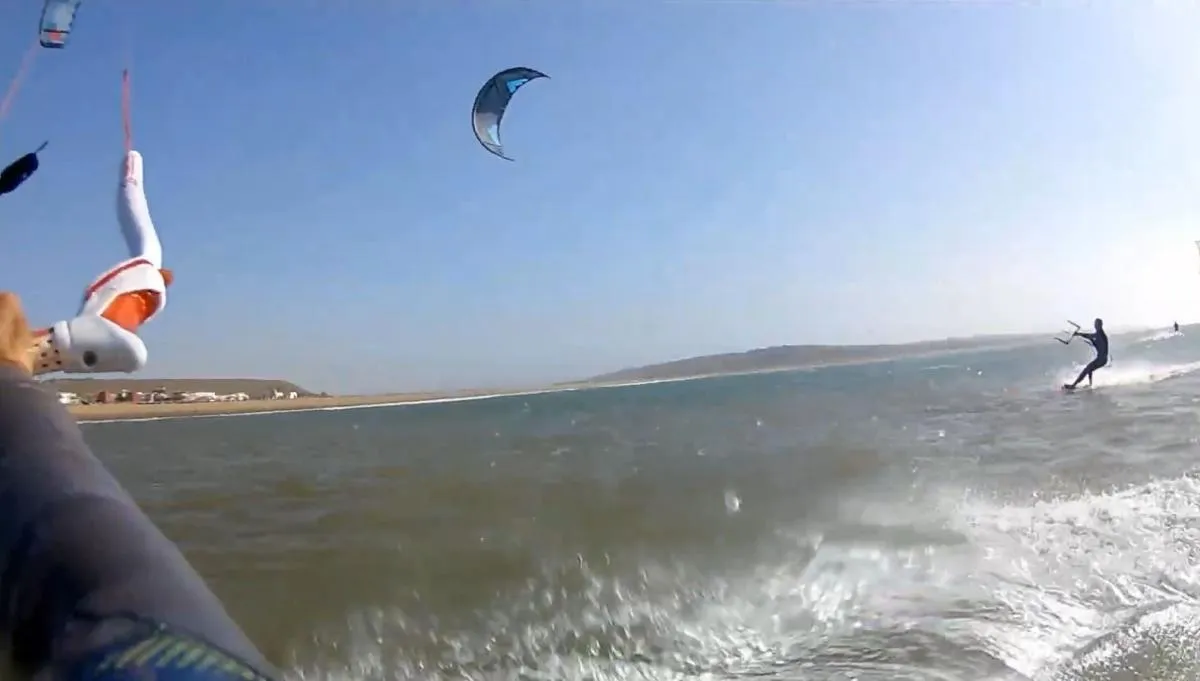
Thanks to Mohammed Akram for sharing this nice video first-person filmed with his action camera on the spot of Souiria Beach on Sept. 18th, 2021
Other kitesurfing spots near Souiria Beach
All kitesurfing spots in Morocco
Last updated: