
Kitesurfing in Dakhla
Dakhla · Morocco
- Spot type Flat
- Rider level beginner
- Water Dark - Clear
- Beach Sand
- Crowd Few people
- Tide effect None
Kitesurfing in Dakhla: Conditions, Wind & Season
Dakhla is one of the world's most celebrated kitesurfing destinations, located on a narrow peninsula along the Atlantic coast of Western Sahara, administered by Morocco. What began as a relatively unknown location explored by a handful of pioneering kitesurfers has developed into an internationally recognised centre for the sport. Its extraordinary combination of a vast turquoise lagoon, consistent trade winds and dramatic Saharan desert landscapes attracts riders from around the world. With extensive flat-water areas suitable for learning and freestyle, alongside powerful Atlantic waves on the ocean side of the peninsula, Dakhla offers an exceptional variety of conditions for beginners, intermediate riders and experienced kitesurfers seeking a dedicated wind-powered holiday.
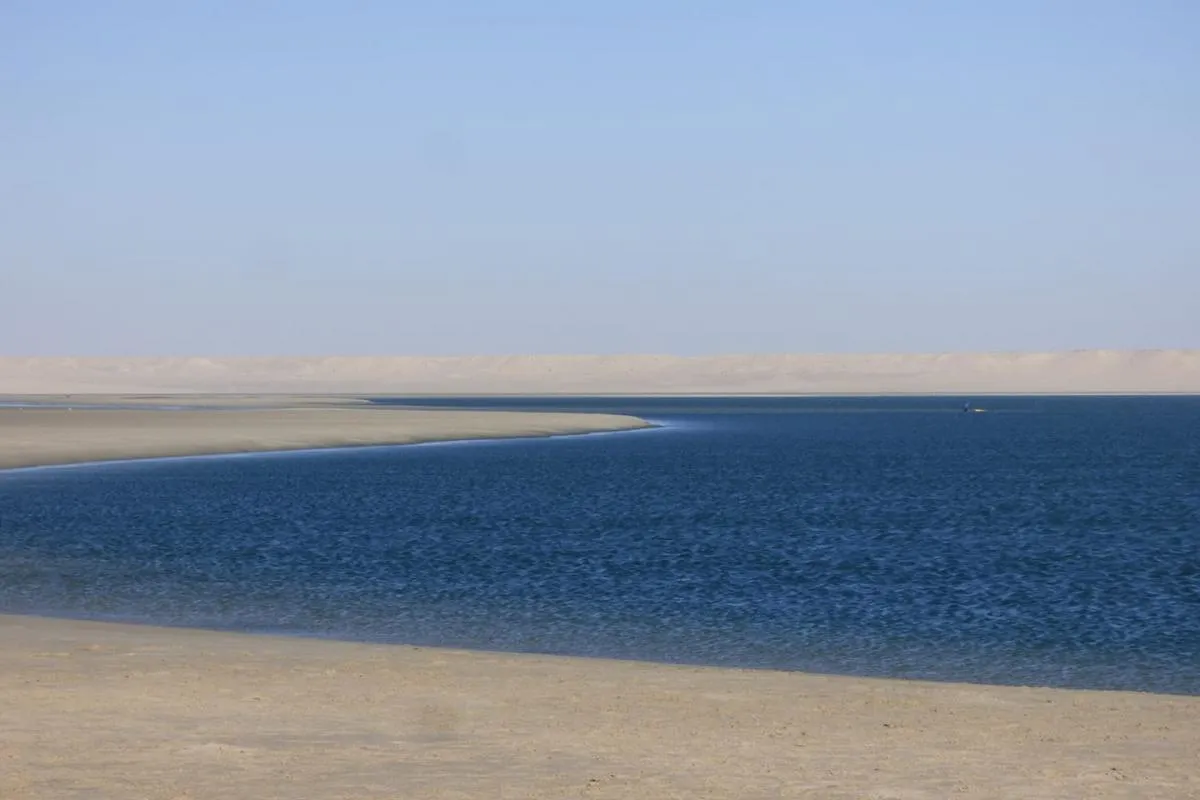
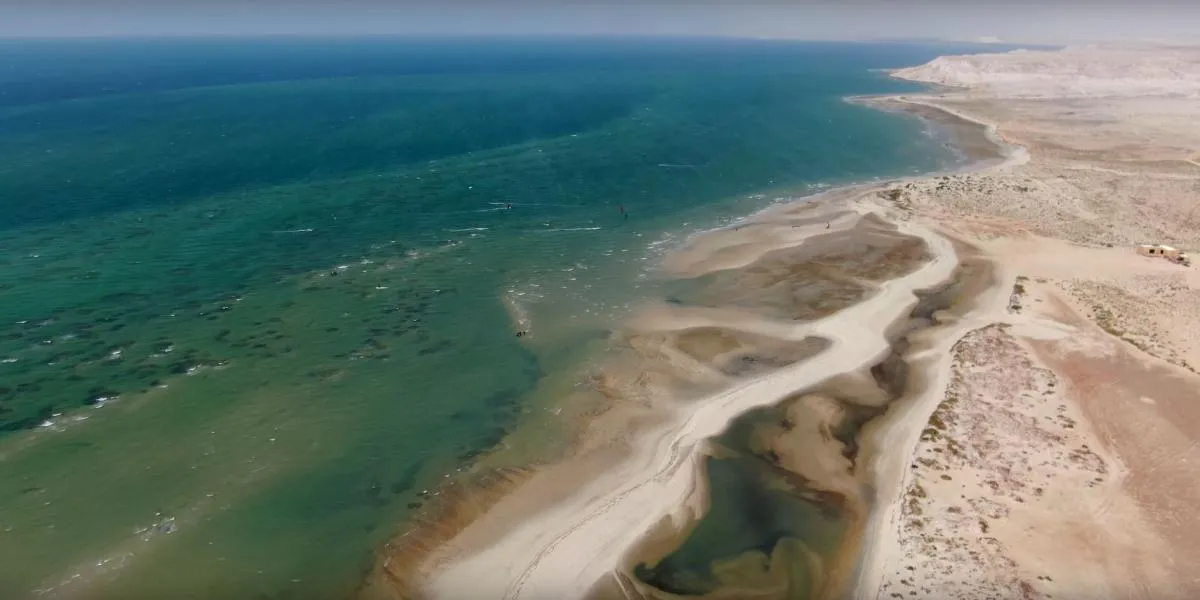
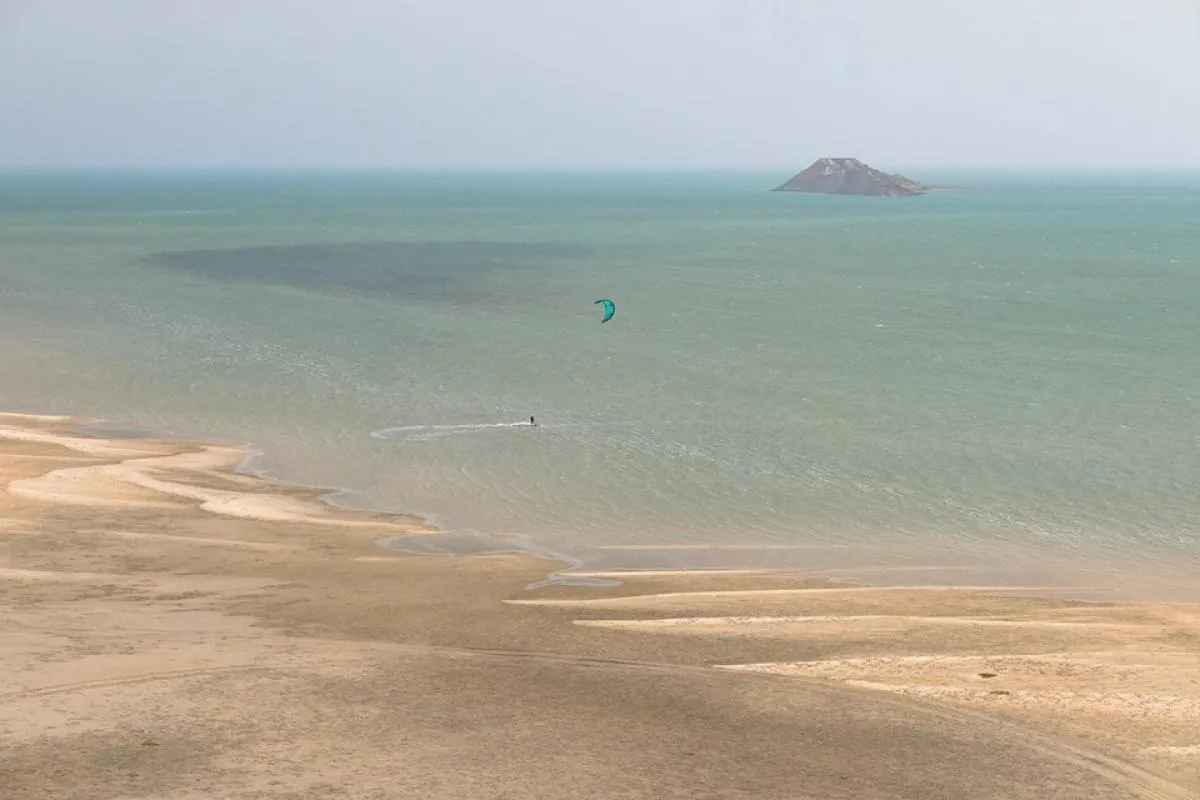
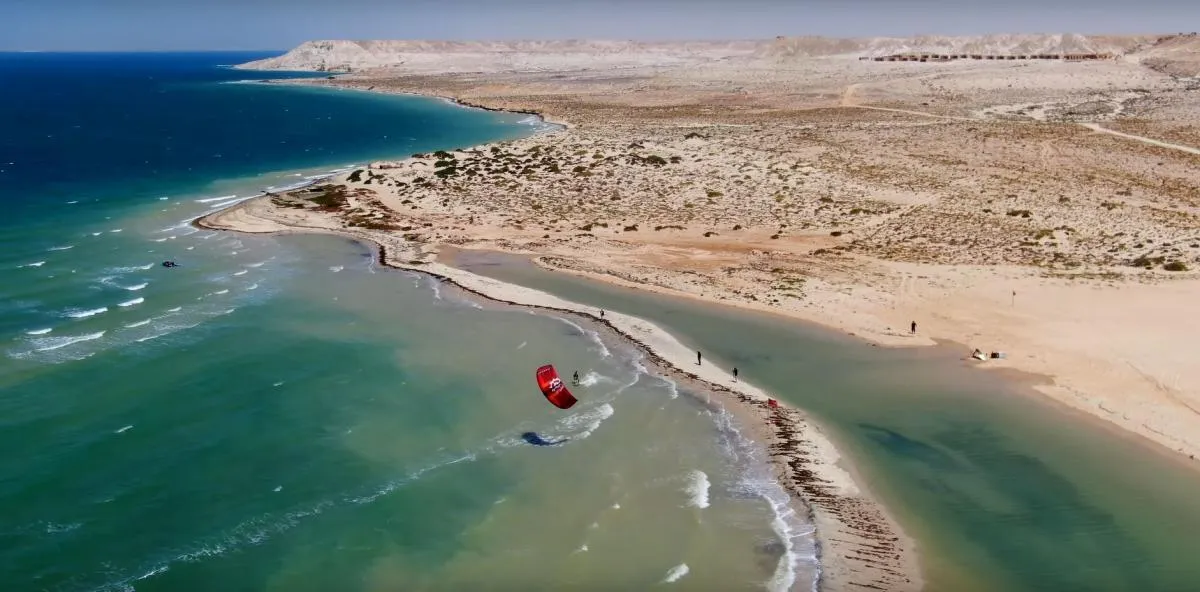
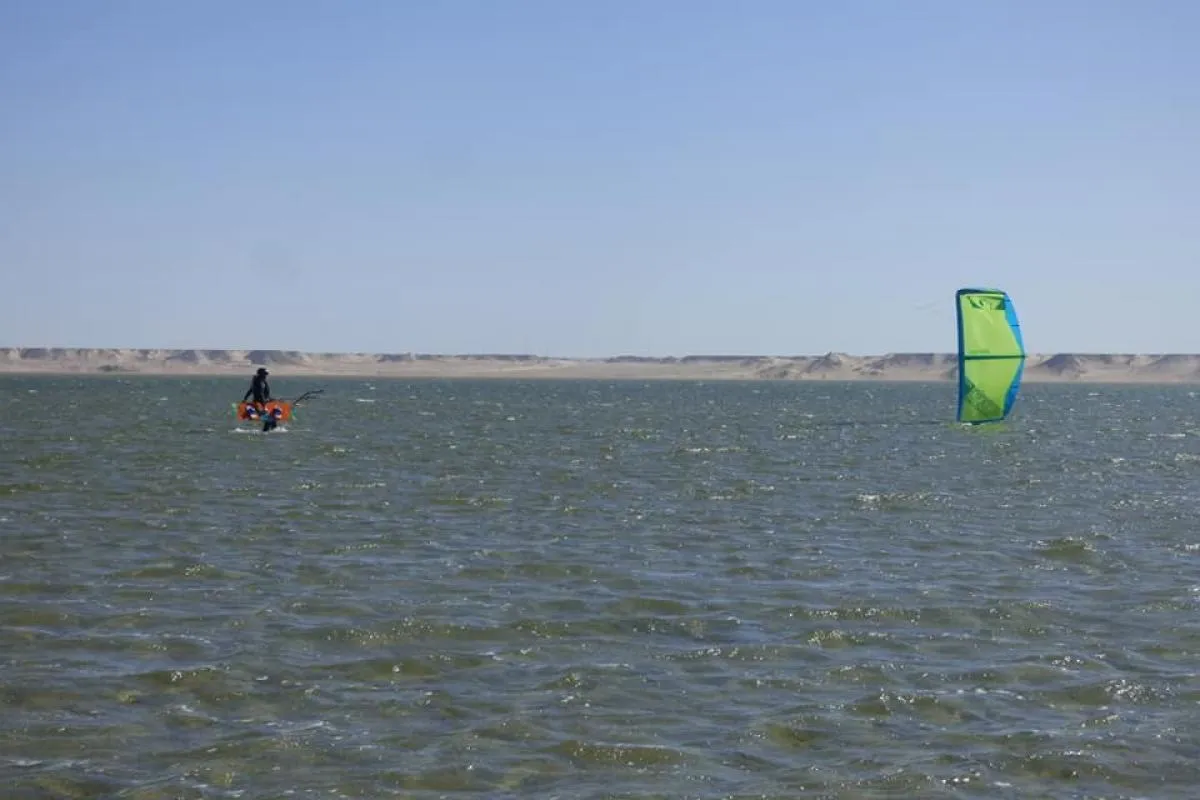
The defining feature of Dakhla is its enormous coastal lagoon, stretching for approximately 40 kilometres along the eastern side of the peninsula. Protected from Atlantic swell by the narrow strip of land separating the lagoon from the ocean, this extensive body of water provides remarkably smooth riding conditions. Depending on the wind strength, tidal stage and exact location, the surface ranges from nearly glassy flat water to small wind-driven chop. The surrounding desert hills and sand dunes create a spectacular backdrop, giving the impression of riding across a vast natural playground surrounded by the Sahara. The combination of open space, relatively predictable wind and protected water has made the lagoon one of the best-known flat-water kitesurfing destinations in the world.
Wind reliability is one of Dakhla's greatest attractions. The region benefits from persistent northerly to northeasterly trade winds associated with the Atlantic coastal wind system. These winds are reinforced by regional pressure patterns and the temperature contrast between the ocean and the surrounding desert. The main windy season generally extends from April through September, with June, July and August often providing particularly strong and frequent conditions. During the peak season, winds commonly reach approximately 18 to 30 knots, although lighter periods and stronger gusts are possible. Kitesurfing remains possible outside the main season, particularly during spring and autumn, but wind consistency is generally lower during winter. This extended windy period makes Dakhla attractive for riders planning a trip around a high probability of regular sessions.
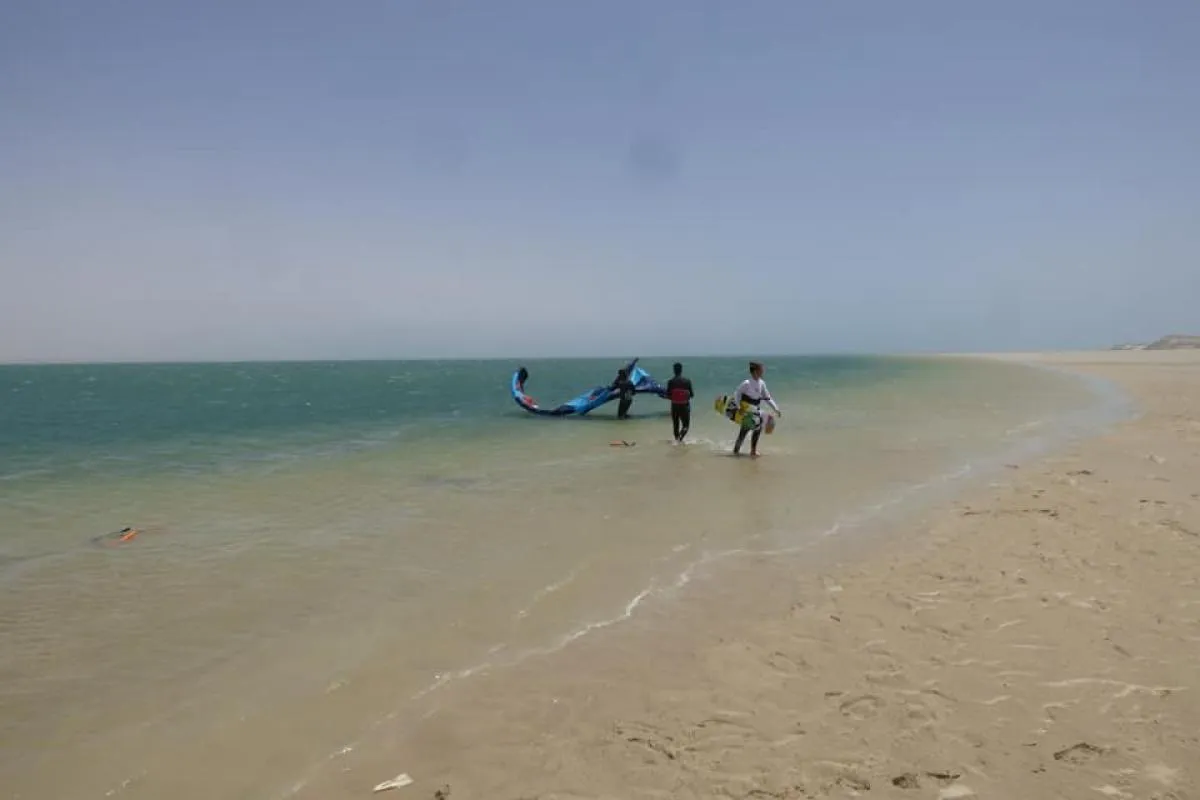
The lagoon's extensive shallow-water sections are particularly appealing for beginner kitesurfing lessons. Several established kite centres operate along the shoreline, offering professional instruction, equipment rental and supervised riding areas. During suitable tidal stages, learners can practise kite control, body dragging and water starts in relatively smooth water without the additional difficulty of breaking waves. The wide lagoon provides room for progression, although beginners should remain within designated teaching areas and follow instructor guidance. Water depth varies considerably between locations and throughout the tidal cycle, meaning that not every section is shallow or suitable for standing. Strong winds and changing tidal currents can also make conditions demanding, even when the water appears calm.
For intermediate riders, Dakhla offers extensive opportunities to improve freeriding skills and develop confidence in stronger winds. The lagoon provides long reaches suitable for practising upwind riding, transitions, carving turns and controlled jumps. Riders can explore different sections of the water according to wind direction, tide and experience, with some areas offering smoother surfaces and others providing more open space for powered cruising. The relatively consistent wind allows repeated practice of manoeuvres, making Dakhla particularly popular with kitesurfers who want to progress quickly during a dedicated training holiday. However, the lagoon's considerable size means that riders should remain aware of their distance from shore and avoid travelling beyond the limits of their experience or available rescue support.
Advanced freestyle and big-air kitesurfing are also major attractions. The combination of strong trade winds and flat-water sections creates favourable conditions for powered take-offs, technical tricks and high-performance riding. Certain areas of the lagoon become exceptionally smooth when sandbanks or shoreline features provide shelter from surface chop, attracting experienced riders seeking clean take-off and landing conditions. The famous Speed Spot, for example, is associated with very flat water during suitable tidal and wind conditions. However, shallow water can make powerful crashes dangerous, and riders should ensure adequate depth before attempting advanced manoeuvres. Strong winds, crowded training areas and rapidly changing tidal conditions also require careful awareness and control.
Tides have a significant influence on kitesurfing throughout the Dakhla lagoon. Water depth changes considerably between high and low tide, exposing extensive sandbanks and altering the available riding areas. At higher tidal stages, more of the lagoon becomes accessible, providing additional depth for freeriding and hydrofoil kitesurfing. At lower tide, some sections become extremely shallow or temporarily unusable, while others develop smooth-water conditions behind exposed sandbanks. The tidal cycle also affects currents, particularly near channels and the southern entrance of the lagoon. Riders should check local tide tables and seek advice from their kite centre before exploring unfamiliar sections. The best tidal window varies depending on the launching location, equipment and intended riding style.
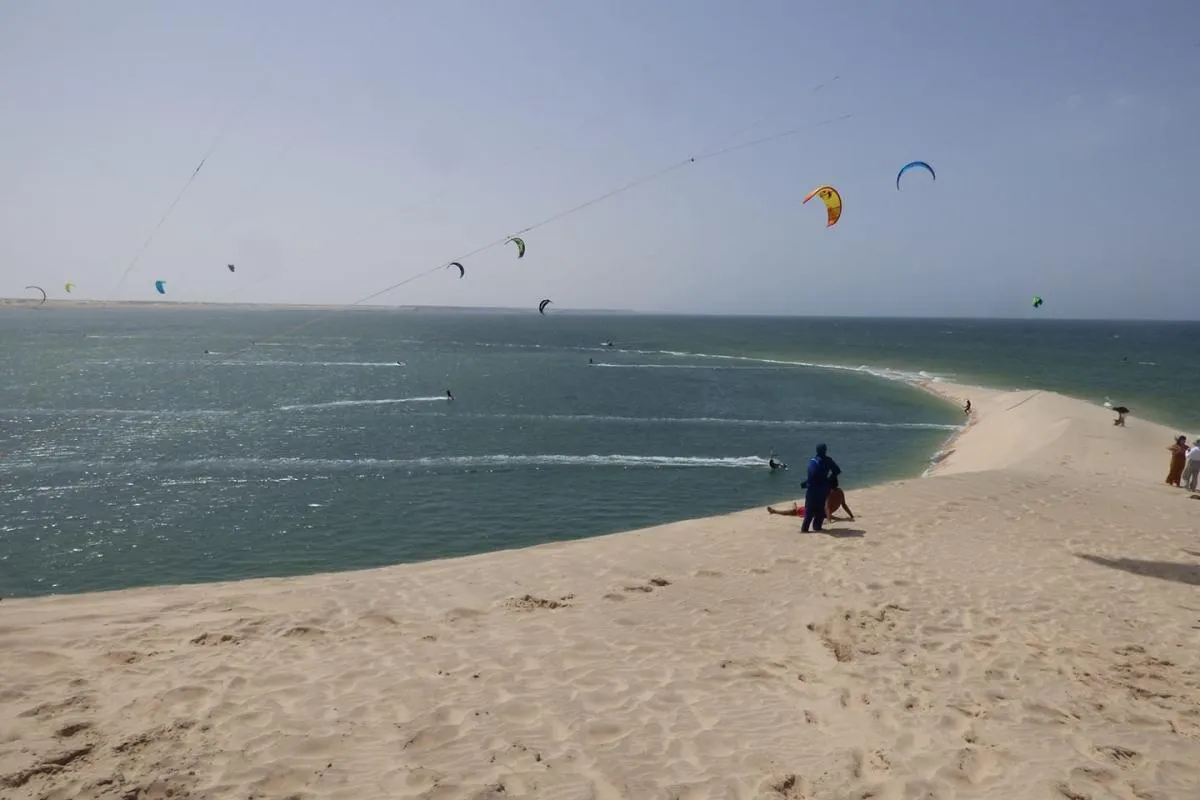
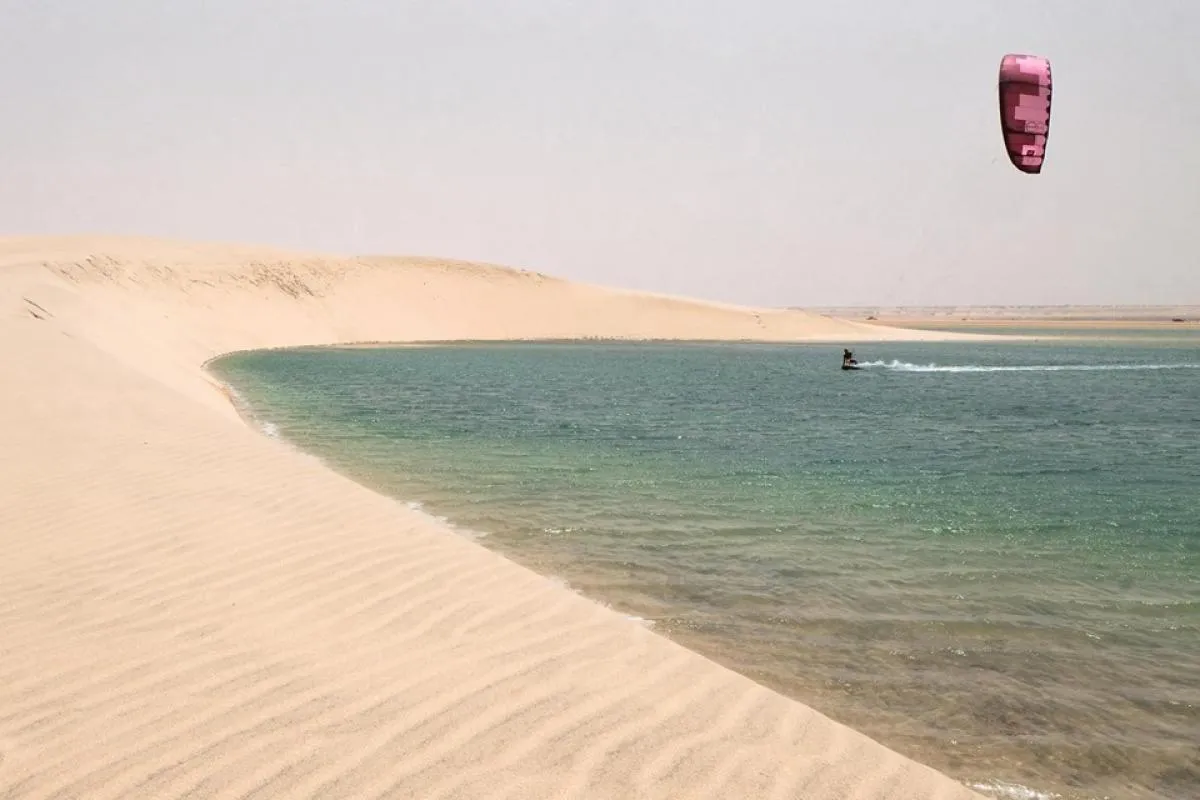
Beyond the main lagoon, Dakhla offers several distinctive flat-water riding areas that have become internationally recognised among travelling kitesurfers. The White Dune, a striking formation rising above the lagoon, is a popular destination for organised kite excursions and downwind sessions when conditions allow. Its surrounding waters can provide beautiful flat-water sections, although tidal depth and local currents must be considered carefully. Other locations along the lagoon offer opportunities for longer freeride runs and guided exploration away from the busiest kite centres. These excursions are best undertaken with experienced local guides and appropriate support, as distances can be substantial and the remote desert shoreline offers limited assistance in the event of equipment failure.
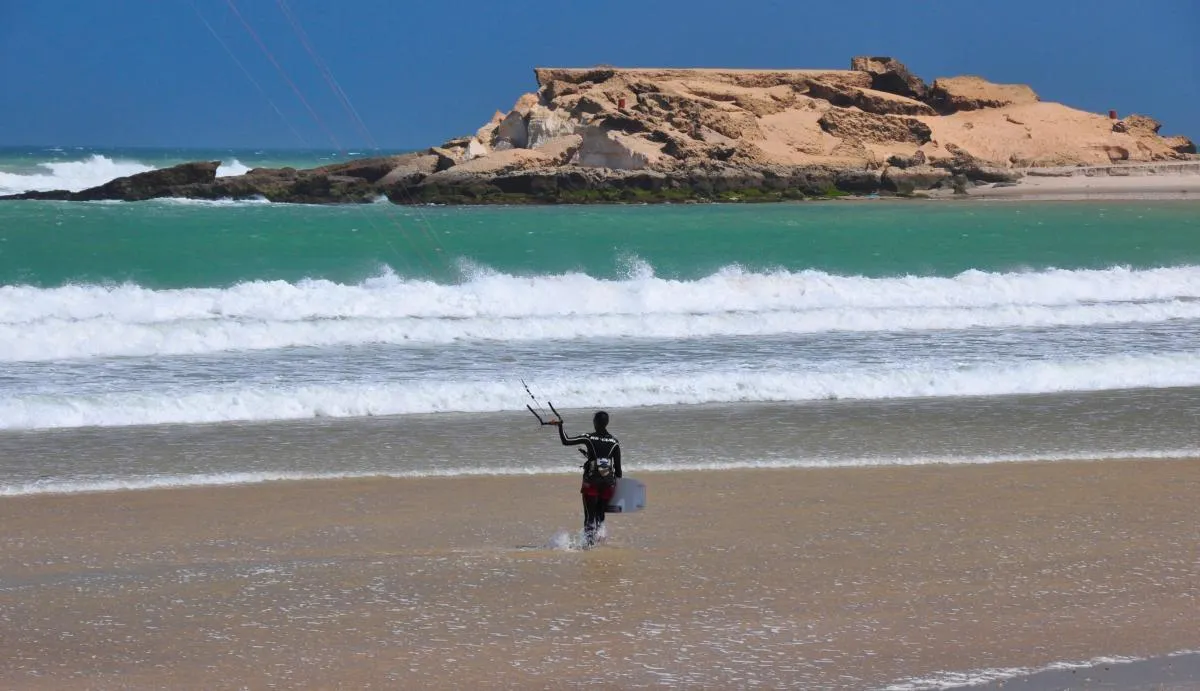
The Atlantic side of the Dakhla peninsula provides a completely different kitesurfing experience. Here, the coastline is exposed to ocean swell, creating opportunities for wave riding that contrast sharply with the protected lagoon. Locations such as Foum Labouir are known for their surf conditions, with waves that can become particularly attractive to experienced directional-board riders when wind and swell align. The ocean side can offer rolling waves, longer faces and more powerful breaking sections, depending on the season and weather conditions. However, wave kitesurfing requires careful selection of the launch, as not every established surf break is suitable or permitted for kite use. Rocks, shorebreak, offshore winds and the presence of surfers must all be considered before entering the water.
The contrast between the lagoon and the Atlantic coastline makes Dakhla unusually versatile. Beginners can concentrate on developing fundamental skills in protected water, intermediate riders can progress through freeriding and jumping, and advanced kitesurfers can explore freestyle, big air, hydrofoil riding and wave sessions. Twin-tip boards are the most common choice for lagoon freeriding and freestyle, while directional surfboards are better suited to Atlantic wave conditions. Hydrofoil kitesurfing is possible in sufficiently deep sections of the lagoon, although shallow sandbanks and changing tidal levels require careful navigation. Wing-foiling has also become increasingly popular, taking advantage of the extensive water area and frequent winds. The availability of several disciplines makes Dakhla appealing to riders with different interests and progression goals.
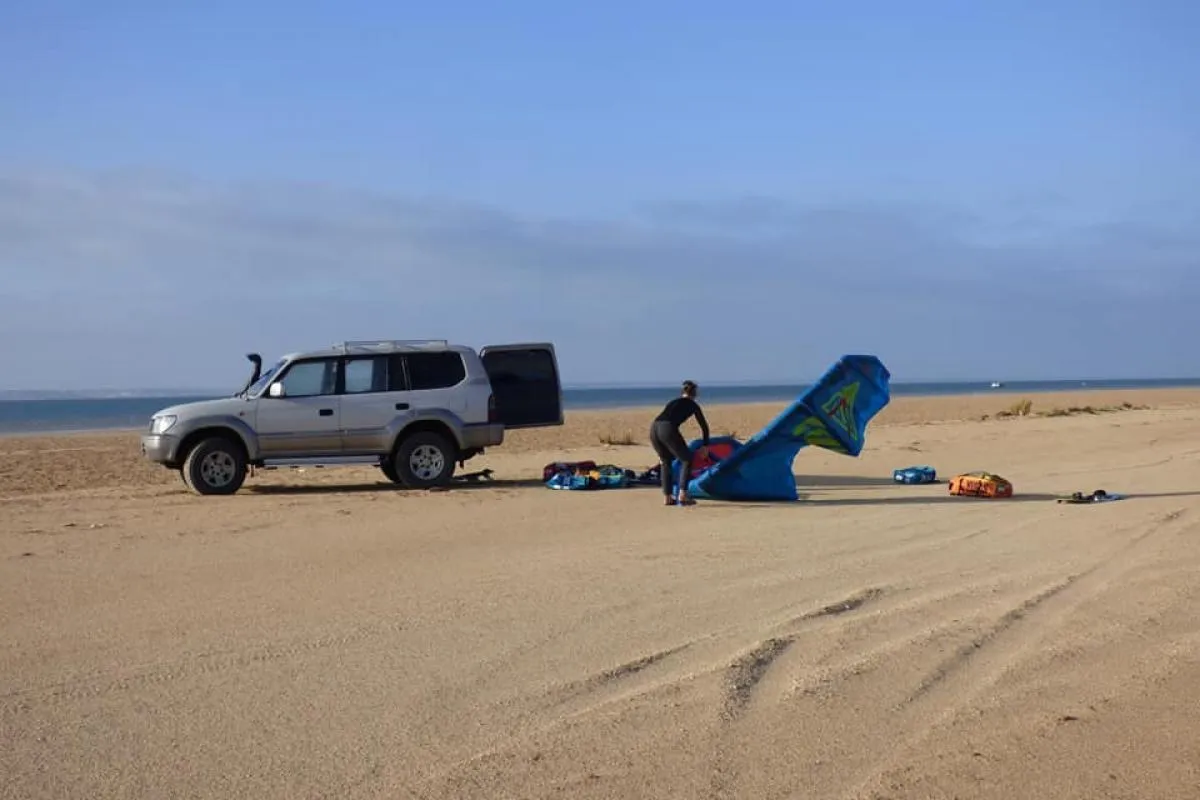
Launching conditions vary significantly around the lagoon. Many established kite camps provide dedicated rigging areas, direct water access and organised assistance with launching and landing. Some locations offer broad sandy shorelines, while others have narrower beaches, uneven ground or shallow water extending far from shore. Wind direction can also create local differences in launching safety, particularly near buildings, dunes or other obstacles. Riders should follow the procedures established by their chosen kite centre and respect any designated teaching or riding zones. Although the lagoon is enormous, popular sections can become crowded during the main season, especially around schools and accommodation clusters. Maintaining adequate separation between kites and respecting right-of-way rules are essential.
Despite its reputation as a relatively accessible kitesurfing destination, Dakhla presents several hazards that should not be underestimated. Strong trade winds can become physically demanding, particularly for beginners or riders using oversized equipment. Shallow water increases the risk of injury during jumps or uncontrolled falls, while tidal currents can complicate self-rescue in deeper channels. Some lagoon areas contain shells, rocks or uneven seabed, making protective footwear useful in selected locations. Farther from the main kite centres, the shoreline can be remote, with limited access to immediate assistance. Riders should avoid attempting long-distance downwinders or isolated sessions without suitable support and should always understand the local wind direction, tide and available rescue arrangements.
Dakhla's climate is another important factor when planning a kitesurfing trip. The surrounding Sahara creates a dry environment with relatively little rainfall, while the Atlantic Ocean moderates temperatures throughout the year. Air temperatures are generally comfortable rather than excessively hot, although strong winds can make conditions feel cooler, particularly after extended periods in the water. A wetsuit is advisable for most riders, especially during the main windy season when wind chill becomes noticeable. Water temperatures are influenced by the cool Atlantic coastal current, and thermal protection is often necessary even when the desert sunshine feels warm. Sun protection, hydration and suitable clothing for windy conditions are also important during long days on the water.
Dakhla has developed an extensive infrastructure dedicated to kitesurfing, with numerous kite camps and specialised centres located along the lagoon. Many provide equipment storage, lessons, rentals, rescue boats and direct access to the riding area, allowing visitors to organise their trip around daily sessions. Facilities and rescue coverage vary between operators, so riders should confirm what is included before booking. The remote desert setting makes advance planning particularly useful, especially for equipment repairs, medical assistance and transportation between different riding locations. Although Dakhla is now an established international destination, its geography remains relatively isolated, and independent riders should avoid assuming that assistance is available everywhere along the lagoon.
For riders searching for kitesurfing in Dakhla, the best flat-water kitesurfing spots in Morocco or a windy destination for a dedicated kite holiday, this remarkable Atlantic peninsula offers one of the most complete riding environments in the sport. Its greatest strengths are the vast protected lagoon, reliable seasonal trade winds, extensive learning opportunities and the possibility of combining flat-water freestyle with Atlantic wave riding. The dramatic meeting of desert dunes and turquoise water adds a distinctive atmosphere that few other kitesurfing destinations can match. Whether the goal is learning to kitesurf, improving freestyle skills, enjoying long freeride sessions or exploring more challenging wave conditions, Dakhla offers an exceptional range of possibilities, provided riders respect the strong winds, changing tides and local safety requirements.
Something missing or out of date at this spot? Suggest a correction
Spot Gallery (10)
Dakhla is best suited for
Spot profile
Travel spot
The typical kite travel destination, it is known for its great conditions, and kiters from around the world come here for their vacations.
Adventure spot
That dream place out of the normal touristic routes. Once you reach it, you feel in paradise, it can be anything extraordinary, a hidden gem, remote and fascinating.
Equipment
Wetsuit 3.2 or shorty. No shoes are required since it is mostly sandy Beaches
Wind Conditions
Main wind directions at Dakhla
Windy days per month in Dakhla
Wind Speed Range
From 18 to 30 Knots
Suggested sizes
7 mt and below
8 - 9 mt
10 - 11 mt
12 - 13 mt
Forecast on Windy.com
Kitesurfing Safety & Local Rules at Dakhla
Dakhla Lagoon is generally a safe and forgiving kitesurfing destination, with extensive flat-water areas and predominantly onshore winds that make it suitable for beginners and experienced riders alike. However, strong winds can develop throughout the day, creating challenging conditions for less experienced kiters. Always choose an appropriate kite size and follow the instructions of local kite schools.
The main hazards are shallow sections of the lagoon, changing tidal depths and occasional congestion near popular kite camps and teaching areas. At low tide, exposed sandbanks and shallow water can increase the risk of injury during jumps or hard falls. Maintain safe distances from other riders and check water depth before attempting manoeuvres.
The Atlantic Ocean side of the peninsula presents significantly more demanding conditions, with powerful waves, shorebreak and potentially strong currents. These areas are best suited to experienced wave riders. Rescue assistance may also be limited away from established kite centres, so avoid venturing into remote sections of the lagoon without adequate support.
Location
Closest City
Dakhla
How to get There
You can fly from Europe to Casablanca. From there, there are good connections to Dakhla. There is also a Paris direct to dakhla and also from the Canaries is possible to fly to Dakhla.
Access
Several access points around the lagoon.
No-Wind Days: What to Do Around Dakhla
Beyond kitesurfing, Dakhla offers a unique opportunity to discover the extraordinary landscapes where the Sahara Desert meets the Atlantic Ocean. Located on a narrow peninsula in southern Western Sahara, Dakhla is surrounded by vast desert plains, golden dunes, dramatic coastal scenery and the beautiful waters of Dakhla Bay. Unlike more developed beach destinations, the region's appeal lies in its remote atmosphere, unspoiled landscapes and opportunities for outdoor exploration. For travellers accompanied by non-kiters or looking for activities on windless days, Dakhla offers a memorable combination of desert adventures, wildlife watching, cultural experiences and peaceful relaxation.
One of the most popular excursions is the White Dune, a striking formation of pale sand rising beside the lagoon. This unusual landscape creates a spectacular contrast between the golden desert, white sand and turquoise water, making it one of Dakhla's most photographed natural attractions. Visitors can reach the area through organised 4x4 excursions, often combined with stops at scenic viewpoints along the lagoon. The surrounding landscape is particularly beautiful during the early morning or late afternoon, when the softer light highlights the shapes and colours of the dunes. Access conditions vary with tides and terrain, so travelling with an experienced local guide is recommended.
Exploring the Sahara by 4x4 is another unforgettable experience. Guided desert excursions take visitors across vast open plains, sandy tracks and remote coastal landscapes, offering a fascinating perspective on the region's geography. Some tours include stops at natural viewpoints, isolated beaches and traditional desert camps, where visitors can experience local hospitality and enjoy the silence of the surrounding wilderness. The combination of desert scenery and Atlantic Ocean views makes these excursions particularly rewarding for photographers and nature lovers. Visitors should choose reputable operators, carry sufficient drinking water and avoid travelling independently into remote areas without suitable preparation.
Dakhla Bay is also an important natural environment for birdlife, making wildlife watching one of the most enjoyable activities away from the kite. The lagoon and surrounding wetlands attract flamingos, herons, waders and other coastal birds, with the species present varying throughout the year. The shallow waters and tidal flats provide feeding grounds for numerous migratory birds travelling along the Atlantic coast. Visitors can enjoy birdwatching from suitable shoreline viewpoints or join guided nature excursions. The bay is also home to marine wildlife, although sightings are unpredictable and should never be guaranteed. Responsible observation from a distance helps protect the area's sensitive ecosystems.
On the Atlantic side of the peninsula, Dakhla's coastline offers spectacular scenery, with long sandy beaches, powerful ocean waves and dramatic stretches of largely undeveloped shore. Visitors can explore coastal viewpoints, enjoy beach walks or watch surfers taking advantage of the Atlantic swell. Beaches such as Foum Labouir are known for their surf-oriented atmosphere and striking ocean landscapes. Swimming requires considerable caution because exposed sections of the coast can experience strong currents, shorebreak and heavy surf. For those who prefer a quieter experience, simply watching the waves and enjoying the vast open scenery can be one of the most rewarding ways to spend an afternoon.
Dakhla town provides opportunities to discover local culture, cuisine and everyday life in this remote Saharan coastal community. Visitors can explore markets and small shops, sample traditional Moroccan and Sahrawi dishes or enjoy fresh seafood at local restaurants. Fish and shellfish are important parts of the region's food culture, while dishes such as grilled fish, tagines and traditional tea reflect the area's culinary influences. The town has a relaxed atmosphere compared with Morocco's larger tourist centres, offering an interesting contrast to the isolated desert landscapes surrounding the lagoon. Facilities and entertainment options are relatively limited, but this simplicity is part of Dakhla's distinctive character.
For visitors seeking relaxation, many of Dakhla's lagoon-side hotels and kitesurfing camps offer comfortable spaces to unwind between outdoor activities. Depending on the accommodation, facilities may include swimming pools, terraces, restaurants, massage treatments or wellness services. Watching the sunset over the lagoon, enjoying a meal beneath the desert sky or simply relaxing with views of the surrounding dunes can be particularly memorable experiences. Some operators also arrange excursions to nearby natural attractions, making it easy for non-kiting partners to explore the region without organising independent transport. As Dakhla's attractions are spread across considerable distances, checking excursion availability and arranging transportation in advance is advisable.
For anyone planning a kitesurfing holiday in Dakhla and wondering what else there is to do, the destination offers fewer conventional tourist attractions than major resort towns, but its extraordinary natural setting more than compensates. A no-wind day can include exploring the White Dune, joining a guided Sahara excursion, watching flamingos around the lagoon, discovering the Atlantic coastline or enjoying fresh seafood in Dakhla town. The combination of desert wilderness, marine wildlife and remote coastal scenery makes Dakhla an especially appealing destination for adventurous travellers and nature lovers seeking experiences beyond the water.
Other kitesurfing spots near Dakhla

All kitesurfing spots in Morocco
Last updated: