
Kitesurfing in Oualidia Lagoon
Safi · Morocco
- Spot type Flat
- Rider level beginner
- Water Crystal Clear
- Beach Sand
- Crowd Seasonal crowd
- Tide effect Conditions vary
Kitesurfing in Oualidia Lagoon: Conditions, Wind & Season
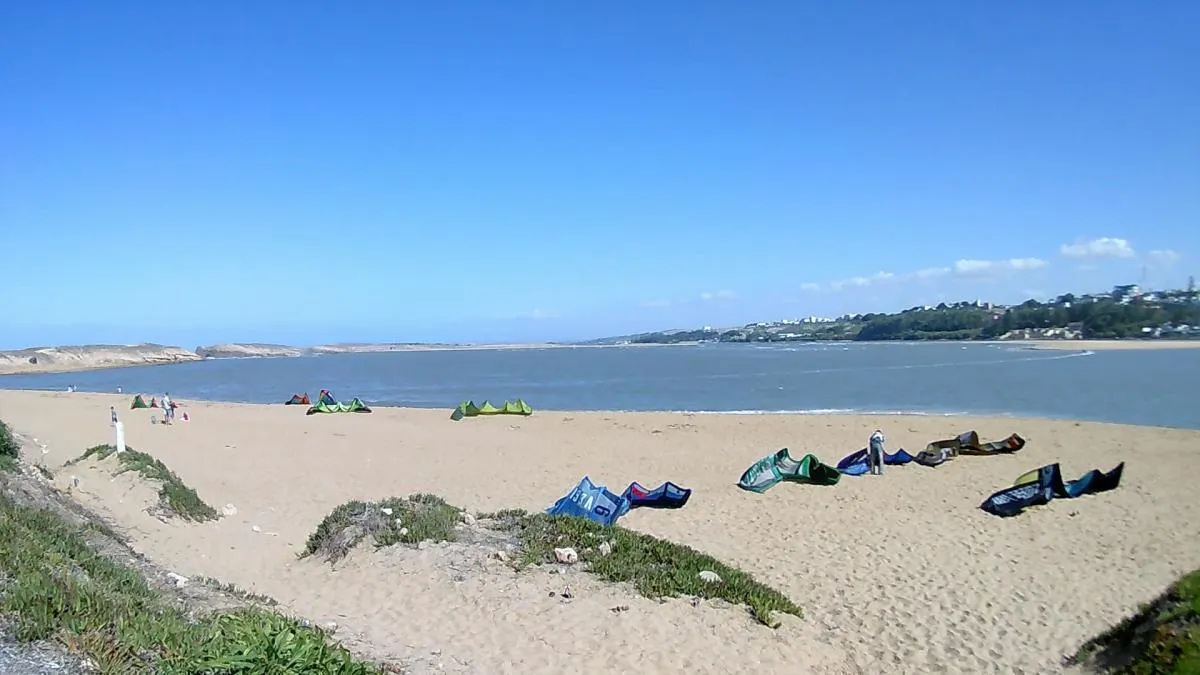
Oualidia Lagoon is one of Morocco's most distinctive flat-water kitesurfing locations, situated along the Atlantic coast between Casablanca and Essaouira. Unlike the country's internationally famous kitesurfing destinations, such as Dakhla and Essaouira, Oualidia offers a quieter and more intimate riding environment, surrounded by sandy beaches, low coastal dunes and the sheltered waters of a natural tidal lagoon. Its combination of smooth water, Atlantic winds and a relatively undeveloped kitesurfing scene makes it particularly attractive to riders looking for an alternative to busier destinations. However, the lagoon's changing tides, narrow channels and variable launching conditions mean that careful timing and local knowledge are essential for enjoying the spot safely.
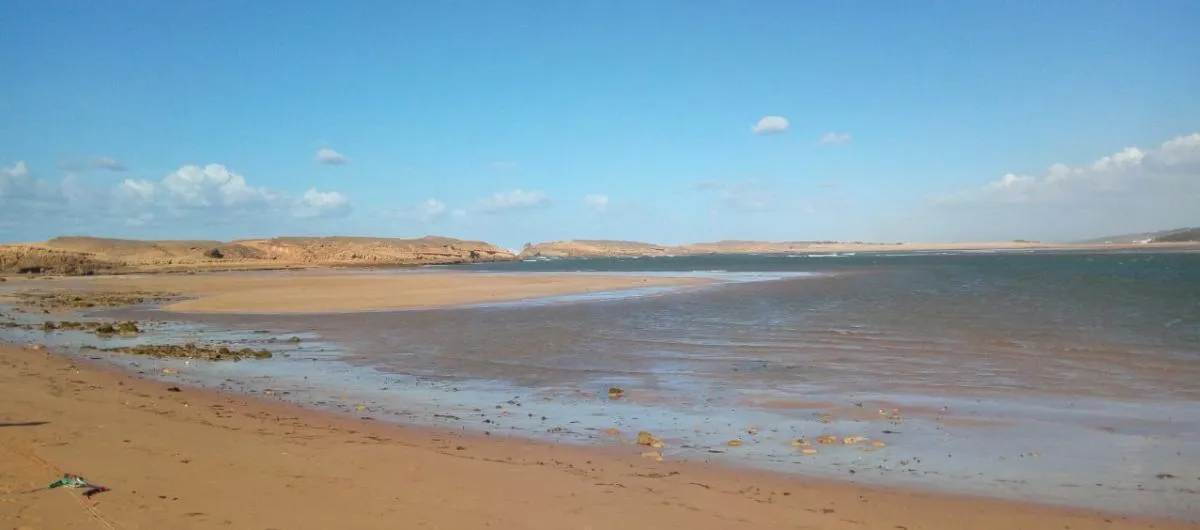
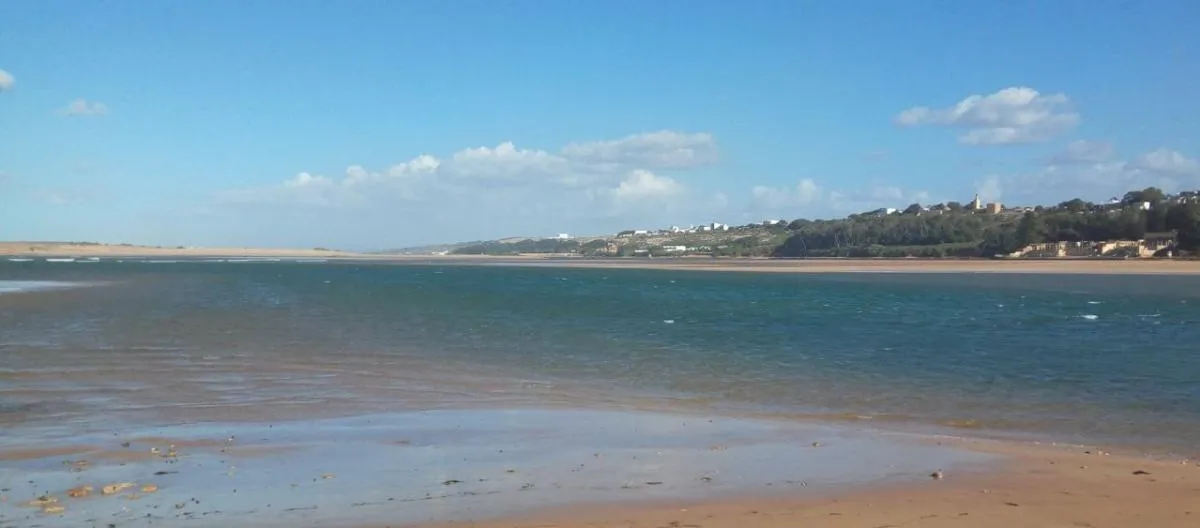
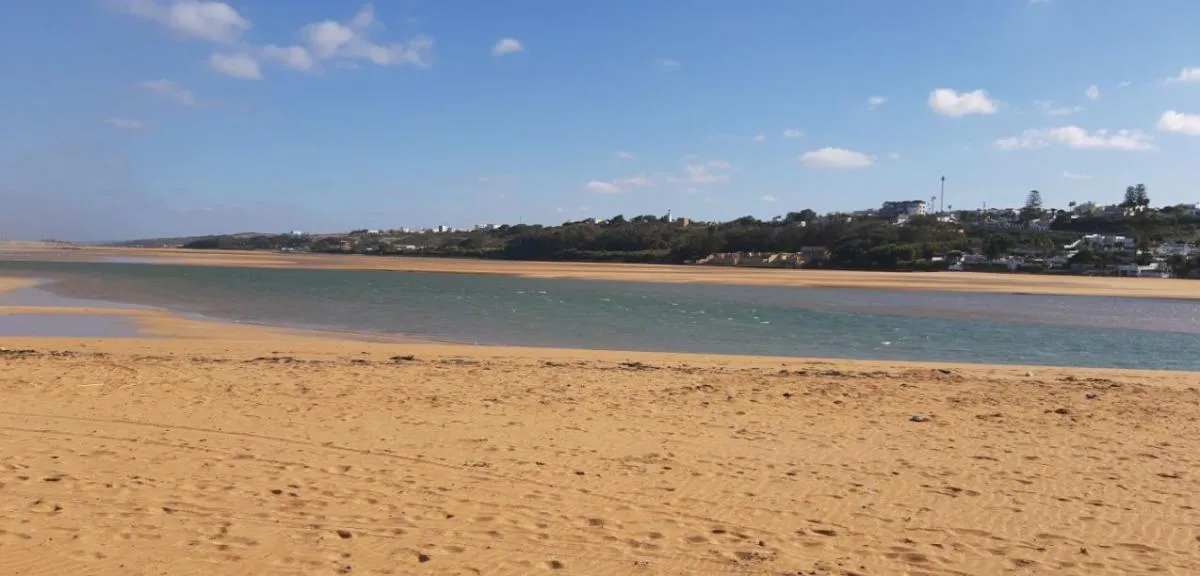
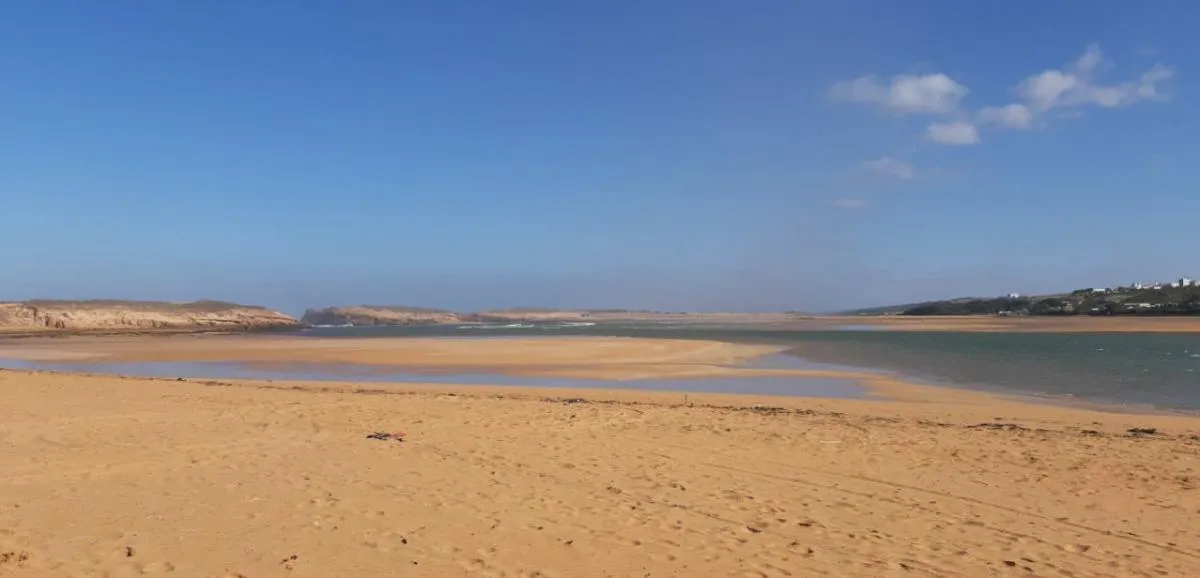
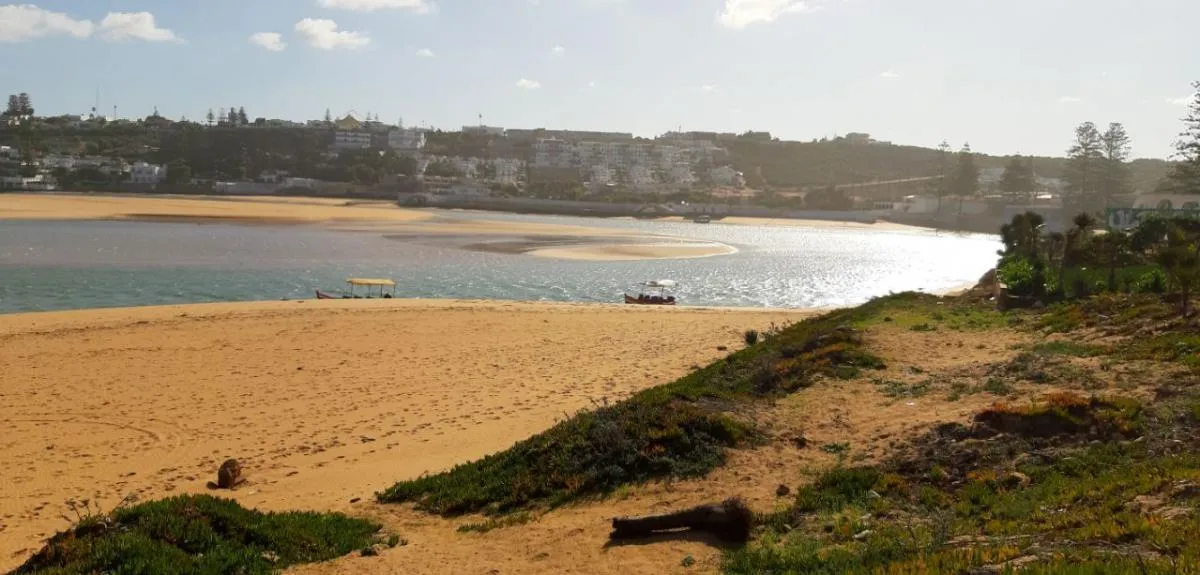
The defining feature of Oualidia is its elongated coastal lagoon, separated from the open Atlantic Ocean by a series of sandbanks and rocky formations. Seawater enters and leaves the lagoon through openings along the coastline, creating a protected environment where ocean swell is substantially reduced. During suitable wind and tidal conditions, the water can become exceptionally smooth, providing attractive opportunities for freeriding, freestyle and controlled technical manoeuvres. More exposed sections may develop light to moderate chop as the wind increases, but the lagoon generally remains much calmer than the surrounding Atlantic coastline. This contrast between sheltered water and the powerful ocean immediately beyond the sandbanks gives Oualidia a particularly distinctive character.
Wind conditions at Oualidia are influenced by the Atlantic coastal wind system and the regional weather patterns of western Morocco. Northerly and northwesterly winds are particularly relevant, often providing opportunities for kitesurfing when they align favourably with the lagoon's orientation. During suitable conditions, the wind can be relatively consistent across open sections of water, although nearby dunes, buildings and coastal terrain may create turbulence or wind shadows close to shore. Wind direction is especially important because the lagoon is relatively narrow in places, and certain angles can make it difficult to maintain safe separation from the banks. Riders should assess the wind at the actual launching location rather than relying exclusively on forecasts for the wider coastal region.
Kitesurfing opportunities occur throughout the year when suitable weather systems develop, although wind reliability varies considerably between seasons. The broader Moroccan Atlantic coast often benefits from more persistent northerly winds during spring and summer, particularly from approximately April through September. Winter can also produce rideable conditions associated with passing Atlantic weather systems, but these winds are generally less predictable and may arrive with unsettled weather or stronger ocean swell. Oualidia should therefore not be considered a guaranteed winter wind destination. Riders planning a dedicated kitesurfing trip should monitor seasonal forecasts carefully and allow flexibility, as the lagoon does not offer the same level of established wind reliability as Morocco's major kitesurfing centres.
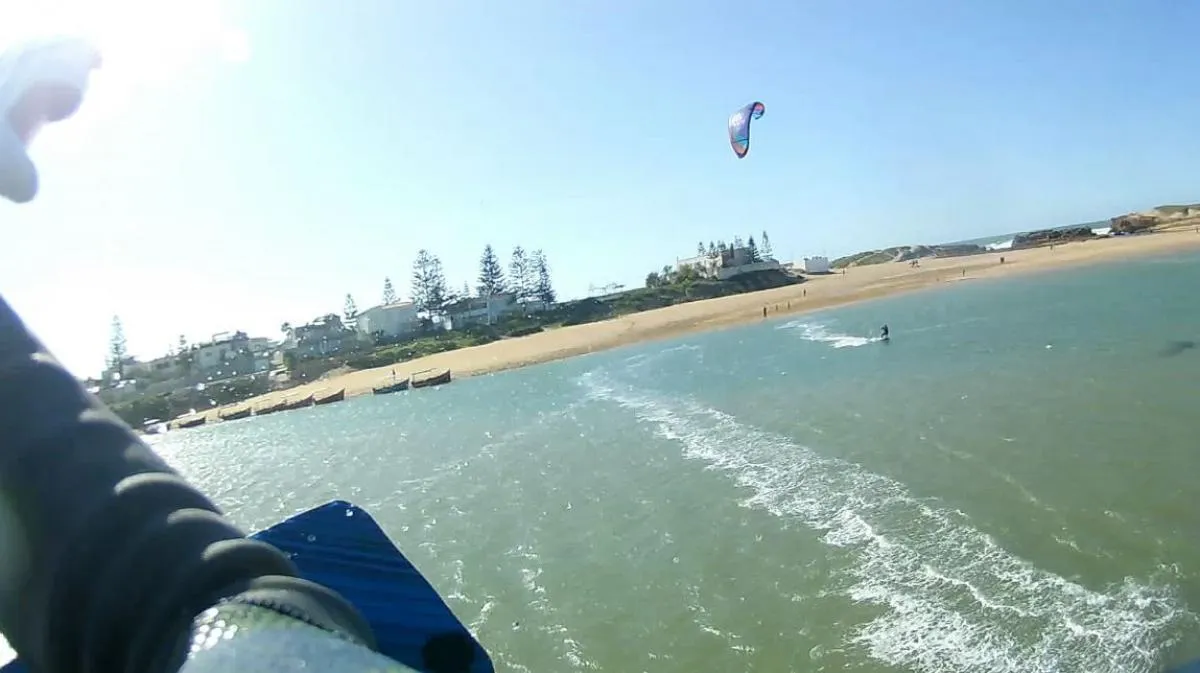
The sheltered water is Oualidia's main attraction for freestyle and freeriding. When the tide provides sufficient depth and the wind direction is favourable, the lagoon can offer smooth sections suitable for practising transitions, carving turns, controlled jumps and more technical freestyle manoeuvres. Intermediate riders can benefit from the relatively flat surface when developing board control and improving upwind technique, while experienced riders may appreciate the opportunity to practise powered tricks without dealing with ocean waves. However, the available riding area is restricted by the lagoon's shape, shallow sandbanks and other water users. Advanced wakestyle manoeuvres should only be attempted where there is adequate depth and sufficient clear space for safe approaches and landings.
Tides are the most important factor shaping kitesurfing conditions at Oualidia. The lagoon is directly connected to the Atlantic Ocean, and substantial amounts of water move through its channels during each tidal cycle. At higher tide, more of the sandy flats become submerged, generally increasing the available water area and providing additional depth for riding. As the tide falls, extensive sandbanks emerge and some sections become extremely shallow or temporarily unusable. The changing water level can transform the spot within a few hours, affecting launching space, riding routes and the ability to return safely. Riders should check local tide tables and seek advice from experienced local kiters before choosing a session window.
Tidal currents deserve particular attention, especially near the channels connecting the lagoon to the Atlantic Ocean. During strong incoming or outgoing tides, water can flow rapidly through narrower sections, making it difficult to maintain position or return upwind. The interaction between current and wind can also affect the water surface, sometimes producing unusually smooth sections and at other times creating short, steep chop. Riders should avoid the main tidal entrances unless they have a clear understanding of the conditions and sufficient experience to manage strong currents. Equipment failure near an outgoing channel can become particularly serious if a rider is carried toward the exposed Atlantic coastline.
The lagoon seabed consists mainly of sand and sediment, with shallow banks, occasional shell deposits and rocky sections near parts of the shoreline and tidal entrances. Although sandy areas can provide relatively comfortable access to the water, the seabed should not be assumed to be uniformly soft or free from obstacles. At lower tidal stages, exposed sandbanks and shallow water increase the risk of injuries during jumps or uncontrolled falls. Protective footwear may be useful in areas containing shells or rocks. Water clarity can vary with tidal movement and sediment disturbance, making underwater hazards difficult to identify. Riders should familiarise themselves with the lagoon's depth changes before attempting powered freestyle manoeuvres.
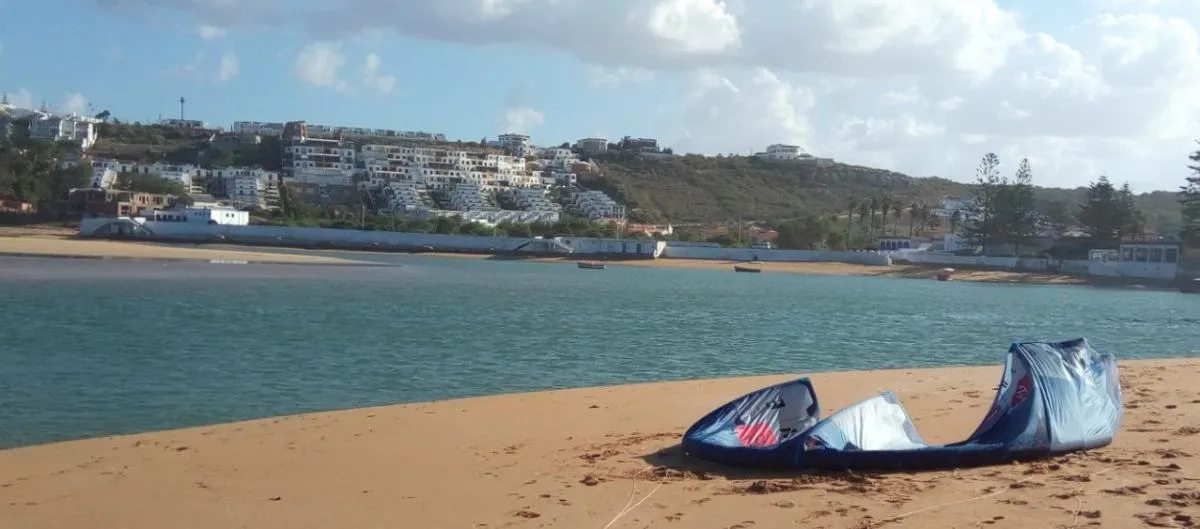
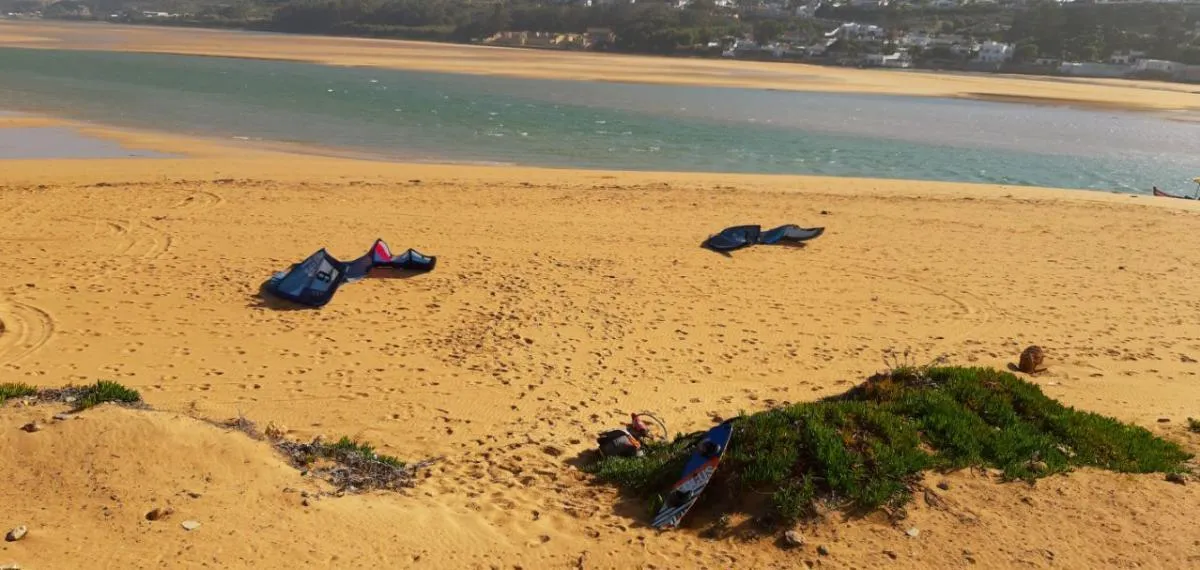
Launching and landing conditions vary considerably around Oualidia Lagoon. Some sandy sections provide relatively generous space for preparing equipment, particularly at lower tide, while other areas are restricted by water, dunes, rocky features or nearby recreational activity. The lagoon is a popular destination for swimming, kayaking, paddleboarding and small-boat excursions, meaning that suitable launching areas may become crowded during weekends and holidays. Kitesurfers should select locations with sufficient unobstructed space, maintain generous separation from other beach users and avoid launching near boats or heavily used swimming areas. Local access rules and any restrictions affecting kitesurfing should be checked before setting up equipment.
The sheltered nature of Oualidia can make the lagoon attractive to intermediate riders, but it is not automatically an ideal beginner location. Although the absence of large breaking waves simplifies certain aspects of learning, strong tidal currents, changing water depths and limited riding space can create significant challenges. Beginners should only practise under appropriate supervision and in sections where wind direction, current and water depth are suitable. More experienced riders can enjoy freeriding and freestyle sessions when conditions align, although the lagoon's relatively compact layout requires precise kite control and awareness of other water users. Riders unfamiliar with tidal lagoons should avoid entering the water without first understanding the local current patterns.
Hydrofoil kitesurfing and wing-foiling may be possible during suitable tidal stages, particularly in deeper sections of the lagoon. The relatively smooth water can provide enjoyable conditions for controlled foil progression, but extensive shallow sandbanks restrict the available routes. Foil riders must identify sufficiently deep channels and remain alert to rapidly changing water levels, especially during falling tides. The presence of other recreational craft can also limit safe manoeuvring space. Wing-foiling may offer additional flexibility in some conditions, although the same tidal restrictions and shared-use considerations apply. Neither discipline is suitable in very shallow sections where the risk of striking the seabed is high.
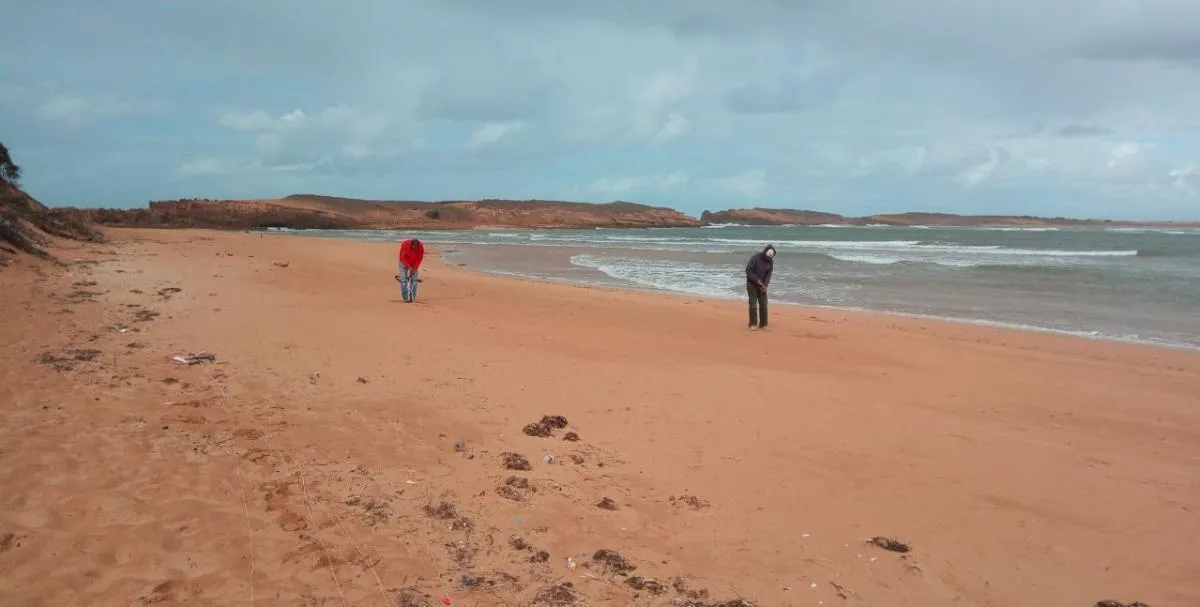
Beyond the sheltered lagoon, the Atlantic coastline around Oualidia offers a much more exposed environment, with ocean swell, breaking waves and stronger coastal currents. These conditions can be attractive to experienced wave riders when wind and swell align favourably, but the ocean side is considerably more demanding than the protected lagoon. Rocky formations, powerful shorebreak and difficult launching conditions may restrict where kitesurfing is practical or permitted. Riders should not assume that every nearby surf beach is suitable for launching a kite. Any wave session should be planned around local access, wind direction, swell size and the presence of surfers or other water users.
Oualidia remains a relatively low-key kitesurfing destination compared with Morocco's larger kite centres. This can be part of its appeal, particularly for independent riders seeking quieter water and a more relaxed atmosphere. However, dedicated kitesurfing infrastructure, equipment rental and organised rescue services may be limited or unavailable depending on the season and location. Visitors should confirm current local facilities before travelling and avoid relying on immediate assistance in remote sections of the lagoon. Reliable self-rescue skills, properly maintained equipment and a clear understanding of the tidal cycle are essential for independent sessions. The combination of wind and tidal current can make returning to shore difficult even when the water appears calm.
Water temperatures along Morocco's Atlantic coast are moderated by the cool ocean current, meaning that a wetsuit is advisable for much of the year. Summer conditions are generally more comfortable, although persistent coastal winds can create noticeable wind chill during longer sessions. Winter brings cooler air and more variable weather, making additional thermal protection useful. Riders should also account for the strength of the sun, particularly during extended periods on the water, and carry appropriate protection against dehydration and exposure. The lagoon's sheltered appearance can be misleading, as changing wind and tidal conditions may create demanding situations despite the absence of large waves.
For riders searching for kitesurfing in Oualidia, flat-water kite spots in Morocco or quieter alternatives to Dakhla and Essaouira, this beautiful Atlantic lagoon offers an appealing combination of smooth water, sandy surroundings and a distinctive tidal environment. Its greatest strengths are the possibility of enjoying relatively uncrowded freeriding and freestyle sessions, the protection from ocean swell and the natural beauty of the lagoon. However, strong tidal currents, changing water depths, variable wind reliability and limited dedicated kite infrastructure require careful preparation. For intermediate and advanced kitesurfers who understand tidal conditions and select suitable wind windows, Oualidia Lagoon can provide a rewarding and memorable flat-water experience along Morocco's Atlantic coast.
Something missing or out of date at this spot? Suggest a correction
Spot Gallery (10)
Oualidia Lagoon is best suited for
Spot profile
- Travel spotA proven kite destination with reliable conditions, worth a trip. Kiters fly in from all over the world for their kite holidays, and you will probably find schools, rentals and a lively kite scene nearby.
- Local spotNot worth a long trip, but a great option if you live nearby and the wind is on. Ideal for a quick session after work or a spare afternoon, without planning a whole trip.
Equipment
drysuit
Wind Conditions
Main wind directions
Windy days per month
Share of the days with more than 10 knots.
Wind speed range
15 - 30 knots
Calculate your kite size
Estimate for a rider of your weight at Oualidia Lagoon: kite size = weight / wind speed x 2.2, adjusted for the kite shape and aspect ratio. Board, skills and gusts change the ideal size.
Forecast on Windy.com
Kitesurfing Safety & Local Rules at Oualidia Lagoon
The main hazards at Oualidia Lagoon come from strong tidal currents, rapidly changing water depths and narrow channels connecting the lagoon to the Atlantic Ocean. During incoming and outgoing tides, currents can become powerful enough to carry riders away from their intended route, particularly near the lagoon entrances. Equipment failure or difficulty relaunching in these areas can lead to dangerous drifting toward the exposed coastline. Always check tide times and avoid the main channels unless familiar with local conditions.
Shallow sandbanks, occasional rocks and shell deposits create additional risks, especially at low tide when large sections of the lagoon become unsuitable for riding or jumping. Wind can also become turbulent near dunes, buildings and houses overlooking the lagoon. Maintain a generous distance from these structures to avoid unpredictable gusts and protect residents and bystanders from accidental kite collisions. Choose open launching areas with sufficient clearance from obstacles and other beach users.
Oualidia Lagoon is shared with swimmers, kayakers, paddleboarders and small boats, requiring constant awareness and safe separation. The exposed Atlantic side presents much more demanding conditions, including powerful waves, shorebreak and coastal currents. Dedicated kitesurfing rescue services may be limited, so independent riders should have reliable self-rescue skills and avoid venturing into remote sections without support. Check local access restrictions and assess wind, tide and water depth before every session.
How to reach Oualidia Lagoon
- Closest citySafi
- How to get therebus, car, taxi from Safi
- Accesspublic
No-Wind Days: What to Do Around Oualidia Lagoon
Beyond kitesurfing, Oualidia offers a beautiful combination of coastal relaxation, traditional Moroccan culture and natural attractions along Morocco's Atlantic coast. Located between El Jadida and Safi, approximately halfway between Casablanca and Essaouira, this peaceful seaside town is famous for its picturesque tidal lagoon, sandy beaches and fresh seafood. Unlike Morocco's larger coastal resorts, Oualidia has retained a relaxed atmosphere, making it particularly appealing for couples, families and travellers seeking a quieter holiday. The surrounding landscape combines sheltered waterways, rocky Atlantic shores, dunes and rural countryside, offering opportunities for nature exploration and scenic excursions. For a kitesurfing trip with non-kiters or a few windless days, Oualidia provides an enjoyable setting for discovering a less crowded side of coastal Morocco.
The lagoon itself is Oualidia's main attraction, offering beautiful scenery and a peaceful environment for relaxation. Protected from the open Atlantic by sandbanks and rocky formations, its sheltered sections are popular for swimming, kayaking and stand-up paddleboarding when tidal and weather conditions are suitable. Visitors can enjoy the sandy shores, admire the changing colours of the water or take a leisurely walk along the lagoon's edge. The landscape transforms throughout the tidal cycle, revealing sandbanks, shallow channels and small islands that create excellent opportunities for photography. Swimming should be limited to suitable areas away from strong tidal channels, as currents can become powerful near the lagoon's ocean entrances. The combination of calm-looking water and dramatic coastal scenery makes Oualidia particularly attractive for families and nature lovers.
One of the most enjoyable experiences in Oualidia is taking a traditional boat excursion around the lagoon. Local boat operators offer trips through the sheltered waterways, allowing visitors to admire the surrounding dunes, sandy islands and coastal scenery from a different perspective. Depending on tides and conditions, excursions may include stops near sandbanks or quiet sections of the shoreline. These trips are particularly appealing for families and non-kiting partners who want to explore the lagoon without participating in water sports. The changing light creates beautiful reflections across the water, especially during the early morning and late afternoon. Visitors should agree on the route and price before departure and choose operators who provide appropriate safety equipment.
Oualidia is particularly famous for its oysters and seafood, making local gastronomy one of the highlights of a visit. The lagoon supports oyster cultivation, and several restaurants specialise in freshly prepared oysters, grilled fish, prawns and other seafood dishes. Visitors can enjoy a relaxed lunch overlooking the water, sampling local specialities while watching fishing boats and small craft moving through the lagoon. Traditional Moroccan dishes, including tagines, salads and freshly baked bread, are also widely available. The combination of fresh Atlantic seafood and peaceful coastal surroundings gives Oualidia a distinctive culinary identity. For food lovers, enjoying oysters beside the lagoon is one of the most memorable experiences the town has to offer.
For nature enthusiasts, Oualidia Lagoon is an important habitat for coastal and migratory birds. Its wetlands, mudflats and shallow waters attract a variety of species, including flamingos, herons, egrets and other shorebirds at different times of the year. Birdwatching is particularly rewarding during migration periods, when the lagoon forms part of the wider Atlantic coastal route used by numerous species. Visitors can observe wildlife from suitable shoreline viewpoints or explore quieter sections of the lagoon with a knowledgeable local guide. Binoculars are useful for viewing birds without disturbing their feeding or resting areas. The surrounding wetlands are environmentally sensitive, so visitors should avoid approaching nesting sites or walking across protected habitats.
Beyond the sheltered lagoon, Oualidia's Atlantic coastline offers spectacular scenery, with rugged rocky formations, sandy beaches and powerful ocean waves. Visitors can explore coastal viewpoints, enjoy photography or take long walks along suitable sections of the shore. The contrast between the tranquil lagoon and the exposed Atlantic is one of the area's most distinctive natural features. During periods of larger swell, waves crash against the rocky coastline, creating dramatic views that are particularly impressive from safe elevated viewpoints. Swimming in exposed areas requires considerable caution because of strong currents, rocky seabeds and powerful surf. For those who prefer to remain on land, the coastline provides beautiful opportunities for peaceful walks and watching the ocean.
Oualidia is also an excellent place to experience the slower rhythm of a traditional Moroccan coastal town. Visitors can explore local streets, discover small shops and markets or enjoy Moroccan mint tea at a café overlooking the lagoon. The town has a relaxed atmosphere compared with the busier tourist centres of Marrakech, Casablanca and Essaouira, making it particularly attractive for travellers seeking tranquillity. Local markets provide opportunities to discover seasonal produce and everyday Moroccan products, while small restaurants offer traditional home-style cooking. Accommodation ranges from simple guesthouses and apartments to boutique hotels and more comfortable lagoon-side properties, allowing visitors to choose between a budget-friendly stay and a more luxurious coastal retreat.
For travellers interested in exploring the surrounding region, Safi is an interesting day-trip destination south of Oualidia. This historic Atlantic port city is known for its traditional pottery, maritime heritage and old medina. Visitors can discover workshops producing colourful Moroccan ceramics, explore historic streets and admire views across the Atlantic Ocean. Safi's pottery tradition is particularly distinctive, with artisans creating decorative plates, bowls and tiles using techniques passed down through generations. The city also offers traditional markets, seafood restaurants and historic fortifications that reflect its long commercial history. A visit to Safi provides an enjoyable cultural contrast to Oualidia's peaceful lagoon environment.
Another rewarding excursion is El Jadida, located north of Oualidia along Morocco's Atlantic coast. The city is particularly famous for its Portuguese-built fortified quarter, known as the Portuguese City of Mazagan, which is recognised as a UNESCO World Heritage Site. Visitors can explore historic ramparts, narrow streets and architectural remains reflecting the city's maritime history. The fortified quarter offers beautiful views towards the Atlantic, while the surrounding city features markets, cafés and traditional Moroccan urban life. El Jadida is an excellent destination for travellers interested in history, architecture and cultural sightseeing. Further information about the protected historic site is available through the UNESCO World Heritage Centre.
For visitors seeking a more relaxed holiday, Oualidia's lagoon-side accommodation provides an attractive setting for unwinding. Many guesthouses and hotels offer terraces, gardens or dining areas overlooking the water, creating opportunities to enjoy the coastal scenery without travelling far. Depending on the property, visitors may find swimming pools, spa treatments or other wellness facilities. Watching the sunset over the lagoon, enjoying a traditional Moroccan meal or simply relaxing with a book can be particularly enjoyable after several days of outdoor activities. The town's peaceful atmosphere makes it well suited to couples and travellers looking for a quiet escape from Morocco's busier destinations.
For anyone planning a kitesurfing holiday in Oualidia and wondering what else there is to do, the lagoon and surrounding Atlantic coastline offer a rewarding combination of natural beauty, gastronomy and cultural exploration. A no-wind day can include a boat trip through the lagoon, birdwatching along the wetlands, enjoying freshly harvested oysters or exploring the dramatic ocean shoreline. Families and non-kiting partners can relax on the sandy beaches, discover local restaurants or enjoy the peaceful atmosphere of the town, while travellers interested in history can visit Safi and El Jadida. Although Oualidia has fewer organised tourist attractions than Morocco's major resort destinations, its unspoiled coastal scenery, distinctive seafood culture and relaxed pace make it an appealing place to combine kitesurfing with an authentic Moroccan seaside holiday.
Other kitesurfing spots near Oualidia Lagoon

All kitesurfing spots in Morocco
Last updated: