
Kitesurfing in Tofo Beach
Inhambane · Mozambique
- Spot type Wave
- Rider level intermediate
- Water Dark - Clear
- Beach Sand
- Crowd Seasonal crowd
- Tide effect Conditions vary
Kitesurfing in Tofo Beach: Conditions, Wind & Season
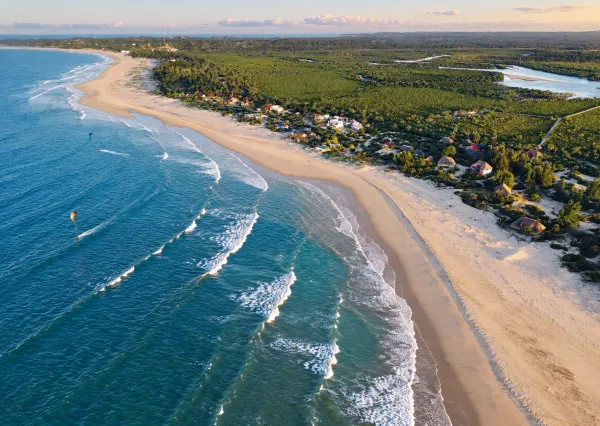
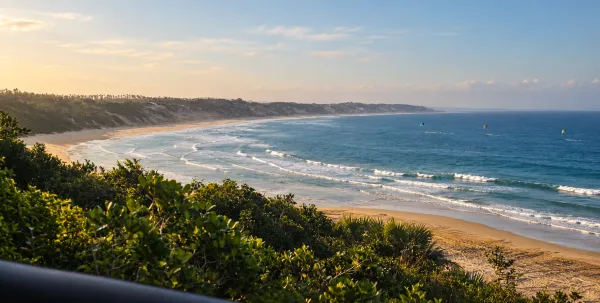
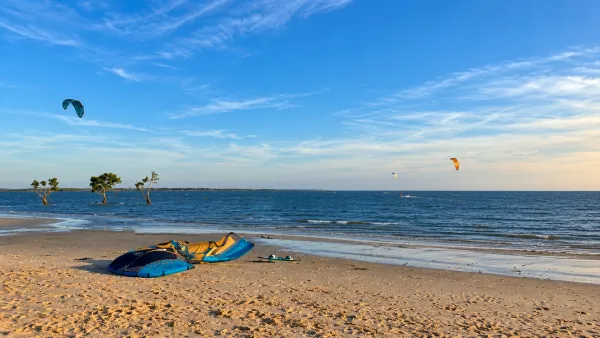
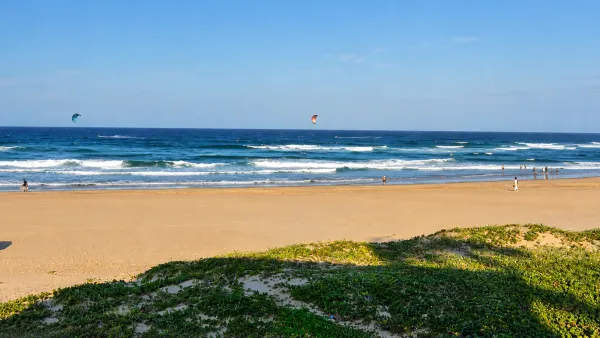
Tofo Beach is one of Mozambique's best-known coastal destinations, located near Inhambane on the country's southeastern Indian Ocean coastline. This long, sandy beach offers an exposed ocean kitesurfing environment characterised by rolling waves, wind-driven chop and an active beach break. Unlike Mozambique's sheltered lagoons and flat-water bays, Tofo is primarily suited to riders who enjoy wave riding and energetic freeride sessions. Its broad shoreline, warm tropical waters and predominantly sandy seabed make it an appealing option for intermediate and advanced kitesurfers looking for genuine ocean conditions.
The main kitesurfing season generally extends from May through October, with August and September often providing some of the most favourable wind opportunities. The prevailing winds are predominantly southeasterly, frequently producing side-onshore conditions along suitable sections of the beach. During rideable periods, wind speeds typically range from approximately 15 to 25 knots, although actual strength and consistency vary with local weather patterns. Stronger winds can provide powered sessions with smaller kites, while lighter days may be suitable for cruising when the swell is manageable. Outside the main season, suitable wind conditions become less predictable, making careful trip timing important for visitors planning a dedicated kitesurfing holiday.
Water conditions at Tofo Beach are dominated by Indian Ocean swell, producing small to medium waves during typical sessions and larger surf when stronger groundswell reaches the coast. The beach break creates rolling wave faces, broken water and occasional powerful shorebreak, particularly when wind and swell align. Experienced wave riders can enjoy directional surfing and carving along the wave faces, while confident intermediate kitesurfers may prefer freeriding and controlled jumping between the breaking sections. Stronger winds can generate substantial chop, making the water increasingly demanding for technical freestyle. Tofo is not a flat-water destination, and riders should expect constantly moving water rather than sheltered, smooth conditions.
The beach is extensive and predominantly sandy, generally providing convenient space for preparing equipment, launching and landing. The sandy seabed is relatively forgiving compared with reef-based wave spots, although isolated rocks or harder sections may become exposed at certain tidal stages. Tides influence the width of the beach, the position of breaking waves and the intensity of the shorebreak. Lower tides may create more space for launching but can expose shallow areas, while higher tides may bring stronger wave action closer to shore. The spot is not strictly limited to one tidal stage, although conditions can become considerably more challenging when larger swell coincides with an unfavourable tide.
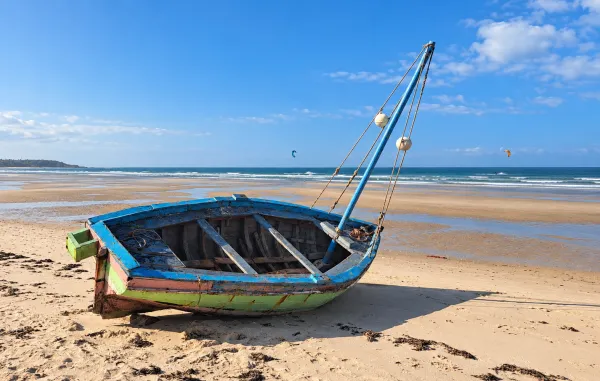
Access to Tofo Beach is straightforward from the village, with several routes leading directly to the sandy waterfront. The broad shoreline offers opportunities to select launching areas away from the busiest sections, although beach activity can increase during weekends and holiday periods. Tofo is also an important centre for diving, surfing and local fishing, with boats frequently launching and returning through designated areas. Kitesurfers should maintain generous clearance from dive boats, swimmers, surfers and fishing activities, particularly around the central beachfront. Dedicated kitesurfing facilities are more limited than at major international kite destinations, so independent riders should be prepared to manage their equipment and sessions without relying on immediate technical or rescue support.
Tofo Beach is best suited to intermediate and advanced kitesurfers comfortable with ocean swell, shorebreak and changing wave conditions. Confident intermediate riders can enjoy freeriding and small-wave sessions during moderate conditions, while experienced riders may appreciate larger swell and stronger winds for dedicated wave riding. Beginners are better suited to sheltered teaching locations, as the exposed beach break makes independent learning more difficult. A freeride or wave kite in the 7–12 m² range can cover many typical conditions, depending on rider weight and wind strength. Twin-tip boards work well for general freeriding and jumping, while directional surfboards are preferable for wave-focused sessions. The warm water usually allows riding in boardshorts and a rash vest, with a shorty or lightweight wetsuit useful during cooler or windier periods.
The main hazards include powerful shorebreak, changing swell, nearshore currents and the presence of other ocean users. Larger wave sets can make launching, water entry and returning to shore technically demanding, particularly when the wind strengthens or changes direction. Riders should remain alert to submerged obstacles, especially at lower tides, and avoid the busy dive-boat launching areas. Wind direction and local currents should be assessed carefully before each session, as offshore drift or difficult returns can become serious problems in exposed ocean conditions. Less experienced riders should avoid launching during heavy surf without appropriate local guidance.
Tofo Beach offers an appealing combination of seasonal southeasterly winds, warm Indian Ocean water and lively wave-riding conditions along Mozambique's Inhambane coastline. Its greatest attraction is the opportunity to enjoy authentic ocean kitesurfing, with rolling waves, open-water freeriding and spacious sandy beaches. Although its exposed setting requires confidence and experience, Tofo rewards intermediate and advanced riders seeking a more dynamic alternative to Mozambique's sheltered flat-water destinations.
Something missing or out of date at this spot? Suggest a correction
Tofo Beach is best suited for
Spot profile
Travel spot
The typical kite travel destination, it is known for its great conditions, and kiters from around the world come here for their vacations.
Local spot
Maybe not be worth a real journey to reach this spot, but great if you live close by and it is a windy day. In the end, being out on the water feels great anywhere
Equipment
The best setup for Tofo Beach wave sessions is a directional board for wave riding, though a twin-tip works for general freeride and choppy days. Kite sizes in the 7 to 10 meter range are ideal during peak dry-season wind, with a larger kite on lighter or early/late season days. Water is warm enough for boardshorts or a shorty wetsuit most of the year; a light full suit can be useful on cooler days or for longer sessions, but many riders skip wetsuits during the warm season. Booties are not usually essential because the main access is sand, but some form of reef or rock protection is recommended if venturing near exposed rocks or unfamiliar break sections.
Wind Conditions
Main wind directions at Tofo Beach
Windy days per month in Tofo Beach
Wind Speed Range
From 15 to 25 Knots
Suggested sizes
8 - 9 mt
10 - 11 mt
12 - 13 mt
Forecast on Windy.com
Kitesurfing Safety & Local Rules at Tofo Beach
The main hazards at Tofo Beach, on Mozambique's Indian Ocean coast, are powerful ocean swell, heavy shorebreak and changing coastal currents. Large waves can make water starts, kite relaunching and returning to shore particularly challenging, especially when breaking sets arrive close to the beach. Tidal changes may narrow the available launching area and generate stronger currents or rip channels, potentially carrying riders toward adjacent headlands. Although the seabed is predominantly sandy, occasional rocks or harder sections may become exposed at very low tide. Check surf and tide conditions carefully before launching and avoid riding when wave size exceeds your abilities.
Wind direction is another important safety consideration, particularly when conditions become gusty or shift offshore. Inconsistent winds can complicate launching and landing, while offshore breezes increase the risk of being carried away from the beach following equipment failure. The exposed coastline also allows weather and sea conditions to deteriorate quickly, with increasing swell or rising tides making safe exits more difficult. Maintain sufficient distance from headlands, monitor changing wind conditions and avoid venturing too far offshore. Limited emergency and rescue facilities make reliable equipment and confident self-rescue skills especially important.
Tofo Beach is a busy recreational destination shared with swimmers, surfers, dive operators and fishing boats. Active dive-boat launching corridors must be kept clear, as vessels may enter or leave the water through the surf with limited manoeuvrability. Maintain generous clearance from surf schools, swimming areas and established surfing lineups, particularly during busy periods. Choose a spacious launching location away from boat operations and beachgoers, and secure equipment well above the reach of incoming waves. Respect local guidance and avoid launching when heavy surf, marine traffic or crowded conditions leave insufficient safety margins.
Location
Closest City
Inhambane
How to get There
Fly to Inhambane Airport, then drive about 30 minutes to Tofo Beach. Another option is to fly into Maputo and continue by domestic flight, or travel overland by road from Maputo via the EN1 highway, which can take around 7 to 8 hours depending on road conditions.
Access
The beach is publicly accessible. Access is typically straightforward from the town side, without any special permit or paid kiting access mentioned in the available information. Normal beach use applies, and the main practical constraint is respecting other ocean activities, especially boat movements and the general beach traffic during busier periods.
No-Wind Days: What to Do Around Tofo Beach
Located on Mozambique's beautiful Inhambane coastline, Tofo Beach is one of the country's most popular destinations for ocean lovers, independent travellers and families seeking a relaxed tropical holiday. Known for its golden beaches, welcoming atmosphere and extraordinary marine wildlife, Tofo combines the simplicity of a traditional coastal village with a lively international diving and surfing community. Its beachfront restaurants, small markets and varied accommodation make it particularly attractive for non-kiting partners and visitors planning longer stays. During no-wind days, there are plenty of opportunities to explore the ocean, discover local culture or simply enjoy the slow rhythm of life beside the Indian Ocean.
Tofo Beach itself is the centre of local life, with a wide sandy bay surrounded by coconut palms, dunes and small beachfront establishments. Visitors can enjoy long walks along the shoreline, sunbathing, photography or relaxing at one of the cafés overlooking the ocean. The beach is particularly beautiful during sunrise, when fishing boats begin their daily activities and the first light illuminates the coastline. Swimming is possible when conditions are suitable, although waves, shorebreak and currents can become strong, particularly during periods of larger swell. Families should choose calmer sections carefully and follow local advice before entering the water.
Tofo's greatest attraction is undoubtedly its exceptional marine wildlife. The surrounding waters are internationally recognised for encounters with whale sharks, manta rays, dolphins and sea turtles. Local dive centres organise scuba diving excursions to offshore reefs, where visitors can discover colourful fish, coral formations and larger marine species. Guided ocean safaris offer opportunities to observe wildlife from boats and, when appropriate and permitted, snorkel in suitable conditions. Whale sharks and manta rays may be encountered throughout the year, although sightings are unpredictable, while humpback whales migrate through the region during the austral winter. Choosing responsible operators is important for protecting these remarkable animals and their habitats.
For visitors interested in surfing, Tofo and the neighbouring coastline offer several beach breaks suitable for different experience levels, depending on swell and tide conditions. Surf lessons and equipment rental may be available through local operators, making surfing an alternative activity when conditions are appropriate. Snorkelling, recreational fishing and organised boat excursions provide additional ways to enjoy the ocean. Visitors who prefer quieter activities can explore the beach on foot, watch local fishermen or spend an afternoon relaxing with a book beneath the palms. The area's natural beauty makes even an unplanned rest day enjoyable.
A short drive north, Praia da Barra offers another beautiful stretch of coastline with a more peaceful atmosphere. Its long sandy beaches, coastal vegetation and beachfront lodges provide an attractive setting for walking, swimming during calm conditions and enjoying fresh seafood beside the ocean. The surrounding peninsula features coconut plantations, small villages and scenic sandy tracks that are interesting to explore by car or with a local guide. Travellers can also discover quieter beaches along the Inhambane coast, although some access roads require a suitable vehicle, particularly after heavy rain.
The historic town of Inhambane, approximately 25–35 minutes from Tofo by car, makes an excellent cultural excursion. One of Mozambique's oldest coastal settlements, Inhambane features colonial-era architecture, traditional markets and a picturesque waterfront overlooking the bay. Visitors can explore the central market, browse local handicrafts and discover everyday Mozambican life away from the beach resorts. The town also offers supermarkets, banking facilities and additional restaurants, making it a practical stop for supplies during longer holidays. Its blend of African and Portuguese influences provides an interesting perspective on the region's history and culture.
Food is an important part of the Tofo experience, with small restaurants and beachfront cafés serving fresh fish, prawns, calamari and traditional Mozambican dishes. Local cuisine combines African, Portuguese and Indian Ocean influences, often featuring coconut milk, rice, cassava and aromatic spices. The village also has casual cafés, tropical fruit stalls and small grocery shops, making daily life relatively convenient. In the evenings, visitors gather at beachfront bars for sunset drinks, informal dinners and occasional live music. The nightlife is friendly and relaxed rather than heavily commercialised, although the atmosphere can become livelier during weekends and holiday periods.
Accommodation in Tofo ranges from budget backpacker hostels and simple beach bungalows to comfortable guesthouses, self-catering apartments and boutique beachfront lodges. Many properties are located within walking distance of the beach, restaurants and dive centres, making a car unnecessary for everyday activities. Families and groups may prefer self-catering accommodation, while solo travellers often enjoy the social atmosphere of smaller lodges and hostels. Tofo is reached by road from Inhambane, with the journey generally taking around 25–35 minutes. Inhambane Airport provides the nearest air access, although flight schedules and connections should be checked in advance. Transfers and local taxis can be arranged, while a rental vehicle is useful for exploring neighbouring beaches and the wider peninsula.
With its remarkable marine wildlife, beautiful beaches and relaxed village atmosphere, Tofo offers plenty to enjoy beyond kitesurfing. Whether diving with manta rays, joining an ocean safari, exploring historic Inhambane or enjoying fresh seafood overlooking the Indian Ocean, visitors will find an appealing combination of adventure, culture and tropical relaxation. Its welcoming community and variety of activities make Tofo Beach an excellent destination for a family kitesurfing holiday or a longer trip with non-kiting partners who want to experience the natural beauty of Mozambique's coastline.
Other kitesurfing spots near Tofo Beach
All kitesurfing spots in Mozambique
Last updated: