
Kitesurfing in Praia da Barra
Inhambane · Mozambique
- Spot type Wave
- Rider level intermediate
- Water Dark - Clear
- Beach Sand
- Crowd Seasonal crowd
- Tide effect None
Kitesurfing in Praia da Barra: Conditions, Wind & Season
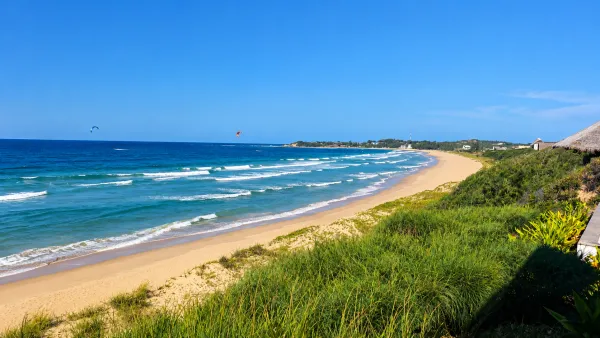
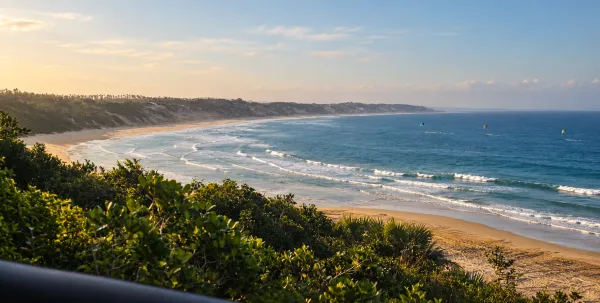
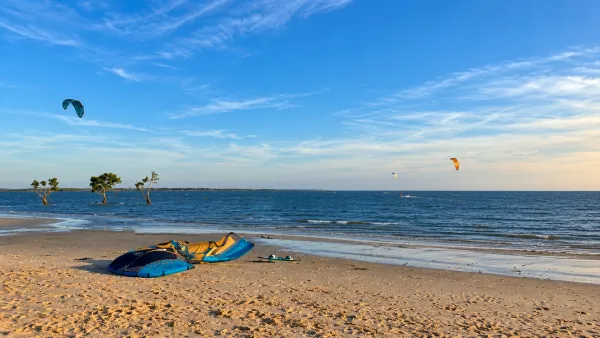
Praia da Barra is a scenic kitesurfing destination on Mozambique's southeastern coast, located on the Barra Peninsula near Inhambane, approximately 25 kilometres from the town centre. Positioned between the Indian Ocean and the Inhambane estuary, the spot offers an interesting combination of open-ocean waves, wind-driven chop and relatively sheltered sections near the coastal sandbanks. Unlike Mozambique's dedicated flat-water lagoons, Praia da Barra is primarily an ocean kitesurfing location, attracting riders who enjoy freeriding, small-wave sessions and varied water conditions. Its extensive sandy shoreline and relatively uncrowded setting provide plenty of space to enjoy the region's warm tropical waters.
The most favourable kitesurfing conditions generally occur between April and December, with October through December often providing particularly good wind opportunities. The prevailing winds are typically northeasterly and east-northeasterly, although easterly and southeasterly flows can also produce suitable sessions depending on local conditions. Wind speeds commonly range from approximately 12 to 20 knots during rideable periods, making Praia da Barra more suitable for comfortable freeriding than consistently powered big-air sessions. Wind reliability varies throughout the year, and stronger weather systems can occasionally produce more demanding conditions. Checking daily forecasts remains important, especially when planning around changing wind directions and ocean swell.
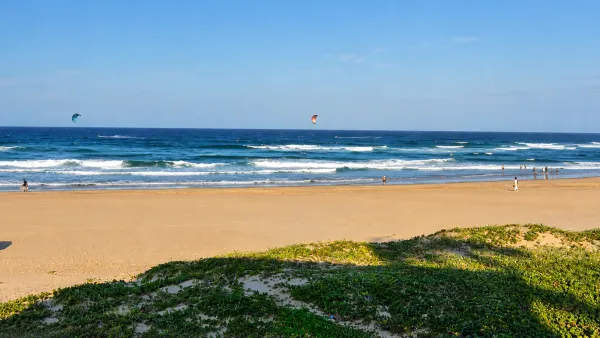
Water conditions are influenced by the interaction between the Indian Ocean swell, coastal sandbanks and the nearby estuary. The main ocean-facing beach generally offers moderate chop and small to medium waves, with more energetic surf developing when swell increases. Shallower sections around the sandbanks can provide comparatively smoother water, although Praia da Barra should not be considered a consistently flat-water destination. Intermediate riders can enjoy freeriding and practising transitions between the waves, while more experienced kitesurfers may appreciate the opportunity to use a directional board for wave-oriented sessions. The combination of different water surfaces makes the spot particularly appealing to riders who enjoy variety rather than a single specialised discipline.
The beach itself is broad and predominantly sandy, providing convenient areas for preparing equipment and launching kites. Access is generally straightforward from the Barra Peninsula's coastal roads, with a relatively short walk from nearby parking areas to the shoreline. Launching normally takes place on the ocean-facing beach, where riders should assess the shorebreak and wind angle before entering the water. Tides influence the available beach width, shallow sandbanks and nearshore currents, while changing swell can alter the difficulty of water entry. Although the sandy seabed is relatively forgiving, riders should remain alert to shifting channels and submerged obstacles, particularly around the peninsula's tidal areas.
Praia da Barra is best suited to intermediate and advanced kitesurfers who are comfortable with open-ocean conditions and moderate waves. Confident intermediate riders can enjoy freeriding and small-wave cruising during manageable swell, while experienced riders may find more challenging wave sessions when the ocean becomes energetic. Beginners should seek professional instruction and carefully selected conditions rather than attempting independent sessions in the shorebreak. A versatile twin-tip board is suitable for general freeriding, while a directional surfboard is preferable for riders focusing on waves. Hydrofoiling may be possible in deeper, calmer sections, provided sufficient water depth and clearance from other users are available.
The main safety considerations include shorebreak, tidal currents, shifting sandbanks and changing ocean swell. Stronger winds can generate increasingly choppy conditions, while larger waves may make launching, riding and returning to shore more demanding. Riders should be particularly cautious near tidal channels and the estuary entrance, where currents may become stronger. Water temperatures remain warm for much of the year, making boardshorts or a lightweight wetsuit suitable during warmer periods, although a shorty or thin full wetsuit can provide additional comfort during cooler months. As a relatively undeveloped riding location, visitors should not assume that professional rescue services or equipment assistance are immediately available.
Praia da Barra offers an appealing combination of tropical ocean kitesurfing, spacious sandy beaches and varied riding conditions along Mozambique's Inhambane coastline. Its greatest attraction is the opportunity to enjoy relaxed freeriding while taking advantage of small waves and occasional smoother sections around the sandbanks. Although wind reliability and sea conditions vary with the season, the spot rewards intermediate and experienced riders looking for warm-water kitesurfing in a scenic, relatively uncrowded environment.
Something missing or out of date at this spot? Suggest a correction
Praia da Barra is best suited for
Spot profile
Travel spot
The typical kite travel destination, it is known for its great conditions, and kiters from around the world come here for their vacations.
Adventure spot
That dream place out of the normal touristic routes. Once you reach it, you feel in paradise, it can be anything extraordinary, a hidden gem, remote and fascinating.
Equipment
Most riders use freeride twin tips for the variable conditions at Praia da Barra, switching to wave boards or directionals if focusing on riding the outer sandbar and ocean side waves. Kites in the 10 to 14 meter range are most useful, with larger kites ideal for lighter days and smaller sizes filling in during periods of solid trade wind. During the warm months, boardshorts and a rashguard are usually all that is needed, with a shorty wetsuit adding comfort in cooler spells. Booties are rarely necessary due to the clean sandy bottom and minimal debris, though they may be worn if specific shoreline hazards appear after storms or high tides.
Wind Conditions
Main wind directions at Praia da Barra
Windy days per month in Praia da Barra
Wind Speed Range
From 12 to 20 Knots
Suggested sizes
8 - 9 mt
10 - 11 mt
12 - 13 mt
14 mt and above
Forecast on Windy.com
Kitesurfing Safety & Local Rules at Praia da Barra
The main hazards at Praia da Barra are the exposed ocean conditions, changing swell and occasional strong shorebreak. Northeasterly, east-northeasterly and easterly winds can generate increasingly challenging waves and chop, particularly around offshore sandbanks. Tidal currents may also become stronger during spring tides or periods of powerful swell, making board control and returning to shore more demanding. Although the predominantly sandy seabed reduces the risk of contact with rocks or reefs, shifting sandbanks and occasional debris require attention, especially following storms.
Launching and landing can become challenging when shorebreak, strong winds or currents coincide. Sudden changes in wave conditions may complicate kite relaunching and water starts, particularly for less experienced riders. The open coastline offers limited protection from deteriorating weather, making it important to monitor wind, swell and tide forecasts before entering the water. Jellyfish may occasionally be present, so checking recent local conditions is advisable. Riders should maintain sufficient distance from the shoreline and avoid launching when waves or currents exceed their abilities.
Praia da Barra is a public beach shared with swimmers, recreational boats and other visitors, particularly during the busy holiday season. Crowded launching areas increase the risk of collisions and tangled kite lines, while boat activity requires additional awareness on the water. Keep equipment organised, maintain generous clearance from other beach users and avoid designated swimming or boat access areas. Check posted signs and any local club or beach management restrictions before launching, and choose quieter sections of the beach whenever possible.
Location
Closest City
Inhambane
How to get There
The spot is reached by road from Inhambane. The commonly described approach is to drive east toward Praia do Tofo, then continue north toward Praia da Barra. The area is around half an hour from Inhambane by car, and access is generally straightforward by vehicle with a short walk to the beach. For air travel, the usual gateway is Inhambane, then continue by road to the peninsula.
Access
Praia da Barra is publicly accessible by road and is usually reached by driving from Inhambane toward Praia do Tofo and then north along the peninsula. Access is generally simple, with no clear indication of a formal entrance fee for the beach itself in the gathered sources. The spot is not described as having a private access system, but local conditions or permissions may apply depending on beach use and kite activity arrangements.
No-Wind Days: What to Do Around Praia da Barra
Located on Mozambique's beautiful Inhambane coastline, Praia da Barra combines tropical beaches, warm Indian Ocean waters and a relaxed atmosphere that makes it particularly attractive for longer holidays. Surrounded by coconut palms, sandy bays and small coastal communities, Barra offers a peaceful alternative to more developed beach resorts. Its proximity to Tofo and the historic town of Inhambane provides plenty of opportunities for sightseeing, dining and outdoor activities, making it an excellent destination for families, couples and non-kiting partners. During no-wind days, visitors can enjoy diving, snorkelling, ocean safaris or simply relaxing on the beach.
Praia da Barra itself is one of the area's main attractions, offering a long stretch of golden sand backed by tropical vegetation and scattered beachfront lodges. The beach is ideal for leisurely walks, photography, sunbathing and enjoying the peaceful coastal scenery. Swimming can be pleasant when conditions are suitable, although visitors should remain aware of shorebreak, currents and changing tides. The surrounding sand dunes and coconut groves create a beautiful natural setting, particularly during sunrise and sunset. Beachfront cafés and restaurants provide convenient places to enjoy fresh seafood, cold drinks and relaxed meals overlooking the Indian Ocean.
One of the region's greatest attractions is its exceptional marine life. The waters around Tofo and Barra are internationally known for encounters with whale sharks, manta rays, dolphins and migrating humpback whales. Local dive centres organise scuba diving excursions, snorkelling trips and guided ocean safaris, offering opportunities to explore reefs and observe marine wildlife in its natural environment. Whale sharks and manta rays may be encountered throughout the year, although sightings are never guaranteed, while humpback whales are generally present during the austral winter migration season. Responsible operators maintain appropriate distances from wildlife and follow marine conservation guidelines.
Nearby Tofo Beach is another highlight and one of Mozambique's best-known coastal destinations. Located a short drive south of Barra, Tofo offers a lively yet relaxed atmosphere with beachfront cafés, restaurants, small shops and diving centres. Visitors can enjoy swimming, surfing, snorkelling or simply relaxing on the wide sandy beach. The village is particularly popular with independent travellers and ocean enthusiasts, creating a friendly international atmosphere without the scale of a major tourist resort. Its local markets and casual restaurants are excellent places to discover Mozambican cuisine and fresh seafood.
The historic town of Inhambane provides an interesting cultural excursion approximately 25–35 minutes from Barra by car. One of Mozambique's oldest coastal settlements, Inhambane features colonial-era architecture, traditional markets and a picturesque waterfront overlooking Inhambane Bay. Visitors can explore the central market, browse local handicrafts and experience everyday life in a coastal Mozambican town. The city's streets and waterfront offer a different perspective on the region, away from the beach resorts. Local restaurants serve traditional dishes influenced by African, Portuguese and Indian culinary traditions, often featuring fresh fish, prawns, coconut and spices.
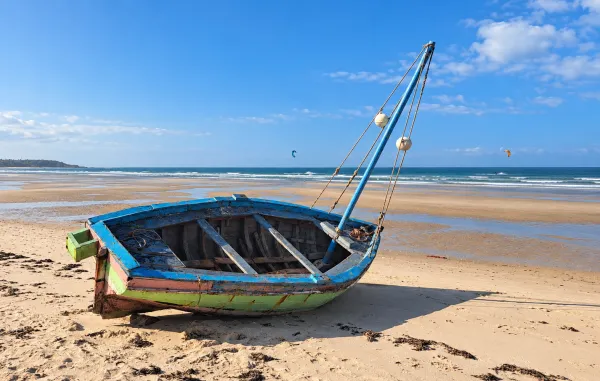
For nature lovers, the wider Inhambane Peninsula offers opportunities to explore coastal lagoons, mangrove environments, palm-lined villages and quiet beaches. Guided excursions can introduce visitors to local fishing communities, traditional sailing boats and the region's coastal ecosystems. Boat trips around Inhambane Bay may provide opportunities for birdwatching and discovering the area's tidal landscapes, depending on local conditions and operator availability. The surrounding countryside is also attractive for photography and relaxed exploration, with sandy tracks winding through coconut plantations and small settlements.
Food and dining are an important part of the Praia da Barra experience. Beachfront restaurants and lodges commonly serve grilled fish, prawns, calamari and traditional Mozambican dishes, often accompanied by rice, coconut-based sauces or locally grown vegetables. The atmosphere is informal, with sunset drinks and relaxed dinners forming part of the daily rhythm. Tofo offers additional cafés, bars and casual restaurants, while Inhambane provides local markets and more traditional dining experiences. Nightlife is generally low-key in Barra, making it particularly suitable for visitors seeking peaceful evenings rather than busy entertainment districts.
Accommodation around Praia da Barra ranges from budget-friendly hostels and self-catering chalets to beachfront guesthouses, family-oriented lodges and comfortable boutique properties. Many are surrounded by tropical gardens or located within walking distance of the beach. Tofo provides a broader selection of backpacker accommodation and social beachfront establishments, while Barra is generally quieter and more suitable for relaxed family holidays. Facilities vary between properties, and visitors should expect a relatively rustic coastal environment rather than the extensive infrastructure of a large resort destination. Booking ahead is advisable during Christmas, New Year and regional holiday periods.
Praia da Barra is accessible by road from Inhambane, with the journey generally taking around 25–35 minutes. Inhambane Airport serves the region, although flight schedules and connections can be limited, so travellers should verify current services before planning their trip. Maputo is approximately 500 kilometres to the south, with the road journey commonly taking seven to nine hours or longer depending on conditions. A rental car or arranged transfer is useful for reaching Barra and exploring Tofo, Inhambane and neighbouring beaches. Local transport options are available but can be less convenient for visitors carrying sports equipment or travelling with children. Cash is useful for smaller businesses, and more extensive shopping, banking and medical services are available in Inhambane.
With its beautiful tropical coastline, remarkable marine wildlife and relaxed seaside atmosphere, Praia da Barra offers plenty to enjoy beyond kitesurfing. Whether diving with manta rays, joining an ocean safari, exploring Tofo's lively beach community or discovering the markets and historic streets of Inhambane, visitors will find an appealing combination of outdoor adventure, local culture and coastal relaxation. Its welcoming atmosphere and variety of activities make Barra an excellent choice for a family kitesurfing holiday or a longer trip with non-kiting partners looking to experience Mozambique's Indian Ocean coast.
Other kitesurfing spots near Praia da Barra
All kitesurfing spots in Mozambique
Last updated: