
Kitesurfing in Guinjata Bay
Inhambane · Mozambique
- Spot type Wave
- Rider level intermediate
- Water Dark - Clear
- Beach Sand
- Crowd Few people
- Tide effect Conditions vary
Kitesurfing in Guinjata Bay: Conditions, Wind & Season
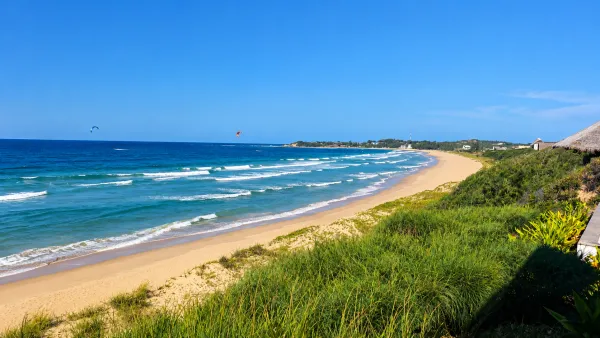
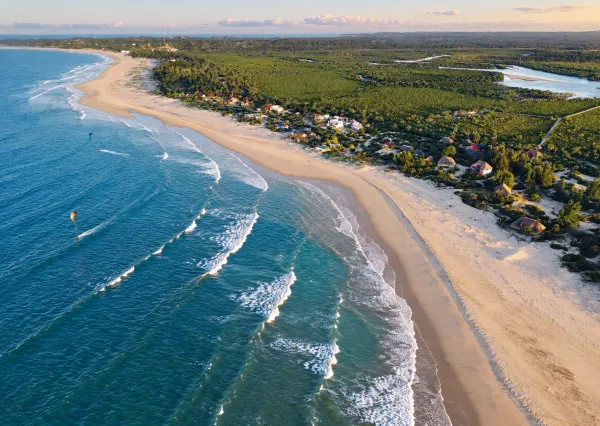
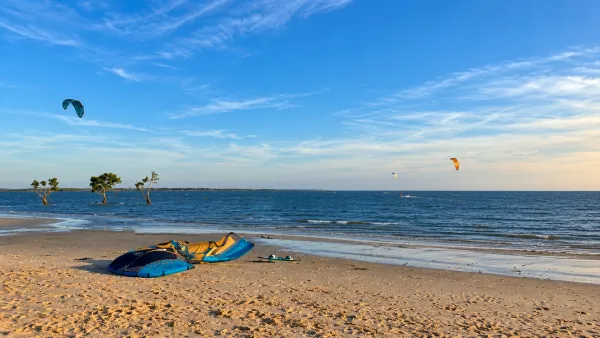
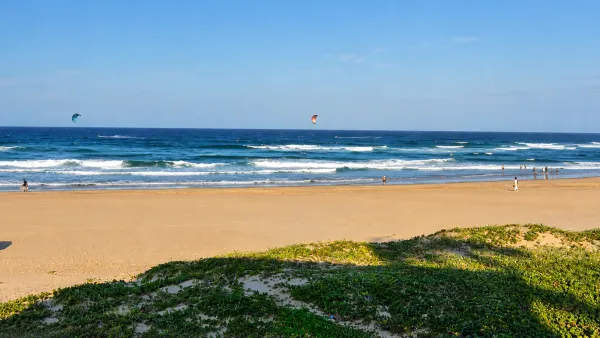
Guinjata Bay is an attractive ocean kitesurfing destination on Mozambique's southern coastline, located in Inhambane Province near Jangamo Beach, approximately 35 kilometres south of Inhambane town. Unlike the country's sheltered flat-water lagoons, Guinjata Bay offers an exposed Indian Ocean setting with rolling waves, wind-driven chop and reef-influenced riding areas. Its sandy shoreline and relatively uncrowded conditions make it particularly appealing to intermediate and advanced kitesurfers looking for freeriding and wave riding along Mozambique's tropical coast.
The main kitesurfing season generally extends from August through December, when seasonal trade winds provide some of the most favourable riding opportunities. The prevailing wind directions include northeast, southeast, east-southeast and south-southeast, although their suitability depends on the exact launching location and prevailing swell. Winds can strengthen during the afternoon, creating enjoyable conditions for powered freeriding and wave sessions. Reliability varies throughout the season, and not every day produces suitable conditions, so checking local forecasts and wind direction before launching is important. Outside the main wind window, rideable days remain possible but are generally less predictable.
Water conditions at Guinjata Bay are predominantly choppy to wavy, with small to medium ocean swell and occasional larger breaking waves during stronger swell events. The bay's exposure to the Indian Ocean produces a more dynamic riding environment than Mozambique's protected bays and lagoons. Depending on wind strength, swell direction and tide, riders may encounter rolling waves, short-period chop and sections of broken water near the shoreline. Experienced wave riders can take advantage of the swell with directional surfboards, while confident intermediate kiters can enjoy freeriding and controlled jumps when the shorebreak is manageable. Guinjata Bay is not a flat-water destination, and conditions can become demanding when stronger winds coincide with larger waves.
The beach is predominantly sandy, providing space for preparing equipment and launching directly into the ocean. However, the seabed includes reef and coral-influenced sections, making it important to identify suitable entry and exit points before riding. Shorebreak can complicate launching and water entry, particularly during higher swell. Tidal changes affect wave breaking patterns, water depth over reef sections and the available beach width, although the spot is not generally restricted to a single tidal stage. Lower tides may expose shallow reef areas, while higher tides can allow waves to break closer to shore. Riders should assess the conditions carefully rather than assuming that all parts of the bay are equally safe throughout the day.
Access to Guinjata Bay is generally via coastal roads and sandy tracks connecting the beach with the wider Jangamo area. Some sections can be soft or uneven, making a four-wheel-drive vehicle useful, particularly when transporting kitesurfing equipment. The relatively open beach provides convenient rigging space when conditions allow, although launching should be carried out well away from other beach users and obstacles. Guinjata Bay is less developed as a dedicated kitesurfing centre than destinations such as Vilanculos, so riders should not assume that professional instruction, equipment rental or rescue assistance will always be available. Independent kiters should arrive with suitable equipment and sufficient experience to manage ocean conditions safely.
Guinjata Bay is best suited to intermediate and advanced riders comfortable with shorebreak, ocean swell and changing water conditions. A versatile freeride twin-tip works well for general cruising and jumping, while a directional surfboard is preferable for dedicated wave sessions. Kite selection should account for variable seasonal winds, with larger freeride kites useful in moderate conditions and smaller sizes appropriate when the wind strengthens. The warm Indian Ocean water generally allows riding in boardshorts and a rash vest, although a shorty wetsuit can provide additional comfort and protection. Because of the reef-influenced seabed, riders should avoid practising jumps or difficult manoeuvres in shallow sections.
The main hazards include shorebreak, submerged reef, changing swell and potentially strong nearshore currents. Wave conditions can become challenging during larger swell events, while shallow coral sections increase the consequences of falling or losing control. Riders should also remain aware of wind direction, particularly when conditions become offshore or gusty, and avoid riding beyond a safe return distance without organised support. Beginners are better suited to sheltered teaching locations with professional supervision rather than Guinjata Bay's exposed ocean environment.
Guinjata Bay offers an enjoyable combination of seasonal trade winds, open-ocean freeriding and wave-oriented kitesurfing along Mozambique's Inhambane coastline. Its sandy beaches, varied swell conditions and relatively quiet atmosphere make it particularly attractive to experienced riders seeking a more adventurous alternative to the country's flat-water destinations. For kitesurfers comfortable with ocean launches and reef-influenced conditions, Guinjata Bay provides a rewarding setting for exploring Mozambique's southern coast.
Something missing or out of date at this spot? Suggest a correction
Guinjata Bay is best suited for
Spot profile
Travel spot
The typical kite travel destination, it is known for its great conditions, and kiters from around the world come here for their vacations.
Adventure spot
That dream place out of the normal touristic routes. Once you reach it, you feel in paradise, it can be anything extraordinary, a hidden gem, remote and fascinating.
Equipment
Typical kite sizes range from 7 to 12 meters depending on wind, with stronger trade winds in the dry season supporting smaller kites. Boards should have good control for chop and waves; wave boards or agile twin-tips are common. Reef-aware footwear can be useful when launching or landing near rocky or shallow reef areas. For wetsuits, a shorty or thin full suit fits well during warmer dry months, while a 3/2mm wetsuit may be desirable in early or late season if the air cools, depending on personal comfort. Riders should also bring a leash and some basic repair gear, given the open-ocean and reef exposure.
Wind Conditions
Main wind directions at Guinjata Bay
Windy days per month in Guinjata Bay
Wind Speed Range
From 7 to 25 Knots
Suggested sizes
8 - 9 mt
10 - 11 mt
12 - 13 mt
14 mt and above
Forecast on Windy.com
Kitesurfing Safety & Local Rules at Guinjata Bay
The main hazards at Guinjata Bay, on Mozambique's Indian Ocean coast, are shallow coral reefs, submerged rocks and exposed ocean conditions. Sections of the seabed transition from sand to reef, creating a risk of cuts and injuries during falls or when drifting into shallow areas. Strong swell and heavy shorebreak can make entering and leaving the water particularly challenging, while breaking waves may conceal underwater obstacles. Riders should inspect the beach and reef locations before launching, maintain sufficient clearance from shallow sections and avoid riding when surf conditions exceed their abilities.
Trade winds and ocean swell can generate significant chop, powerful waves and occasional strong tidal currents. Gusty or side-onshore winds may complicate launching and landing, especially when waves break directly onto the beach. A dropped kite can quickly become caught in the shorebreak, increasing the risk of equipment damage or loss of control. With limited organised rescue facilities, riders should be confident in self-rescue techniques, monitor changing wind and swell conditions and avoid venturing too far offshore. Keep clear of swimmers and surfers using nearby breaks.
Access to Guinjata Bay can also be challenging, with soft sandy roads often requiring a suitable 4x4 vehicle. Driving directly onto beaches is generally restricted in Mozambique, so use designated access routes and parking areas rather than attempting to reach the launch by vehicle. Choose a clear rigging area away from other beach users and allow sufficient space for safe launching and landing. Strong sun, heat and mosquitoes are additional considerations, making hydration and sun protection important. Given the exposed coastline and limited rescue infrastructure, careful preparation, reliable equipment and local knowledge are essential for a safe session.
Location
Closest City
Inhambane
How to get There
The spot is reached by road from Inhambane and is described as being about 35 km south of Inhambane. For longer travel, the common route is to fly into Inhambane Airport from Maputo, then continue by car or taxi. Road access from Maputo is also possible and is described as taking around 11 hours by car. Several sources note that the final access to the Guinjata Bay/Jangamo beach lodge area is often by 4x4 because the road becomes a sandy track with soft sections.
Access
The spot appears to be publicly reachable through the Guinjata/Jangamo beach area, but the access roads to nearby lodges are often sandy and may require a 4x4. Beach driving is restricted in Mozambique except in designated launch or access areas, so access should be treated as controlled rather than free driving directly onto the beach. There are no reports here of a specific entry fee for the kite spot itself, but some lodge or private-property access routes may apply depending on where you stay.
No-Wind Days: What to Do Around Guinjata Bay
Located along Mozambique's beautiful Inhambane coastline, Guinjata Bay offers a peaceful tropical setting characterised by golden beaches, coconut palms and the warm waters of the Indian Ocean. Surrounded by small coastal communities and relatively undeveloped landscapes, the bay is particularly attractive for visitors seeking relaxation, nature and a slower pace of life. Nearby Jangamo, Paindane and Coconut Bay provide additional beaches to explore, making the area suitable for families, couples and non-kiting partners who enjoy quiet coastal holidays rather than busy tourist resorts.
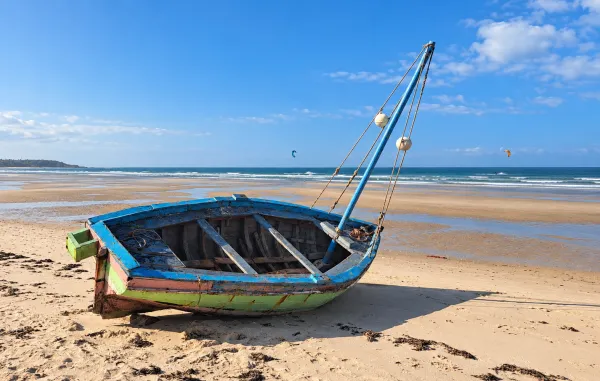
Guinjata Bay itself is the main attraction, with a broad sandy beach framed by dunes, tropical vegetation and rocky coastal formations. Visitors can enjoy long walks along the shoreline, photography, sunbathing and relaxing beside the ocean. The beach is especially beautiful during sunrise, when the changing light illuminates the coastline and fishing boats begin their daily activities. Swimming is possible when conditions are calm, although the exposed Indian Ocean coastline can experience strong surf, currents and changing tides. Families should choose sheltered areas carefully and follow local safety advice.
One of the region's greatest attractions is its marine environment. Guinjata Bay and the surrounding coastline are known for scuba diving, with offshore reefs supporting colourful tropical fish, rays, turtles and other marine life. Local dive operators organise excursions to nearby reef systems, while snorkelling may be possible in suitable sheltered areas when visibility and sea conditions allow. Seasonal marine wildlife encounters can include migrating humpback whales during the austral winter, although sightings depend on conditions and are never guaranteed. Diving and ocean excursions provide excellent alternatives during no-wind days, particularly for visitors interested in underwater photography and marine conservation.
The neighbouring beaches of Paindane, Jangamo and Coconut Bay are worth exploring for their natural scenery and relaxed atmosphere. Paindane is particularly known for its coastal reef formations and opportunities for snorkelling during favourable tides and calm seas. The surrounding beaches offer beautiful walking routes, secluded stretches of sand and opportunities to observe local fishing activities. Visitors can also explore small coastal villages and coconut plantations, discovering a quieter side of Mozambique away from larger tourist destinations. Sandy access roads are common, and a suitable vehicle may be necessary to reach some beaches and accommodation properties.
For a cultural excursion, the historic town of Inhambane offers an interesting contrast to the quiet coastal environment. Located roughly 30–45 minutes away by car, depending on road conditions, the town features colonial-era architecture, traditional markets and a picturesque waterfront overlooking Inhambane Bay. Visitors can explore local shops, browse fresh produce and handicrafts or enjoy traditional Mozambican cuisine in small restaurants. The town also provides supermarkets, banking facilities, pharmacies and other essential services, making it a practical destination for supplies during longer stays.
Travellers with additional time can visit Tofo Beach, one of Mozambique's best-known destinations for diving and marine wildlife encounters. Tofo offers a livelier atmosphere, with beachfront cafés, restaurants, local markets and dive centres organising ocean safaris. The surrounding waters are famous for whale sharks, manta rays and other marine species, although sightings vary throughout the year. A visit to Tofo can be combined with sightseeing around Inhambane or exploring the nearby coastal villages, providing an enjoyable day trip for visitors seeking more activities and social opportunities.
Food and dining around Guinjata Bay are generally informal, with small beachfront restaurants and lodge dining areas serving fresh fish, prawns, calamari and traditional Mozambican dishes. Local cuisine reflects African and Portuguese influences, often featuring coconut, rice, cassava and aromatic spices. Evening entertainment is limited, with most visitors enjoying relaxed dinners, sunset drinks and the peaceful atmosphere of the coastline. Accommodation ranges from rustic beachfront bungalows and self-catering chalets to family-friendly lodges and private holiday houses. Many properties are surrounded by tropical vegetation and offer direct or nearby beach access, making them particularly appealing for longer stays.
Guinjata Bay is reached by road from Inhambane, with the final approach often involving sandy tracks that can become difficult after heavy rain. A high-clearance vehicle, and in some cases four-wheel drive, is recommended depending on the accommodation location and current road conditions. Inhambane Airport provides the nearest air access, although flight availability and schedules should be checked in advance. Visitors travelling from Maputo face a considerably longer road journey, and arranging transfers through accommodation providers can simplify arrival logistics. Shopping and medical facilities are limited around Guinjata Bay, so it is advisable to bring essential supplies, cash and any necessary medication. Mobile coverage and internet connectivity may also vary between properties.
With its unspoiled beaches, rich marine environment and relaxed coastal lifestyle, Guinjata Bay offers plenty to enjoy beyond kitesurfing. Whether diving over tropical reefs, exploring neighbouring bays, discovering local fishing communities or visiting historic Inhambane, travellers will find an appealing combination of outdoor adventure and peaceful relaxation. Its quiet atmosphere and variety of beachfront accommodation make Guinjata Bay particularly suitable for families, couples and non-kiting partners looking for an authentic coastal holiday in southern Mozambique.
Other kitesurfing spots near Guinjata Bay
All kitesurfing spots in Mozambique
Last updated: