
Kitesurfing in Takapuna Beach
Auckland · New Zealand
- Spot type Wave
- Rider level intermediate
- Water Dark - Clear
- Beach Sand
- Crowd Seasonal crowd
- Tide effect Conditions vary
Kitesurfing in Takapuna Beach: Conditions, Wind & Season
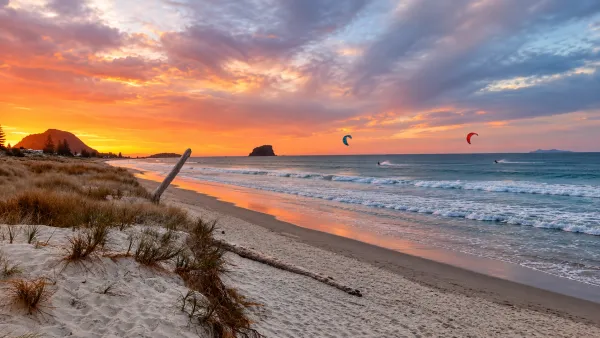
Takapuna Beach is one of Auckland's best-known urban beaches, located on the North Shore of New Zealand's largest city, overlooking the Hauraki Gulf and the volcanic silhouette of Rangitoto Island. Its long sandy shoreline and convenient location make it an appealing coastal destination for watersports enthusiasts, including experienced kitesurfers looking for opportunities close to the city. Unlike remote ocean beaches or dedicated kite lagoons, Takapuna is a busy public recreational beach where any kitesurfing activity must be carefully coordinated with other beach users and comply with local access restrictions. When conditions and regulations permit, the open waters of the Hauraki Gulf can provide enjoyable freeriding, wind-driven chop and small waves within easy reach of central Auckland.
The beach extends along a gently curving coastline facing the Hauraki Gulf, with predominantly sandy nearshore conditions and progressively deeper water farther offshore. The riding environment is generally characterised by short wind-generated waves and moderate chop rather than the powerful, organised surf found on New Zealand's exposed west coast. During lighter winds, the water can be relatively smooth close to shore, while stronger onshore winds create increasingly textured conditions. Small wave sections may develop over nearshore sandbanks, offering opportunities for carving turns and playful wave riding. However, Takapuna is primarily an open-water coastal location rather than a protected flat-water kitesurfing spot.
Wind conditions around Takapuna Beach vary throughout the year, reflecting Auckland's changeable maritime climate. Northerly, northeasterly and easterly winds can produce onshore or cross-onshore conditions along different sections of the beach, while southeasterly winds may also provide usable airflow depending on the exact location and local shelter. Wind direction has a significant influence on the water surface, with more exposed onshore conditions generating short-period chop and stronger wave action. Winds with an offshore component require particular caution because they can carry riders away from the beach and into the open waters of the Hauraki Gulf. Local forecasts should always be checked against actual conditions before considering a session.
Kitesurfing opportunities are possible throughout the year when suitable winds occur, although late spring, summer and early autumn generally offer more comfortable air and water temperatures. Auckland's spring weather can produce energetic wind conditions, while summer sea breezes and passing weather systems create additional opportunities for riding. Wind speeds during potentially rideable sessions may fall around 12 to 25 knots, although stronger gusts and rapidly changing conditions are possible. Winter can also bring substantial wind, but colder water, unsettled weather and stronger frontal systems increase the demands on riders. Takapuna should therefore be regarded as a weather-dependent urban coastal location rather than a destination with a consistently reliable kitesurfing season.
The main attraction for experienced riders is the opportunity to combine freeriding with small-wave and choppy-water conditions. Twin-tip riders can use the wind-driven waves for carving, transitions and controlled jumps where sufficient clearance is available. Directional boards may be suitable for playing in small wave sections, although the beach does not generally provide the long, clean breaking waves associated with dedicated wave-kitesurfing destinations. Hydrofoil riding may be possible in sufficiently deep offshore water, but launching space, other water users and variable wind conditions can make foil sessions challenging. The exposed coastal environment is better suited to riders comfortable handling changing water surfaces than to beginners seeking a sheltered learning lagoon.
Tides influence the available beach width and the shape of the nearshore riding area. At lower tide, more sand may be exposed, potentially increasing the space available along the shoreline, while higher water levels can significantly reduce the distance between the water and surrounding beach activity. Nearshore sandbanks and shallow sections may also affect wave formation, producing flatter patches in some conditions and steeper short waves in others. Although the seabed is predominantly sandy, riders should remain alert for submerged objects, changing depths and occasional rocky areas near the ends of the beach. Shorebreak and breaking waves can become more demanding during strong onshore winds, particularly when combined with higher tides.
Launching and landing are among the most important considerations at Takapuna Beach. The shoreline is heavily used by swimmers, walkers, paddleboarders, sailors and other recreational visitors, especially during warm weather, weekends and public holidays. Even when a section of beach appears relatively quiet, pedestrians and other users may enter the area unexpectedly. Kite lines and powered canopies require substantial unobstructed space, making crowded urban beaches particularly challenging for safe operation. Riders must verify the current Auckland Council rules, designated kitesurfing areas and any seasonal restrictions before setting up equipment. The presence of an open sandy beach should never be interpreted as automatic permission to launch a kite.
Takapuna's location within the Hauraki Gulf also introduces additional considerations for offshore riding. Recreational boats, sailing vessels, paddlecraft and other marine traffic may operate beyond the swimming areas, requiring careful observation and generous separation distances. Wind changes can develop quickly as weather systems move across Auckland, and conditions farther offshore may differ noticeably from those close to the beach. Riders should avoid sailing and boating routes, maintain a safe distance from other water users and never depend on an immediate rescue response. Reliable self-rescue skills and the ability to return to shore independently are particularly important in this urban but exposed marine environment.
Takapuna Beach is most appropriate for experienced kitesurfers who can manage confined launching environments, variable wind and choppy open water, provided that kitesurfing is permitted under the applicable local rules. It is not an ideal beginner location because of the busy public shoreline, potential lack of dedicated launching space and the need to avoid other recreational users. Intermediate riders should exercise particular caution and seek local advice before considering a session. More advanced riders may appreciate the convenience and variety of conditions, but the limited separation from beach activity makes aggressive freestyle, high jumps close to shore and crowded launching situations inappropriate. For dedicated instruction and progression, established Auckland kite beaches with suitable designated areas are generally a better choice.
For riders researching kitesurfing at Takapuna Beach, wind conditions on Auckland's North Shore or potential urban kite spots around the Hauraki Gulf, this scenic coastline offers a combination of sandy shores, variable coastal winds and small wind-driven waves. Its greatest attraction is its proximity to Auckland and the possibility of enjoying open-water conditions without travelling far from the city. However, the busy recreational environment, changing tides, marine traffic and the need to verify local kitesurfing restrictions significantly influence its suitability. Takapuna is best approached as a shared-use urban beach where safety, legal access and consideration for other beach users must take priority over the convenience of launching close to the city.
Something missing or out of date at this spot? Suggest a correction
Takapuna Beach is best suited for
Spot profile
Family spot
Located in an area that offers amenities for all the family and can provide good alternatives for everyone when the kiters are in the water.
Local spot
Maybe not be worth a real journey to reach this spot, but great if you live close by and it is a windy day. In the end, being out on the water feels great anywhere
Equipment
For Takapuna Beach, a medium-sized freeride or wave-oriented kite is the safest choice given the 12 to 25 knot wind range, with a twin-tip board working well for typical choppy conditions and a small directional or surfboard adding fun when waves pick up. During cooler months, a 4/3 mm or even a 5/4 mm wetsuit is common due to chilly water and wind, while in summer a lighter full suit or a shorty may suffice depending on personal comfort and session length. Footwear is usually unnecessary thanks to the sandy bottom, but some riders may prefer thin booties during longer or colder sessions, especially if sensitive to temperature or if spending hours in the water on windy days.
Wind Conditions
Main wind directions at Takapuna Beach
Windy days per month in Takapuna Beach
Wind Speed Range
From 12 to 25 Knots
Suggested sizes
8 - 9 mt
10 - 11 mt
12 - 13 mt
14 mt and above
Forecast on Windy.com
Kitesurfing Safety & Local Rules at Takapuna Beach
The main hazards at Takapuna Beach come from its busy urban setting and limited launching space. Swimmers, paddleboarders, kayakers, dog walkers and other beach visitors frequently share the shoreline, increasing the risk of collisions or kite-line entanglement. At high tide, the available beach becomes narrower, making launching and landing particularly challenging. Keep kite lines clear of pedestrians and maintain safe distances from other beach users.
Boat traffic, including small vessels and yachts, is another concern in the bay. Riders should remain alert to moving boats and non-powered watercraft, particularly near access ramps. Changing wind directions can also create gusty conditions near the headlands, while tidal variations may expose shallow sandbanks or create unexpected changes in water depth. Always assess conditions before entering the water.
Takapuna is not a dedicated kitesurfing beach, so respecting other water users and checking local access regulations is essential. The beach is not routinely patrolled, meaning immediate rescue assistance should not be assumed. After heavy rainfall, stormwater runoff may temporarily affect water quality, so check local swimming advisories before riding. Avoid crowded launching areas and ensure you have adequate kite control and self-rescue skills.
Location
Closest City
Auckland
How to get There
Takapuna Beach is on Auckland’s North Shore and is roughly a 10 to 15 minute drive from central Auckland via the Harbour Bridge. It is also accessible by bus, so it can be reached without a car if you are staying in the city.
Access
Takapuna Beach is publicly accessible and easy to reach from The Strand in Takapuna. There are no special private access requirements mentioned for the beach itself, and facilities such as parking, toilets, showers, and a nearby boat ramp are available. It is a normal urban public beach rather than a remote or restricted spot.
No-Wind Days: What to Do Around Takapuna Beach
Beyond kitesurfing, Takapuna Beach offers an excellent combination of coastal relaxation, urban entertainment and outdoor activities on Auckland's North Shore in New Zealand. Located just across the Waitematā Harbour from central Auckland, this popular seaside suburb is known for its long sandy beach, lively cafés, waterfront restaurants and beautiful views towards Rangitoto Island. Unlike remote kitesurfing destinations, Takapuna provides easy access to shopping, cultural attractions, scenic walking trails and family-friendly activities. For a kitesurfing trip with non-kiters or a family holiday in Auckland, the area offers plenty of opportunities to enjoy the coastline and explore the wider region, even when there is no wind.
Takapuna Beach itself is one of the main attractions, stretching along a beautiful section of the North Shore coastline. Its golden sand and views across the Hauraki Gulf make it an enjoyable place for walking, sunbathing, picnicking and relaxing beside the ocean. On calm days, swimming and stand-up paddleboarding are popular activities, although visitors should always check local water quality, weather conditions and any swimming restrictions. The grassy reserves bordering the beach provide pleasant spaces for families, while the nearby cafés make it easy to combine a morning beach walk with breakfast or coffee. The spectacular volcanic silhouette of Rangitoto Island dominates the horizon, creating one of Auckland's most recognisable coastal panoramas.
One of the most enjoyable activities near Takapuna is exploring the North Shore Coastal Walk, particularly the scenic route between Takapuna and Milford. This coastal section passes rocky volcanic shorelines, small beaches and attractive residential waterfront areas, offering beautiful views across the Hauraki Gulf. At suitable tides, walkers can discover fascinating rock formations and tidal pools, while higher sections provide excellent opportunities for photography. Parts of the shoreline are affected by tides and may require alternative inland routes, so checking conditions before setting out is recommended. The coastline is particularly beautiful during the early morning and late afternoon, when the changing light illuminates Rangitoto Island and the surrounding volcanic landscape.
Takapuna's town centre offers a lively alternative to the beach, with numerous restaurants, cafés, boutiques and entertainment venues within walking distance of the waterfront. Visitors can enjoy everything from casual brunches and international cuisine to seafood dinners and evening drinks. The area's shopping streets and local markets provide opportunities to discover independent retailers, artisan products and New Zealand specialities. Takapuna is also home to the Bruce Mason Centre, an important performing arts venue hosting concerts, theatre productions, comedy and other cultural events throughout the year. Visitors interested in local entertainment can explore upcoming performances through Auckland Live.
For families travelling with children, Takapuna offers several attractions beyond its sandy shoreline. The nearby Takapuna Beach Playground provides a convenient place for younger visitors to enjoy outdoor activities, while the surrounding reserves are suitable for picnics and relaxation. A short drive inland, Lake Pupuke offers a different natural setting, with freshwater scenery, lakeside parks and opportunities to observe local birdlife. This volcanic explosion crater lake is one of the distinctive geological features of Auckland's North Shore. Visitors can enjoy peaceful walks around accessible lakeside areas and discover the contrast between the open coastal environment and the sheltered freshwater landscape. Water-based activities should follow local access and safety rules.
One of the most spectacular excursions from Takapuna is a visit to Rangitoto Island, the youngest and largest volcanic island in Auckland's volcanic field. Accessible by passenger ferry from central Auckland, Rangitoto is famous for its symmetrical volcanic cone, extensive lava fields and remarkable native vegetation. Walking trails lead towards the summit, where visitors are rewarded with panoramic views across the Hauraki Gulf, Auckland's skyline and the surrounding islands. The island also features fascinating lava caves that can be explored with appropriate lighting and footwear. Rangitoto is a protected environment, and visitors must respect biosecurity requirements, carry sufficient drinking water and prepare for limited facilities. Information about walking tracks, conservation rules and island access is available through the New Zealand Department of Conservation.
Another rewarding destination is Devonport, a charming historic waterfront suburb located south of Takapuna. Known for its Victorian architecture, independent shops, art galleries and relaxed village atmosphere, Devonport is one of Auckland's most picturesque neighbourhoods. Visitors can explore its waterfront promenade, enjoy cafés overlooking the harbour or climb Mount Victoria, also known as Takarunga, for spectacular views of Auckland's skyline and the surrounding coastline. Nearby North Head, or Maungauika, offers another outstanding viewpoint and features historic military tunnels, gun emplacements and coastal walking paths. These volcanic headlands combine natural scenery with fascinating insights into Auckland's maritime and defensive history, making Devonport an excellent half-day excursion.
For travellers interested in exploring Auckland's cultural attractions, the city centre is conveniently accessible from Takapuna by public transport or car. The Auckland War Memorial Museum, located within the beautiful Auckland Domain, presents exhibitions covering New Zealand's natural history, Māori culture and the country's wider heritage. The Auckland Art Gallery Toi o Tāmaki offers an impressive collection of New Zealand and international artworks, while the waterfront districts of Viaduct Harbour and Wynyard Quarter are popular for dining, sightseeing and harbour walks. Visitors can also enjoy panoramic city views from the Sky Tower, one of Auckland's best-known landmarks. Further information about the city's attractions and experiences is available through Auckland's official visitor website.
The wider North Shore coastline offers several beautiful beaches worth exploring on a no-wind day. Milford Beach, immediately north of Takapuna, provides a quieter atmosphere and attractive coastal scenery. Farther north, Browns Bay is known for its family-friendly beachfront, restaurants and relaxed seaside village character. Long Bay Regional Park is another outstanding destination, featuring an extensive sandy beach, grassy picnic areas and coastal walking trails. The park is particularly appealing for families, nature lovers and visitors seeking a peaceful escape from Auckland's busier urban beaches. Its coastal landscapes and protected natural areas provide opportunities for photography, wildlife observation and gentle outdoor exploration. Swimming conditions vary between locations, and visitors should always follow local safety guidance.
For those interested in marine adventures, Auckland's Hauraki Gulf offers excellent opportunities for sailing, kayaking, island excursions and wildlife observation. Organised boat trips depart from various locations around the city, allowing visitors to explore the gulf's islands and coastal scenery. Depending on the operator and conditions, excursions may include harbour cruises, sailing experiences or marine wildlife tours. The Hauraki Gulf is home to a remarkable variety of seabirds and marine mammals, although wildlife sightings cannot be guaranteed. Visitors should choose responsible operators who follow wildlife protection regulations. The combination of volcanic islands, sheltered bays and open-water scenery makes the gulf one of New Zealand's most distinctive marine environments.
Takapuna is also an excellent destination for food lovers and visitors seeking an active social atmosphere. The suburb's restaurants reflect Auckland's multicultural character, offering Asian, Mediterranean, European and contemporary New Zealand cuisine. Waterfront dining is particularly enjoyable during the warmer months, when outdoor terraces provide views towards the beach and Rangitoto Island. Local cafés are popular for breakfast and brunch, while bars and entertainment venues create a lively atmosphere in the evening. Those looking for more extensive nightlife can easily travel to central Auckland, where the Viaduct Harbour, Britomart and Ponsonby districts offer additional restaurants, cocktail bars and entertainment options. For a more relaxed evening, a sunset walk along Takapuna Beach followed by dinner at a nearby restaurant is an excellent alternative.
For anyone planning a kite trip to Takapuna Beach and wondering what else there is to do, Auckland's North Shore offers an outstanding combination of urban convenience, coastal scenery and outdoor recreation. A no-wind day can include walking the Takapuna–Milford coastline, exploring the volcanic landscapes of Rangitoto Island, visiting historic Devonport or enjoying Auckland's museums and waterfront attractions. Families can relax at Long Bay Regional Park, explore local playgrounds or discover the natural beauty of Lake Pupuke, while non-kiting partners can enjoy shopping, cafés, cultural events and scenic coastal walks. With its excellent amenities, convenient access to Auckland and numerous activities for visitors of all ages, Takapuna Beach is an ideal destination for combining kitesurfing with a varied and enjoyable New Zealand coastal holiday.
Other kitesurfing spots near Takapuna Beach
All kitesurfing spots in New Zealand
Last updated: