
Kitesurfing in The Spit
Auckland · New Zealand
- Spot type Flat
- Rider level intermediate
- Water Dark - Clear
- Beach Sand
- Crowd Few people
- Tide effect Conditions vary
Kitesurfing in The Spit: Conditions, Wind & Season
The Spit is a sheltered flat-water kitesurfing location in Glendowie, on the eastern side of Auckland, New Zealand. Associated with the narrow coastal landform at Tahuna Torea Nature Reserve, this distinctive spot offers a compact riding environment shaped by tidal movement, southerly winds and the protected waters of the Tāmaki Estuary. Unlike Auckland's exposed ocean beaches, The Spit is known for its relatively smooth water and opportunities for technical freeriding rather than wave kitesurfing. Its appeal lies in the possibility of enjoying short, well-timed sessions close to the city, although the narrow shoreline, changing water depth and environmentally sensitive surroundings require considerable experience and careful attention to local access restrictions.
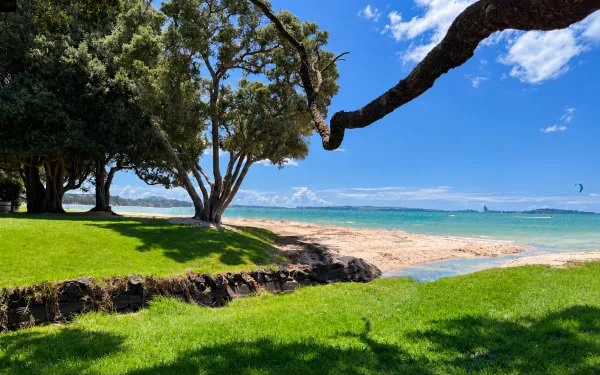
The defining feature of The Spit is the long, narrow sandy landform extending into the estuary, which creates sheltered water on selected sides depending on wind direction. When conditions align, the spit can reduce surface chop and produce remarkably smooth water suitable for controlled freeriding and freestyle practice. The available riding area is relatively compact compared with the extensive beaches and lagoons found elsewhere in New Zealand. This creates an intimate, technical environment where riders must maintain awareness of their position, the shoreline and other water users. The absence of ocean swell makes the spot particularly attractive to those seeking flat-water performance, although stronger winds can still generate short chop in more exposed sections of the estuary.
Wind conditions at The Spit are strongly influenced by the orientation of the Tāmaki Estuary and the surrounding coastal geography. Southerly and south-southwesterly winds are generally considered the most favourable directions, particularly when they provide clean airflow across the spit and create sheltered water on the opposite side. During suitable conditions, the narrow landform can help produce a smooth riding surface, allowing riders to maintain speed and perform controlled manoeuvres. However, the surrounding trees, vegetation and uneven shoreline can introduce turbulence or wind shadows close to land. Even when the water appears perfectly flat, the wind may be gusty near the launching area. Riders should carefully assess the actual airflow and avoid assuming that smooth water automatically indicates safe or consistent wind conditions.
The main kitesurfing opportunities are associated with Auckland's windier winter and spring periods, approximately from June through November, when passing weather systems can generate stronger southerly winds. Suitable conditions may also occur during other months, but the combination of wind direction and tidal timing is particularly important at this location. During favourable sessions, winds in the approximate range of 12 to 25 knots can provide enjoyable freeriding, depending on rider weight, equipment and experience. Stronger winds may create more powered conditions, but the restricted launching area and proximity of vegetation significantly increase the consequences of mistakes. The Spit is therefore better suited to carefully selected wind events than to casual riding whenever a breeze develops.
Tides are one of the most important factors determining whether The Spit is usable. The surrounding estuary contains extensive shallow areas, and the available water depth changes substantially throughout the tidal cycle. Around high tide, more of the sandy flats become submerged, generally providing better access to the water and additional depth for freeriding. At lower tide, exposed sand and shallow sections can reduce the usable riding area considerably, sometimes making launching, landing or returning to shore impractical. The narrow shoreline may also change in character as the water rises, affecting the available space for handling equipment. Riders should check local tide tables and plan their sessions around sufficient water depth rather than relying solely on wind strength.
The water conditions are generally flat to lightly choppy, with the smoothest sections developing when the wind direction aligns favourably with the shelter provided by the spit. These conditions can be particularly enjoyable for twin-tip freeriding, allowing riders to practise transitions, edging control, carving turns and basic freestyle manoeuvres without dealing with breaking waves. More experienced riders may use the smooth surface for powered approaches and controlled jumps, but the compact riding area and shallow seabed make aggressive big-air manoeuvres inappropriate in many circumstances. The lack of significant waves means that directional surfboard riding and wave-focused kitesurfing are not the main attractions. The Spit is fundamentally a technical flat-water location where precision and control are more valuable than extensive open-water space.
The seabed consists largely of sand and estuarine sediment, with shallow flats, shell deposits and possible submerged natural obstacles. Although the sandy environment may appear forgiving, low water levels can create significant hazards for board fins, jumping and equipment recovery. Water clarity varies with tidal movement and sediment disturbance, making it difficult to identify every shallow section from the surface. Protective footwear may be useful when walking across exposed sand or shell-covered areas. Riders should avoid performing powered manoeuvres over unfamiliar shallow water and remain alert to changing depths, particularly when the tide is falling. The presence of a smooth water surface does not guarantee sufficient depth for safe landings.
Hydrofoil kitesurfing may be possible during higher tidal stages when sufficient water covers the surrounding flats. The relatively smooth estuary water can provide favourable conditions for practising foil balance, transitions and controlled cruising, but the available routes are restricted by shallow seabed areas and the narrow geometry of the riding zone. Foil riders must identify deeper water before launching and avoid sections where the bottom rises abruptly. Wing-foiling may also be feasible under suitable conditions, although access restrictions, vegetation and limited shoreline space remain important considerations. Because both disciplines require adequate depth and safe separation from other users, high tide alone should not be treated as a guarantee of suitable conditions.
Launching and landing are among the most demanding aspects of kitesurfing at The Spit. The narrow landform provides considerably less room than a conventional sandy beach, and nearby vegetation, reserve paths and uneven ground can create serious hazards for powered kites. Wind turbulence close to trees or the shoreline may further complicate launching, particularly during stronger southerly winds. Riders should only consider launching where there is sufficient unobstructed space and a safe route into the water. Assisted launching may be necessary in some circumstances, but it cannot compensate for inadequate clearance from obstacles. The compact environment makes The Spit unsuitable for inexperienced riders who have not yet developed reliable kite handling and landing skills.
Tahuna Torea is an environmentally sensitive coastal reserve, making conservation and access regulations especially important. The surrounding estuary provides habitat for coastal birds and other wildlife, and some areas may be subject to restrictions intended to protect vegetation, nesting or feeding grounds and public reserve users. Kitesurfers should verify current Auckland Council and reserve-specific rules before accessing the spit or launching equipment. The presence of a historically used riding area does not automatically mean that kitesurfing is currently permitted in every section. Riders should remain on authorised access routes, avoid disturbing wildlife and respect any temporary or permanent closures. Environmental protection is particularly important in a narrow coastal reserve where recreational activity can affect sensitive habitats.
The Spit is best suited to experienced intermediate and advanced kitesurfers who are comfortable with confined launching areas, shallow water and changing tidal conditions. The smooth water can be attractive for freestyle progression, but the technical nature of the access makes the location inappropriate for independent beginners. Reliable upwind ability, precise kite control and confidence in self-rescue are essential, particularly when the wind shifts or the tide begins to fall. The compact riding area also requires careful coordination when several riders are present, as crossing kite lines or losing control near the shoreline can quickly create dangerous situations. Riders should maintain generous separation distances and avoid entering the water when congestion prevents safe manoeuvring.
Tidal currents within the Tāmaki Estuary can become noticeable as water moves through the channels surrounding the spit. These currents may affect upwind progress and the ability to return to the launching area, particularly during stronger outgoing tides. Wind direction can also change rapidly during passing weather systems, potentially introducing offshore components or turbulent conditions near the reserve. Although The Spit is close to Auckland's residential suburbs, dedicated kitesurfing rescue services should not be assumed. Riders should check equipment carefully, understand the tidal cycle and avoid travelling beyond a distance from which they can safely return. A short session in sheltered water can still become hazardous if the wind drops or the tide exposes the route back to shore.
For riders searching for kitesurfing at The Spit, flat-water kite spots in Auckland or sheltered kitesurfing locations around the Tāmaki Estuary, this distinctive Glendowie location offers a specialised combination of smooth water, southerly wind opportunities and compact urban access. Its greatest strengths are the potential for exceptionally flat riding conditions, technical freeriding and short sessions when wind and tide align. However, restricted launching space, shallow tidal flats, nearby vegetation and environmental regulations make it a location requiring experience, preparation and respect for the surrounding reserve. For skilled kitesurfers who confirm current access permissions and select suitable conditions, The Spit can offer rewarding flat-water riding within Auckland's eastern coastal environment.
Something missing or out of date at this spot? Suggest a correction
The Spit is best suited for
Spot profile
Local spot
Maybe not be worth a real journey to reach this spot, but great if you live close by and it is a windy day. In the end, being out on the water feels great anywhere
Equipment
For The Spit, most riders use a freeride or freestyle kite in the 9-13m size range for typical wind days, downsizing to a 7-9m when a strong southerly is in play, with a twin-tip for maximum versatility. Hydrofoils are also a solid option, especially if attempting to ride the lighter wind side of the spot's range. In winter and spring, when air and water temperatures are coolest, a full 4/3mm or even 5/3mm wetsuit with booties is a good call, while late summer and autumn usually allow a 3/2mm suit or springy on warm, sunny afternoons. Booties help in colder weather and can be smart if the sand launch is rough or has debris.
Wind Conditions
Main wind directions at The Spit
Windy days per month in The Spit
Wind Speed Range
From 12 to 25 Knots
Suggested sizes
8 - 9 mt
10 - 11 mt
12 - 13 mt
14 mt and above
Forecast on Windy.com
Kitesurfing Safety & Local Rules at The Spit
The main hazards at The Spit come from its confined launching area, surrounding vegetation and limited room for error. The narrow strip of sand can become crowded when several kitesurfers are present, increasing the risk of tangled lines, collisions or kites catching in nearby bushes. Strong southerly winds may also produce gusty conditions, making launching and landing more demanding. Riders should have confident kite-handling skills and avoid launching when the available space is insufficient.
Tidal changes significantly affect water depth and the usable riding area. As the tide falls, shallow sandbanks and uneven sections of the estuary bottom become exposed, creating grounding hazards, particularly for hydrofoil riders or anyone attempting jumps in shallow water. At very low tide, the water can retreat a considerable distance from the launch, making returning to shore inconvenient or difficult. Plan sessions around high tide and monitor water depth throughout.
The Spit lies within the Tahuna Torea reserve in eastern Auckland, where public access and environmental protections require particular care. Walking tracks, shoreline areas and parking facilities are shared with other visitors, so keep equipment clear of public routes and avoid disturbing vegetation. Check current reserve regulations and whether kitesurfing is permitted before launching, and respect any temporary restrictions or designated access areas.
Location
Closest City
Auckland
How to get There
Drive from central Auckland to Glendowie and then to the Tahuna Torea / The Spit area; it is an easy urban drive rather than a flight-dependent destination. For visitors flying in, Auckland Airport is the main gateway, and from there the spot is reached by car in city traffic. Local spot references indicate access near the reserve and car park area, with a short walk to the launch from parking.
Access
Public access is available through the Glendowie / Tahuna Torea reserve area, with parking and a short walk to the spit launch. It is not described as a private-access site, but it may be subject to local reserve or kiting permissions, so riders should verify current access rules before launching. Some local references also note that this is a spot where permission or a local kite organization rule may matter.
No-Wind Days: What to Do Around The Spit
Beyond kitesurfing, The Spit offers an enjoyable combination of peaceful coastal nature, scenic waterfront walks and easy access to Auckland's many attractions. Located within the Tahuna Torea Nature Reserve in Glendowie, on the eastern side of Auckland, New Zealand, this narrow coastal peninsula extends into the Tāmaki Estuary and provides a surprisingly tranquil environment surrounded by residential neighbourhoods. Unlike Auckland's busier urban beaches, the area is characterised by tidal wetlands, native vegetation and abundant birdlife, making it particularly appealing for nature lovers and visitors seeking a quieter coastal experience. For a kitesurfing trip with non-kiters or a family holiday in Auckland, The Spit provides an interesting starting point for exploring the eastern bays, while the city's restaurants, museums, shopping districts and island excursions remain within easy reach.
The most distinctive attraction is Tahuna Torea Nature Reserve itself, an important coastal conservation area protecting a combination of sandy shoreline, tidal wetlands, coastal vegetation and bird habitats. Walking tracks pass through different sections of the reserve, offering opportunities to discover its natural landscapes and enjoy views across the Tāmaki Estuary. The reserve is particularly attractive for visitors interested in photography, peaceful walks and observing the changing coastal environment. At low tide, exposed mudflats reveal the estuary's intricate network of shallow channels and feeding areas, while higher tides transform the landscape into a broad expanse of sheltered water. The reserve is also culturally significant to local Māori, adding an important historical dimension to the natural surroundings. Visitors should remain on designated paths and respect conservation restrictions to protect the sensitive ecosystem.
Birdwatching is one of the most rewarding activities at Tahuna Torea. The reserve provides habitat for numerous coastal and wetland birds, including shorebirds, wading birds and species that depend on tidal feeding grounds. Visitors may observe pied stilts, herons, oystercatchers and other native or migratory birds, depending on the season and tidal conditions. The best opportunities often occur when birds are feeding along exposed mudflats or resting near the shoreline. Binoculars can be useful for observing wildlife without approaching sensitive areas, while photographers will appreciate the changing light and reflections across the estuary. Bird sightings are never guaranteed, and visitors should avoid disturbing feeding or nesting birds. The peaceful atmosphere makes Tahuna Torea an excellent destination for anyone interested in Auckland's coastal biodiversity.
One of the most enjoyable ways to explore the surrounding area is walking through Glendowie and the nearby eastern waterfront suburbs. The neighbourhood is characterised by quiet residential streets, green reserves and attractive views towards the Tāmaki Estuary and Hauraki Gulf. Visitors can discover small parks, scenic coastal viewpoints and peaceful places to relax beside the water. The area's suburban atmosphere provides an interesting contrast to central Auckland's busy waterfront, offering a glimpse of everyday life in one of the city's established coastal communities. Walking and cycling can be enjoyable along suitable local routes, although some streets have limited dedicated cycling infrastructure and require attention to traffic. For non-kiting partners, the combination of coastal scenery and quiet neighbourhood surroundings provides a pleasant environment for an unhurried afternoon.
A short distance from Glendowie, St Heliers is one of Auckland's most attractive eastern waterfront destinations. This charming seaside suburb features a sandy beach, grassy reserves, cafés, restaurants and a relaxed village atmosphere. Visitors can enjoy a leisurely walk along the promenade, relax beneath the trees or stop for coffee overlooking the Hauraki Gulf. The beach is popular with families and swimmers during suitable conditions, although water quality, tides and weather should always be checked before entering the sea. St Heliers is particularly enjoyable during the late afternoon and evening, when the waterfront restaurants become lively and the changing light creates beautiful views towards Rangitoto Island. Its combination of coastal recreation and dining makes it an excellent destination for a relaxed outing after exploring Tahuna Torea.
One of the most rewarding nearby viewpoints is Achilles Point, situated on the headland east of St Heliers. This elevated coastal lookout offers spectacular panoramic views across the Hauraki Gulf, including Rangitoto Island, Browns Island and the surrounding waterways. The distinctive volcanic silhouette of Rangitoto creates a dramatic backdrop, while the open views provide excellent opportunities for photography. Visitors can combine a stop at Achilles Point with a walk around St Heliers or a scenic drive along Auckland's eastern coastline. The viewpoint also has historical significance and provides an interesting perspective on the region's maritime landscape. Clear mornings and late afternoons are particularly attractive times to visit, when the light enhances the colours of the sea and surrounding islands.
Continuing west along the coast, Kohimarama and Mission Bay offer two of Auckland's most popular waterfront environments. Kohimarama Beach provides a relatively relaxed setting for walking, swimming in suitable conditions and enjoying views across the harbour. Mission Bay has a livelier atmosphere, with an extensive selection of cafés, restaurants, ice cream shops and recreational facilities beside the beach. Selwyn Reserve, located immediately behind Mission Bay's sandy shoreline, offers grassy lawns, picnic areas and open spaces suitable for families. Visitors can enjoy a waterfront meal, explore the promenade or relax while watching sailing boats moving across the gulf. The combination of these neighbouring beaches makes Auckland's eastern bays particularly attractive for a half-day coastal excursion.
For walkers, runners and cyclists, Tāmaki Drive provides one of Auckland's most scenic coastal routes. Connecting the eastern waterfront suburbs with central Auckland, the road follows the shoreline of the Waitematā Harbour and passes through several attractive bays, parks and marinas. Shared paths and waterfront promenades provide opportunities to explore the coast while enjoying views towards Rangitoto Island and the surrounding Hauraki Gulf. Visitors can stop at scenic viewpoints, enjoy refreshments at waterfront cafés or discover quieter sections of the coastline. The route is especially popular during weekends and sunny evenings, when locals gather to exercise and enjoy the harbour scenery. Cyclists and pedestrians should use designated paths and remain considerate of other users, particularly in busy sections.
Central Auckland offers a wealth of cultural attractions within reach of The Spit. The Auckland War Memorial Museum, located in Auckland Domain, is one of the city's most important institutions, featuring exhibitions about Māori culture, New Zealand history, natural sciences and the wider Pacific region. The surrounding park provides extensive green spaces and pleasant walking routes, while the nearby Wintergardens feature attractive historic glasshouses and botanical displays. Visitors interested in art can explore the Auckland Art Gallery Toi o Tāmaki, which presents New Zealand and international artworks. These attractions provide excellent alternatives for rainy or windless days and offer opportunities to discover the region's cultural heritage. Information about museum exhibitions and visiting arrangements is available through the Auckland War Memorial Museum official website.
For travellers interested in shopping, restaurants and urban entertainment, Auckland's central waterfront districts are particularly rewarding. The Viaduct Harbour and Wynyard Quarter feature numerous restaurants, bars and cafés overlooking marinas filled with sailing boats and yachts. Visitors can enjoy waterfront walks, explore contemporary public spaces or discover the city's maritime atmosphere. The nearby commercial districts offer shopping, galleries and entertainment venues, while the Sky Tower provides panoramic views across Auckland's skyline, harbours and volcanic landscape. Evening dining along the waterfront is particularly enjoyable, with illuminated buildings and reflections across the marina creating a lively atmosphere. Further information about Auckland's attractions, events and visitor experiences is available through Auckland's official visitor website.
One of the greatest advantages of visiting The Spit is the opportunity to explore the Hauraki Gulf and its beautiful islands. Ferry services from central Auckland provide access to destinations such as Waiheke Island, Rangitoto Island and Devonport on the North Shore. Waiheke Island is known for its vineyards, sandy beaches, art galleries and scenic coastal walks, making it particularly appealing for couples and food lovers. Rangitoto Island offers a completely different experience, with volcanic landscapes, native vegetation and walking trails leading towards panoramic summit viewpoints. Devonport is attractive for its historic architecture, waterfront cafés and spectacular views from Mount Victoria and North Head. Visitors should check ferry schedules, island access arrangements and weather conditions before planning excursions. Information about protected natural areas and walking tracks is available through the New Zealand Department of Conservation.
For families and travellers seeking additional outdoor activities, Auckland's wider eastern suburbs offer numerous parks, beaches and recreational facilities. The coastal reserves around St Heliers, Kohimarama and Mission Bay provide playgrounds, picnic areas and scenic walking routes, while nearby shopping centres and neighbourhood cafés offer convenient options during less favourable weather. Families can enjoy relaxed beach outings, visit museums or explore Auckland's extensive network of green spaces. Accommodation is available throughout the eastern suburbs and central Auckland, ranging from self-catering apartments and motels to hotels and boutique guesthouses. Staying near St Heliers or Mission Bay provides a pleasant coastal atmosphere, while central Auckland offers the widest selection of restaurants, entertainment and transport connections. This flexibility makes it easy to organise a holiday that suits both active visitors and those seeking a more relaxed experience.
For anyone planning a kite trip to The Spit and wondering what else there is to do, Glendowie and Auckland's eastern bays offer an excellent combination of nature, coastal scenery and urban attractions. A no-wind day can include birdwatching at Tahuna Torea Nature Reserve, exploring the quiet streets of Glendowie, enjoying panoramic views from Achilles Point or relaxing at the waterfront cafés of St Heliers and Mission Bay. Families and non-kiting partners can discover Auckland's museums, galleries, parks and shopping districts, while more adventurous visitors can take a ferry to Waiheke or Rangitoto Island. With its peaceful estuary environment, convenient location and easy access to the attractions of New Zealand's largest city, The Spit is an excellent base for combining kitesurfing with a varied and enjoyable Auckland holiday.
Other kitesurfing spots near The Spit
All kitesurfing spots in New Zealand
Last updated: