
Kitesurfing in Tamaki Estuary Sandbar
Auckland · New Zealand
- Spot type Flat
- Rider level beginner
- Water Dark - Clear
- Beach Sand
- Crowd Some bystanders
- Tide effect OK high tide
Kitesurfing in Tamaki Estuary Sandbar: Conditions, Wind & Season
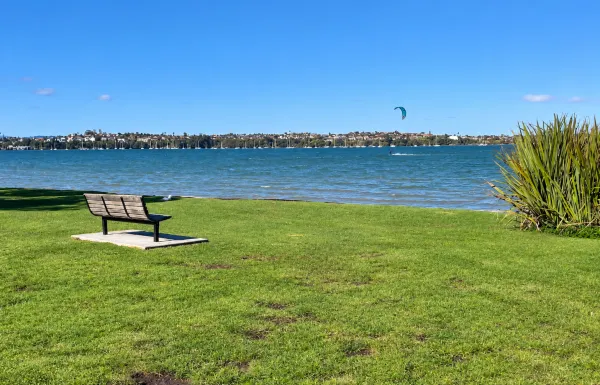
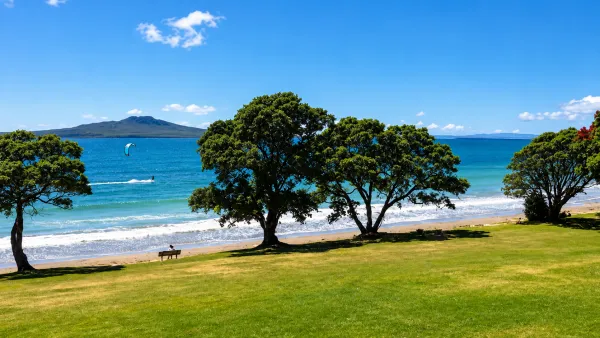
Tamaki Estuary Sandbar is a sheltered flat-water kitesurfing location in Auckland, on New Zealand's North Island. Situated within the tidal Tāmaki Estuary, this suburban spot offers relatively calm water, shallow sandbanks and convenient access from surrounding residential areas. Protected from ocean swell, the estuary provides an alternative to Auckland's exposed coastal beaches, making it particularly attractive for freeriding, practising transitions and improving board control. Its compact launching area and strongly tide-dependent riding conditions require careful planning, but suitable wind and water levels can create enjoyable sessions for intermediate riders and those progressing beyond their first lessons.
The most relevant kitesurfing wind directions include N, NNE, NE, SW and WSW, although their suitability depends on the precise launching position and the orientation of the estuary channels. Northerly and northeasterly breezes can provide favourable conditions in some sections, while southwesterly winds may also offer rideable sessions when the local wind angle allows safe launching and returning to shore. Wind speeds during suitable conditions can range from approximately 12 to 25 knots, with stronger gusts possible during passing weather systems. Spring and summer generally provide more comfortable opportunities, although suitable winds can occur throughout the year. Surrounding buildings, vegetation and shoreline features may create localised turbulence, making it important to assess wind quality directly at the launch.
Water conditions are predominantly flat to lightly choppy, with sheltered sections providing smooth surfaces suitable for freeriding, water starts, transitions and controlled freestyle manoeuvres. Stronger winds can generate short chop through the wider channels, but the estuary does not experience significant ocean swell or breaking surf. The shallow sandy bottom creates relatively forgiving conditions in some areas, although water depth changes considerably across the sandbanks and channels. Riders should be cautious when travelling at speed through unfamiliar sections, as submerged obstacles and sudden changes in depth can create hazards even when the surface appears smooth. The spot is primarily suited to flat-water progression rather than wave riding or powered big-air sessions.
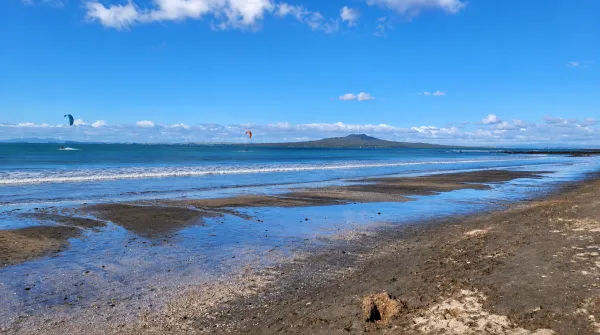
Tides are one of the most important factors affecting kitesurfing at Tamaki Estuary Sandbar. Higher water levels generally provide a larger usable riding area by covering the exposed sandbanks and allowing access to channels that become too shallow at low tide. Around high tide, the estuary can offer comfortable flat-water conditions, although the available launching beach may become narrower. As the tide falls, sandbanks emerge and the riding area contracts, increasing the risk of grounding or encountering shallow obstacles. Tidal currents can also become noticeable within the main channels, particularly during stronger ebb and flood periods. Riders should plan their sessions around suitable water levels and allow enough time to return safely before the tide exposes critical sections.
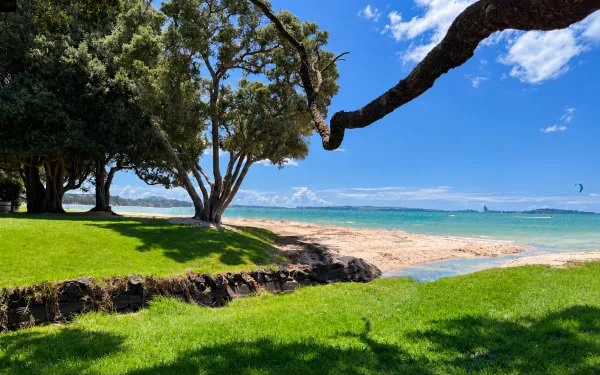
Launching and landing take place from a relatively small beach area associated with nearby public reserve access. The surface consists of compact sand mixed with pebbles, shells and occasional debris, requiring careful inspection before laying out kite equipment. The limited space can become restrictive when several riders are preparing or landing simultaneously, particularly at higher tides. Parking and access are generally convenient through surrounding suburban streets and reserve areas, but riders should avoid obstructing pathways or launching close to pedestrians, dog walkers and other recreational users. Selecting a clear rigging area and maintaining adequate clearance from vegetation, buildings and shoreline obstacles are essential for safe kite handling.
Tamaki Estuary Sandbar is best suited to intermediate kitesurfers seeking sheltered freeriding and flat-water progression. Beginners may benefit from supervised instruction in appropriate conditions, but the restricted launching area, tidal currents and changing water depth make independent learning less suitable. More experienced riders can enjoy controlled freestyle and efficient cruising when the estuary is sufficiently flooded, although limited space and shallow sections reduce its appeal for aggressive jumping or high-speed manoeuvres. A freeride twin-tip board is the most versatile equipment choice, preferably with fins suitable for shallow water. Hydrofoiling may be possible in deeper channels but requires particular caution because of submerged sandbanks and variable depth. A 3/2 mm wetsuit is generally suitable during warmer months, while a 4/3 mm wetsuit provides additional comfort during cooler periods.
The main hazards include shallow sandbanks, changing tidal currents, restricted launching space and wind turbulence caused by the surrounding suburban environment. Falling in very shallow water can result in injury, particularly during jumps or fast manoeuvres, while exposed shells, stones and debris may damage equipment or cause cuts. Stronger tidal flows can make returning to the launch more difficult, especially when combined with an unfavourable wind direction. Riders should also remain clear of other water users, reserve visitors and any marked navigation channels. Checking the tide, inspecting the launching surface and confirming sufficient water depth are essential before every session.
Tamaki Estuary Sandbar offers a convenient combination of sheltered flat water, shallow riding areas and accessible suburban launching conditions within Auckland. Its greatest appeal lies in relaxed freeriding, practising technique and enjoying manageable sessions without the swell and shorebreak of exposed ocean beaches. Although tidal timing, limited rigging space and localised wind effects require attention, the estuary can provide rewarding flat-water kitesurfing for riders who understand its changing conditions and respect the shared waterfront environment.
Something missing or out of date at this spot? Suggest a correction
Tamaki Estuary Sandbar is best suited for
Spot profile
Family spot
Located in an area that offers amenities for all the family and can provide good alternatives for everyone when the kiters are in the water.
Local spot
Maybe not be worth a real journey to reach this spot, but great if you live close by and it is a windy day. In the end, being out on the water feels great anywhere
Equipment
A medium-size kite is sensible for average wind at this estuary, usually something in the 9-12m range depending on rider size and the specific day's forecast. In the warmest months, a shorty or just board shorts may be enough, but as soon as the temperature drops or windchill is strong, a spring suit or full wetsuit keeps sessions longer and more comfortable. The bottom and launch are patchy with shells and pebbles, so lightweight booties are a smart choice for most riders who don't want to risk cuts or bruised toes; in the high summer locals sometimes ride barefoot. Twin-tip boards set up for freeride or basic freestyle handle the flatwater well; a board with positive upwind performance helps a lot on choppy days or if wind shifts push riders toward the channels.
Wind Conditions
Main wind directions at Tamaki Estuary Sandbar
Windy days per month in Tamaki Estuary Sandbar
Wind Speed Range
From 12 to 25 Knots
Suggested sizes
Forecast on Windy.com
Kitesurfing Safety & Local Rules at Tamaki Estuary Sandbar
The main hazards at Tamaki Estuary Sandbar, in Auckland, are rapidly changing tidal depths and the abrasive seabed exposed at low tide. As the water recedes, the usable riding area shrinks considerably, revealing shells, pebbles, rocks and occasional broken glass or debris. These surfaces can cause foot injuries, damage equipment or make walking back to shore difficult. Shallow sections may also become unsuitable for riding, while falling water levels can leave riders stranded on exposed sandbanks. Check tide tables carefully, inspect the seabed before launching and consider protective footwear when entering or leaving the water.
Although the estuary is generally sheltered from ocean swell, deeper channels can develop strong tidal currents and irregular chop, particularly when wind opposes the tidal flow. Sudden changes in current speed, water depth and wind strength may make kite control and returning to the launch more challenging. The narrow sandbar also provides limited room for rigging and landing, especially when several kitesurfers are present. Avoid unfamiliar channels, maintain sufficient clearance from shallow or abrasive areas and plan your return before the tide drops too far.
The shoreline and surrounding reserve areas are shared with families, picnickers, walkers and dog owners, creating additional risks during launching and landing. Limited beach space increases the likelihood of tangled lines, accidental kite drops and collisions with bystanders. Inspect the rigging area for sharp objects, secure equipment properly and always use an appropriate kite safety leash. Keep paths and public areas clear, avoid flying kites over other visitors and respect local reserve rules. Careful tide planning and considerate use of the confined launching area are essential for a safe session.
Location
Closest City
Auckland
How to get There
Drive to the eastern side of the Tamaki Estuary in Auckland, using local roads toward the Pakuranga or Farm Cove area and the nearby reserve or boat club access points. Auckland Airport is the main gateway by air; from there it is a drive across the city's eastern suburbs to parking near the reserve, then a short walk to the north-facing beach section where most kiters set up.
Access
The spot is publicly reachable through the Auckland eastern-suburb road network and reserve access points. Access does not require a permit, but use is tied to local parking and reserve areas, with clearly signed car parks and marked pedestrian routes to the launch beach. The approach is direct by car, usually with just a short walk required to set up at the sandbar.
No-Wind Days: What to Do Around Tamaki Estuary Sandbar
Located along the Tāmaki Estuary in eastern Auckland, Tamaki Estuary Sandbar offers a surprisingly peaceful natural setting within New Zealand's largest city. Surrounded by residential neighbourhoods, waterfront reserves and extensive walking and cycling routes, the area combines sheltered estuary scenery with easy access to urban amenities. Its proximity to Panmure, Point England, Pakuranga and Auckland's eastern suburbs makes it particularly convenient for families and non-kiting partners who want to enjoy outdoor activities without travelling far from the city. During no-wind days, visitors can explore coastal reserves, discover local wildlife or venture into central Auckland for sightseeing, shopping and cultural attractions.
The Tāmaki Estuary itself is an interesting environment of tidal channels, sandbanks, mudflats and sheltered waterways. Its changing landscape provides opportunities for photography, birdwatching and peaceful walks along the shoreline. At low tide, extensive areas of exposed sediment attract feeding shorebirds, while the surrounding vegetation and coastal reserves provide habitat for other wildlife. The estuary is best appreciated from established paths and observation areas, as soft mud, tidal currents and variable water quality can make direct access hazardous. Swimming is generally better enjoyed at designated beaches elsewhere around Auckland, where conditions and water quality can be checked more easily.
Point England Reserve is one of the area's most attractive recreational spaces, offering extensive grassy areas, coastal views and opportunities for walking, cycling and family outings. The reserve's open landscape makes it popular for picnics, outdoor games and relaxed afternoons beside the water. Walking routes follow sections of the estuary shoreline, providing views towards the surrounding suburbs and tidal flats. The wider Point England area also has ecological importance because of its coastal habitats and birdlife. Visitors should remain on designated paths where appropriate and avoid disturbing sensitive shoreline environments.
Nearby Tahuna Torea Nature Reserve is another highlight, particularly for visitors interested in birdwatching and native coastal ecosystems. Located on a peninsula extending into the Tāmaki Estuary, the reserve contains wetlands, regenerating vegetation and peaceful walking tracks. Its sheltered environment attracts a variety of native and migratory birds, making it an enjoyable destination for nature photography and quiet exploration. The trails provide attractive views across the water and surrounding neighbourhoods, while the reserve's relatively compact size makes it suitable for a short excursion. Tahuna Torea is especially rewarding during the quieter hours of early morning and late afternoon.
Walking and cycling are among the best ways to discover Auckland's eastern waterfront. The wider network of shared paths and local routes connects parks, residential areas and sections of the estuary, allowing visitors to enjoy the coastline at their own pace. Panmure Basin, a short distance inland, is another popular destination with a scenic walking and cycling circuit around a volcanic explosion crater now filled with tidal water. The route offers attractive views, recreational spaces and opportunities for exercise without leaving the city. These accessible outdoor activities are particularly appealing for families and non-kiting partners looking for alternatives to spending the entire day beside the estuary.
Auckland's eastern beaches provide additional opportunities for relaxation and sightseeing. Mission Bay, Kohimarama and St Heliers are popular waterfront destinations with sandy beaches, cafés, restaurants and beautiful views across the Waitematā Harbour. The scenic Tāmaki Drive route connects these neighbourhoods with central Auckland, making it easy to combine a coastal outing with lunch or an afternoon walk. Visitors can also explore the nearby Michael Joseph Savage Memorial Park, which offers landscaped gardens and panoramic harbour views, or visit SEA LIFE Kelly Tarlton's Aquarium for an indoor family attraction. These destinations are particularly enjoyable when the weather is calm or unsuitable for watersports.
Central Auckland offers an extensive selection of cultural attractions, entertainment and shopping. Visitors can explore the Auckland War Memorial Museum, stroll through Auckland Domain or discover the waterfront precincts around Viaduct Harbour and Wynyard Quarter. The city also provides ferry connections to destinations such as Devonport and Waiheke Island, where travellers can enjoy coastal walks, cafés, vineyards and scenic viewpoints. Auckland's combination of urban attractions and accessible natural landscapes makes it easy to create varied itineraries for groups with different interests, from families with children to couples seeking relaxed sightseeing and dining experiences.
Accommodation and dining options are plentiful throughout Auckland's eastern suburbs, with hotels, motels, serviced apartments and holiday rentals available in surrounding neighbourhoods. Panmure, Pakuranga and nearby shopping areas provide supermarkets, cafés, takeaway restaurants and essential services, while central Auckland offers a much broader selection of accommodation and entertainment. The Tāmaki Estuary is accessible by car from several surrounding suburbs, although the most convenient access point depends on the particular sandbar and shoreline area. Public transport connections are available through local buses and the wider Auckland rail network, but reaching some waterfront reserves may require additional walking. A car or bicycle is useful for exploring multiple locations around the estuary and eastern beaches.
With its peaceful tidal landscapes, accessible nature reserves and excellent proximity to Auckland's attractions, Tamaki Estuary Sandbar offers plenty to enjoy beyond kitesurfing. Whether watching birds at Tahuna Torea, cycling around Panmure Basin, relaxing in Point England Reserve or discovering the beaches and cultural attractions of central Auckland, visitors will find a rewarding combination of outdoor recreation and urban convenience. Its accessible location and variety of nearby activities make the area particularly suitable for families, non-kiting partners and travellers combining a kitesurfing trip with a city break in Auckland.
Other kitesurfing spots near Tamaki Estuary Sandbar
All kitesurfing spots in New Zealand
Last updated: