
Kitesurfing in Eastern Beach
Auckland · New Zealand
- Spot type Chop
- Rider level intermediate
- Water Dark - Clear
- Beach Sand
- Crowd Seasonal crowd
- Tide effect OK low tide
Kitesurfing in Eastern Beach: Conditions, Wind & Season
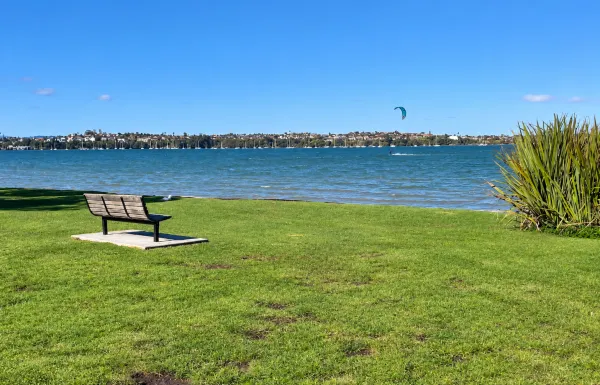
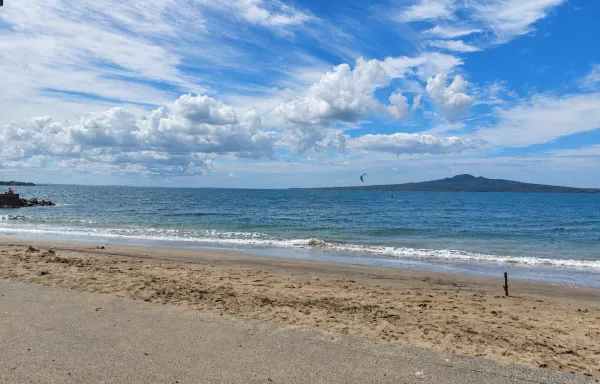
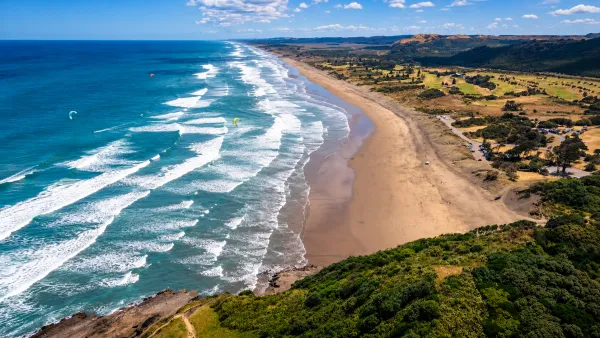
Eastern Beach is a sheltered coastal kitesurfing location in East Auckland, situated near Howick and Bucklands Beach on the eastern shores of New Zealand's North Island. Facing the Hauraki Gulf, this relatively compact sandy beach offers a convenient alternative to Auckland's more exposed ocean kitesurfing locations. Its protected setting, generally manageable water conditions and proximity to residential areas make it attractive to local riders looking for freeriding and occasional freestyle opportunities. Unlike the powerful surf beaches of Auckland's west coast, Eastern Beach is characterised by small wind-driven chop, changing tidal depths and a narrow launching area that requires careful attention to wind direction, beach space and other recreational users.
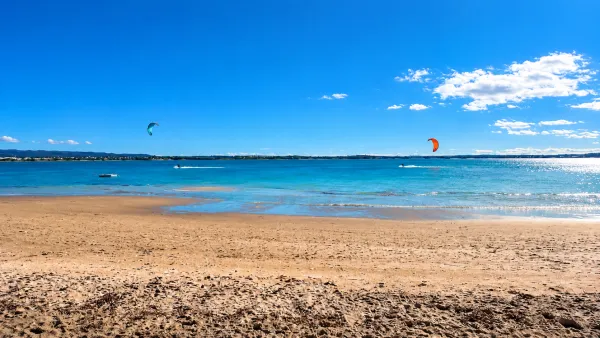
The main riding area extends into the sheltered waters of the Hauraki Gulf, where the surrounding coastline and offshore islands provide some protection from larger ocean swell. Water conditions generally range from relatively smooth to moderately choppy, depending on wind strength, direction and the distance from shore. During lighter winds, the surface can remain fairly flat, creating enjoyable conditions for relaxed freeriding and practising transitions. As the wind increases, short wind-driven chop develops across the more exposed sections, providing small ramps for controlled jumps and carving manoeuvres. Significant breaking waves are uncommon, making Eastern Beach primarily a freeride location rather than a destination for dedicated wave kitesurfing.
Wind conditions at Eastern Beach are influenced by Auckland's regional weather patterns and the orientation of the Hauraki Gulf coastline. Northeasterly and easterly winds are among the more favourable directions, generally bringing onshore or cross-onshore airflow to the beach. These winds can provide enjoyable freeriding conditions when they develop with sufficient strength and remain reasonably consistent. Other wind directions may be less suitable because the surrounding headlands, trees and residential development can create wind shadows or turbulence. Offshore winds should be approached with particular caution, as the sheltered appearance of the water can disguise the difficulty of returning to shore following equipment failure. Riders should assess the actual wind angle at the beach rather than relying exclusively on regional forecasts.
Kitesurfing opportunities occur throughout the year when suitable weather conditions develop, although the warmer months generally provide more comfortable temperatures and longer daylight hours. Spring and summer can bring sea-breeze activity around the Hauraki Gulf, while autumn may also offer favourable riding opportunities when regional wind patterns align with the beach. The strength and consistency of these winds vary considerably, and Eastern Beach should not be considered a location with guaranteed daily thermal winds. Some sessions may require larger kites or light-wind equipment, while stronger weather systems can generate more powered conditions. Careful attention to local wind forecasts is particularly important because the relatively sheltered coastline can produce significant differences between predicted and actual wind strength.
Tides play an important role in determining the available launching space and water depth. Eastern Beach has a relatively narrow sandy shoreline, and higher tides can bring the water close to the seawall or upper beach, leaving limited room for preparing equipment and launching safely. At lower tide, more sand becomes exposed, potentially providing additional rigging space, although riders may need to walk farther across shallow areas to reach sufficient water depth. The relationship between beach width and usable riding water changes throughout the tidal cycle, making it important to plan sessions around both wind and tide. A suitable wind forecast alone does not guarantee that the launching area will be safe or accessible.
The seabed is predominantly sandy, with shallow nearshore sections extending away from the beach. This generally provides a more forgiving environment than rocky or reef-based locations, but riders should still be alert to shells, occasional submerged obstacles and variations in water depth. At lower tidal stages, some areas may become too shallow for safe jumping or hydrofoil riding, while deeper sections farther offshore may offer more consistent clearance. Water clarity varies with wind, tide and sediment movement, so underwater hazards are not always easy to identify. Protective footwear may be useful when walking across exposed sand or shell-covered sections, particularly during lower tides.
Freeriding is the main attraction at Eastern Beach. During moderate northeasterly or easterly winds, twin-tip riders can enjoy cruising across the relatively sheltered water, practising transitions, improving upwind technique and developing controlled carving manoeuvres. Intermediate riders may also find opportunities for basic freestyle progression when the water is sufficiently smooth and there is adequate space away from other beach users. Stronger winds can create small ramps for jumping, although the shallow nearshore water and compact launching environment make aggressive big-air manoeuvres inappropriate close to shore. The spot is generally better suited to relaxed freeriding and technical practice than to advanced wakestyle or high-powered freestyle sessions.
Hydrofoil kitesurfing and wing-foiling may be possible during suitable wind and tidal conditions, particularly in deeper water beyond the shallow nearshore sections. The relatively smooth surface of the Hauraki Gulf can provide enjoyable foil conditions when the wind is steady, but water depth must be assessed carefully before launching. At lower tide, shallow sand flats may restrict the available routes and increase the risk of striking the seabed with a foil mast. Wing-foilers may find the location convenient during moderate winds, although they must also account for beach congestion and the presence of other water users. As with conventional kitesurfing, foil sessions should only be attempted when the wind direction allows a safe return to shore.
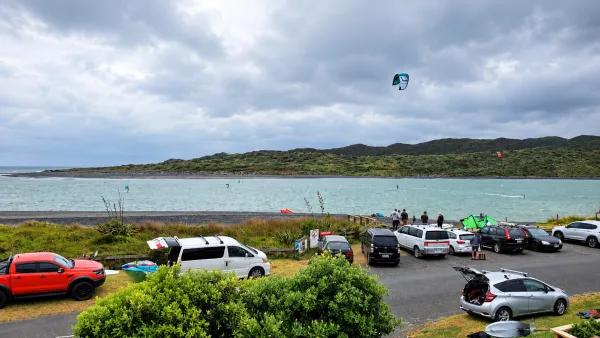
Launching and landing are among the most important considerations at Eastern Beach. The sandy shoreline is relatively compact, and the available space can become severely restricted at higher tide or during busy recreational periods. The beach is surrounded by residential areas and public access points, with nearby trees, seawalls and other obstacles potentially creating hazards for powered kites. Riders should avoid launching close to pedestrians, swimmers or parked equipment and should never assume that a narrow strip of sand provides sufficient safety clearance. Current Auckland Council regulations, any local kitesurfing restrictions and designated swimming areas should be checked before preparing equipment. If adequate separation from other beach users cannot be maintained, launching should be postponed or an alternative location selected.
Eastern Beach is a popular public recreational area, particularly during summer, weekends and warm afternoons. Swimmers, paddleboarders, kayakers and other water users may occupy the nearshore water, while pedestrians and families use the sandy beach. This shared environment requires careful coordination and a conservative approach to kite handling. Kitesurfers should maintain generous separation distances, avoid riding through swimming areas and remain alert to recreational boats operating farther offshore. The relatively sheltered conditions can encourage less experienced riders onto the water, but the compact beach and potential for gusty winds near obstacles mean that safe launching technique and reliable kite control are essential.
Eastern Beach is generally most appropriate for intermediate kitesurfers who already possess reliable upwind ability and confidence launching and landing in limited space. The relatively flat water can be suitable for improving board control and practising basic manoeuvres, but the narrow beach and shared public environment make it less appropriate for independent beginners. Initial lessons should take place only under qualified supervision and where local regulations and available space permit. More experienced riders can enjoy convenient freeride sessions when conditions align, although those seeking powerful waves, extensive downwinders or large open-water jumping areas may prefer other locations around Auckland.
Water temperatures around Auckland's Hauraki Gulf vary seasonally, with warmer conditions during summer and noticeably cooler water during winter. A wetsuit is advisable for much of the year, particularly during longer sessions or when stronger winds increase heat loss. Riders should also monitor changing weather conditions, as wind direction and strength can shift during passing weather systems. Although Eastern Beach is close to urban infrastructure, dedicated kitesurfing rescue assistance should not be assumed. Reliable self-rescue skills, careful equipment checks and conservative decisions about offshore winds are important for safe independent riding. Particular attention should be paid to returning before the tide significantly reduces the available landing space.
For riders searching for kitesurfing at Eastern Beach, flat-water kite spots in Auckland or sheltered freeriding locations around the Hauraki Gulf in New Zealand, this accessible urban beach offers an appealing combination of relatively smooth water, seasonal wind opportunities and convenient coastal access. Its greatest strengths are the absence of powerful ocean surf, opportunities for relaxed freeriding and the possibility of enjoying short sessions close to East Auckland. However, the narrow launching area, changing tidal depths, potential wind turbulence and heavy recreational beach use require careful preparation. For intermediate riders who select suitable wind and tide conditions and respect local access rules, Eastern Beach can provide enjoyable and practical kitesurfing sessions along Auckland's eastern coastline.
Something missing or out of date at this spot? Suggest a correction
Eastern Beach is best suited for
Spot profile
Family spot
Located in an area that offers amenities for all the family and can provide good alternatives for everyone when the kiters are in the water.
Local spot
Maybe not be worth a real journey to reach this spot, but great if you live close by and it is a windy day. In the end, being out on the water feels great anywhere
Equipment
A freeride or all-round kite setup in the 8-14m size range handles most sessions, with a larger kite sometimes needed in lighter winds common outside the peak season. A medium twin-tip board is suitable for the slightly choppy to flat conditions here, but switching to a bigger board can be helpful for lighter or more marginal days at low tide. Wetsuits are the norm in New Zealand—most riders switch to a 3/2 or shorty in the warmest months (January to March), while 4/3 or even 5mm suits are common from late autumn through early spring for added warmth in colder water. Booties are optional, as the sandy bottom is generally forgiving, but they add comfort if the sand feels rough or you are launching around driftwood or other debris after storms.
Wind Conditions
Main wind directions at Eastern Beach
Windy days per month in Eastern Beach
Wind Speed Range
From 10 to 25 Knots
Suggested sizes
8 - 9 mt
10 - 11 mt
12 - 13 mt
14 mt and above
Forecast on Windy.com
Kitesurfing Safety & Local Rules at Eastern Beach
The main hazards at Eastern Beach come from its limited launching space and busy urban setting. At high tide, the water approaches the seawall, significantly reducing the available sand for rigging, launching and landing. This increases the risk of kite collisions with hard structures or other beach users, particularly during crowded summer afternoons. Plan sessions around the tide and avoid launching when there is insufficient room to handle a kite safely.
Although the sheltered bay generally offers manageable water conditions, tidal currents can become stronger near the channel outside the main riding area. Less experienced riders should avoid drifting too far from shore and remain aware of changing water depths. After storms, driftwood, floating debris and other obstacles may also be present. Check the shoreline and water before launching, and do not assume that dedicated rescue services are available.
Eastern Beach is shared with swimmers, families, walkers, dogs and other recreational users, making careful kite control and generous safety distances essential. Keep kite lines away from pedestrians, avoid crowded swimming areas and allow extra space around lessons or other organised activities. Local council restrictions or temporary access limitations may apply during busy periods and events, so always check posted signs and current regulations before riding.
Location
Closest City
Auckland
How to get There
Drive from central Auckland to Howick/Eastern Beach in about 25-40 minutes depending on traffic. For air travel, the nearest major airport is Auckland Airport, then continue by rental car or taxi/ride-share to the east side of Auckland.
Access
Eastern Beach is publicly accessible as a regular urban beach in Auckland, with parking and basic facilities noted in spot guides. No special transport is required beyond reaching the Howick area by car, and access appears to be open year-round, though local restrictions or permit requirements should be checked before launching if any site-specific rules apply.
No-Wind Days: What to Do Around Eastern Beach
Beyond kitesurfing, Eastern Beach offers a relaxing combination of seaside recreation, scenic coastal walks and easy access to Auckland's many attractions. Located in the eastern suburbs of Auckland, near Howick and Bucklands Beach on New Zealand's North Island, this attractive residential beach overlooks the beautiful waters of the Hauraki Gulf. Its sandy shoreline, grassy reserves and peaceful neighbourhood atmosphere make it particularly appealing for families and visitors seeking a quieter alternative to Auckland's busier beaches. With cafés, restaurants, shopping areas and recreational facilities nearby, Eastern Beach is an excellent base for enjoying the city's coastal lifestyle. For a kitesurfing trip with non-kiters or a family holiday in Auckland, the area provides plenty of opportunities to relax, explore and discover the surrounding coastline.
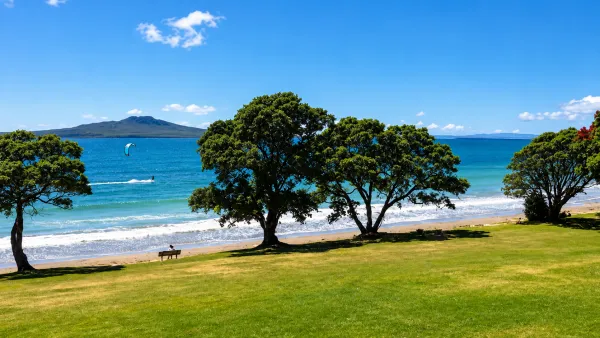
Eastern Beach itself is one of the main attractions, offering a pleasant sandy shoreline with beautiful views across the Hauraki Gulf towards Rangitoto Island and the surrounding coastal landscape. The beach is popular for swimming, sunbathing, beach walks and family outings, particularly during the warmer months. Its generally sheltered position creates an inviting atmosphere on calm days, although swimming conditions depend on tides, weather and water quality. Visitors should check local swimming advice, especially after heavy rainfall. The beachfront includes grassy areas, picnic facilities and recreational spaces where families can spend time outdoors. The changing light across the gulf makes Eastern Beach particularly attractive for photography, while the relatively peaceful surroundings provide an enjoyable setting for reading, relaxing or watching boats passing offshore.
One of the most enjoyable activities around Eastern Beach is exploring the scenic coastal roads and walking routes connecting the surrounding suburbs. The area features attractive residential streets, waterfront reserves and viewpoints overlooking the Hauraki Gulf. Visitors can enjoy leisurely walks along the shoreline, discover quiet sections of the coast or explore nearby beaches and parks. The combination of sandy bays, rocky headlands and coastal vegetation creates a varied landscape that is particularly rewarding during clear weather. Walking and cycling are popular activities throughout Auckland's eastern suburbs, although some coastal roads have limited dedicated cycling infrastructure and require attention to traffic. The area's relaxed atmosphere and beautiful harbour views make it ideal for visitors who enjoy exploring coastal neighbourhoods at an unhurried pace.
A short distance from Eastern Beach, Bucklands Beach offers another attractive waterfront destination with beautiful views across the Hauraki Gulf and the entrance to the Tāmaki Estuary. This residential coastal area features sandy beaches, waterfront walking routes and pleasant places to relax beside the water. Visitors can explore the shoreline, enjoy photography or stop at nearby cafés and restaurants. Bucklands Beach is particularly attractive during the late afternoon, when the setting sun illuminates the surrounding hills and harbour. The nearby marina area at Half Moon Bay provides additional opportunities for waterfront sightseeing, with numerous yachts and recreational boats creating a lively maritime atmosphere. Exploring Eastern Beach, Bucklands Beach and Half Moon Bay together makes an enjoyable coastal outing without travelling far from the original beach.
One of the most interesting nearby attractions is Musick Point, also known as Te Naupata, a scenic headland overlooking the entrance to the Tāmaki Estuary and the Hauraki Gulf. The area offers impressive coastal views, with Rangitoto Island, Waiheke Island and other landmarks visible on clear days. Visitors can enjoy the peaceful surroundings, explore accessible walking areas and discover the headland's historical significance. Musick Point is associated with Auckland's early aviation and radio communications history, adding an interesting cultural dimension to the visit. The surrounding coastline provides excellent opportunities for photography, particularly when the weather is clear and the gulf is illuminated by soft morning or evening light. Visitors should remain on designated paths and respect any restricted areas around the headland.
For families and nature lovers, Howick Beach and the surrounding coastal reserves provide additional opportunities for outdoor recreation. Howick Beach is a pleasant sheltered bay with grassy areas and attractive views across the water, making it suitable for picnics, walking and relaxing beside the coast. Nearby reserves and neighbourhood parks offer playgrounds and open spaces where children can enjoy outdoor activities. The area's combination of coastal scenery and suburban facilities makes it particularly convenient for mixed groups with different interests. Visitors can spend the morning exploring the shoreline before stopping for lunch in Howick Village or continuing towards other beaches along Auckland's eastern coastline.
Howick Village is one of the most appealing cultural and shopping destinations near Eastern Beach. Known for its historic character and relaxed community atmosphere, the village features independent boutiques, cafés, restaurants and heritage buildings. Visitors can explore the local streets, discover specialty shops or enjoy breakfast and lunch at one of the many cafés. The Howick Village Market, held on selected market days, is a popular attraction featuring fresh produce, artisan foods, crafts and local products. The village also offers opportunities to learn about Auckland's early European settlement history and the development of the eastern suburbs. Its combination of shopping, dining and local culture makes Howick particularly enjoyable for non-kiting partners who want to explore beyond the beach.
For visitors interested in history, the Howick Historical Village is one of the area's most distinctive attractions. Located within Lloyd Elsmore Park, this open-air heritage museum recreates aspects of nineteenth-century life in Auckland through historic buildings, exhibitions and costumed interpretation during selected events. Visitors can explore restored cottages, workshops and other structures while learning about the region's colonial history and everyday life during the period. The museum offers an educational experience for families, history enthusiasts and travellers interested in New Zealand's cultural heritage. Special events and interactive activities may be available throughout the year, so checking the programme before visiting is recommended. Further information is available through the Howick Historical Village official website.
Another excellent destination for families is Lloyd Elsmore Park, one of the largest recreational areas in Auckland's eastern suburbs. The park features extensive green spaces, sports facilities, walking paths and recreational amenities suitable for visitors of different ages. Families can enjoy picnics and outdoor games, while walkers and joggers can explore the surrounding paths. The park is also home to the Howick Historical Village and provides access to other recreational attractions in the area. Its spacious environment offers a pleasant contrast to the coastal setting of Eastern Beach, particularly on days when visitors prefer activities away from the water. The combination of parkland, sports facilities and cultural attractions makes Lloyd Elsmore Park a convenient destination for a relaxed family outing.
For travellers seeking more extensive shopping and entertainment options, Botany Town Centre provides a major retail destination within a short drive of Eastern Beach. This open-air shopping complex features a wide variety of stores, restaurants, cafés and entertainment facilities, making it particularly useful during rainy or windless days. Visitors can browse international and local brands, enjoy casual dining or explore the surrounding retail areas. The centre is especially convenient for families and groups looking for activities that do not depend on the weather. Nearby suburbs also provide supermarkets, specialty food shops and other practical services, making the eastern Auckland area comfortable for longer stays. Additional information about Auckland's attractions, shopping and events is available through Auckland's official visitor website.
One of the greatest advantages of staying near Eastern Beach is the opportunity to explore the Hauraki Gulf and its beautiful islands. Ferry services from Half Moon Bay provide connections to selected destinations, including central Auckland and Waiheke Island, depending on current routes and schedules. Waiheke Island is particularly popular for its beaches, vineyards, art galleries and scenic coastal landscapes. Visitors can enjoy wine tastings, explore small villages or discover walking trails overlooking the gulf. Rangitoto Island, accessible through ferry services departing from other Auckland terminals, offers a completely different experience, with volcanic landscapes, native vegetation and spectacular views from its summit. Ferry timetables, availability and departure locations should always be checked before planning an island excursion.
Central Auckland is also within reach for visitors interested in museums, cultural attractions and urban sightseeing. The Auckland War Memorial Museum provides fascinating exhibitions covering Māori culture, New Zealand history and the country's natural environment. The Auckland Art Gallery Toi o Tāmaki showcases an extensive collection of national and international artworks, while the Sky Tower offers panoramic views across the city and surrounding harbours. Auckland's waterfront districts, including the Viaduct Harbour and Wynyard Quarter, are popular for restaurants, cafés and scenic walks beside the marina. Visitors can also explore the city's parks, shopping streets and cultural venues, creating a varied programme for days when beach activities are less appealing. The combination of coastal relaxation and urban entertainment is one of the main advantages of choosing Eastern Beach as a holiday base.
For nature lovers and outdoor enthusiasts, the wider eastern Auckland coastline offers numerous additional destinations. The beaches and coastal reserves around Maraetai and Beachlands provide beautiful views across the Hauraki Gulf, while the regional parks farther south offer opportunities for hiking, picnicking and exploring native landscapes. Duder Regional Park, located near Maraetai, features scenic walking trails across rolling coastal farmland and headlands overlooking the gulf. The park is also significant for its Māori heritage and conservation values. Visitors can enjoy panoramic viewpoints, observe birdlife and discover a quieter rural side of Auckland. Walking conditions vary with weather and track maintenance, so visitors should check current access information and follow designated routes.
For anyone planning a kite trip to Eastern Beach and wondering what else there is to do, Auckland's eastern suburbs offer an excellent combination of coastal scenery, family-friendly recreation and cultural experiences. A no-wind day can include walking along Eastern Beach, exploring the waterfront around Bucklands Beach and Half Moon Bay, visiting the historic Howick Village or discovering the exhibits at Howick Historical Village. Families and non-kiting partners can enjoy parks, playgrounds, shopping and cafés, while more adventurous visitors can explore Duder Regional Park or take a ferry excursion into the Hauraki Gulf. With its peaceful seaside atmosphere, convenient facilities and easy access to Auckland's wider attractions, Eastern Beach is an excellent destination for combining kitesurfing with a varied and enjoyable holiday in New Zealand's largest city.
Other kitesurfing spots near Eastern Beach
All kitesurfing spots in New Zealand
Last updated: