
Kitesurfing in Monkey Island
Invercargill · New Zealand
- Spot type Wave
- Rider level intermediate
- Water Dark - Clear
- Beach Sand
- Crowd Few people
- Tide effect Conditions vary
Kitesurfing in Monkey Island: Conditions, Wind & Season
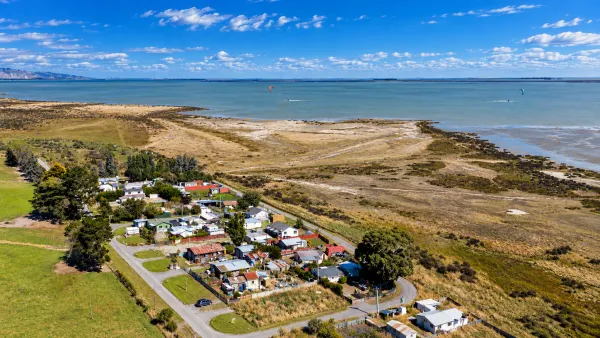
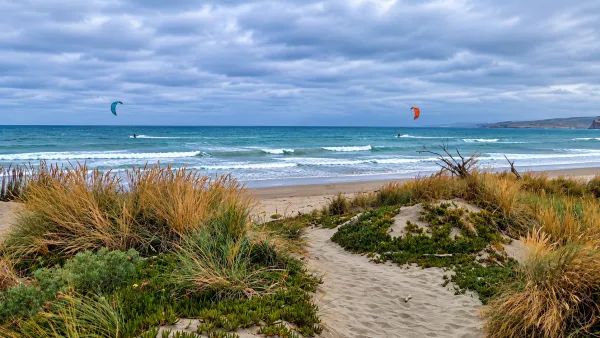
Monkey Island is an exposed ocean kitesurfing spot on the southern coast of New Zealand's South Island, near Orepuki in the Southland region. Located along the eastern side of Te Waewae Bay, approximately 50 kilometres west of Invercargill, this rugged stretch of coastline faces the powerful weather systems and swells of the Southern Ocean. The spot offers open-water freeriding, breaking waves and challenging wind-driven chop rather than sheltered flat-water conditions. Its long sandy beach, rocky offshore island and relatively uncrowded setting make Monkey Island particularly attractive to experienced kitesurfers seeking demanding wave sessions in one of New Zealand's southernmost coastal environments.
The most relevant kitesurfing winds generally come from the northwest, west and southwest, although their suitability depends on the precise launching position and local coastline orientation. Westerly and southwesterly weather systems frequently affect Southland, bringing strong winds that can produce powerful riding conditions. Frontal passages may generate sudden gusts, rapid wind shifts and significant changes in weather, making careful forecast assessment essential. Autumn, winter and spring can offer frequent opportunities associated with passing weather systems, while summer may provide more comfortable temperatures and occasional suitable wind events. Wind strength can vary considerably, so riders should select their equipment according to actual conditions rather than assuming that a particular season guarantees consistent wind.
Water conditions at Monkey Island are predominantly wavy and choppy, with Southern Ocean swell regularly reaching the exposed coastline. Depending on swell direction, tide and wind strength, riders can encounter rolling waves, short breaking sections and rougher wind-driven chop. When suitable wind and swell align, the beach can provide enjoyable directional wave riding, including carving turns and down-the-line sections. Stronger winds may create additional chop between the waves, making freeriding and jumping physically demanding. The spot is not suitable for traditional flat-water freestyle, while hydrofoiling is generally less practical because of breaking waves, variable water depth and the presence of rocky hazards near the island.
The shoreline consists mainly of sand, providing potential launching and landing areas along the open beach. However, the usable space changes with the tide, and higher water levels can reduce the distance between the waterline and shoreline obstacles. The small rocky island just offshore is connected to the beach at low tide, creating an additional hazard for riders entering or leaving the water nearby. Submerged rocks and uneven seabed features may also be present around the island, particularly when water levels rise. Riders should choose a launching area well away from the rocky outcrop and inspect the beach carefully before preparing their equipment. The most suitable entry point depends on the combination of tide, wind direction and surf conditions.
Access to Monkey Island is straightforward by road from Orepuki, with parking available close to the beach and a relatively short walk to suitable rigging areas. The surrounding coastline is generally quiet, allowing riders to prepare equipment without the congestion typical of more developed beaches. However, there are no dedicated kitesurfing facilities or organised rescue services, so sessions should be planned independently and with appropriate safety precautions. The exposed shoreline offers limited protection from strong winds, and launching should only be attempted where sufficient space is available to maintain clearance from rocks, vehicles, vegetation and other beach users.
Monkey Island is best suited to advanced kitesurfers experienced in wave riding, strong winds and rapidly changing coastal conditions. Confident intermediate riders may find suitable opportunities during smaller swell and moderate cross-shore or cross-onshore winds, but the exposed setting makes the spot unsuitable for beginners. A directional surfboard paired with a responsive wave kite is the preferred equipment for riding the breaking waves, while a manoeuvrable twin-tip can be used for freeriding and jumping when conditions permit. Kite sizes around 7–12 m² may cover a range of moderate winds, with smaller sizes necessary during stronger frontal conditions. A 5/4 mm wetsuit is recommended for much of the year, with neoprene boots, gloves and a hood providing additional protection during colder sessions.
The main hazards include powerful ocean swell, breaking shorebreak, rip currents, submerged rocks and sudden changes in wind strength or direction. Strong weather systems moving across the Southern Ocean can cause conditions to deteriorate quickly, while increasing swell may make returning through the surf difficult. The rocky island presents an additional danger, particularly at higher tides when surrounding hazards may be hidden beneath the water. Cold water and the relatively remote setting increase the consequences of equipment failure or prolonged immersion. Riders should avoid launching close to the island, maintain a safe distance from rocky sections and assess potential self-rescue routes before entering the water. Independent sessions should only be attempted with suitable experience and reliable safety arrangements.
Monkey Island offers a distinctive wave-kitesurfing experience along New Zealand's rugged Southland coast, combining exposed Southern Ocean conditions, strong seasonal winds and a relatively uncrowded sandy shoreline. Its appeal lies in challenging freeriding and directional wave sessions rather than easy flat-water cruising or beginner progression. Although cold water, rocky hazards and unpredictable weather require careful preparation, Monkey Island provides a rewarding destination for experienced riders seeking adventurous ocean kitesurfing in the far south of New Zealand.
Something missing or out of date at this spot? Suggest a correction
Monkey Island is best suited for
Spot profile
Travel spot
The typical kite travel destination, it is known for its great conditions, and kiters from around the world come here for their vacations.
Adventure spot
That dream place out of the normal touristic routes. Once you reach it, you feel in paradise, it can be anything extraordinary, a hidden gem, remote and fascinating.
Local spot
Maybe not be worth a real journey to reach this spot, but great if you live close by and it is a windy day. In the end, being out on the water feels great anywhere
Equipment
Standard setup should cover a selection of kites with a 12–14 m size working well for lighter winds typical of sea breezes or settled conditions, while 9–10 m or even 5–6 m kites are valuable for when a cold front or strong westerlies hit. Wetsuits are necessary year-round: a 5/4 mm full suit is advised from April to October and a 4/3 mm may suffice during the summer months. Booties are useful for walking across coarse sand or uneven patches, especially at lower tide. Twintip or directional boards work well; foils can be used only during lighter, steadier wind days, but strong winds and persistent ocean movement tend to support standard surf or freeride boards.
Wind Conditions
Main wind directions at Monkey Island
Windy days per month in Monkey Island
Wind Speed Range
From 15 to 30 Knots
Suggested sizes
Forecast on Windy.com
Kitesurfing Safety & Local Rules at Monkey Island
The main hazards at Monkey Island, on New Zealand's exposed southern coastline, are rapidly changing weather, strong gusts and unpredictable surf conditions. Passing frontal systems can quickly increase wind strength or alter its direction, while the open bay allows significant chop and larger waves to develop as conditions deteriorate. Although northwesterly, westerly and southwesterly winds are generally the most suitable, sudden changes can leave riders overpowered or struggling to return safely. Monitor weather and swell forecasts carefully, choose conservative kite sizes and be prepared to end a session immediately if conditions become unstable.
The nearby rocky island presents an additional hazard, particularly when strong waves, wind or tidal currents push riders toward its shoreline. Tidal eddies and changing currents around the island can complicate navigation and make upwind returns more difficult. Launching and landing space also varies considerably with the tide, with high water narrowing the sandy beach and reducing safe clearance. At lower tides, uneven ground and occasional sharp debris may be exposed. Inspect the beach before rigging, maintain generous separation from the island and its rocks, and avoid riding close to obstacles when wind or current conditions are unfavourable.
Monkey Island is a relatively remote beach without dedicated rescue services or regular lifeguard patrols. Swimmers, surfers, walkers and occasional recreational vehicles may share the shoreline, creating additional risks during launching and landing. Keep kite lines clear of other beach users, avoid crowded sections and establish a safe downwind landing area before entering the water. Riding with another experienced kitesurfer and carrying a waterproof communication device are strongly recommended. The combination of exposed surf, variable winds, tidal currents and limited emergency assistance makes this spot best suited to confident riders with reliable self-rescue skills.
Location
Closest City
Invercargill
How to get There
Drive to Orepuki on State Highway 99 in Southland, then follow the local access toward Monkey Island on the Te Waewae Bay coast. The spot is about 50 km west-northwest of Invercargill, so it is typically reached by road rather than by flight. The nearest practical airport for domestic travel is Invercargill Airport, followed by a drive west along SH99.
Access
The spot appears to be publicly accessible from the coast near Orepuki and the Southern Scenic Route/State Highway 99 area. No special permit or paid access is indicated in the available spot information, and the location is reached by road.
No-Wind Days: What to Do Around Monkey Island
Located on the wild southern coastline of New Zealand's South Island, Monkey Island is a beautiful and remote destination overlooking Te Waewae Bay in Southland. Surrounded by expansive sandy beaches, rolling green hills and the dramatic waters of the Southern Ocean, this peaceful coastal location offers an authentic experience far removed from busy tourist resorts. Its position along the Southern Scenic Route makes it an attractive stop for travellers exploring the far south of New Zealand. During no-wind days, visitors can enjoy coastal walks, photography, fishing, wildlife watching and scenic excursions through some of the country's most spectacular and least crowded landscapes.
Monkey Island Beach is the main attraction, with a broad stretch of sand and gravel extending along the exposed coastline. The beach offers beautiful views across Te Waewae Bay towards the distant mountains of Fiordland, particularly on clear days. Walking along the shoreline is a rewarding experience, with constantly changing skies, rolling waves and dramatic coastal scenery creating excellent opportunities for photography. The beach is also popular for recreational fishing and occasional surfing, although the exposed location can experience powerful waves, strong currents and rapidly changing weather. Swimming should be approached with considerable caution, especially where there are no lifeguard patrols.
The small rocky island that gives Monkey Island its name is one of the area's most distinctive landmarks. Known as Te Puka o Takitimu, it can sometimes be reached on foot at low tide, offering elevated views across the beach and surrounding coastline. Exploring the island is a memorable experience, particularly for photographers and visitors interested in unusual coastal landscapes. However, access depends entirely on tidal and sea conditions, and the crossing can become dangerous as the tide rises or waves increase. Visitors should check tide times carefully, wear suitable footwear and avoid attempting the crossing when conditions are uncertain. The island and surrounding coastline also hold cultural significance for local Māori and should be treated with respect.
The surrounding coastline provides opportunities for nature watching and peaceful outdoor exploration. Seabirds are commonly seen along the shore, while seals may occasionally appear on nearby beaches and rocky sections of the coast. Visitors should observe wildlife from a safe distance and avoid approaching or disturbing resting animals. Beachcombing and photography are enjoyable ways to explore the shoreline, although shells, marine life and other natural features should be left undisturbed where collection is restricted. The area's remote atmosphere and expansive ocean views make it particularly appealing for travellers who appreciate quiet natural environments.
Orepuki, the nearest settlement, offers a glimpse of Southland's rural and coastal heritage. Once associated with gold mining and early settlement, the small community now provides a peaceful base for exploring the surrounding countryside. Visitors can enjoy the local scenery, discover historical information and stop at the village's limited cafés or other services when available. The surrounding farmland and coastal roads offer attractive viewpoints across Te Waewae Bay, while the nearby hills provide a beautiful backdrop for scenic drives. The area is especially rewarding during sunset, when the changing light creates dramatic contrasts between the ocean, coastline and distant mountains.
Monkey Island is also an excellent starting point for exploring the Southern Scenic Route, one of New Zealand's most beautiful coastal driving itineraries. Travelling west towards Tuatapere and the edge of Fiordland reveals forested landscapes, rivers and increasingly dramatic mountain scenery. Tuatapere is known as a gateway to the Hump Ridge Track and the surrounding wilderness areas. Travelling east towards Riverton introduces another attractive coastal town with historic buildings, cafés and beaches. These excursions provide plenty of opportunities for photography, short walks and discovering the quieter communities of southern New Zealand.
For visitors with more time, Fiordland National Park offers extraordinary landscapes of mountains, forests, lakes and deep glacial valleys. While the park's most famous destinations require a longer journey, the wider region provides opportunities for hiking, wildlife watching and scenic exploration. Riverton and Invercargill are also worthwhile stops for travellers seeking cultural attractions, restaurants and additional services. Invercargill offers museums, parks and shopping facilities, while nearby Bluff provides access to coastal viewpoints and ferry connections to Stewart Island / Rakiura. These destinations can be incorporated into a longer Southland road trip rather than treated as short excursions from the beach.
Accommodation and facilities around Monkey Island are basic, reinforcing its appeal as a remote coastal destination. The nearby camping area is popular with campervan travellers and visitors seeking a simple overnight stay, although facilities and camping rules should be checked before arrival. Orepuki and the surrounding countryside offer limited guesthouses, holiday homes and small-scale accommodation, while Riverton and Invercargill provide a broader selection of motels, hotels, supermarkets and restaurants. Monkey Island is approximately 15 minutes by car from Orepuki, around 35–45 minutes from Riverton and about one hour from Invercargill. A private vehicle is essential, and visitors should carry sufficient food, drinking water, warm clothing and other supplies, as services are extremely limited along this stretch of coastline.
With its dramatic Southern Ocean scenery, accessible tidal island and peaceful rural surroundings, Monkey Island offers a memorable experience beyond kitesurfing. Whether exploring Te Puka o Takitimu at low tide, photographing the wild coastline, discovering the historic settlements of Southland or following the Southern Scenic Route towards Fiordland, visitors will find an appealing combination of outdoor adventure and quiet coastal relaxation. Its remote character and minimal development make Monkey Island particularly rewarding for independent travellers, nature lovers and non-kiting partners who appreciate the beauty and simplicity of New Zealand's far south.
Other kitesurfing spots near Monkey Island
All kitesurfing spots in New Zealand
Last updated: