
Kitesurfing in Sand Fly Bay Corn island
Corn island · Nicaragua
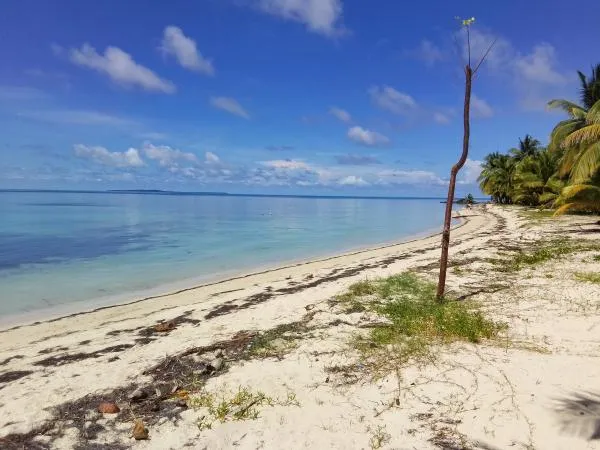
- Spot type Flat
- Rider level intermediate
- Water Crystal Clear
- Beach Sand
- Crowd No people
- Tide effect None
Kitesurfing in Sand Fly Bay Corn island: Conditions, Wind & Season
Sand Fly Bay is a secluded kitesurfing spot on the northern coast of Big Corn Island, part of Nicaragua's Corn Islands in the southern Caribbean Sea. This approximately 300-metre-long sandy beach offers a relatively sheltered riding environment, with a small offshore reef barrier helping to protect the bay from larger Caribbean waves. Its combination of warm tropical water, sandy shoreline and seasonal trade winds makes Sand Fly Bay an appealing destination for independent kitesurfers looking for uncrowded freeriding conditions away from Nicaragua's more established kiteboarding locations.
The main kitesurfing season at Sand Fly Bay generally runs from November through March, when the northeasterly Caribbean trade winds provide the most frequent riding opportunities. Suitable conditions can also develop between April and June, although wind reliability varies with regional weather patterns. The prevailing wind typically reaches the beach from a side-onshore or onshore direction, offering a relatively favourable return angle but requiring confident kite control when entering and leaving the water. Stronger trade-wind days can provide enjoyable powered sessions, while lighter conditions may favour larger kites and more efficient boards.
Water conditions are one of Sand Fly Bay's main attractions. The offshore reef barrier reduces the impact of incoming ocean swell, creating relatively flat to lightly choppy water inside the sheltered bay. This makes the spot suitable for relaxed freeriding, practising transitions and improving board control. During stronger winds, small wind-generated chop can develop, while larger waves may break along the outer reef. The water is generally warm throughout the year, and the sandy coastal environment provides a pleasant setting for extended sessions. However, depth can vary around the reef and shoreline, so riders should inspect the intended riding area before launching.
The approximately 300-metre sandy beach provides enough room for preparing equipment and launching kites when conditions are suitable. Nevertheless, the relatively short shoreline means that available space can become limited if several riders are setting up simultaneously. Onshore winds can also make launching more demanding, as the kite may pull directly toward the beach and any obstacles behind it. Riders should maintain generous clearance from vegetation, buildings and other beach users, and assisted launching and landing are recommended whenever possible. Choosing a safe entry point is particularly important when waves or shallow sections are present near the shoreline.
Sand Fly Bay is best suited to intermediate and advanced kitesurfers who can ride upwind consistently and manage onshore wind conditions. Although the reef-protected water may appear beginner-friendly, the limited beach length and need to move away from shore efficiently make independent learning less suitable. Experienced riders can enjoy freeriding and basic freestyle manoeuvres in the smoother sections, while stronger winds may provide opportunities for controlled jumps. Hydrofoil kitesurfing requires particular caution because shallow reef formations can create serious hazards for the foil mast. The spot is not primarily intended for wave riding, although experienced riders may encounter breaking waves outside the protected bay.
The main safety considerations include shallow reef areas, onshore winds, limited launching space and the possibility of stronger currents near gaps in the reef. Riders should avoid jumping over shallow coral formations and remain clear of breaking reef sections unless they have carefully assessed the conditions. Onshore winds can make returning to the beach straightforward for confident riders but also increase the risk of being pushed toward obstacles if kite control is lost. Maintaining adequate distance from shore and having reliable self-rescue skills are essential. The coral reef is also a sensitive marine environment, so riders should avoid standing on living coral or dragging equipment across reef formations.
Access to Sand Fly Bay is relatively straightforward once on Big Corn Island, although the availability of dedicated kitesurfing facilities is limited. Visiting riders should not assume that equipment rental, professional instruction or rescue services are available directly at the beach. Bringing suitable equipment, spare parts and checking local wind conditions before launching are advisable. The island's tropical climate generally allows comfortable riding in boardshorts or a swimsuit, although protective clothing can be useful during longer sessions. Local knowledge is valuable for identifying safe reef passages, suitable launching areas and any restrictions affecting the bay.
For riders searching for kitesurfing at Sand Fly Bay, kiteboarding on Big Corn Island or flat-water Caribbean kitesurfing spots in Nicaragua, this small northern bay offers an attractive combination of reef-sheltered water, seasonal trade winds and a relatively uncrowded beach. Its greatest appeal is the opportunity to enjoy relaxed freeriding in warm tropical conditions, with the offshore reef reducing larger ocean waves. However, the onshore wind direction, limited launching area and shallow reef hazards mean that Sand Fly Bay is best suited to independent riders with solid upwind skills and experience handling their equipment in unfamiliar coastal environments.
Something missing or out of date at this spot? Suggest a correction
Spot Gallery (3)


Sand Fly Bay Corn island is best suited for
Spot profile
Equipment
Lycra
Wind Conditions
Main wind directions at Sand Fly Bay Corn island
Windy days per month in Sand Fly Bay Corn island
Wind Speed Range
From 10 to 25 Knots
Suggested sizes
10 - 11 mt
12 - 13 mt
14 mt and above
Forecast on Windy.com
Kitesurfing Safety & Local Rules at Sand Fly Bay Corn island
The main hazard at Sand Fly Bay, on the northern coast of Corn Island in Nicaragua, is the reef barrier that shelters the beach from larger waves. Although the reef creates relatively flat water inside the bay, shallow coral formations can cause injuries or damage kiteboards and hydrofoil equipment. Riders should identify the reef's position before entering the water, avoid jumping over shallow sections and maintain a safe distance from breaking waves along the reef edge.
The prevailing side-onshore to onshore winds can make riding away from the beach challenging, particularly for beginners who cannot consistently maintain their upwind position. Riders who lose ground may be pushed back toward the shoreline, reducing the space available to recover control. Independent upwind riding skills are important, and sufficient clearance should always be maintained from the beach and other obstacles.
Although the approximately 300-metre sandy beach provides reasonable space for launching and landing, the available safety margin can decrease when the wind strengthens or other beach users are present. Wind conditions are generally most favourable between November and March, but their strength can vary throughout the season. Choose an appropriate kite size, assess the conditions before launching and avoid venturing toward the reef or outside the sheltered bay without the necessary experience.
Location
Closest City
Corn island
How to get There
By plane from Nicaragua mainland.
Access
Public
No-Wind Days: What to Do Around Sand Fly Bay Corn island
Beyond kitesurfing, Sand Fly Bay offers an opportunity to discover the natural beauty of Big Corn Island, located off Nicaragua's Caribbean coast. This tropical island is known for its white-sand beaches, turquoise waters, coral reefs and relaxed Afro-Caribbean atmosphere. The northern coastline around Sand Fly Bay is particularly attractive for travellers seeking tranquillity, while the island's small size makes it easy to explore other beaches, restaurants and local communities. For a kitesurfing trip with non-kiters, Big Corn Island offers enjoyable alternatives during no-wind days, especially snorkelling, scuba diving and fishing.
Snorkelling is one of the island's main attractions, thanks to the coral reefs surrounding much of its coastline. Several locations offer opportunities to observe colourful tropical fish, coral formations and other marine life when visibility and sea conditions are suitable. The northern beaches, including areas around North End and Sally Peachie, are particularly interesting for exploring the underwater environment. Visitors should avoid walking on coral and consider guided excursions when unfamiliar with reef passages or currents. More information about the island's beaches and natural attractions is available through the Nicaragua National Tourism Map.
Scuba diving is another highlight of Big Corn Island, with local dive centres offering guided excursions, certification courses and introductory experiences. The surrounding waters feature coral gardens, underwater rock formations and marine wildlife, while some dive sites include wrecks and deeper reef environments. Experienced divers may be interested in excursions to Blowing Rock, a well-known offshore dive site associated with abundant marine life. Trips depend on weather and sea conditions, and sightings of turtles, rays or reef sharks are never guaranteed. Information about available diving and snorkelling activities can be found through the Corn Island Dive Center.
For visitors who prefer relaxing on the beach, Big Corn Island offers several beautiful alternatives to Sand Fly Bay. South West Bay is particularly popular for its sheltered waters, sandy shoreline and sunset views, while Long Bay and other coastal areas provide opportunities for walking, swimming and photography. Fishing trips, kayaking and boat excursions may also be arranged through local operators. Swimming conditions vary around the island, so visitors should seek local advice about currents, waves and shallow reef areas before entering the water.
Exploring the island itself is another enjoyable activity. Big Corn Island has a strong Afro-Caribbean identity, reflected in its music, language, traditions and cuisine. Small restaurants serve fresh fish, seafood and regional specialities such as rondón, a traditional coconut-milk stew prepared with fish and root vegetables. The island's villages, colourful houses and local markets offer a glimpse of everyday Caribbean life. For panoramic scenery, visitors can explore elevated areas around Mount Pleasant, while the island's tropical vegetation and wetlands provide opportunities for nature photography and birdwatching.
Accommodation on Big Corn Island ranges from modest guesthouses and small beachfront hotels to comfortable resorts, private cabins and holiday rentals. Properties are scattered around the island, with a wider selection of restaurants and services near the main settlements and established beach areas. Accommodation immediately around Sand Fly Bay may be limited, so staying elsewhere on the island and travelling to the beach can be more practical. Taxis and local transport make it relatively easy to get around, although visitors should confirm transport arrangements when staying in quieter locations. Big Corn Island has an airport with connections to mainland Nicaragua, while passenger boats connect it with neighbouring Little Corn Island.
For travellers with additional time, Little Corn Island is an attractive excursion or extension to the holiday. Reached by boat from Big Corn Island, it offers a quieter atmosphere, walking paths, secluded beaches and excellent diving and snorkelling opportunities. Boat crossings can be rough during windy weather, so schedules and sea conditions should be checked before departure. Further information about both islands and their attractions is available through the official Nicaragua tourism website.
For anyone planning a kitesurfing holiday at Sand Fly Bay and wondering what else there is to do, Big Corn Island offers a rewarding combination of Caribbean beaches, marine adventures and local culture. A no-wind day can include snorkelling over coral reefs, joining a diving excursion, exploring the island's villages or enjoying fresh seafood beside the ocean. With its peaceful atmosphere, varied accommodation and beautiful underwater environment, Sand Fly Bay is an appealing destination for combining kitesurfing with a relaxed tropical island holiday in Nicaragua.
Local Kitesurfing Schools
Following you can find links to the page of the kitesurfing schools which operate on this spot. From there you can contact them through our form or directly via email or phone (if it was provided by them on the page).
Other kitesurfing spots near Sand Fly Bay Corn island


All kitesurfing spots in Nicaragua
Last updated: