
Kitesurfing in El Bluff Beach - Bluefields
Bluefields · Nicaragua
- Spot type Flat
- Rider level beginner
- Water Crystal Clear
- Beach Sand
- Crowd Few people
- Tide effect None
Kitesurfing in El Bluff Beach - Bluefields: Conditions, Wind & Season
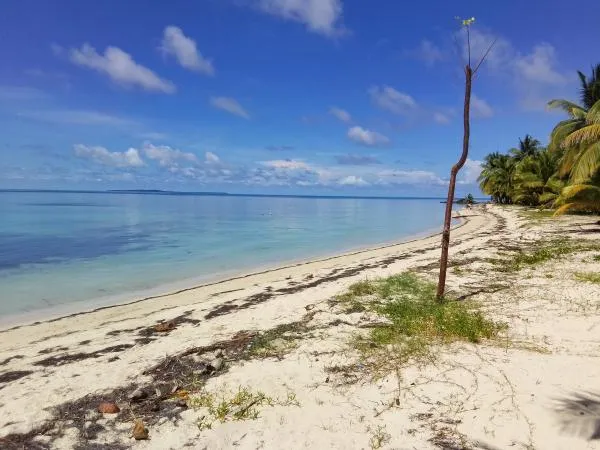
El Bluff Beach is a distinctive kitesurfing spot on Nicaragua's southern Caribbean coast, near the city of Bluefields in the South Caribbean Coast Autonomous Region. Located on a narrow strip of land separating the Caribbean Sea from Bluefields Lagoon, the spot offers two different riding environments within a short distance: open-ocean waves on the Caribbean side and more sheltered, flatter water inside the lagoon. This combination makes El Bluff an interesting destination for experienced kitesurfers seeking a relatively uncrowded location away from Nicaragua's more established kiteboarding areas.
The main kitesurfing season generally runs from October through March, when prevailing northeasterly trade winds provide the most frequent opportunities for riding. Suitable conditions can also develop between April and July, although wind reliability is generally more variable. Wind strength depends on regional weather patterns, and stronger trade-wind days can produce enjoyable powered sessions. The exposed coastline receives relatively unobstructed airflow from the Caribbean, while conditions on the lagoon side may vary depending on the exact wind direction and surrounding terrain. Checking local forecasts and observing conditions before launching is particularly important, as reliable spot-specific wind statistics are limited.
The Caribbean-facing beach offers wave-riding opportunities, with open-sea swell and wind-generated waves creating a more demanding environment than the protected lagoon. Depending on the swell and wind strength, riders can encounter rolling waves, breaking sections and moderate chop. This side is particularly attractive for directional surfboards, wave riding and open-water freeriding. Stronger winds can also provide opportunities for twin-tip jumping, although the conditions are not consistently suited to flat-water freestyle. Riders should pay attention to shorebreak, currents and changing wave conditions before entering the water.
On the opposite side, Bluefields Lagoon provides a more sheltered riding environment, with flatter water and smaller wind-generated chop. These conditions can be appealing for freeriding, transitions and freestyle progression when the wind is suitable. However, the lagoon is not uniformly shallow or completely flat, and water depth, currents and bottom conditions can vary considerably. Access to the lagoon can also be more complicated than launching directly from the beach, with limited entry points and potentially muddy or uneven shoreline sections. Riders should inspect the intended access route carefully before preparing their equipment.
El Bluff Beach generally provides reasonable space for setting up and launching kites along its sandy shoreline. The relatively undeveloped environment can make it easier to find an open section away from buildings and crowds, although available space changes with tides and beach conditions. Launching on the ocean side is usually more straightforward than reaching the lagoon, but riders must still account for wind direction, breaking waves and possible obstacles. The narrow coastal strip also means that a wind direction suitable for one side may be offshore or less favourable on the other. Assisted launching and landing are recommended whenever possible.
El Bluff is best suited to intermediate and advanced kitesurfers who can manage changing water conditions and assess unfamiliar launching areas independently. The ocean side requires confidence in waves, currents and open-water self-rescue, while the lagoon demands careful attention to access and underwater hazards. Although flatter water may appear attractive for beginners, the limited availability of established kite schools and rescue services makes independent learning inadvisable. Riders should arrive with suitable equipment, reliable self-rescue skills and a clear plan for returning to shore if the wind weakens or changes direction.
Access to El Bluff is generally organised through Bluefields, with local boat transportation connecting the city to the coastal settlement. This makes the spot more logistically demanding than a conventional drive-up kite beach. Dedicated kitesurfing infrastructure, equipment rental and rescue services should not be assumed to be available, so visiting riders need to plan their sessions carefully. The tropical Caribbean climate provides warm riding conditions throughout much of the year, although heavy rainfall, thunderstorms and changing weather systems can occasionally interrupt otherwise promising wind periods.
For riders searching for kitesurfing at El Bluff Beach, kiteboarding near Bluefields or Caribbean kitesurfing spots in Nicaragua, this remote coastal location offers an appealing combination of lagoon freeriding and open-ocean wave conditions. Its strongest advantage is the possibility of choosing between two contrasting water environments according to the wind and sea state. Although access requires planning and the lagoon entry points can be challenging, El Bluff rewards experienced, self-sufficient riders with a distinctive and relatively uncrowded kitesurfing experience on Nicaragua's Caribbean coast.
Something missing or out of date at this spot? Suggest a correction
Spot Gallery (8)


El Bluff Beach - Bluefields is best suited for
Spot profile
Travel spot
The typical kite travel destination, it is known for its great conditions, and kiters from around the world come here for their vacations.
Equipment
Lycra, shoes in the lagoon
Wind Conditions
Main wind directions at El Bluff Beach - Bluefields
Windy days per month in El Bluff Beach - Bluefields
Wind Speed Range
From 5 to 20 Knots
Suggested sizes
8 - 9 mt
10 - 11 mt
12 - 13 mt
14 mt and above
Forecast on Windy.com
Kitesurfing Safety & Local Rules at El Bluff Beach - Bluefields
The main hazard at Tulum is the constant presence of beachgoers and tourists along the shoreline. The beach is often busy, and accidents involving kitesurfers and visitors have occurred in the past. Extra caution is essential when approaching the shore, as pedestrians may not recognise the dangers posed by flying kites and tensioned lines. Maintain generous safety distances and never perform jumps or powered manoeuvres close to crowded areas.
Launching and landing can be particularly challenging because of the limited space available on the beach. Assistance from an experienced person is strongly recommended, as attempting to launch or land alone increases the risk of losing control near tourists and other obstacles. Always check that the area is clear, keep kite lines away from beachgoers and avoid launching when there is insufficient room to operate safely.
During stronger wind conditions, waves and shorebreak can make entering and leaving the water more difficult. Breaking waves close to the beach may cause riders to lose balance, drop their kites or struggle to recover equipment. Time your water entry carefully, remain alert to changing wave conditions and avoid riding too close to shore when the surf becomes powerful.
Location
Closest City
Bluefields
How to get There
Land at Bluefields airport and there are cheap boat services at the Market Peer or you can rent one of the many boats for a private tour for 20$.
Access
Public, but you need to get a boat to get to this beach.
No-Wind Days: What to Do Around El Bluff Beach - Bluefields
Beyond kitesurfing, El Bluff Beach offers an opportunity to discover Nicaragua's lesser-known Caribbean coast. Located on a narrow strip of land separating the Caribbean Sea from Bluefields Lagoon, El Bluff is a small coastal community with a strong maritime character. Unlike the country's more developed Pacific destinations, this region retains a distinctly local atmosphere shaped by its Afro-Caribbean, Creole and Indigenous heritage. For travellers seeking nature, fishing communities and an authentic coastal experience, the Bluefields area offers several interesting activities during no-wind days.
El Bluff's long sandy coastline is ideal for beach walks, photography and enjoying the wild Caribbean scenery. The open-sea side is exposed to waves and currents, so swimming requires caution and local advice. Fishing is an important part of everyday life, and visitors may be able to arrange excursions with local operators. The sheltered waterways of Bluefields Lagoon also provide opportunities for boat trips, kayaking and observing coastal wildlife, depending on weather conditions and local availability.
Bluefields is the region's main urban centre and offers a fascinating introduction to Nicaragua's Caribbean culture. The town has colourful neighbourhoods, local markets, small restaurants and a distinctive mixture of cultural traditions. Visitors can sample regional dishes featuring coconut milk, fresh fish, seafood and traditional Caribbean flavours. Music and community celebrations are important parts of local life, although organised nightlife and tourist entertainment are limited compared with Nicaragua's larger destinations.
One of the most rewarding excursions is exploring the waterways and communities around Bluefields Lagoon. Boat trips can reveal mangrove habitats, tropical vegetation and traditional settlements along the coast. Farther north, Pearl Lagoon is another interesting destination known for its fishing communities and Caribbean cultural heritage. Travelling between these locations generally requires local boat transport, and schedules can be affected by weather and water conditions. Guided excursions are advisable for visitors unfamiliar with the region.
For travellers with additional time, the Corn Islands offer a more established Caribbean beach experience, with turquoise waters, snorkelling, scuba diving and relaxed island life. Big Corn Island and Little Corn Island are known for their tropical scenery and marine environments, although reaching them from Bluefields requires separate transport arrangements. They are better considered an extension of a Nicaragua trip rather than a quick excursion from El Bluff.
Accommodation around El Bluff itself is very limited, with few conventional tourist facilities. Bluefields provides the most practical base, offering modest hotels, guesthouses, local restaurants and essential services. Travellers should not expect luxury resorts or an extensive selection of beachfront accommodation. Transport to El Bluff generally involves local boat connections across the lagoon, so it is important to confirm departure arrangements and return options in advance. Bluefields can be reached from other parts of Nicaragua by air or overland transport, depending on available services and current conditions.
For a kitesurfing trip with non-kiters, El Bluff is best suited to adventurous travellers who appreciate remote destinations and local culture rather than organised resort entertainment. A no-wind day can include exploring Bluefields, arranging a fishing excursion, kayaking through sheltered waterways or discovering nearby coastal communities. Although accommodation and tourist infrastructure are basic, the area's Caribbean identity, natural surroundings and uncrowded coastline make it an interesting alternative to Nicaragua's better-known beach destinations.
Local Kitesurfing Schools
Following you can find links to the page of the kitesurfing schools which operate on this spot. From there you can contact them through our form or directly via email or phone (if it was provided by them on the page).
Other kitesurfing spots near El Bluff Beach - Bluefields


All kitesurfing spots in Nicaragua
Last updated: