
Kitesurfing in Little Corn East Beach
Little Corn Island · Nicaragua
- Spot type Chop
- Rider level beginner
- Water Crystal Clear
- Beach Sand
- Crowd No people
- Tide effect None
Kitesurfing in Little Corn East Beach: Conditions, Wind & Season
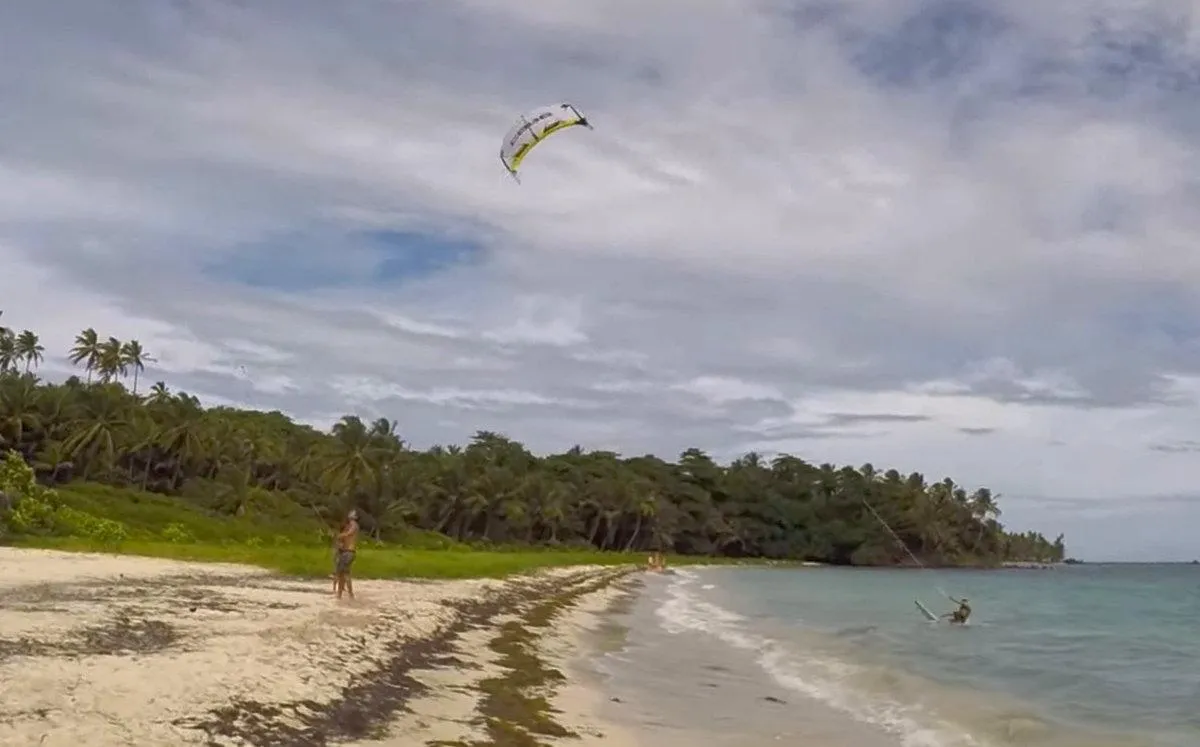
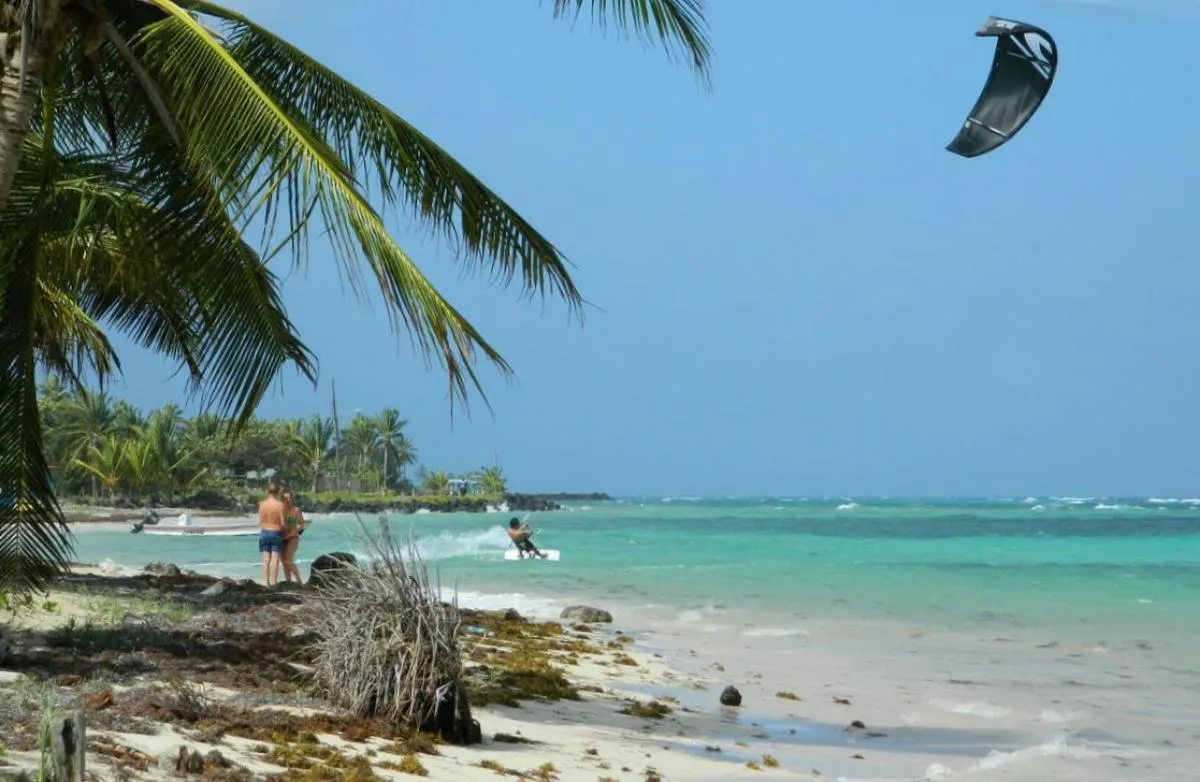
Little Corn East Beach is a remote Caribbean kitesurfing spot on the eastern coast of Little Corn Island, part of Nicaragua's Corn Islands in the South Caribbean Coast Autonomous Region. This approximately one-kilometre stretch of sandy shoreline faces the prevailing Caribbean trade winds, offering a tropical riding environment with turquoise water, offshore reef protection and relatively uncrowded conditions. Unlike Nicaragua's more accessible mainland kite spots, Little Corn Island has limited infrastructure and requires a more independent approach to kitesurfing, making it particularly appealing to experienced riders seeking an adventurous island session.
The main kitesurfing season generally runs from October through March, when northeasterly trade winds provide the most frequent opportunities for riding. Suitable conditions can also occur between April and July, although wind reliability varies with regional weather patterns. The island's exposed eastern coastline receives airflow directly from the Caribbean, which can provide relatively clean winds when the direction is favourable. Stronger trade-wind days offer enjoyable powered freeriding, while lighter periods may require larger kites or more efficient boards. Riders should monitor local forecasts carefully, as reliable wind measurements and dedicated kiteboarding weather stations may be limited.
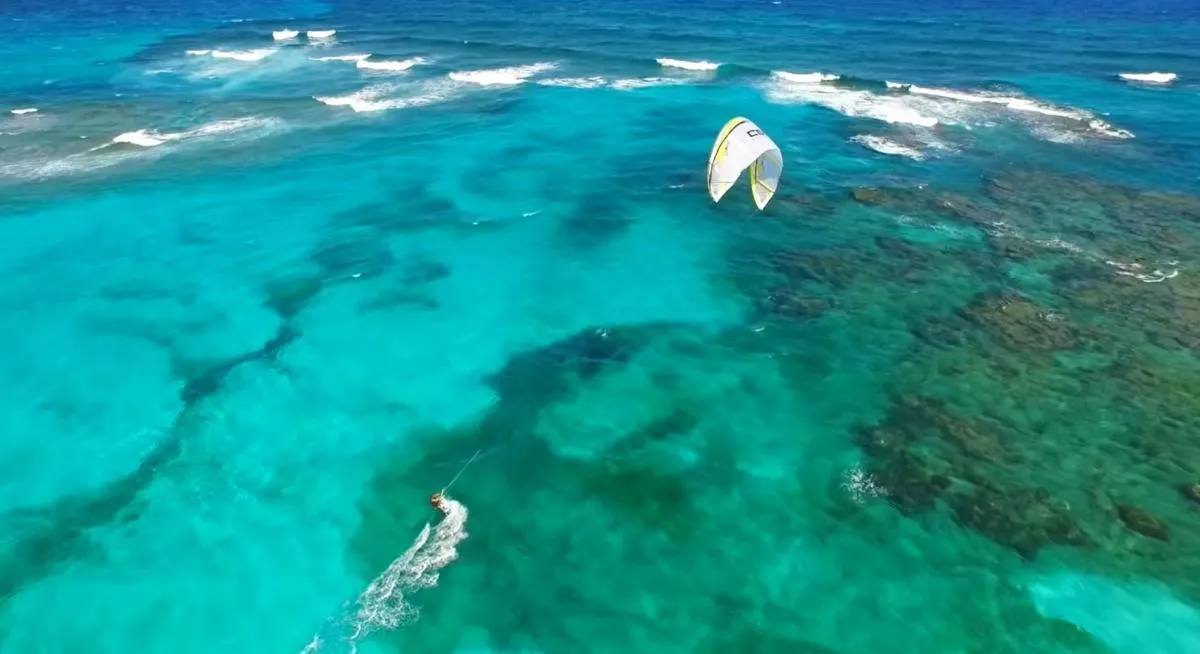
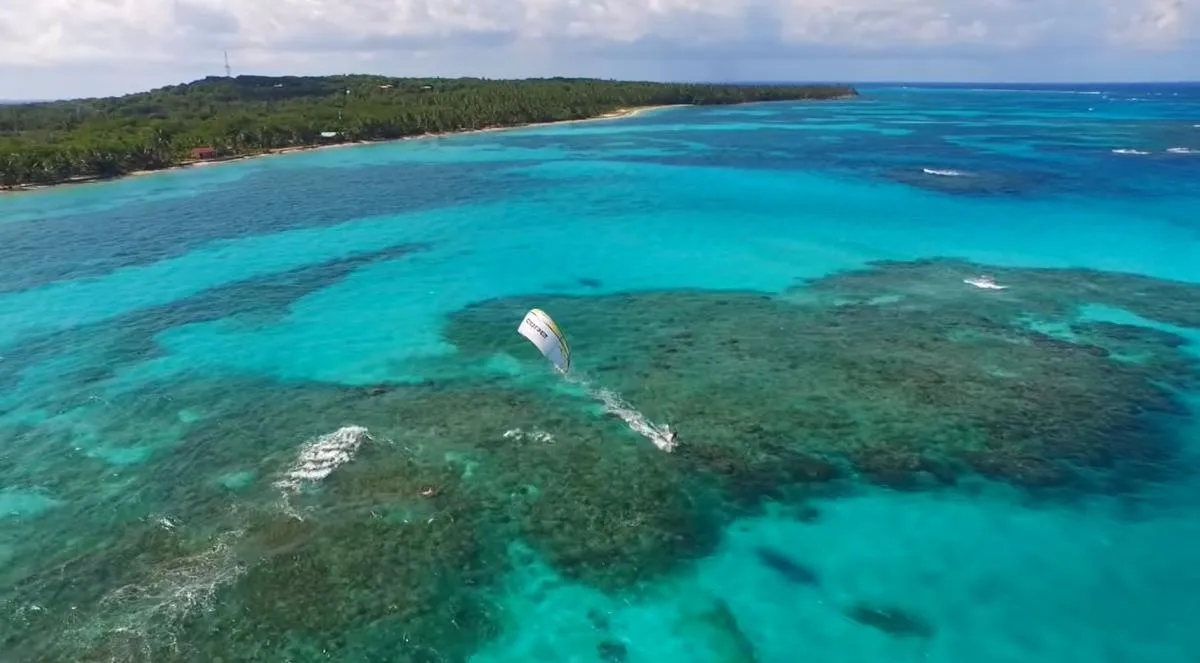
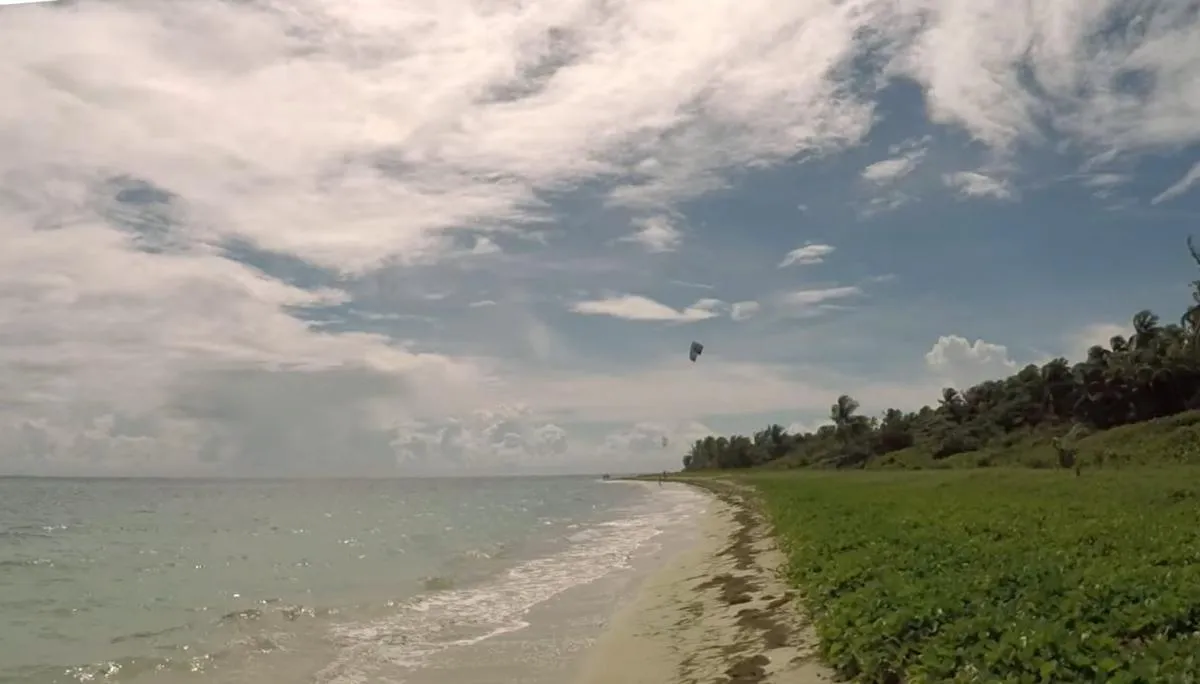
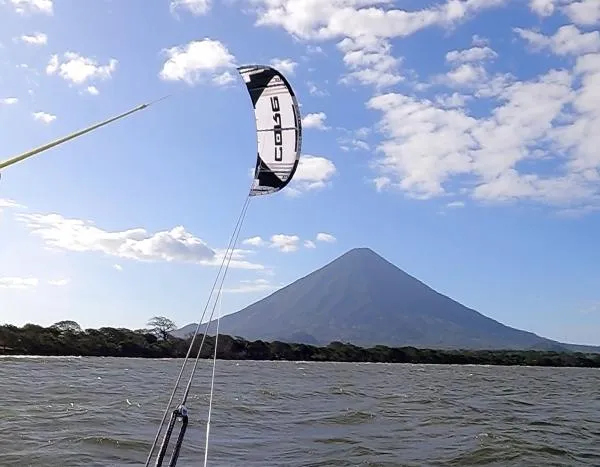
Water conditions at Little Corn East Beach are generally choppy rather than perfectly flat. An offshore reef helps break larger incoming Caribbean waves, reducing the swell that reaches the beach and creating a more protected riding area. However, wind-generated chop still develops inside the reef, particularly when the trade winds strengthen. Beyond the sheltered sections, larger waves and breaking reef areas can create more demanding conditions. The spot is therefore better suited to open-water freeriding and controlled jumps than technical flat-water freestyle. Experienced riders may find wave-riding opportunities near exposed reef sections, but these require careful assessment of depth, breaking waves and underwater hazards.
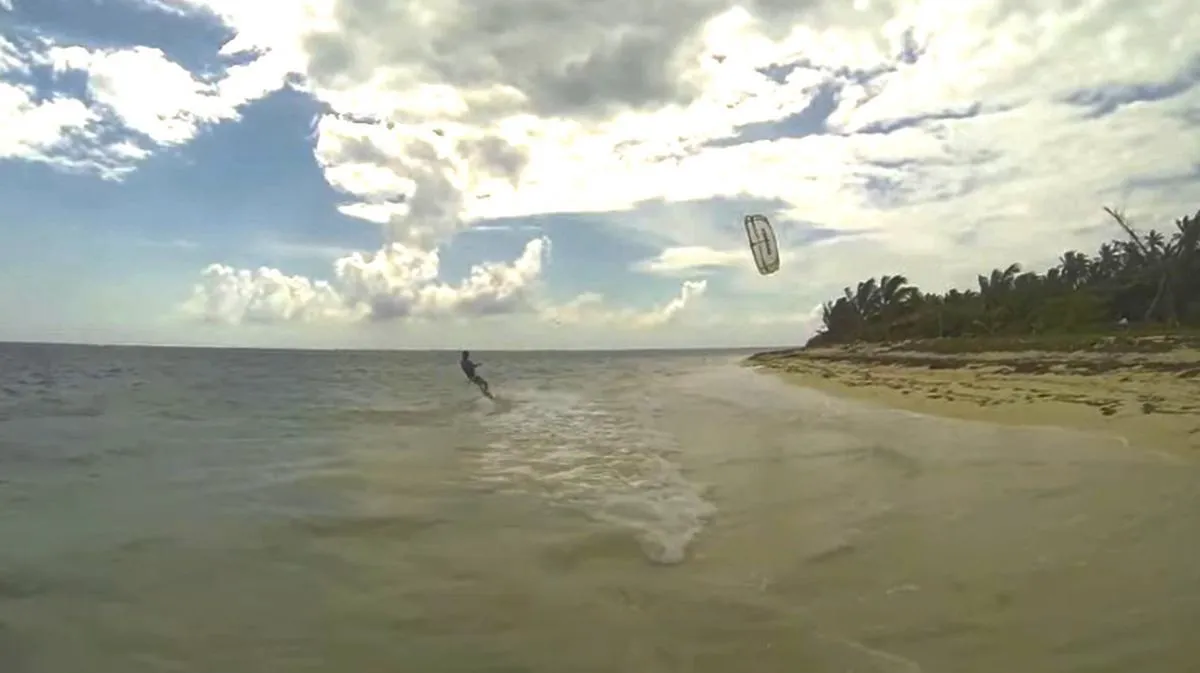
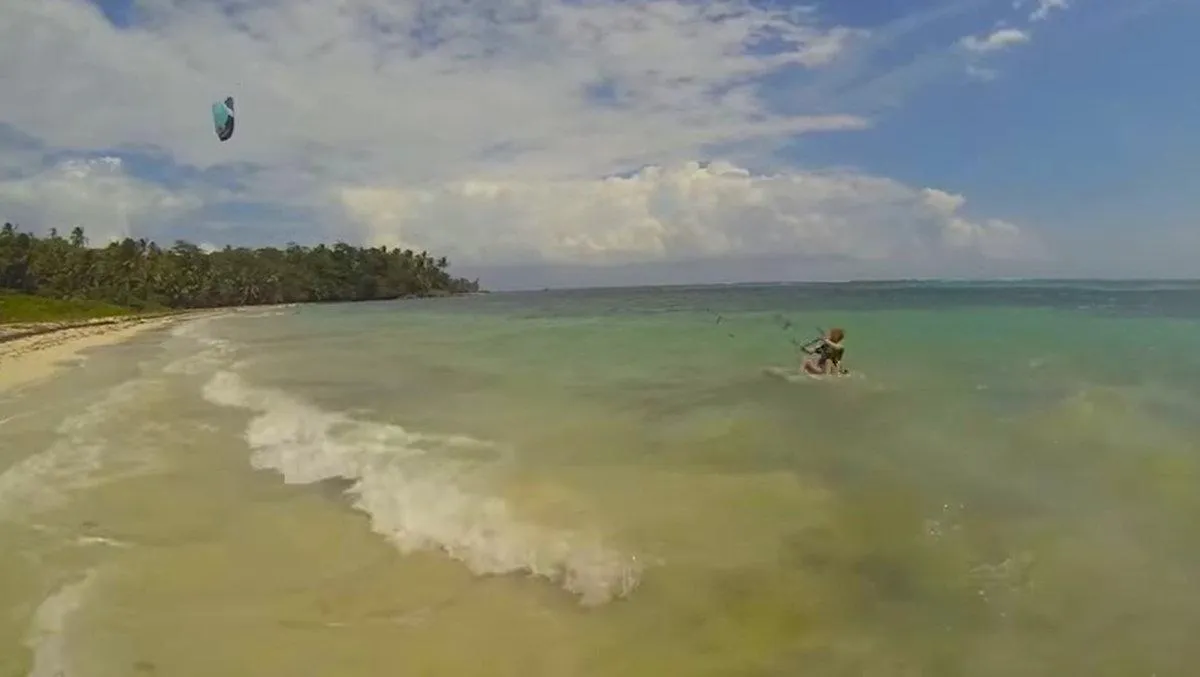
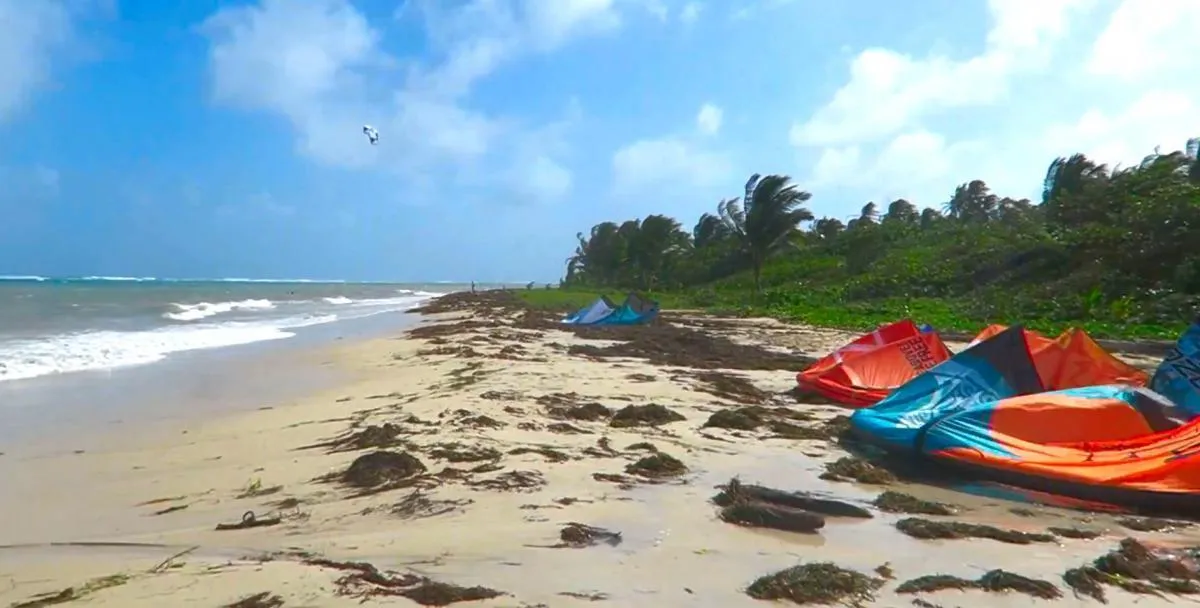
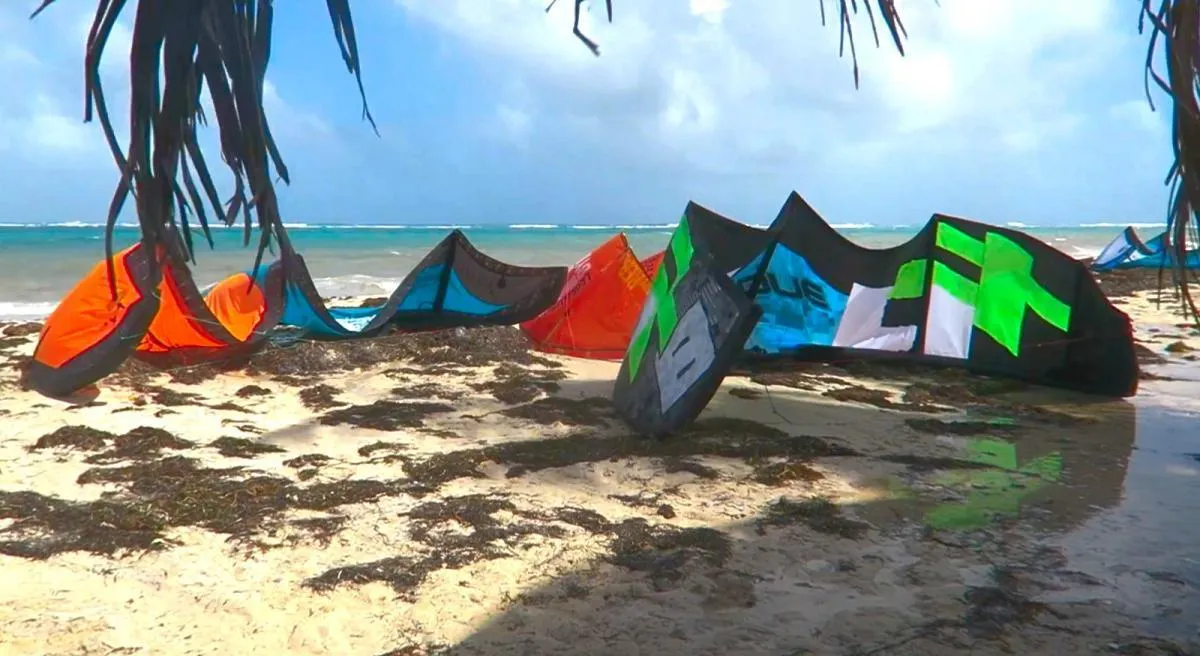
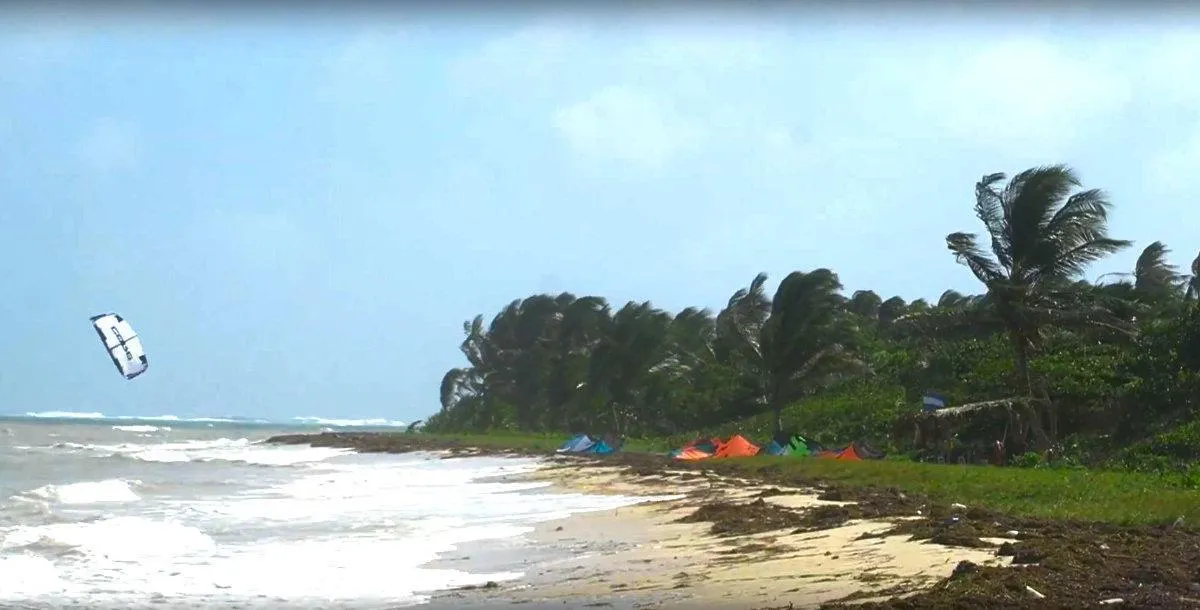
The sandy beach extends for approximately one kilometre, providing a reasonable length of shoreline but relatively limited width for setting up and launching kites. Depending on the tide and available space, riders may need to prepare their equipment close to the water and use a carefully controlled water-assisted launch. This requires experience and should never be improvised without understanding the local conditions. Palm trees, coastal vegetation and other shoreline obstacles can further restrict the safe launching area. Assisted launching and landing are recommended, with particular attention to maintaining adequate clearance from people, buildings and fixed obstacles.
The reef is one of the main safety considerations at Little Corn East Beach. Although it provides protection from larger ocean swell, shallow coral formations and uneven underwater terrain can create hazards for riders who venture too close to breaking sections. Water depth may change abruptly, and some areas can become too shallow for safe jumping or hydrofoil riding. Currents may also develop around reef openings, particularly when waves are pushing water across the reef. Riders should identify safe channels, inspect the riding area before launching and avoid entering unfamiliar shallow sections. Protecting the coral ecosystem is equally important, so standing on or dragging equipment across living reef should be avoided.
Little Corn East Beach is best suited to intermediate and advanced kitesurfers who are comfortable with choppy water, restricted launching space and limited rescue options. Beginners may find the combination of narrow shoreline, reef hazards and variable water depth challenging, particularly without dedicated instruction and support. The spot is primarily attractive for freeriding, while stronger winds can provide opportunities for twin-tip jumps and more powered manoeuvres. Hydrofoil kitesurfing is possible only where sufficient depth and safe reef clearance are available, making careful route selection essential. Riders should remain within a manageable distance of shore and have reliable self-rescue skills.
Little Corn Island is accessible by boat from neighbouring Big Corn Island, and reaching the eastern beach may require walking along island paths with equipment. The island has no conventional road network for cars, so transporting large kite bags and boards can require additional planning. Dedicated kite schools, equipment rental and rescue services should not be assumed to be available. Visiting riders should bring suitable equipment, spare parts and a clear understanding of the local weather and launching conditions. The warm tropical climate generally allows comfortable riding without a wetsuit, although a light protective layer may be useful during prolonged windy sessions.
For anyone searching for kitesurfing at Little Corn East Beach, kiteboarding on Little Corn Island or Caribbean kitesurfing spots in Nicaragua, this secluded location offers an appealing combination of trade winds, reef-protected water and tropical island scenery. Its main attraction is the opportunity to enjoy relatively uncrowded freeriding in a natural Caribbean environment. However, the narrow launching area, shallow reef sections and limited infrastructure require experience and careful preparation. Little Corn East Beach is best considered an adventurous kitesurfing spot for self-sufficient riders rather than a conventional beginner-friendly kiteboarding destination.
Something missing or out of date at this spot? Suggest a correction
Spot Gallery (10)
Little Corn East Beach is best suited for
Spot profile
- Travel spotA proven kite destination with reliable conditions, worth a trip. Kiters fly in from all over the world for their kite holidays, and you will probably find schools, rentals and a lively kite scene nearby.
- Adventure spotFar from the tourist trail, this is a spot you have to earn. The journey is part of the adventure, and at the end you find empty water, wild scenery and the feeling of having discovered a secret few kiters know.
Equipment
Lycra
Wind Conditions
Main wind directions
Windy days per month
Share of the days with more than 10 knots.
Wind speed range
10 - 20 knots
Calculate your kite size
Estimate for a rider of your weight at Little Corn East Beach: kite size = weight / wind speed x 2.2, adjusted for the kite shape and aspect ratio. Board, skills and gusts change the ideal size.
Forecast on Windy.com
Kitesurfing Safety & Local Rules at Little Corn East Beach
The main hazards at Little Corn East Beach come from the narrow shoreline and debris scattered across the sand. Limited space can make launching and landing difficult, sometimes requiring riders to position themselves partly in the water. Sharp objects, branches and other debris may damage kite fabric or lines during setup. Inspect the beach carefully before rigging, clear a suitable launching area and seek assistance when there is insufficient space for a safe launch.
A reef offshore helps break the larger incoming waves, but it also presents a potential hazard for riders who venture too close. Shallow coral formations can cause injuries or damage boards and hydrofoil equipment, particularly during falls or in areas with reduced water depth. Familiarise yourself with the reef's position, avoid riding directly over shallow sections and take extra care when approaching breaking waves.
The water inside the reef can become choppy, making board control and kite relaunching more demanding, especially during stronger northeasterly winds. Conditions are generally more reliable from October to March, but wind strength and sea state can still vary. Choose an appropriate kite size, monitor the conditions throughout your session and avoid riding beyond the reef or too far from shore without reliable self-rescue skills.
How to reach Little Corn East Beach
- Closest cityLittle Corn Island
- How to get thereBy plane from Nicaragua mainland to Corn Island and by boat to Little Corn
- AccessPublic
No-Wind Days: What to Do Around Little Corn East Beach
Beyond kitesurfing, Little Corn Island offers one of Nicaragua's most relaxing Caribbean escapes. Located approximately 70 kilometres off the country's eastern coast, this small tropical island is known for its white-sand beaches, coconut palms, turquoise waters and laid-back atmosphere. With no conventional cars and only a network of walking paths connecting its beaches and small settlements, Little Corn retains a peaceful character that is increasingly difficult to find in more developed Caribbean destinations. For a kitesurfing trip with non-kiters, the island is particularly appealing to travellers who enjoy nature, snorkelling, diving and simple island living.
The eastern coastline, including Little Corn East Beach, offers beautiful tropical scenery with sandy shores, palm trees and views across the Caribbean Sea. Visitors can enjoy beach walks, sunbathing, photography and relaxing in the shade. The surrounding reef helps protect parts of the coastline from larger ocean waves, although shallow coral, currents and changing sea conditions require caution when swimming. Other beaches around the island offer different conditions, and exploring them on foot is one of the most enjoyable ways to discover Little Corn's natural beauty.
Snorkelling and scuba diving are among the island's main attractions. The surrounding Caribbean waters contain coral reefs, tropical fish and a variety of marine life, making Little Corn a popular destination for underwater exploration. Local dive centres organise excursions for certified divers and introductory experiences for beginners, while guided snorkelling trips visit suitable reef areas. Depending on conditions, visitors may encounter rays, sea turtles and other marine species, although sightings are never guaranteed. Choosing responsible operators and avoiding contact with coral are important for protecting the island's fragile marine environment.
For those who prefer to remain above the water, fishing excursions, kayaking and stand-up paddleboarding may be available through local operators or accommodation providers. Boat trips can provide beautiful views of the island's coastline and access to suitable snorkelling locations. Walking through the island's interior is another pleasant activity, with narrow paths passing through tropical vegetation and connecting small beaches, restaurants and residential areas. The absence of motor traffic contributes to Little Corn's relaxed atmosphere, although paths can become muddy after heavy rain.
The island's small village offers a welcoming mixture of Caribbean and Nicaraguan culture. Local restaurants serve fresh seafood, grilled fish, lobster when legally in season, coconut-based dishes and traditional Caribbean specialities. Small beach bars and informal gathering places provide opportunities to enjoy sunset drinks and meet other travellers. Nightlife is generally quiet, with the emphasis on relaxed dinners and conversation rather than large clubs or organised entertainment.
Accommodation on Little Corn Island ranges from simple guesthouses and budget cabins to beachfront bungalows, small boutique hotels and secluded eco-lodges. Properties along the eastern coast offer easy access to the beach and a quieter atmosphere, while accommodation closer to the main village provides more convenient access to restaurants, shops and the boat landing. Facilities vary considerably, and some remote properties have limited electricity, internet connectivity or hot water. Booking ahead is recommended during popular travel periods, particularly for visitors seeking beachfront rooms or accommodation with specific amenities.
Reaching Little Corn Island requires some planning. Most travellers first arrive on Big Corn Island, which has an airport with connections to mainland Nicaragua, and then continue by passenger boat to Little Corn. Boat crossings can be rough when winds and waves are strong, and services may be delayed or cancelled because of weather conditions. Once on Little Corn, visitors generally travel on foot, so lightweight luggage and suitable footwear are helpful. Cash availability and shopping options are limited, making it advisable to bring essential supplies and sufficient money for the stay.
For anyone planning a kitesurfing holiday at Little Corn East Beach and wondering what else there is to do, the island offers an appealing combination of tropical relaxation and marine adventures. A no-wind day can include snorkelling over coral reefs, joining a diving excursion, exploring secluded beaches or enjoying fresh seafood at a waterfront restaurant. Its peaceful atmosphere, natural surroundings and intimate accommodation make Little Corn particularly attractive for couples, adventurous families and non-kiting partners seeking a quieter Caribbean experience away from large resorts.
Other kitesurfing spots near Little Corn East Beach
All kitesurfing spots in Nicaragua
Last updated: