
Kitesurfing in Maui Crack Beach
Kahului · United States Of America
Been here? Want to go? Add it to your kite spot lists.
Create a free account to save it- Spot type Chop
- Rider level intermediate
- Water Dark - Clear
- Beach Sand
- Crowd Seasonal crowd
- Tide effect None
Kitesurfing in Maui Crack Beach: Conditions, Wind & Season
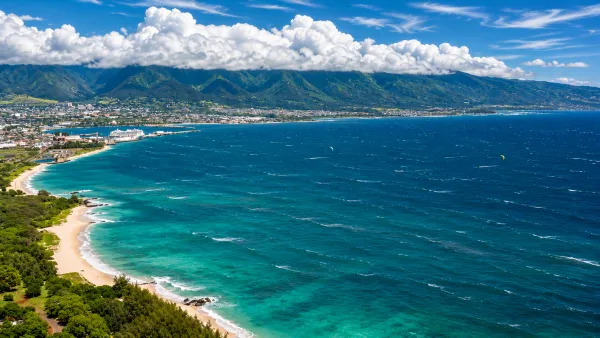
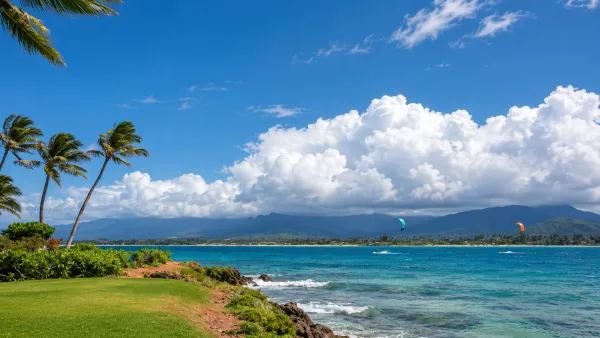
Crack Beach is a kitesurfing location on Maui's north shore, near Kahului, Hawaii, within the broader coastline commonly associated with Kanaha and Kite Beach. Exposed to the island's prevailing northeasterly trade winds, the spot offers an energetic combination of wind-driven chop, rolling swell and occasional small breaking waves. Unlike sheltered flat-water lagoons, Crack Beach provides a more dynamic ocean environment, making it particularly appealing to intermediate and advanced kitesurfers who enjoy powered freeriding, jumping and navigating changing water conditions. Its proximity to Kahului and the established north-shore kiteboarding area makes it a convenient option for riders seeking regular sessions without travelling far from the island's main urban centre. However, local access arrangements, launching conditions and applicable kiteboarding restrictions should always be checked before visiting.
The most favourable kitesurfing season generally runs from April to September, with May through August typically providing the strongest and most consistent trade winds. The prevailing northeast to east-northeast airflow frequently strengthens during the late morning and afternoon, creating suitable conditions for freeriding and powered sessions. During established trade-wind patterns, wind speeds commonly reach 15–25 knots, with stronger days occasionally exceeding 30 knots. Lighter conditions are also possible, particularly when the trade winds weaken or local weather patterns interrupt the normal airflow. Wind direction is generally side-onshore along this section of Maui's northern coastline, although the exact angle and strength can vary between individual launching areas. Winter can still produce rideable conditions, but wind reliability is generally lower and larger north-shore swells may create more demanding water conditions. Riders should monitor local forecasts carefully, especially when strong trade winds coincide with significant ocean swell.
Water conditions at Crack Beach are predominantly choppy, with short wind-generated waves and occasional rolling swell creating a textured surface throughout the riding area. During moderate winds, the spot provides enjoyable opportunities for freeriding, carving turns and practising controlled jumps using the natural ramps formed by the chop. Stronger trade winds can produce steeper, closely spaced waves, increasing the technical demands of maintaining speed and control. The nearshore seabed includes sandy sections, but rocky and reef formations may be present in the surrounding waters, requiring careful assessment before entering unfamiliar areas. Unlike dedicated wave-riding locations farther along Maui's north shore, Crack Beach is primarily attractive for freeriding and powered ocean sessions rather than consistent, organised surf breaks. A freeride or big-air twin-tip is the most versatile equipment choice, while directional boards can be enjoyable when suitable swell develops. Hydrofoiling requires sufficient water depth and particular attention to submerged reef sections.
Access is generally associated with the sandy shoreline near the broader Kanaha kiteboarding area, with some approaches involving a short walk from nearby parking areas. However, riders should verify the precise permitted access route and launching location rather than assume that every beach entrance is authorised for kiteboarding. The available rigging and launching space may vary with beach conditions, vegetation and the presence of other water users. Crack Beach is best suited to intermediate and advanced riders comfortable with ocean chop, gusty conditions and controlled launching in potentially restricted spaces. The proximity to Kahului Airport also makes compliance with local kiteboarding regulations essential, including designated riding zones and applicable operating hours. Kite sizes around 7–12 m² are commonly suitable during established trade-wind conditions, depending on rider weight and equipment, with smaller kites useful during stronger afternoons. Water temperatures generally remain around 23–27°C throughout the year, making boardshorts and a rash guard sufficient for most sessions, although a lightweight wetsuit can provide additional comfort and protection.
The main hazards include strong trade-wind gusts, changing ocean chop, submerged reef formations, limited launching space and congestion during the busiest summer months. Larger Pacific swells can create more challenging conditions than expected, particularly when waves begin breaking over shallow sections farther offshore. Riders should maintain adequate separation from other kitesurfers, avoid unfamiliar reef areas and assess the wind angle carefully before launching. Local restrictions associated with airport operations and designated kiteboarding zones must also be respected. With its reliable seasonal trade winds, accessible north-shore location and energetic open-water conditions, Crack Beach offers a rewarding alternative within Maui's established kiteboarding coastline. Its greatest appeal is for confident freeriders seeking powered sessions, natural chop ramps and the distinctive wind conditions that have made Maui one of the world's most recognised kitesurfing destinations.
Something missing or out of date at this spot? Suggest a correction
This spot does not have a photo gallery yet.
Kited here? Add the first photos (free account, one minute).
Maui Crack Beach is best suited for
Spot profile
- Travel spotA proven kite destination with reliable conditions, worth a trip. Kiters fly in from all over the world for their kite holidays, and you will probably find schools, rentals and a lively kite scene nearby.
- Family spotEasy to visit with family and friends. Facilities are close by and non-kiters have plenty to do while you are on the water, so everyone enjoys the day, whether they kite or not.
- Local spotNot worth a long trip, but a great option if you live nearby and the wind is on. Ideal for a quick session after work or a spare afternoon, without planning a whole trip.
Equipment
Most riders will use a freeride kiteboard and a medium to small kite depending on daily wind strengths, with typical sizes shifting down as the trades peak in summer. In boardshort season, a wetsuit is rarely needed—boardshorts or bikini suffice for most, while a thin spring suit makes sense for cooler periods or those who feel the chill. There's little need for shoes, but booties can be helpful if you're especially wary of rocks, uneven sand, or rough trails during launch and landing, particularly after heavy rain or changing tides. An impact vest is optional for those wanting extra safety in choppy water or for bigger jumps near shallow areas, and some riders also use reef or rock protection around launch spots where hard entries can cause scrapes.
Wind Conditions
Main wind directions
Windy days per month
Share of the days with more than 10 knots.
Wind speed range
12 - 22 knots
Wind strength on rideable days
- 7-11 kn23%
- 12-16 kn40%
- 17-22 kn36%
- 23-28 kn1%
- 29+ kn0%
Share of the daytime hours with 7+ knots.
Calculate your kite size
Estimate for a rider of your weight at Maui Crack Beach: kite size = weight / wind speed x 2.2, adjusted for the kite shape and aspect ratio. Board, skills and gusts change the ideal size.
Month by month at Maui Crack Beach
| Metric | Jan | Feb | Mar | Apr | May | Jun | Jul | Aug | Sep | Oct | Nov | Dec |
|---|---|---|---|---|---|---|---|---|---|---|---|---|
| Wind | ||||||||||||
| Rideable daysdays | 20.5 | 22.5 | 25.5 | 26.5 | 29 | 30 | 31 | 30.5 | 29.5 | 28.5 | 25.5 | 24 |
| Usable windhours | 157 | 178 | 211 | 219 | 254 | 269 | 279 | 269 | 258 | 236 | 211 | 192 |
| Average gustsknots | 20 | 24 | 25 | 27 | 29 | 32 | 35 | 32 | 30 | 27 | 25 | 23 |
| Temperature | ||||||||||||
| Air°C | 25 | 25 | 26 | 26 | 27 | 28 | 28 | 28 | 28 | 28 | 27 | 26 |
| Sea°C | 25 | 25 | 25 | 25 | 25 | 26 | 26 | 27 | 27 | 27 | 26 | 26 |
| Weather and sea | ||||||||||||
| Sunshinehours / day | 10.1 | 10.4 | 10.5 | 11.3 | 12.1 | 12.8 | 12.8 | 12.4 | 11.7 | 10.9 | 10 | 9.6 |
| Rainmm | 52 | 43 | 53 | 50 | 9 | 4 | 9 | 17 | 5 | 31 | 42 | 59 |
| Rainy daysdays | 7.5 | 7 | 9.5 | 8 | 2.5 | 1 | 2 | 3 | 2 | 4 | 6.5 | 7 |
| Wave heightm | 0.7 | 0.7 | 0.6 | 0.7 | 0.7 | 0.7 | 0.6 | 0.7 | 0.6 | 0.6 | 0.6 | 0.6 |
Typical monthly averages over several years, based on weather data: local thermal winds are usually stronger than shown, and sea temperature and waves are a regional estimate. A rideable day has at least 3 hours of 7+ knots between 10:00 and 18:00, usable wind counts those hours, a rainy day has 1 mm or more.
Forecast on Windy.com
Kitesurfing Safety & Local Rules at Maui Crack Beach
The main hazards at Crack Beach, near Kahului on Maui, Hawaii, are strong trade winds, persistent chop and rocky sections around some launching and landing areas. Although much of the riding area has a predominantly sandy seabed, rocks and uneven ground may be present near shoreline access points, shallow sections and beach approaches. These obstacles can cause injuries during falls, damage equipment or complicate launching and landing when water levels change. Riders unfamiliar with the spot should inspect the shoreline carefully before setting up, identify safe entry and exit points and maintain adequate clearance from rocks and other obstacles.
Trade winds can become strong and gusty, particularly during the peak wind season, producing challenging conditions for riders accustomed to lighter or more consistent breezes. Persistent chop creates an uneven water surface that can complicate board control, water starts and landings, especially when sudden gusts increase kite power. Less experienced riders may struggle to maintain upwind position or react quickly enough to changing wind strength near shore. Select an appropriate kite size, monitor wind conditions throughout the session and avoid launching when gusts exceed your ability to maintain control. Crack Beach is better suited to intermediate and advanced kitesurfers who are comfortable riding in strong winds and choppy water.
Crack Beach is used by local riders and kitesurfing schools, so launching areas and nearby waters may become congested during busy periods. Students and less experienced riders can make unpredictable movements or accidentally drop kites, increasing the risk of collisions and tangled lines. Maintain generous separation from lesson groups, respect established riding corridors and keep launching and landing areas clear of unattended equipment. Some local operators may require proof of kitesurfing proficiency before allowing independent use of their facilities, so confirm any applicable requirements and access arrangements before visiting. Respect posted rules and local guidance, inspect the beach for changing obstacles and ensure you have reliable self-rescue skills before entering the water.
How to reach Maui Crack Beach
- Closest cityKahului
- How to get thereFly into Maui Kahului Airport (OGG), which is the closest airport and is only a short drive from the spot. From Kahului, drive east along Amala Place toward the kitebeach area; one guide notes parking across the street from the shops and access via a nature trail through lagoons to the beach.
- AccessThe beach is publicly reachable through the Kahului/Maui kitebeach access area. Parking is reported near the shops and the beach is reached by a trail through lagoon land. No special permit is mentioned in the sources reviewed, but the area includes organized kite-school activity and some local procedures may apply through schools or on-site operations.
No-Wind Days: What to Do Around Maui Crack Beach
Crack Beach, located along Maui's northern coastline near Kahului and the island's famous Kanaha Beach Park, offers an excellent base for discovering the natural beauty and relaxed lifestyle of Hawaii. Its convenient location near Maui's main airport and commercial centre makes it easy to combine beach activities with sightseeing, cultural experiences and excursions across the island. From colourful North Shore villages and tropical beaches to volcanic landscapes and lush mountain valleys, the surrounding region provides plenty of attractions for families, couples and non-kiting partners looking to enjoy Maui beyond kitesurfing.
The wider Kanaha Beach Park area offers a pleasant setting for spending time outdoors, with sandy beaches, grassy areas, picnic facilities and beautiful views across the Pacific Ocean. Visitors can enjoy beach walks, photography, reading beneath the trees or simply watching the activity along the coastline. The park's open spaces provide a relaxing environment for families, although swimming should be limited to suitable areas away from active watersports zones. Maui's northern coastline is exposed to changing winds, waves and currents, so calm-looking water should not automatically be considered safe for children or inexperienced swimmers. For more sheltered beach activities, visitors can explore other parts of the island where conditions may be more suitable.
Just east of Kahului, the charming town of Pāʻia provides one of the most enjoyable short excursions from Crack Beach. This historic plantation-era community has evolved into a colourful North Shore village filled with independent boutiques, cafés, art galleries and casual restaurants. Its relaxed surf-town atmosphere makes it ideal for a leisurely morning exploring local shops or enjoying fresh Hawaiian food. Poke bowls, fish tacos, tropical fruit smoothies and traditional plate lunches are among the local favourites. Nearby Baldwin Beach offers a beautiful stretch of sand for walking, sunbathing and photography, while its coastal scenery provides a peaceful contrast to the busy commercial areas of Kahului.
A little farther east, Hoʻokipa Beach Park is one of Maui's most celebrated coastal viewpoints. Famous for its powerful Pacific waves and world-class surfing, Hoʻokipa attracts visitors who come to watch experienced surfers and enjoy the dramatic ocean scenery. The beach is also an important resting area for Hawaiian green sea turtles, which can sometimes be observed along the shoreline. These protected animals must never be touched, fed or disturbed, and visitors should maintain the required viewing distances. The elevated lookout is particularly rewarding for photography, offering sweeping views of the coastline and the impressive waves breaking along the reef.
For visitors interested in discovering Maui's tropical landscapes, ʻĪao Valley State Monument offers a completely different environment from the island's sunny northern beaches. Located inland near Wailuku, this spectacular valley is surrounded by steep green mountains, lush vegetation and dramatic volcanic formations. Short walking paths lead to viewpoints overlooking the famous ʻĪao Needle, while interpretive information introduces visitors to the valley's cultural and historical significance. The cooler mountain atmosphere makes it an enjoyable excursion, particularly during warmer days along the coast. Advance reservations are generally required for non-Hawaii residents, and current access information is available through the official ʻĪao Valley State Monument reservation website.
Maui's volcanic interior provides another extraordinary opportunity for exploration. Haleakalā National Park protects an immense volcanic landscape with hiking trails, panoramic viewpoints and unique high-altitude ecosystems. Visitors can drive towards the summit to experience scenery that feels completely different from the tropical coastline, with vast volcanic slopes and remarkable views across the island. Sunrise and sunset are particularly memorable, although early-morning summit entry requires reservations during designated hours. The high elevation means temperatures can be surprisingly cold, even when the beaches below are warm and sunny. Visitors should bring suitable clothing, allow time to adjust to the altitude and check current conditions through the official Haleakalā National Park website.
For a longer day trip, the famous Road to Hāna offers one of Hawaii's most scenic coastal drives. The winding road follows Maui's northeastern coastline through tropical rainforest, dramatic valleys, waterfalls and small rural communities. Along the way, visitors can discover botanical scenery, coastal viewpoints and distinctive landscapes shaped by the island's volcanic origins. The journey is best approached as a full-day excursion rather than a quick drive, with time to enjoy the scenery and respect local communities. Some attractions require advance reservations, while narrow roads, limited parking and changing weather conditions make careful planning essential. Guided tours are a practical alternative for visitors who prefer not to drive the winding route themselves.
Kahului provides excellent practical support for visitors staying near Crack Beach, with supermarkets, restaurants, food trucks, shopping centres and essential services located close to the coast. The town is particularly convenient for picking up supplies, enjoying casual meals or exploring local farmers' markets. Accommodation options include hotels around Kahului and Wailuku, while visitors seeking a more traditional resort experience can stay in South Maui or West Maui. A rental car is strongly recommended for exploring the island, as many natural attractions and coastal destinations are difficult to reach by public transport. Visitors should also remember that Maui's microclimates vary considerably, with sunny coastal conditions sometimes giving way to heavy rain in the mountains or along the eastern coastline.
With its convenient location near Kahului, beautiful North Shore scenery and easy access to Maui's remarkable natural attractions, Crack Beach offers plenty to enjoy beyond kitesurfing. Whether exploring the colourful streets of Pāʻia, watching sea turtles at Hoʻokipa, discovering the lush landscapes of ʻĪao Valley or experiencing the volcanic wilderness of Haleakalā, visitors will find an exceptional combination of outdoor adventure and Hawaiian island culture. Its accessible setting and proximity to the island's main services make Crack Beach an appealing choice for a Maui kitesurfing holiday with family, friends or non-kiting partners.
Riders of Maui Crack Beach
Who calls Maui Crack Beach home, who is planning a trip and who has ridden it. Add yourself to meet them.
Nobody calls it home yet
Make it my home spotNobody on the way yet
I want to goBe the first to ride it
I have been hereOther kitesurfing spots near Maui Crack Beach



All kitesurfing spots in United States Of America
Last updated: