When choosing a new kite, we usually pay quite a lot of attention to its shape, aspect ratio, bridle system and, more recently, even the materials used to build its leading edge. But how many of us consider the position where the two front lines of our bar split?
Personally, I am not a big fan of the high Y configuration, mainly for two very practical reasons: the limitations it imposes when relaunching the kite in light wind and the extra time I often have to spend untangling the lines around that little splitter before a session.
Nevertheless, there must be some good technical reasons why several of the most renowned kite manufacturers insist on adopting this configuration. So, let's try to understand what we gain and what we sacrifice by moving the splitting point of our front lines a few meters towards the kite.
How Does the Splitting Point of the Front Lines Affect the Kite?
The difference between the two configurations (also referred to as high V and low Y) might appear rather insignificant at first. In reality, from a structural point of view, it introduces quite a substantial difference in the way we load the kite.
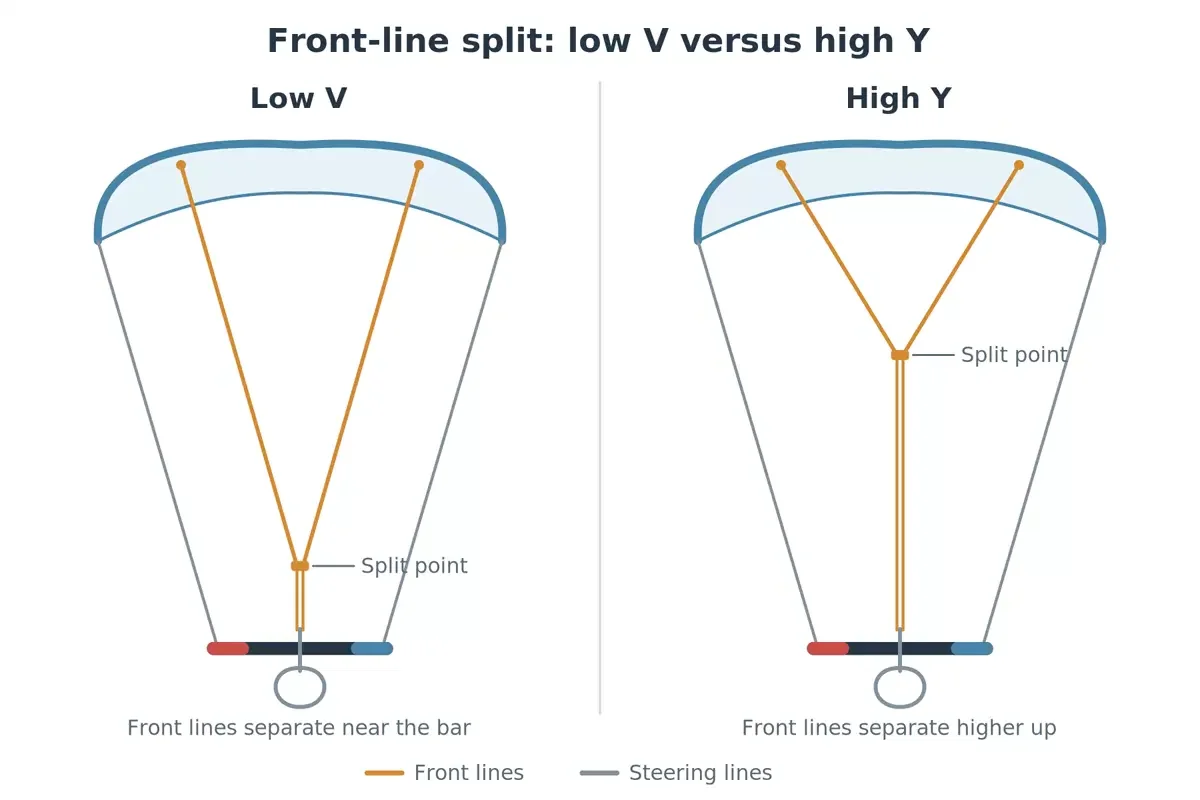 [Image 1 – Low V and high Y front-line configurations]
If we decompose the tension of each front line into two components, we can identify:
-
A longitudinal component, which transmits the pull of the kite towards the rider.
-
A transversal component, which tends to pull the sides of the kite towards each other.
The higher the splitting point, the bigger the transversal component becomes in proportion to the total tension in the front lines.
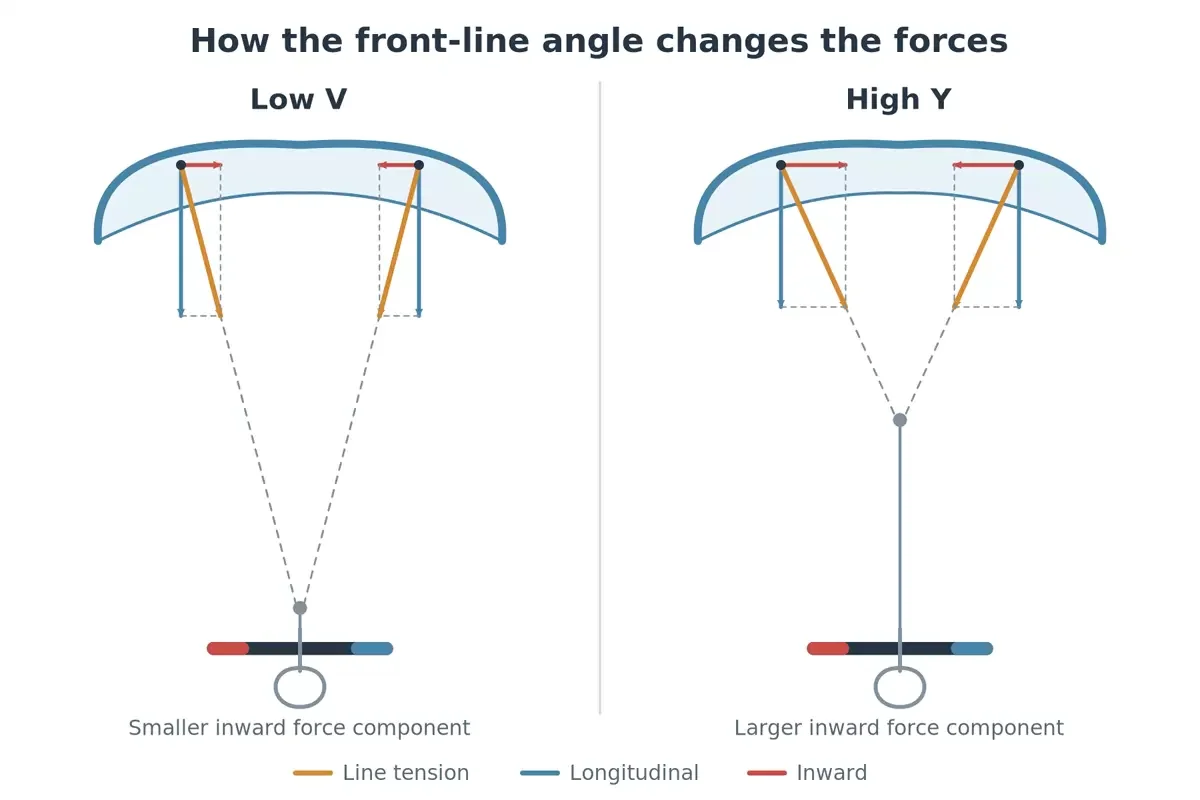 [Image 2 – Components of the front-line forces]
This different distribution of forces influences the structural behavior of the leading edge, the geometry of the arch and the way the kite deforms during a maneuver.
Of course, the kite designer can compensate for these effects, or take advantage of them, by working on the shape of the kite and the geometry of its bridle system.
High Y vs. Low V: The Flying Characteristics of the Kite
Structural stability and steering responsiveness
One of the main advantages of the high Y configuration consists in the possibility of achieving greater structural stability of the kite's arch.
Ralf Grösel, the well-known kite designer behind Brainchild, makes a particularly interesting observation in an interview about kite bars and line configurations. When designing a low V kite, it is relatively easy for him to achieve good handling characteristics, while he needs to work harder on performance. With a high Y, the opposite happens.
The low V configuration tends to offer a more direct connection with the steering lines, making the kite more reactive and giving the rider more immediate feedback from the bar.
Turning radius and kiteloops
Probably one of the most interesting advantages of the high Y configuration is its tendency to reduce the turning radius of the kite.
During a turn, the geometry of the high Y makes the opposite front line resist the rotation differently, favoring a more pivotal turn rather than a wider, driving one.
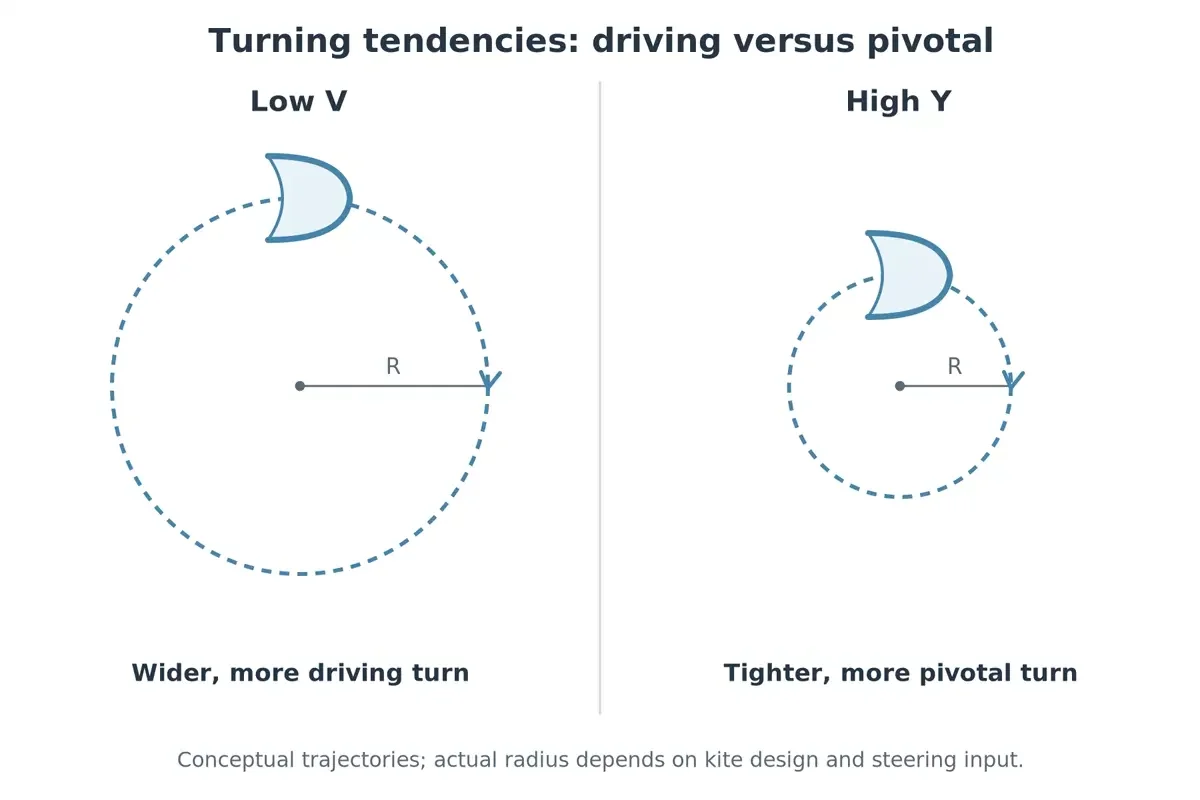 [Image 3 – Different turning tendencies]
This characteristic can be particularly advantageous in big air. The faster the kite completes its loop, the sooner it can recover its position above the rider and provide the uplift necessary for a soft landing, assuming the maneuver is executed correctly.
Interestingly, even Cabrinha, a brand that has favored the low V configuration in its recent designs, has been experimenting with higher splitting points precisely to improve the looping capabilities of its big air kites, as explained by kite designer Pat Goodman.
On the other hand, a wider turn with more progressive power generation is not necessarily an undesirable characteristic. It all depends on what we want to achieve with the movement of the kite.
Power generation and upwind performance
Moving the splitting point higher on the same kite tends to pull its sides inwards, potentially reducing its projected surface area. It also changes the effective reach of the front lines, producing an effect similar to pulling on the depower trim.
Both effects can contribute to a reduction in power generation.
This explains why a low V configuration can potentially offer better low-end performance and acceleration. A more open arch might also favor its upwind capabilities, although this is way more dependent on the overall aerodynamic characteristics of the kite.
Once again, we are talking about tendencies that kite designers can compensate for with other design parameters.
High Y vs. Low V: The Practical Aspects of Kitesurfing
So far, the high Y configuration seems to have some quite interesting advantages. But kitesurfing doesn't consist exclusively of flying a kite under optimal conditions. Unfortunately, we also have to deal with a few less entertaining aspects of our sport.
Relaunching the kite in light wind
When the wind is particularly light, sometimes pulling on one of the steering lines is simply not enough to make the kite rotate and relaunch from the water.
A very effective technique in these conditions consists of acting on the steering line in combination with the diagonally opposite front line. This helps rotate the kite into a more favorable position to catch the wind.
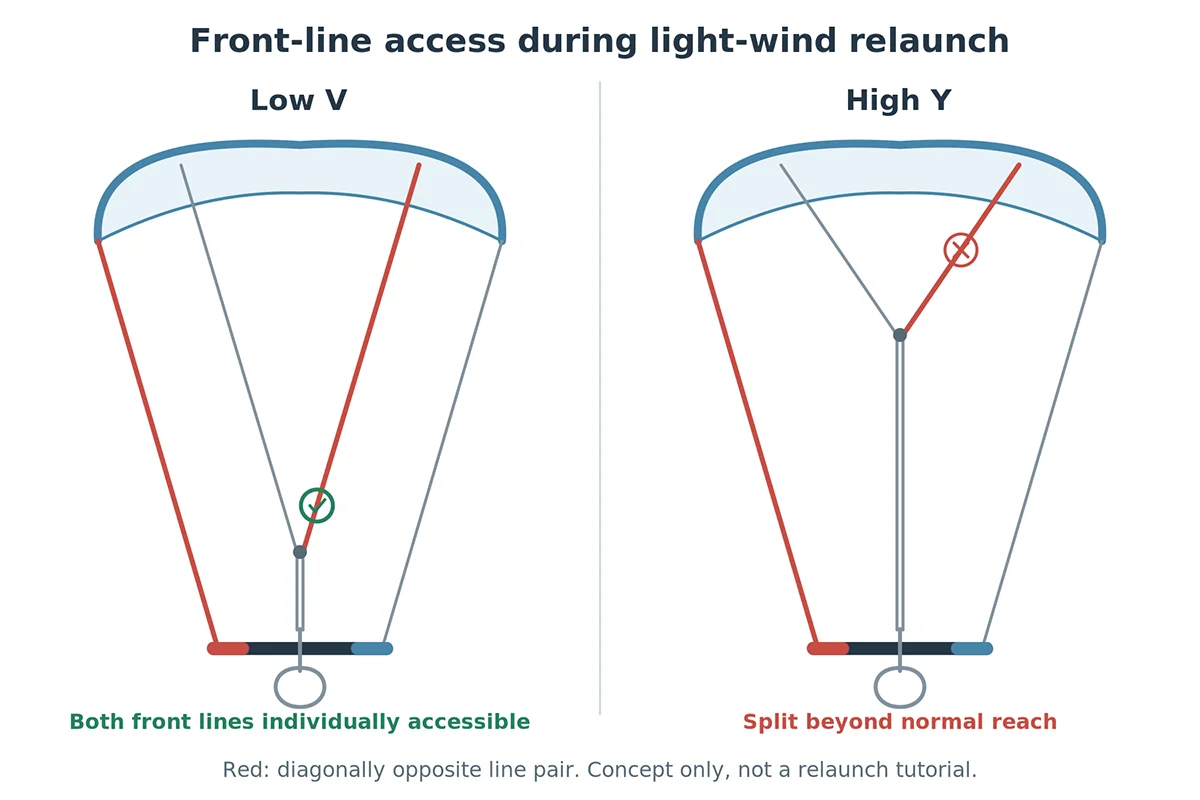 [Image 4 – Accessibility of the opposite front line]
Here is where the high Y configuration shows one of its main limitations: the point where the front lines become individually accessible is way beyond our reach.
Some high Y bars might still allow us to act on one of the front lines through their specific safety-line arrangement, but we don't necessarily have the same possibility on both sides.
Considering that the alternative to relaunching the kite might be a long swim back to the beach, I give quite a lot of importance to this apparently minor detail.
Untangling the kite lines on the beach
Another aspect of the high Y configuration that I particularly dislike is the tendency of the splitter to get tangled with the other lines when unwinding them from the bar.
In fact, we have introduced a physical discontinuity somewhere along the length of four very thin lines, which we repeatedly wind together. It shouldn't come as a big surprise that some of the loops occasionally get caught around it.
With a conventional low V, we can separate the four lines without encountering any intermediate element connecting them several meters from the bar.
It might not be the most sophisticated technical argument in favor of the low V, but when the wind is blowing nicely and everybody else is already in the water, it becomes a pretty convincing one!
Recovering crossed lines after a crash
Sometimes, especially when we drop the kite in the waves, the kite might tumble through its own lines. Even when the kite recovers its normal shape, we might find ourselves with the steering lines crossing the front lines.
With a low V configuration, certain types of line crossings can be corrected by experienced riders while still in the water. With a high Y, the splitting point physically prevents some of these operations.
This is also one of the reasons why the low V configuration can be more practical for kite schools.
Of course, not all line crossings can be safely corrected in the water, and manipulating tensioned kite lines can be extremely dangerous.
Self-landing the kite
Similarly to what happens during a light-wind relaunch, some self-landing techniques rely on the possibility of acting independently on one of the front lines, in this case usually the upper one.
The high Y configuration limits this possibility once again.
There are alternative techniques for landing a high Y kite, but the low V generally leaves us with more options. Having someone assist us in landing the kite remains the preferable solution whenever possible.
Line wear and maintenance
From a mechanical point of view, the introduction of an additional element in a system also introduces another potential point of failure.
The Y splitter is no exception. Depending on its design, it can generate localized friction and abrasion on the front lines.
This is not just a theoretical consideration. Duotone issued an official safety notification concerning excessive wear of the front line around the V-distributor on certain 2023 and 2024 Trust Bars, which could eventually lead to the line breaking.
Low V bars are not immune to similar wear problems in other parts of their construction, but eliminating the elevated splitter removes one more element we need to inspect and maintain.
High Y and Low V Kite Bars: Pros and Cons
We can now summarize the main characteristics of the two configurations:
| Characteristic | High Y | Low V |
|---|---|---|
| Structural stability of the kite arch | Potentially higher | More dependent on frame and bridle design |
| Turning radius | Generally smaller | Generally wider |
| Steering feedback | Tends to be smoother | Tends to be more direct |
| Kiteloops | More pivotal, potentially faster completion | Wider, potentially more powered |
| Low-end power | Potentially lower | Potentially higher |
| Upwind performance | Kite-dependent | Potential advantage |
| Access to individual front lines | Limited | Usually easy |
| Light-wind relaunch options | More limited | More versatile |
| Line preparation | Additional snag point | Simpler |
| Correction of crossed lines | More limited | Easier in certain situations |
| Self-landing options | More limited | More versatile |
| Line maintenance | Additional elevated wear point | Simpler configuration |
| Cross-brand compatibility | Depends on exact split height | Generally broader |
The differences in flying characteristics should be considered as general tendencies, rather than absolute rules. The practical differences, on the other hand, are largely inherent to the geometry of the two configurations.
Can We Use a Low V Bar on a High Y Kite and Vice Versa?
The fact that we might prefer one configuration over the other doesn't necessarily mean we should change the setup of our existing kite.
As we have seen, the position of the splitting point influences several structural and aerodynamic aspects of the kite. The manufacturer has taken these into consideration when designing its shape and bridle system.
Changing the height of the split without the manufacturer's approval might negatively affect the stability, depower capabilities and even the correct functioning of the emergency system.
Fortunately, more manufacturers are offering bars with adjustable splitting points, making it possible to use the same bar with different compatible kites.
So, Which Configuration Is Really Better?
If we put together all the aspects we have analyzed so far, an interesting difference emerges: most of the advantages of the high Y configuration concern the flying performance of the kite, while most of the advantages of the low V concern the practical aspects of kitesurfing.
The following table summarizes the comparison between the two configurations:
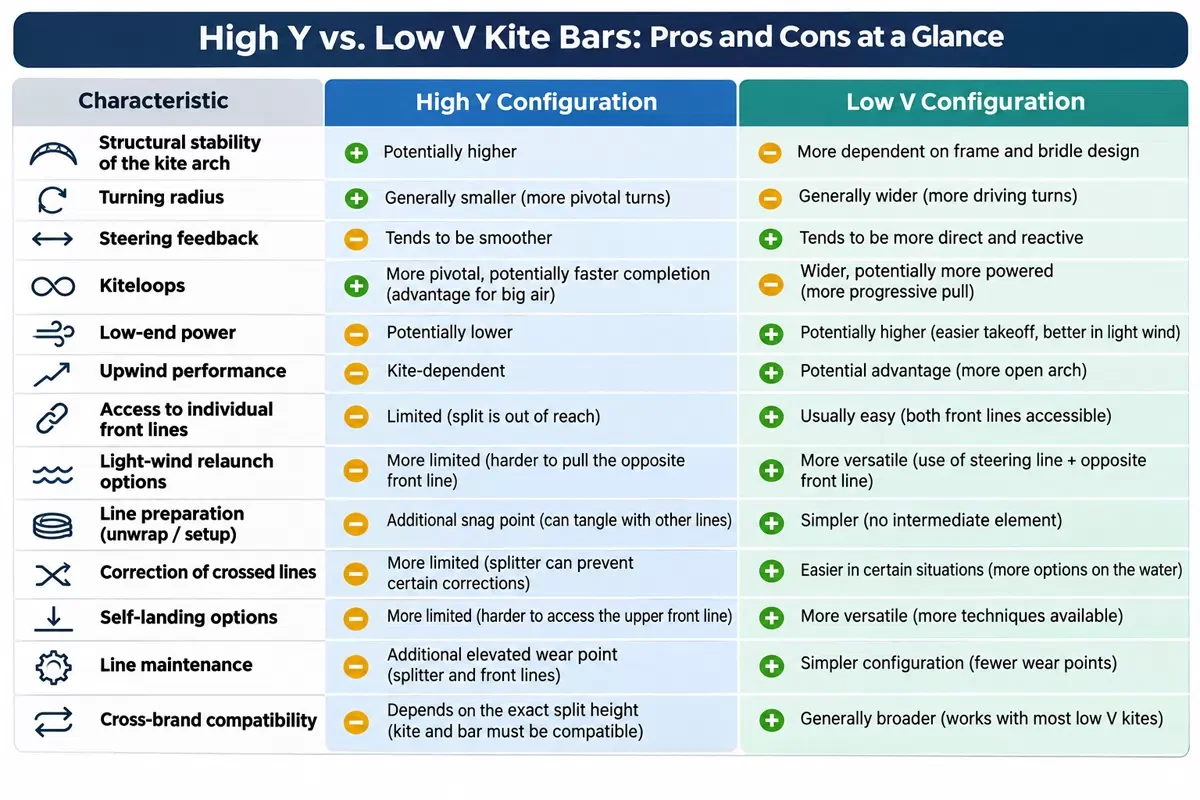
Looking at the table, it is worth considering how often, during our usual kitesurfing sessions, we would actually benefit from the advantages of one configuration over the other.
If I were looking for a kite specifically to perform extreme megaloops, I would probably give quite a lot of importance to the smaller turning radius and the structural stability offered by the high Y configuration. But how many of us regularly perform these kinds of maneuvers?
On the other hand, untangling lines on the beach, relaunching a kite in marginal wind conditions or dealing with crossed lines after a crash are situations pretty much every kiter has to face sooner or later.
I also have the suspicion that the insistence of some manufacturers on adopting a specific high Y configuration is not exclusively dictated by technical considerations. Making the compatibility between different brands a bit more complicated certainly doesn't hurt the sales of their own bars. Of course, this is a commercial consideration rather than a technical argument, but I wouldn't completely disregard it.
Said that, we shouldn't make too much of a drama out of the whole thing. There are excellent kites on the market with both configurations, and we can have a hell of a lot of fun with either of them. I certainly wouldn't discard a good kite just because it comes with a high Y bar.
But if I have the choice? Low V, without much hesitation!
I would rather have a kite that describes a slightly wider turn than spend precious time untangling my lines on the beach or, even worse, swimming back to it.
What about you? Are the advantages of the high Y really worth the inconveniences, or have we learned to live with them simply because our favorite kite brand decided so?