
Kitesurfing in Praia do Pepe
Rio de Janeiro · Brazil
- Spot type Wave
- Rider level beginner
- Water Crystal Clear
- Beach Sand
- Crowd Seasonal crowd
- Tide effect None
Kitesurfing in Praia do Pepe: Conditions, Wind & Season
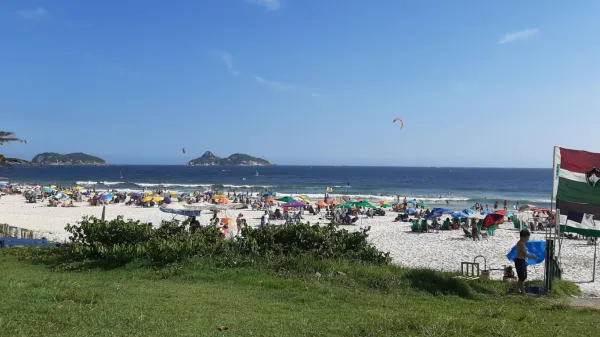
Praia do Pepê is a well-known kitesurfing and wind sports location in Barra da Tijuca, on the western coastline of Rio de Janeiro, Brazil. Situated near the eastern end of the long Barra da Tijuca beach, this exposed Atlantic spot offers a combination of sandy shoreline, seasonal winds and varied wave conditions. Unlike the sheltered lagoons found elsewhere in Brazil, Praia do Pepê is primarily an open-ocean riding location, where wind direction, swell and shorebreak play an important role in determining the quality of a session. Its accessible urban setting and lively water sports scene make it particularly appealing to intermediate and advanced riders.
The main kitesurfing season generally runs from September through February, when easterly, east-southeasterly and southeasterly winds provide the most frequent opportunities for riding. Wind speeds commonly range between 10 and 15 knots, although stronger days can reach 20–25 knots, with occasional more powerful gusts. Thermal effects can help strengthen the wind during sunny afternoons, particularly during spring and summer. However, conditions are not consistently strong every day, and riders should be prepared for variations in wind strength and direction. Checking the local forecast and observing conditions at the beach is essential before deciding whether to launch.
Water conditions at Praia do Pepê are shaped primarily by Atlantic swell and wind-generated chop. On smaller swell days, riders may encounter manageable waves and moderate chop, providing enjoyable conditions for freeriding and practising transitions. When larger swells arrive, the beach can develop powerful breaking waves and more demanding shorebreak, creating opportunities for experienced strapless riders and wave enthusiasts. Wave size and quality vary considerably throughout the year, making the spot more suitable for riders who are comfortable handling changing ocean conditions. Unlike flat-water lagoons, Praia do Pepê rarely offers completely smooth water, even when the wind is relatively light.
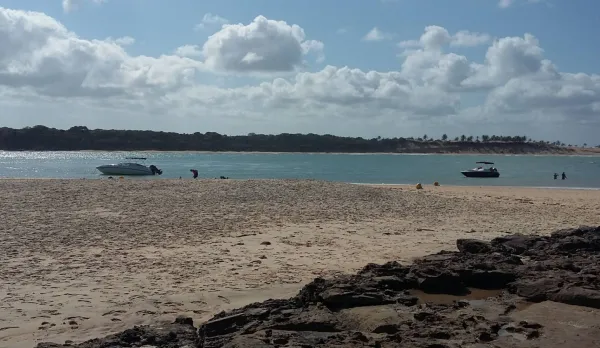
The wide sandy beach generally provides space for preparing equipment, launching and landing kites, particularly when the tide is low and the shoreline is at its broadest. Grassy areas near the beachfront can also be convenient for organising equipment, although kite setup and launching should only take place where local regulations permit. During weekends, holidays and the summer season, the beach can become extremely busy with swimmers, surfers and other visitors. This makes careful selection of the launching area particularly important. Riders must respect any designated kitesurfing zones and local restrictions, maintaining sufficient clearance from beach users and other water sports participants.
Praia do Pepê is best suited to intermediate and advanced kitesurfers who are comfortable riding in open-ocean conditions. Intermediate riders may enjoy smaller wave days with moderate winds, while experienced kitesurfers can take advantage of stronger sessions for powered freeriding, jumping and wave riding. Beginners should be cautious, as shorebreak, currents and crowded beach conditions can make launching and water starts challenging. Even when the waves appear manageable, the combination of ocean swell and changing wind strength can create demanding conditions. Professional instruction at an authorised location is preferable for riders who are still developing basic kite control and independent riding skills.
The main safety considerations include breaking waves, shorebreak, lateral currents, changing wind strength and the presence of swimmers and surfers. Although tides are not the primary factor determining rideability, they can influence beach width, wave breaking patterns and the strength of nearshore currents. Riders should pay particular attention to local beach regulations, as kitesurfing access may be restricted or controlled depending on the section of coastline and current rules. Rescue assistance should never be assumed to be available without confirmation from local operators. Before launching, it is advisable to check permitted riding areas, assess the surf conditions and identify a safe landing point downwind.
For anyone searching for kitesurfing at Praia do Pepê, kiteboarding in Barra da Tijuca or wave riding in Rio de Janeiro, this exposed Atlantic beach offers an appealing combination of seasonal winds, accessible launching areas and varied ocean conditions. Its greatest attraction is the opportunity to enjoy freeriding and wave sessions along one of Rio's most recognisable stretches of coastline. Although the waves, beach crowds and local access restrictions require careful planning, Praia do Pepê remains an interesting option for experienced kitesurfers looking to ride in the Rio de Janeiro region.
Something missing or out of date at this spot? Suggest a correction
Praia do Pepe is best suited for
Spot profile
- Family spotEasy to visit with family and friends. Facilities are close by and non-kiters have plenty to do while you are on the water, so everyone enjoys the day, whether they kite or not.
- Local spotNot worth a long trip, but a great option if you live nearby and the wind is on. Ideal for a quick session after work or a spare afternoon, without planning a whole trip.
Equipment
For most of the year, you can kitesurf at Praya do Pepe in just a shorty wetsuit, thanks to the warm air and water temperatures. However, during the cooler winter months, a full wetsuit may be necessary.
Wind Conditions
Main wind directions
Windy days per month
Share of the days with more than 10 knots.
Wind speed range
10 - 25 knots
Calculate your kite size
Estimate for a rider of your weight at Praia do Pepe: kite size = weight / wind speed x 2.2, adjusted for the kite shape and aspect ratio. Board, skills and gusts change the ideal size.
Forecast on Windy.com
Kitesurfing Safety & Local Rules at Praia do Pepe
The main hazards at Praia do Pepê, in Rio de Janeiro's Barra da Tijuca area, are strong ocean currents and the presence of swimmers, particularly during busy periods. Currents can make it difficult to maintain position or return to shore, while crowded swimming areas increase the risk of collisions and kite-line accidents. Riders should assess the sea conditions before launching and maintain a generous safety distance from beachgoers.
As an exposed Atlantic beach, Praia do Pepê can also experience breaking waves and challenging shorebreak, making water entry, kite relaunching and board recovery more demanding. Conditions may become particularly difficult when strong winds combine with currents and surf. Choose an appropriate kite size, avoid launching in congested areas and ensure your riding ability matches the conditions.
Kitesurfers must respect local regulations and remain within designated riding zones to avoid conflicts with swimmers, surfers and other beach users. Check current access rules and permitted launching areas before setting up, especially during crowded months. Lifeguards and rescue services may provide assistance in emergencies, but riders should not rely on immediate rescue and should always maintain sufficient distance from restricted swimming areas.
How to reach Praia do Pepe
- Closest cityRio de Janeiro
- How to get therePraya do Pepe is conveniently located about 30 kilometers from Rio de Janeiro's Galeão International Airport (GIG). The drive from the airport to the beach takes around 40 minutes, making it easily accessible for both local and international visitors. If you prefer public transportation, there is a bus route that takes approximately 1 hour and 30 minutes. The driving route is simple: head down the Red Road to the Ayrton Senna Road, then make a U-turn to head east, following the signs towards the beach near Gávea Mountain.
- AccessPublic
No-Wind Days: What to Do Around Praia do Pepe
Framed by the Atlantic Ocean, the dramatic granite peaks of Rio de Janeiro and the lively beachfront neighbourhood of Barra da Tijuca, Praia do Pepê is one of the most attractive urban beach destinations in southeastern Brazil. Located at the eastern end of Barra da Tijuca's extensive coastline, near Jardim Oceânico, this popular beach combines beautiful natural scenery with easy access to restaurants, cafés, shops and outdoor activities. Its convenient location makes it particularly appealing for couples, families and non-kiting partners who want to enjoy Rio's famous beach lifestyle without staying in the busiest tourist districts. During no-wind days, visitors can explore nearby nature reserves, enjoy cycling and hiking, discover Rio's cultural attractions or simply relax beside the ocean.
Praia do Pepê and the surrounding Barra da Tijuca coastline offer excellent opportunities for walking, jogging and cycling. The long beachfront promenade provides beautiful Atlantic views, with dedicated cycling infrastructure along much of the coast. Visitors can rent bicycles, stop at beachfront kiosks for fresh coconut water or enjoy the lively atmosphere of the beach. The area is also popular for beach volleyball, footvolley and outdoor fitness activities. Swimming conditions vary with waves and currents, and some sections are known for powerful surf, so visitors should follow lifeguard guidance and pay attention to warning flags before entering the water.
One of the most rewarding nearby nature excursions is visiting Pedra Bonita, a granite mountain within the Tijuca National Park area. Its hiking trail leads to spectacular panoramic views of Barra da Tijuca, São Conrado, Pedra da Gávea and the surrounding Atlantic coastline. The walk is relatively accessible for reasonably fit visitors, although suitable footwear, drinking water and sun protection are essential. The nearby hang-gliding launch area is another attraction, where visitors can watch pilots take off against the dramatic mountain scenery. Tandem hang-gliding and paragliding experiences may be available through authorised operators, providing an unforgettable perspective over Rio de Janeiro's beaches and forests.
Nature lovers can also explore the protected green spaces of western Rio. The Marapendi Municipal Natural Park, located in Barra da Tijuca, preserves coastal vegetation, wetlands and lagoon environments that support birds and other native wildlife. The Chico Mendes Municipal Natural Park, farther west in Recreio dos Bandeirantes, offers another opportunity to discover local ecosystems, including restinga vegetation and freshwater habitats. These parks provide a quieter alternative to the busy beachfront, with opportunities for nature observation, photography and short walks where public access is permitted. Opening hours and trail availability should be checked before visiting.
The nearby beaches of Joatinga and Praia da Reserva offer contrasting experiences. Joatinga is a small, picturesque beach surrounded by rocky cliffs and luxurious hillside residences, with access dependent on tides and sea conditions. Praia da Reserva stretches between Barra da Tijuca and Recreio dos Bandeirantes, offering a more natural coastal setting bordered by protected vegetation. Both destinations are attractive for photography and relaxation, although waves and currents can be strong. Visitors interested in calmer water activities can explore suitable sections of the area's lagoons and canals, where stand-up paddleboarding or kayaking may be available through local operators when conditions and water quality permit.
For travellers interested in culture and sightseeing, Praia do Pepê provides a convenient base for exploring Rio de Janeiro's internationally famous attractions. Christ the Redeemer, overlooking the city from Corcovado Mountain, offers extraordinary panoramic views, while Sugarloaf Mountain provides another unforgettable perspective over Guanabara Bay and the Atlantic coastline. Visitors can also discover the historic streets of Santa Teresa, explore museums and cultural centres in downtown Rio or spend an afternoon in the Botanical Garden. The official Corcovado Train website provides visitor information for reaching Christ the Redeemer, while the Sugarloaf cable car website offers information about visiting the famous mountain viewpoint.
Food is one of Barra da Tijuca's major attractions, with a broad selection of beachfront kiosks, casual restaurants, cafés and sophisticated dining establishments. Visitors can enjoy traditional Brazilian dishes such as feijoada, moqueca and grilled seafood, alongside international cuisine ranging from Italian and Japanese to contemporary fusion restaurants. The Jardim Oceânico neighbourhood, close to Praia do Pepê, is particularly convenient for dining and socialising, with numerous establishments within walking distance of the beach. Fresh tropical juices, açaí bowls and coconut water are popular refreshments after outdoor activities. In the evening, the surrounding area offers lively bars, occasional live music and a varied nightlife scene, although individual venues and entertainment schedules change over time.
For a more relaxing day, Barra da Tijuca has numerous spas, wellness centres, fitness studios and beauty salons offering massages and treatments. The neighbourhood also features major shopping centres, including BarraShopping and VillageMall, where visitors can browse Brazilian and international brands, enjoy restaurants or escape the midday heat. Families travelling with children will find additional entertainment options throughout Barra, while the beachfront remains an attractive setting for leisurely afternoons. Compared with Rio's older central neighbourhoods, Barra da Tijuca offers a modern urban environment with wide avenues, extensive residential areas and a strong focus on beach recreation.
Accommodation near Praia do Pepê ranges from comfortable apartments and holiday rentals to boutique guesthouses, beachfront hotels and upscale resorts elsewhere in Barra da Tijuca. Staying around Jardim Oceânico is particularly convenient for visitors who want to walk to the beach, restaurants and nightlife, while properties farther west along Barra's coastline often offer more space and additional leisure facilities. The area provides a wide selection of accommodation across different budgets, although beachfront properties can be expensive during major holidays and popular travel periods. Visitors who prefer a quieter atmosphere may also consider accommodation near Praia da Reserva or Recreio dos Bandeirantes, while those seeking more traditional Rio sightseeing may choose to divide their stay between Barra and the city's central beach districts.
Praia do Pepê is accessible from other parts of Rio de Janeiro by road and public transport. Jardim Oceânico metro station connects Barra da Tijuca with the city's wider metro network, making it possible to visit attractions in Ipanema, Copacabana and central Rio without driving the entire distance. Taxis and ride-hailing services are useful for reaching beaches, shopping centres and trailheads, while a rental car provides additional flexibility for exploring western Rio. Traffic can be heavy during weekday rush hours, weekends and major events, so allowing extra travel time is advisable. Within Jardim Oceânico and along the beachfront, walking and cycling are often the most enjoyable ways to get around.
For travellers seeking a combination of beautiful beaches, outdoor adventure and the cultural attractions of Rio de Janeiro, Praia do Pepê offers an excellent balance between relaxation and entertainment. During no-wind days, visitors can cycle along Barra's coastline, hike to the viewpoints of Pedra Bonita, explore nearby nature reserves, enjoy a wellness treatment or discover the city's famous landmarks. With its extensive accommodation options, excellent restaurants and lively beachfront atmosphere, Praia do Pepê is particularly appealing for couples, families and non-kiting partners who want to experience both Rio's natural beauty and its vibrant urban lifestyle.
Other kitesurfing spots near Praia do Pepe
All kitesurfing spots in Brazil
Last updated: