
Kitesurfing in Barra da Tijuca
Rio de Janeiro · Brazil
- Spot type Wave
- Rider level intermediate
- Water Crystal Clear
- Beach Sand
- Crowd Seasonal crowd
- Tide effect None
Kitesurfing in Barra da Tijuca: Conditions, Wind & Season
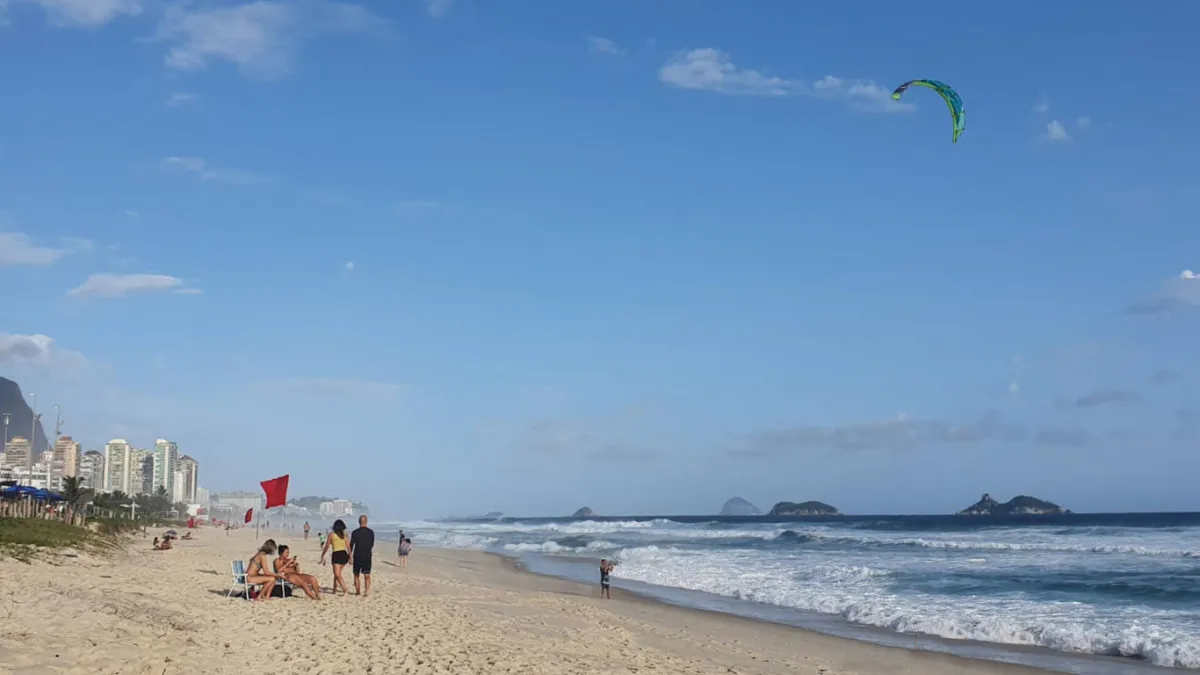
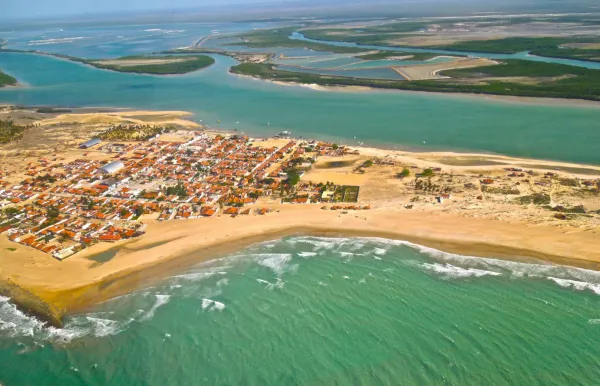
Barra da Tijuca is one of the best-known coastal kitesurfing areas in Rio de Janeiro, Brazil, offering a combination of Atlantic waves, seasonal winds and long stretches of sandy beach. Located west of central Rio, this extensive coastline provides an open-ocean riding environment that differs considerably from the sheltered lagoons and flat-water spots found elsewhere in Brazil. With conditions ranging from wind-generated chop to small and medium waves, Barra da Tijuca is particularly attractive to intermediate and advanced kitesurfers interested in freeriding, wave riding and powered ocean sessions.
The most favourable kitesurfing season generally extends from September through December, when spring and early summer winds provide frequent opportunities for riding. Suitable conditions can also occur from January to February and during August, although wind reliability varies throughout the year. Easterly and southeasterly winds are particularly relevant to the area, with local sea breezes sometimes strengthening during warmer afternoons. Wind direction and strength can change with passing weather systems, so checking the forecast before heading to the beach is essential. The most enjoyable sessions usually occur when the wind is sufficiently strong and the swell remains manageable.
Water conditions at Barra da Tijuca are shaped by its exposure to the Atlantic Ocean. On moderate days, riders can encounter rolling chop and relatively small waves, while stronger swell can produce more powerful breaking sections and challenging shorebreak. This makes the spot especially interesting for directional surfboards and wave-oriented kitesurfing, although twin-tip freeriding and jumping are also possible when conditions allow. Unlike flat-water lagoons, the beach rarely provides consistently smooth water, and riders must be comfortable handling their equipment through breaking waves. The combination of wind and swell can change considerably from one session to another.
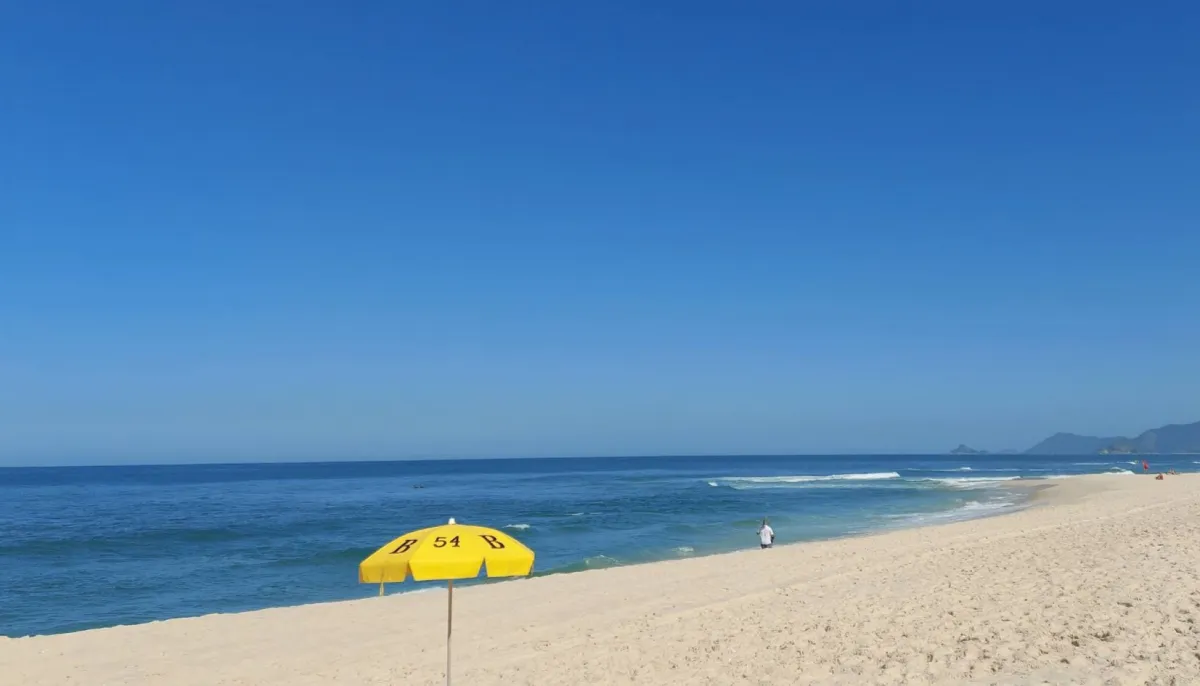
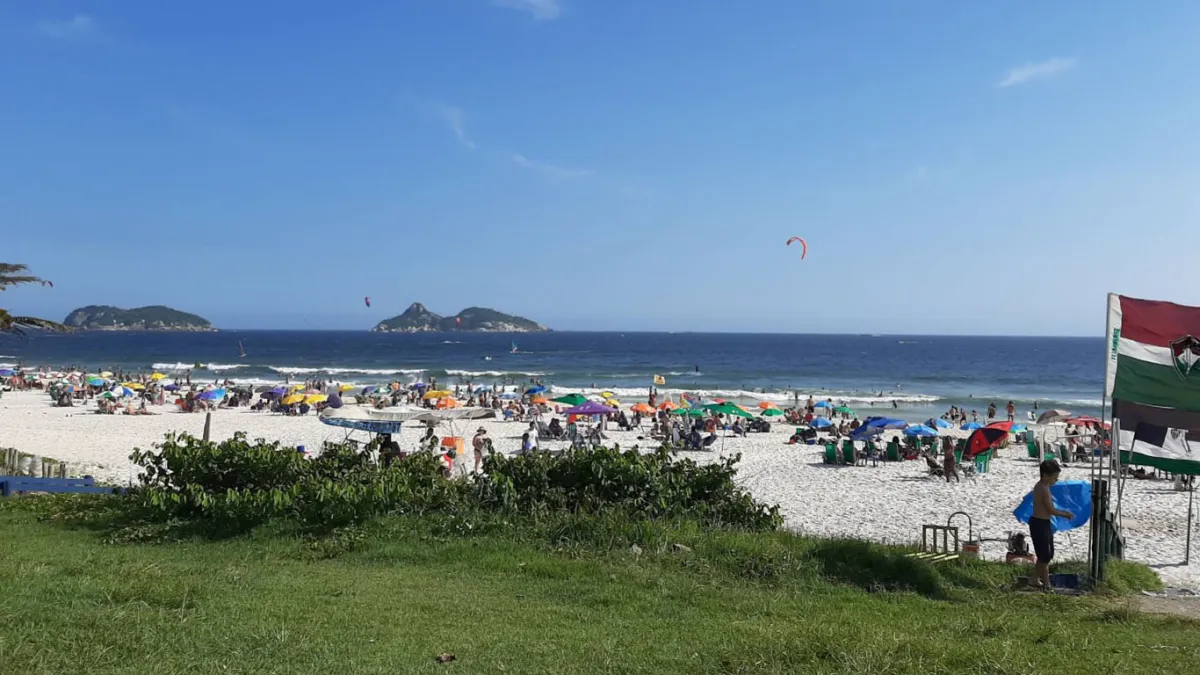
The long sandy shoreline offers generous space in some sections for preparing equipment and launching kites, particularly away from the busiest beach areas. However, Barra da Tijuca is a popular urban beach, and the presence of swimmers, surfers and other visitors can restrict suitable launching locations. Riders should use established kiteboarding areas, follow local regulations and maintain ample clearance from beachgoers. Some nearby areas provide grassy surfaces for preparing equipment, although access and availability depend on the specific launch. Assisted launching and landing are recommended, especially during stronger winds or when the beach becomes crowded.
Barra da Tijuca is primarily suited to intermediate and advanced kitesurfers because of its ocean exposure, shorebreak and variable wave conditions. Experienced riders can enjoy wave riding, powered freeriding and jumping, while stronger wind days may provide opportunities for more demanding manoeuvres. Beginners should avoid independent sessions in breaking waves and seek professional instruction at a suitable location with manageable conditions. The beach's open-water environment also requires confident upwind riding and reliable self-rescue skills. Hydrofoil kitesurfing may be possible beyond the breaking waves, but launching through shorebreak can be difficult and requires experience.
The main safety considerations include strong shorebreak, changing currents, crowded beach sections and occasional gusty winds. Larger Atlantic swells can make entering and leaving the water challenging, particularly when waves break close to shore. Riders should also watch for surfers and swimmers, avoid restricted areas and remain clear of coastal structures. Water temperatures are generally comfortable during the warmer months, although a wetsuit may be useful during winter or periods of colder water. As conditions can change quickly with incoming weather systems, checking wind, swell and tide forecasts is an important part of planning every session.
For anyone searching for kitesurfing at Barra da Tijuca, kiteboarding in Rio de Janeiro or Atlantic wave kitesurfing spots in Brazil, this extensive beach offers an appealing combination of seasonal winds, open-ocean conditions and accessible urban coastline. Its main attraction is the opportunity to enjoy freeriding and wave sessions along one of Rio's longest sandy beaches. Although shorebreak, crowds and variable swell demand experience and careful launch selection, Barra da Tijuca remains a rewarding option for confident kitesurfers exploring the southeastern coast of Brazil.
Something missing or out of date at this spot? Suggest a correction
Spot Gallery (3)
Barra da Tijuca is best suited for
Spot profile
- Local spotNot worth a long trip, but a great option if you live nearby and the wind is on. Ideal for a quick session after work or a spare afternoon, without planning a whole trip.
Equipment
Wetsuit during winter, shorty in warmer months, kite-sized 8-14m
Wind Conditions
Main wind directions
Windy days per month
Share of the days with more than 10 knots.
Wind speed range
10 - 25 knots
Calculate your kite size
Estimate for a rider of your weight at Barra da Tijuca: kite size = weight / wind speed x 2.2, adjusted for the kite shape and aspect ratio. Board, skills and gusts change the ideal size.
Forecast on Windy.com
Kitesurfing Safety & Local Rules at Barra da Tijuca
Caution is needed due to swimmers and currents, especially during crowded months. Kitesurfers must stay within designated riding zones.
How to reach Barra da Tijuca
- Closest cityRio de Janeiro
- How to get thereThe closest airport is Galeão International Airport (GIG), which is 30 km from the spot. It takes about 40 minutes by car and 1.5 hours by bus. Follow the 'Red Road' to Ayrton Senna Road and turn east near Gávea Mountain.
- Accesspublic access, but follow local rules
No-Wind Days: What to Do Around Barra da Tijuca
Stretching along Rio de Janeiro's western coastline, Barra da Tijuca combines beautiful Atlantic beaches, modern urban attractions and extensive natural landscapes. This lively neighbourhood offers an appealing alternative to the more traditional tourist districts of Copacabana and Ipanema, with wide sandy beaches, shopping centres, restaurants and numerous recreational opportunities. For visitors travelling with non-kiting partners or families, Barra da Tijuca provides plenty of activities during no-wind days, from surfing and stand-up paddleboarding to nature excursions, sightseeing and nightlife.
Barra da Tijuca Beach is one of Rio de Janeiro's longest urban beaches, offering kilometres of golden sand backed by modern buildings, beach kiosks and recreational facilities. Visitors can enjoy walking, sunbathing, beach volleyball and surfing, with several sections attracting experienced surfers as well as beginners taking lessons. The western end of the beach, near Reserva and Recreio dos Bandeirantes, generally offers a quieter atmosphere than the busiest central sections. Swimming requires caution because Atlantic swells and strong currents can develop, particularly along exposed stretches of coastline.
Stand-up paddleboarding and kayaking are popular alternatives in suitable sheltered waters around Barra da Tijuca. The neighbourhood's extensive lagoon system, including Lagoa de Marapendi and Lagoa da Tijuca, provides attractive scenery surrounded by mangroves and tropical vegetation. Guided excursions may be available in selected areas, although water quality and access conditions vary, making local advice essential before entering the lagoons. Boat trips through the waterways offer another perspective on the neighbourhood, with opportunities to observe birds and explore quieter sections of the coastal landscape.
Nature enthusiasts can explore the Marapendi Municipal Natural Park, an important protected area preserving coastal vegetation, wetlands and wildlife habitats. Its environmental attractions provide a welcome contrast to Barra's modern urban development. Farther west, Chico Mendes Municipal Natural Park, located in nearby Recreio dos Bandeirantes, offers trails and opportunities to observe native vegetation, birds and occasionally capybaras or caimans from a safe distance. Visitors should follow designated paths and respect wildlife protection rules. These parks are particularly appealing for families, photographers and travellers interested in Rio de Janeiro's natural environment.
For more adventurous excursions, the surrounding mountains offer some of Rio's most spectacular hiking opportunities. Pedra da Gávea and Pedra Bonita, located near the eastern end of Barra da Tijuca, provide panoramic views across the coastline, forests and city. Pedra Bonita is generally the more accessible hiking option, while Pedra da Gávea involves a demanding route with exposed sections that may require specialised assistance. The nearby Tijuca National Park protects extensive Atlantic rainforest and offers additional trails, waterfalls and viewpoints. Guided hikes are recommended for visitors unfamiliar with the terrain or local conditions.
Barra da Tijuca is also one of Rio de Janeiro's main shopping and entertainment districts. Large shopping centres such as BarraShopping and VillageMall offer international brands, restaurants, cinemas and indoor entertainment, making them convenient options during rainy or excessively hot days. Families can find additional recreational facilities, while golf enthusiasts have access to courses in the wider Barra area. The neighbourhood's spacious avenues and modern infrastructure create a different atmosphere from Rio's historic centre, with many attractions spread across a considerable distance.
Restaurants and nightlife are important parts of the Barra da Tijuca experience. The neighbourhood offers everything from informal beachfront kiosks serving grilled seafood and Brazilian snacks to sophisticated restaurants specialising in international cuisine. Traditional dishes such as feijoada, moqueca and freshly grilled fish are widely available, alongside sushi, Italian food and contemporary Brazilian cooking. In the evening, bars, lounges and live music venues attract both locals and visitors, particularly around established dining and entertainment areas. Those seeking a more traditional Rio nightlife experience can also visit Lapa, although the journey across the city can take time.
Accommodation in Barra da Tijuca ranges from comfortable apartments and holiday rentals to modern business hotels and luxury beachfront resorts. Staying near the beach is particularly convenient for visitors who want easy access to the coastline, restaurants and outdoor activities, while properties farther inland may offer better value and proximity to shopping centres. Families and groups often prefer serviced apartments with kitchens and additional space. Barra is generally more spread out than Copacabana or Ipanema, so choosing accommodation close to the preferred beach or activities can significantly reduce travel time.
Barra da Tijuca is accessible from Rio de Janeiro's international and domestic airports by taxi, ride-hailing services or private transfer. The neighbourhood is connected to other parts of the city through major roads and the metro system, although traffic congestion can be significant during peak hours. A car can be useful for exploring the western beaches and surrounding nature reserves, but parking and traffic should be considered. Visitors planning excursions to central Rio should allow sufficient travel time, particularly during weekends, holidays and major events.
A kitesurfing holiday in Barra da Tijuca offers much more than time on the water. No-wind days can be spent surfing Atlantic waves, exploring tropical forest trails, paddling through sheltered waterways, relaxing on extensive sandy beaches or enjoying Rio de Janeiro's shopping, restaurants and nightlife. With its combination of natural scenery, urban comforts and varied accommodation, Barra da Tijuca is an attractive destination for couples, families and non-kiting partners looking to experience both the adventurous and cosmopolitan sides of Brazil's most famous coastal city.
Other kitesurfing spots near Barra da Tijuca
All kitesurfing spots in Brazil
Last updated: