
Kitesurfing in Galinhos
Natal · Brazil
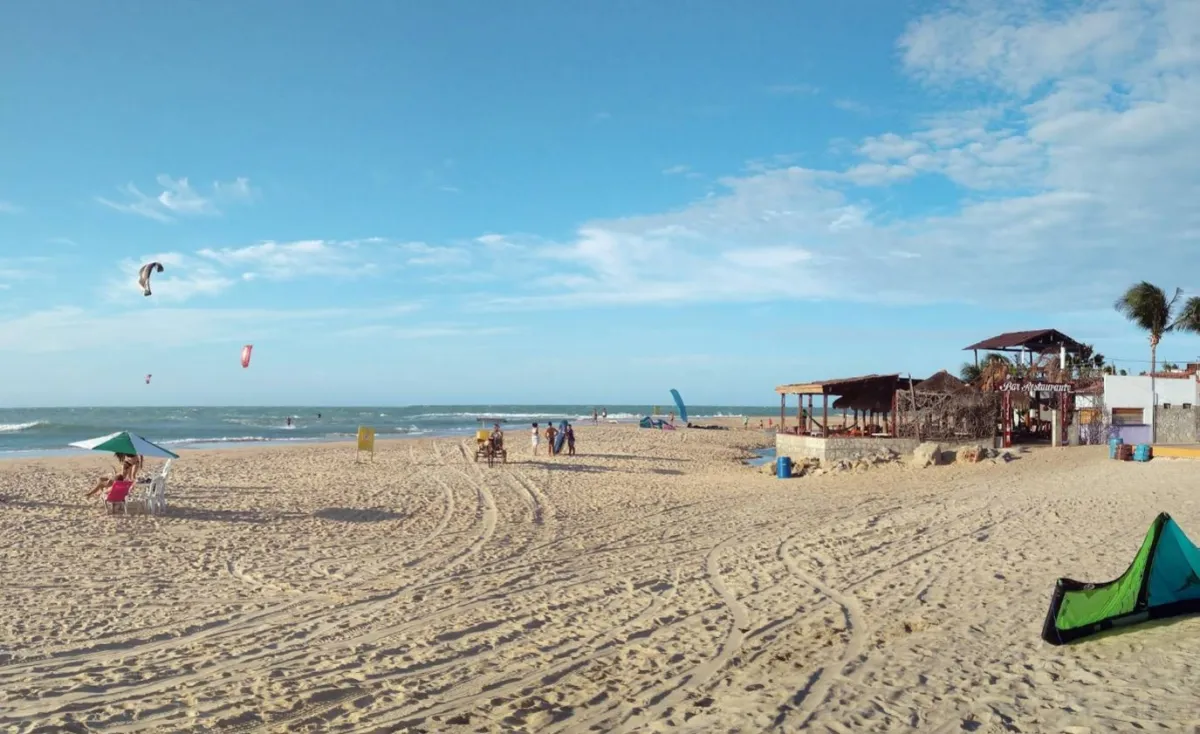
- Spot type Wave
- Rider level beginner
- Water Crystal Clear
- Beach Sand
- Crowd Few people
- Tide effect None
Kitesurfing in Galinhos: Conditions, Wind & Season
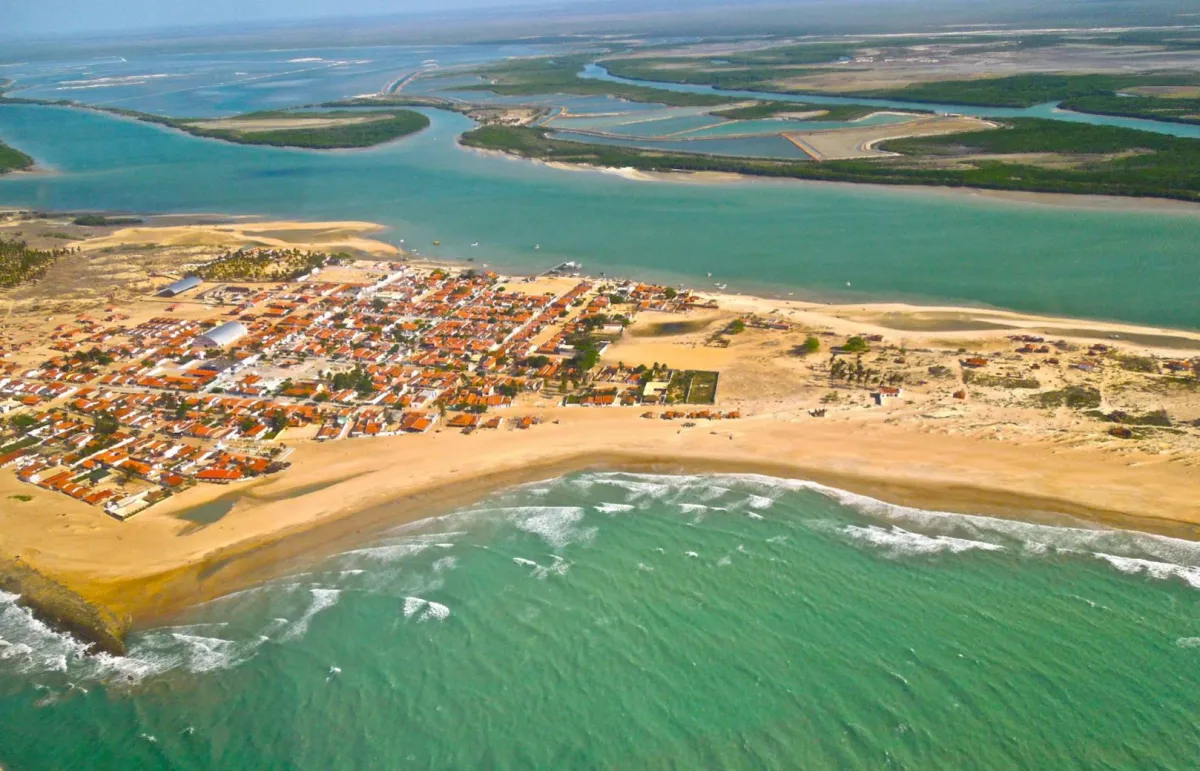
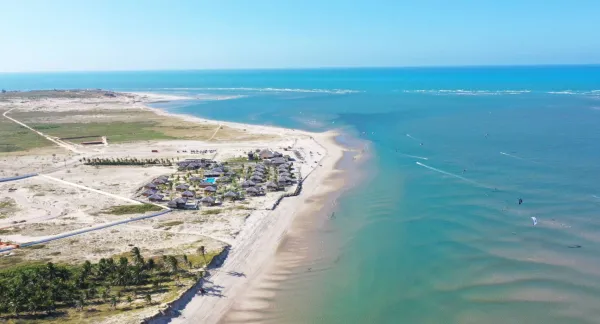
Galinhos is a remote kitesurfing destination on the northern coast of Rio Grande do Norte, Brazil, approximately 160 kilometres northwest of Natal. Situated on a narrow sandy peninsula surrounded by the Atlantic Ocean, tidal channels and extensive salt flats, this small fishing village offers an appealing combination of flat water, ocean waves and reliable seasonal winds. Its relatively undeveloped coastline and spacious riding areas make Galinhos particularly attractive to kitesurfers seeking quieter conditions than those found at Brazil's more established kiteboarding centres.
The main kitesurfing season in Galinhos runs from July through December, when the prevailing easterly and northeasterly trade winds provide frequent opportunities for riding. Suitable conditions can also occur during January and February, although wind reliability generally decreases outside the peak season. Winds often strengthen around midday and remain consistent throughout the afternoon, creating favourable conditions for extended sessions. The exposed coastal geography allows the trade winds to reach much of the riding area with relatively few obstructions, although local wind direction and strength can vary around the peninsula and estuary.
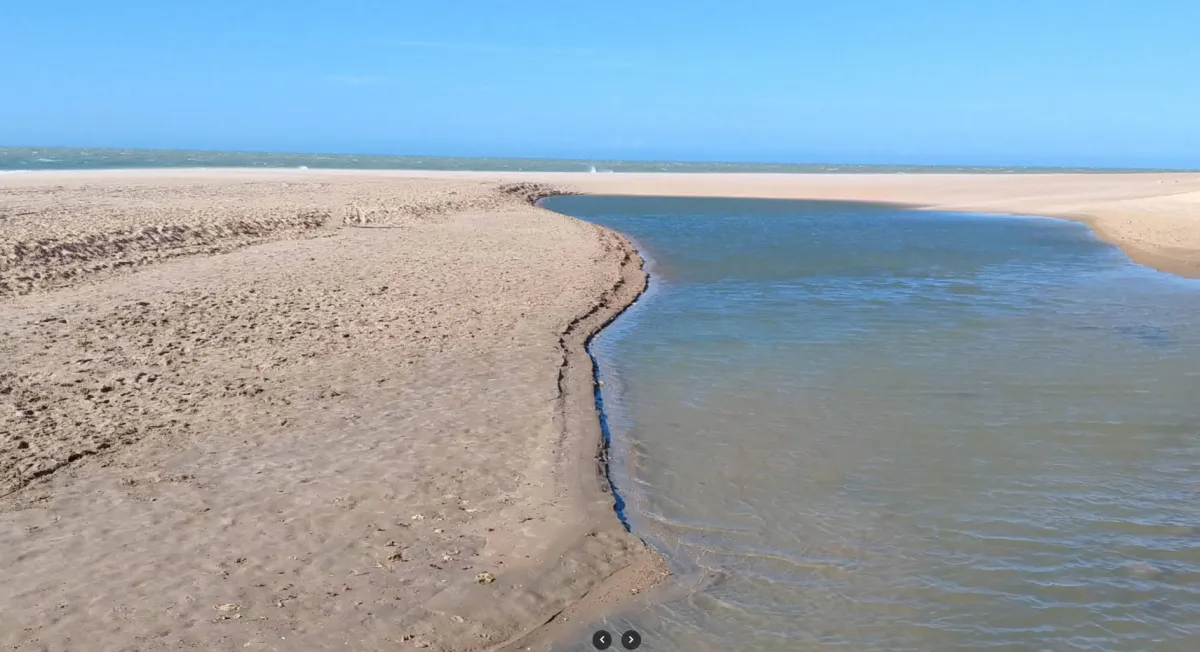
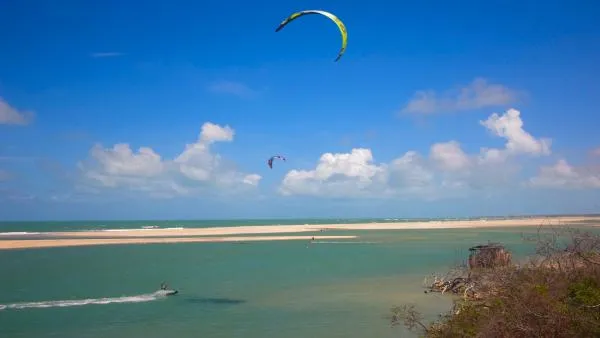
One of Galinhos' greatest attractions is the variety of water conditions created by the tides. At low tide, sheltered shallow-water areas and tidal pools can provide exceptionally smooth surfaces, ideal for freestyle, freeriding and practising new manoeuvres. These flatter sections are particularly enjoyable for riders looking to improve transitions, board control and technical tricks. However, water depth can change rapidly as the tide falls, and some areas may become too shallow for safe jumping. As the tide rises, the character of the spot changes, with deeper water, wind-generated chop and more exposed ocean conditions becoming available.
The Atlantic-facing coastline offers an alternative for experienced riders interested in wave riding and more dynamic freeride sessions. During higher tides and suitable swell, medium-sized waves can develop along exposed sections of the beach, providing opportunities for strapless kiteboarding and wave manoeuvres. The combination of wind and swell can also create enjoyable bump-and-jump conditions for twin-tip riders. Wave quality depends on the tide, swell direction and local sandbanks, so conditions should be assessed before entering the water. Experienced kitesurfers may also explore longer coastal downwinders, preferably with local guidance and organised transportation support.
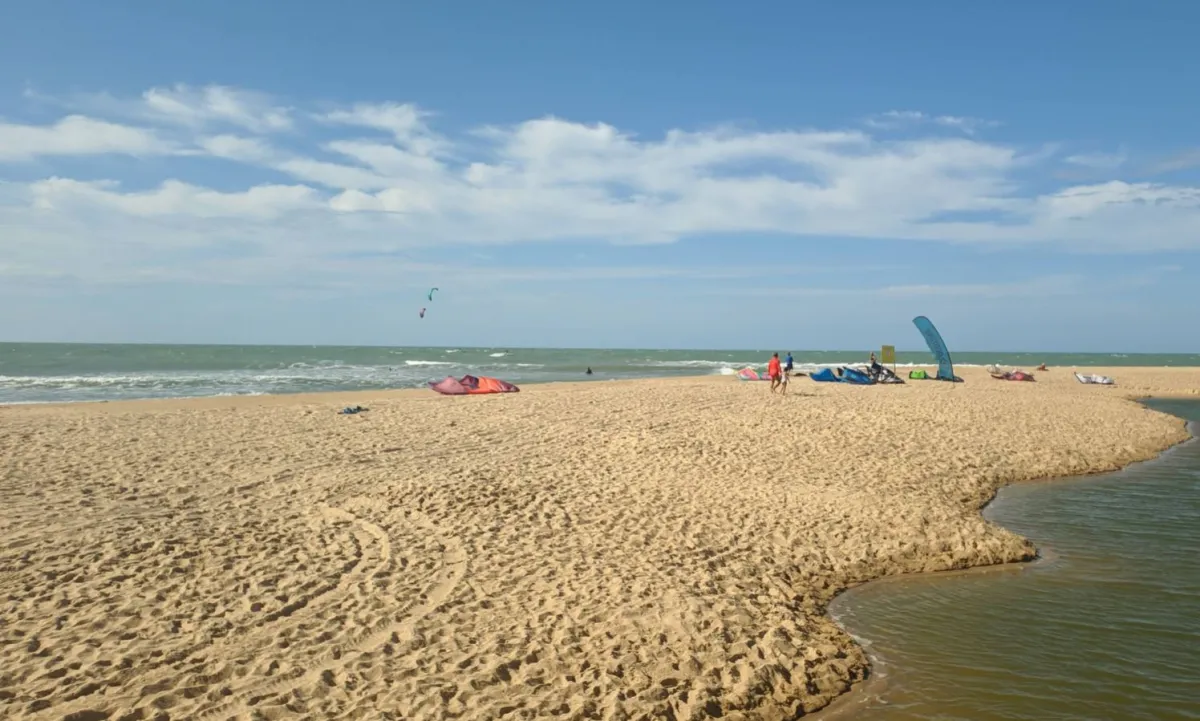
Launching conditions are generally favourable thanks to the broad sandy beaches surrounding Galinhos. The available space allows riders to prepare equipment and launch without the congestion typical of more popular destinations, although beach width changes with the tide. Riders should select launching areas with clear downwind space and remain aware of fishing boats, equipment and other shoreline activities. Around the estuary, shifting sandbanks and tidal channels can complicate access to certain flat-water sections. Assisted launching and landing are recommended, particularly during stronger afternoon winds or when riding from unfamiliar beaches.
Galinhos offers opportunities for different skill levels, provided the appropriate riding area is selected. Beginners may find suitable conditions in sheltered shallow water when accompanied by qualified instructors, while intermediate riders can enjoy relaxed freeriding and freestyle progression. Advanced kitesurfers are attracted by the combination of flat-water tricks, powered sessions and ocean wave riding. The main hazards include tidal currents, rapidly changing water depths, shallow sandbanks and stronger winds near the river channels. Riders should check tide tables, avoid jumping in unfamiliar shallow sections and confirm local rescue arrangements before venturing far from shore.
For anyone searching for kitesurfing in Galinhos, kiteboarding in Rio Grande do Norte or less crowded kitesurfing spots near Natal, this distinctive peninsula offers an excellent combination of seasonal trade winds, tidal flat water and Atlantic waves. Its greatest appeal is the opportunity to switch between smooth freestyle conditions and more challenging ocean riding within the same coastal area. Although remote access, changing tides and limited infrastructure require careful preparation, Galinhos remains a rewarding destination for independent kitesurfers exploring Brazil's northeastern coastline.
Something missing or out of date at this spot? Suggest a correction
Spot Gallery (5)
Galinhos is best suited for
Spot profile
- Travel spotA proven kite destination with reliable conditions, worth a trip. Kiters fly in from all over the world for their kite holidays, and you will probably find schools, rentals and a lively kite scene nearby.
- Adventure spotFar from the tourist trail, this is a spot you have to earn. The journey is part of the adventure, and at the end you find empty water, wild scenery and the feeling of having discovered a secret few kiters know.
Equipment
Board shorts, kite, board
Wind Conditions
Main wind directions
Windy days per month
Share of the days with more than 10 knots.
Wind speed range
15 - 25 knots
Calculate your kite size
Estimate for a rider of your weight at Galinhos: kite size = weight / wind speed x 2.2, adjusted for the kite shape and aspect ratio. Board, skills and gusts change the ideal size.
Forecast on Windy.com
Kitesurfing Safety & Local Rules at Galinhos
The main hazards at Galinhos, in Brazil's Rio Grande do Norte state, are tidal currents and changing water conditions around the lagoon and coastal channels. Currents can become stronger during tidal transitions, potentially making it difficult to maintain position or return to the launching area. Shifting sandbanks and varying water depths also require attention, particularly when riding in unfamiliar sections. Check the tide before launching and seek local guidance on the safest riding areas and access routes.
The flat-water lagoon that forms at low tide provides favourable conditions for freeriding and freestyle, but shallow sections can cause injuries during jumps, hard landings or high-speed falls. At high tide, the exposed ocean side develops medium-sized waves that can make water entry, kite relaunching and board recovery more demanding. Riders should assess water depth carefully, avoid powered manoeuvres over shallow sandbanks and choose conditions appropriate to their experience level.
The prevailing easterly to northeasterly winds typically strengthen around midday and remain consistent through the afternoon, making kite control more demanding on windier days. Although the spacious sandy beach generally offers good launching conditions, Galinhos is relatively remote and assistance may be limited outside established riding areas. Maintain safe distances from other water users, follow local kitesurfing guidelines and avoid venturing into unfamiliar channels or distant downwind routes without reliable self-rescue skills.
How to reach Galinhos
- Closest cityNatal
- How to get thereFly to Natal International Airport and then drive approximately 2 hours to reach Galinhos. Alternatively, you can rent a car or take a transfer.
- Accesspublic
No-Wind Days: What to Do Around Galinhos
Hidden along the northern coast of Rio Grande do Norte, Brazil, Galinhos is a peaceful fishing village surrounded by golden dunes, mangrove forests, salt flats and beautiful Atlantic beaches. Located on a narrow sandy peninsula approximately 170 kilometres from Natal, this remote destination offers an atmosphere far removed from busy tourist resorts. Its sandy streets, traditional fishing boats and relaxed pace of life make it particularly appealing for couples, nature lovers and non-kiting partners seeking tranquillity. During no-wind days, visitors can explore the surrounding waterways, discover secluded beaches and experience the natural beauty of Brazil's northeastern coastline.
One of Galinhos' most enjoyable attractions is its extensive mangrove ecosystem, which can be explored through guided canoe and boat excursions. These trips navigate sheltered waterways surrounded by tropical vegetation, providing opportunities to observe herons, egrets, crabs and other coastal wildlife. Local guides can also introduce visitors to traditional fishing practices and the importance of mangroves to the region's marine environment. Kayaking may be available through local accommodation providers, offering another way to discover the estuary when tides and weather conditions are suitable.
The Galinhos Lighthouse, located near the tip of the peninsula, is one of the village's most recognisable landmarks. Visitors can reach the surrounding area on foot or through traditional horse-drawn cart excursions, enjoying beautiful views of the dunes and Atlantic coastline along the way. The lighthouse is particularly attractive around sunset, when the warm light creates spectacular scenery for photography. The nearby beaches provide opportunities for walking, relaxing and exploring tidal landscapes, although strong currents and changing water conditions require caution when swimming.
Galinhos is also known for its unusual combination of sand dunes and salt-production landscapes. Guided buggy excursions can explore the surrounding coastal terrain, with stops at scenic viewpoints, lagoons and areas overlooking the region's salt flats. The contrast between white salt formations, golden dunes and blue waterways creates some of the most distinctive scenery in Rio Grande do Norte. Visitors should choose experienced local operators and respect restrictions around working salt-production areas and environmentally sensitive habitats.
Another rewarding excursion is visiting Galos, a small neighbouring fishing village surrounded by mangroves and quiet beaches. Galos offers an even more secluded atmosphere, with simple restaurants, traditional houses and opportunities to experience everyday coastal life. Boat trips between the communities provide attractive views of the estuary, while guided walks offer opportunities for photography and observing local fishing activities. The surrounding wetlands are also interesting for birdwatching, particularly during quieter morning and late-afternoon hours.
Galinhos' coastal waters support a variety of marine life, and visitors may occasionally encounter dolphins or sea turtles during boat excursions. These sightings are unpredictable and should be considered a fortunate addition rather than the main purpose of a trip. Responsible operators maintain appropriate distances from wildlife and avoid disturbing sensitive habitats. For those who prefer a slower pace, simply relaxing in a hammock, enjoying a beach walk or watching fishing boats return to the village can be equally rewarding.
Food is an important part of the Galinhos experience. Small beachfront restaurants and rustic establishments, sometimes operating beneath traditional thatched roofs, serve fresh fish, shrimp, crab and other seafood prepared with regional Brazilian ingredients. Grilled fish, seafood stews, rice, cassava and tropical fruit juices are popular choices. Dining is generally informal, reflecting the village's traditional fishing heritage. Nightlife is limited, with evenings centred around relaxed meals, small bars and peaceful walks beneath the tropical sky rather than clubs or large entertainment venues.
Accommodation in Galinhos ranges from simple guesthouses and family-run pousadas to comfortable waterfront properties and small boutique lodgings. Booking ahead is advisable during popular travel periods, as accommodation choices are relatively limited.
Reaching Galinhos requires some planning because the village is separated from the mainland road network by its sandy peninsula and surrounding waterways. Most visitors travel by road from Natal to the Pratagil embarkation area, where they leave their vehicles and continue by passenger boat. Once in Galinhos, transportation is mainly on foot or by traditional horse-drawn carts, contributing to the village's distinctive atmosphere. Travellers should confirm boat schedules, transfer arrangements and luggage requirements with their accommodation before departure. Shops and services are limited, so bringing essential supplies and sufficient cash is recommended.
A holiday in Galinhos offers a refreshing combination of natural beauty, traditional Brazilian culture and genuine tranquillity. During no-wind days, visitors can paddle through mangrove channels, explore dunes and salt flats, visit the lighthouse, discover neighbouring fishing villages or enjoy freshly prepared seafood beside the water. With its intimate accommodation, peaceful beaches and remarkable coastal landscapes, Galinhos is particularly appealing for travellers seeking a relaxed tropical escape away from the crowds of Brazil's more developed resorts.
Other kitesurfing spots near Galinhos
All kitesurfing spots in Brazil
Last updated: