
Kitesurfing in Sao Miguel do Gostoso
Natal · Brazil
- Spot type Flat
- Rider level beginner
- Water Crystal Clear
- Beach Sand
- Crowd Seasonal crowd
- Tide effect Conditions vary
Kitesurfing in Sao Miguel do Gostoso: Conditions, Wind & Season
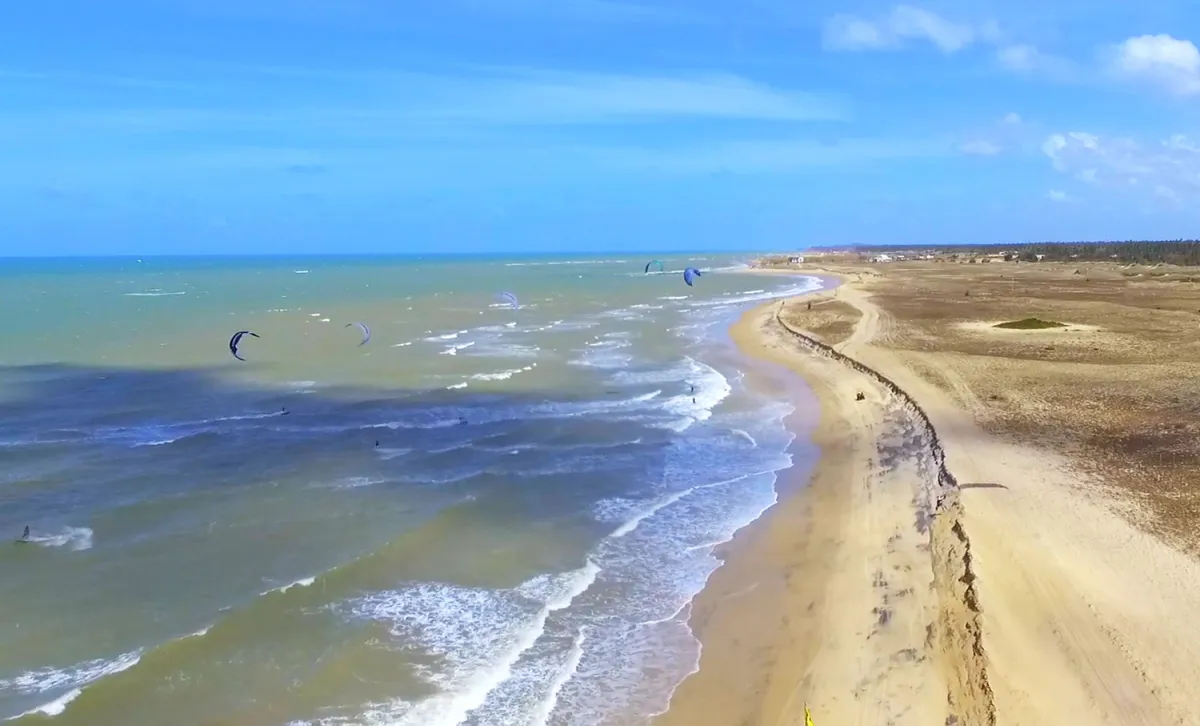
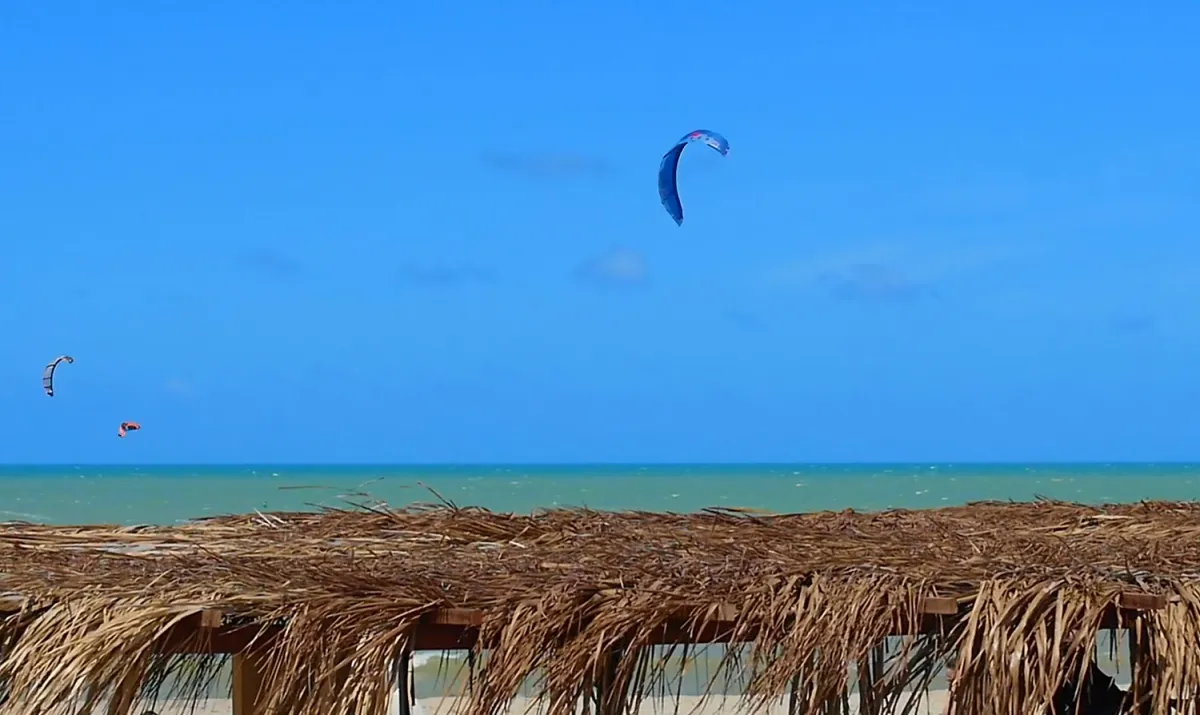
São Miguel do Gostoso is one of the best-known kitesurfing destinations in Rio Grande do Norte, northeastern Brazil, located approximately 110 kilometres north of Natal. Situated near the northeastern tip of the Brazilian coastline, this coastal town benefits from excellent exposure to seasonal trade winds and offers extensive sandy beaches with varied riding conditions. From relatively smooth water and moderate chop to Atlantic waves, São Miguel do Gostoso attracts freeriders, freestyle enthusiasts and experienced wave riders. Its spacious coastline and established wind sports community make it particularly appealing to kitesurfers looking for reliable wind and a choice of riding environments.
The main kitesurfing season generally runs from September through January, with the most reliable conditions typically occurring between October and December. The prevailing winds are predominantly easterly and northeasterly, although local conditions and passing weather systems can occasionally bring other directions. The region's exposed position allows the trade winds to reach the coastline with relatively few obstructions, creating frequent opportunities for powered freeriding and jumping. Unlike some Brazilian spots where the wind builds mainly during the afternoon, São Miguel do Gostoso often experiences strong conditions from the morning, with winds sometimes easing toward late afternoon, particularly around 4:30 or 5:00 p.m.
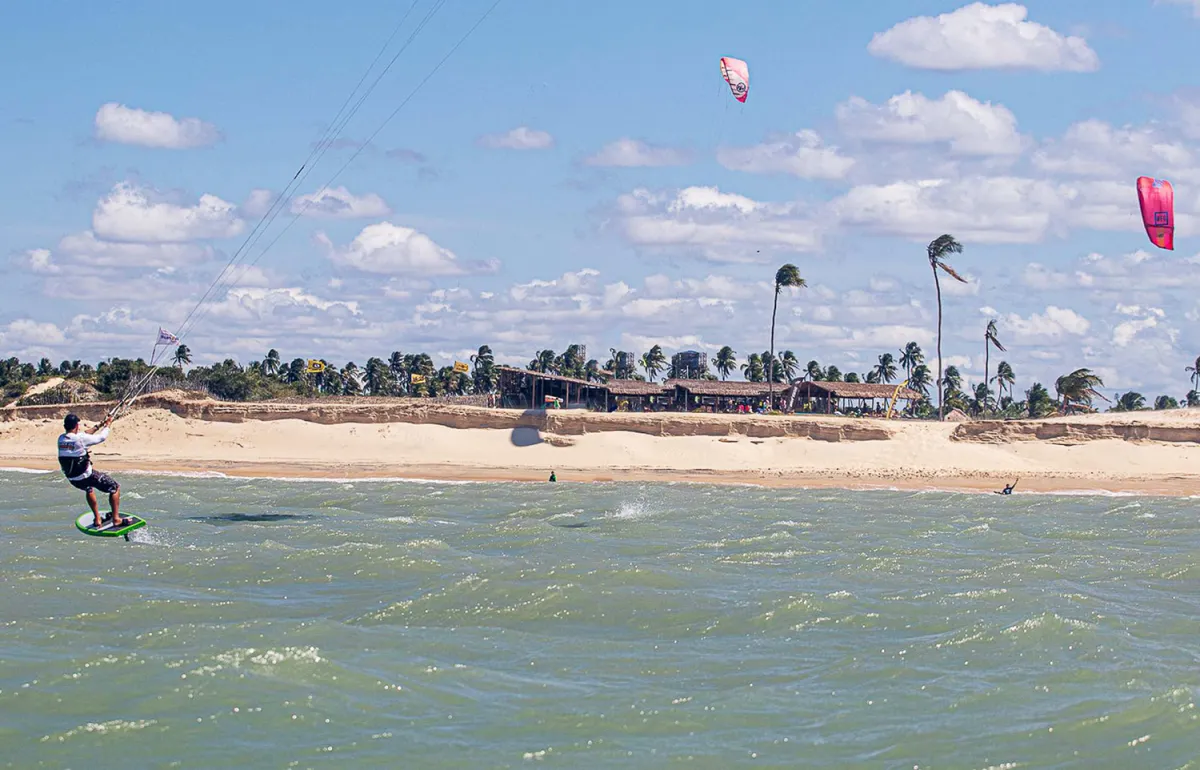
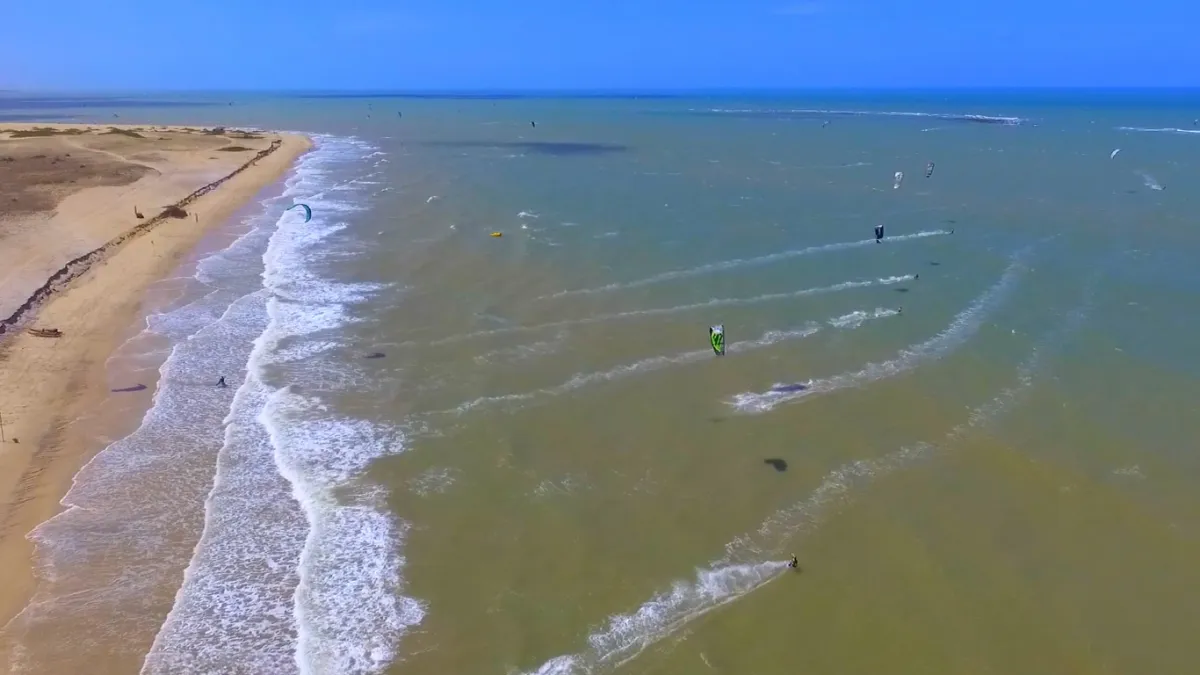
Water conditions vary considerably along the coastline, allowing riders to choose between different styles of kitesurfing. Some sheltered sections provide relatively smooth water suitable for freeriding, transitions and freestyle progression, while more exposed beaches develop moderate chop as the wind strengthens. Atlantic swell can also produce breaking waves, creating enjoyable conditions for strapless kiteboarding and wave manoeuvres. The combination of wind direction, swell and tide determines which areas offer the most manageable conditions on a given day. Although the coastline is generally spacious, riders should assess each launching location individually rather than assuming that every beach provides equally suitable conditions.
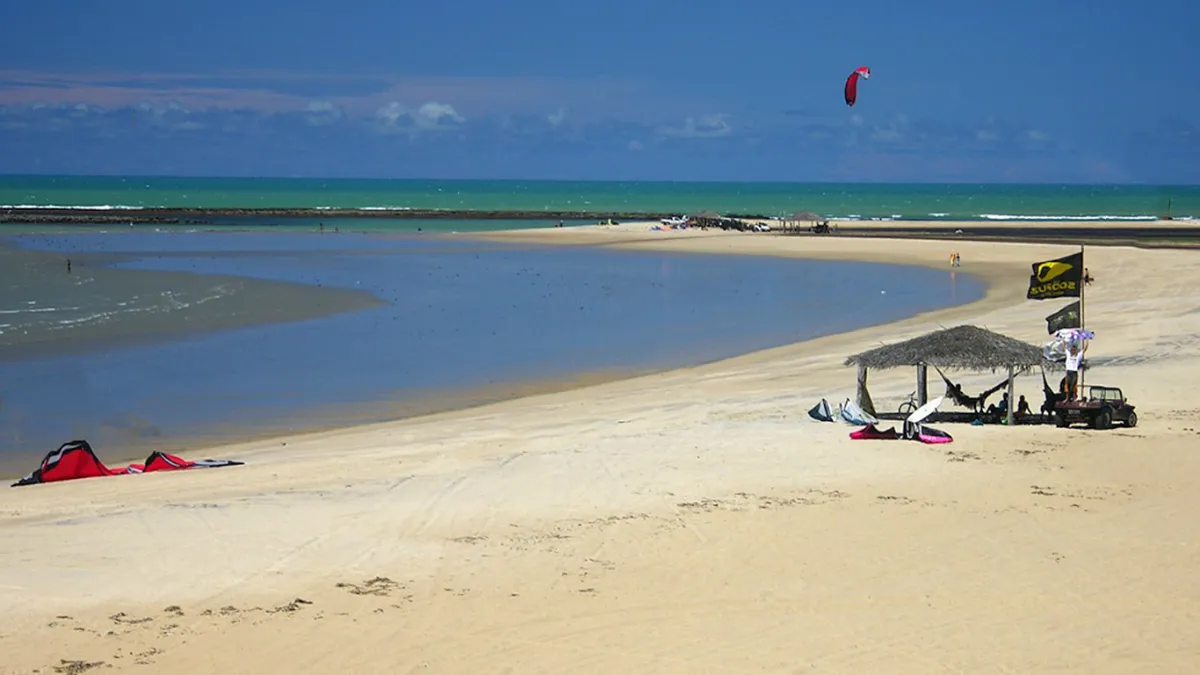
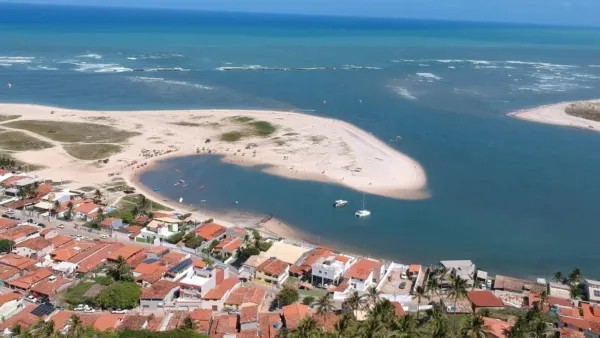
Ponta do Santo Cristo is one of the most established kitesurfing locations in São Miguel do Gostoso. Its broad sandy beach and open wind exposure make it popular for freeriding, jumping and wave-oriented sessions. At lower tides, shallow reef and sandbank formations can create relatively smooth sections of water, providing opportunities for practising technical manoeuvres. As the tide rises, deeper water allows more swell to reach the shoreline, and waves can develop in the one-to-two-metre range when conditions are favourable. These higher-tide sessions are particularly attractive to experienced riders who enjoy strapless wave riding or powered freeriding in moderate surf.
Launching and landing conditions are generally convenient thanks to the wide sandy beaches found around São Miguel do Gostoso. The available space allows riders to prepare equipment and launch without the congestion associated with smaller lagoon spots, although beach width changes with the tide. Riders should choose clear launching areas away from fishing boats, beach users and other obstacles. Some sections of the coastline contain shallow reef formations, making it important to identify safe entry and exit points before entering the water. Assisted launching and landing are recommended, particularly during stronger wind periods or when the beach is busy with other wind sports enthusiasts.
São Miguel do Gostoso can accommodate different experience levels when the appropriate beach and conditions are selected. Beginners may benefit from professional instruction on manageable days, while intermediate riders will appreciate the open space for improving upwind technique, transitions and controlled jumps. Advanced kitesurfers can enjoy stronger winds, powered freestyle and wave riding around Ponta do Santo Cristo. Water temperatures generally remain close to 27°C, making wetsuits unnecessary for most riders during the main season. The principal hazards include strong trade winds, changing shorebreak, shallow reef sections and waves that can become demanding during larger swells. Riders should check tide tables and avoid jumping over shallow obstacles.
For anyone searching for kitesurfing in São Miguel do Gostoso, kiteboarding at Ponta do Santo Cristo or reliable wind destinations near Natal, this stretch of Rio Grande do Norte offers an excellent combination of strong seasonal winds, warm water and varied Atlantic conditions. Its greatest attraction is the opportunity to enjoy long freeriding sessions while also having access to smoother sections and more challenging waves depending on the tide and swell. With favourable winds from September through January and spacious beaches suited to several riding styles, São Miguel do Gostoso remains one of northeastern Brazil's most appealing kitesurfing destinations.
Something missing or out of date at this spot? Suggest a correction
Spot Gallery (6)
Sao Miguel do Gostoso is best suited for
Spot profile
- Travel spotA proven kite destination with reliable conditions, worth a trip. Kiters fly in from all over the world for their kite holidays, and you will probably find schools, rentals and a lively kite scene nearby.
- Family spotEasy to visit with family and friends. Facilities are close by and non-kiters have plenty to do while you are on the water, so everyone enjoys the day, whether they kite or not.
Equipment
Given the warm climate, a wetsuit is generally not necessary for kitesurfing in Sao Miguel Do Gostoso. However, for those who prefer a bit of extra protection, a shorty wetsuit can be useful during the slightly cooler mornings or on particularly windy days. Protective booties are not essential, but they can be helpful if you're riding near areas with rocky reefs.
Wind Conditions
Main wind directions
Windy days per month
Share of the days with more than 10 knots.
Wind speed range
16 - 30 knots
Calculate your kite size
Estimate for a rider of your weight at Sao Miguel do Gostoso: kite size = weight / wind speed x 2.2, adjusted for the kite shape and aspect ratio. Board, skills and gusts change the ideal size.
Forecast on Windy.com
Kitesurfing Safety & Local Rules at Sao Miguel do Gostoso
The main hazards at São Miguel do Gostoso, on Brazil's Rio Grande do Norte coast, are rocky sections of shoreline and offshore reefs. These obstacles can pose a risk of injury or equipment damage, particularly when riding close to shallow reef areas or navigating unfamiliar sections of the coastline. At high tide, submerged rocks may be harder to identify, so maintain a safe distance from reef formations and seek local guidance before exploring new riding areas.
Although São Miguel do Gostoso generally offers favourable kitesurfing conditions, the strong seasonal trade winds can make launching, landing and kite control demanding, especially for less experienced riders. Choose an appropriate kite size, assess the wind and water conditions before entering the sea and avoid riding too close to rocky shorelines where recovering from a fall may be difficult.
Respect designated kite launching and landing areas, as well as any restricted zones established to protect the local environment. Riding outside permitted areas may create conflicts with other beach users or disturb sensitive coastal habitats. Local kitesurfing schools can provide up-to-date information about safe riding zones, reef locations and access restrictions, making them a useful source of advice for first-time visitors.
How to reach Sao Miguel do Gostoso
- Closest cityNatal
- How to get thereSao Miguel Do Gostoso is easily accessible by both car and air. The closest major airport is in Natal, which is around 100 kilometers away from the spot. From Natal, you can rent a car or take a shuttle service directly to Sao Miguel Do Gostoso. The drive takes approximately 1.5 to 2 hours, following scenic coastal roads that provide a preview of Brazil’s natural beauty.
- AccessPublic
No-Wind Days: What to Do Around Sao Miguel do Gostoso
São Miguel do Gostoso is one of the most charming coastal destinations in Rio Grande do Norte, northeastern Brazil, combining beautiful beaches, traditional fishing culture and a relaxed tropical atmosphere. Located approximately 110 kilometres north of Natal, this former fishing village has gradually developed into a popular destination for travellers seeking natural beauty without the crowds of larger Brazilian beach resorts. Its sandy streets, colourful boats, welcoming restaurants and peaceful coastline make it particularly attractive for couples, families and non-kiting partners. During no-wind days, visitors can discover secluded beaches, explore neighbouring villages, enjoy regional cuisine or simply relax beneath the coconut palms.
The beaches surrounding São Miguel do Gostoso are among its greatest attractions, each offering a slightly different atmosphere. Praia da Xêpa, close to the village centre, is particularly convenient for beach walks, restaurants and enjoying the local atmosphere. Praia do Maceió provides a quieter setting with broad stretches of sand and beautiful coastal scenery, while Praia de Santo Cristo is known for its open shoreline and relaxed beachfront establishments. Visitors can enjoy photography, sunbathing and long walks along the coast, especially during the cooler morning and late-afternoon hours. Swimming conditions vary with tides, waves and currents, so checking local conditions before entering the ocean is advisable.
One of the most rewarding excursions is Praia de Tourinhos, located a short distance west of São Miguel do Gostoso. This beautiful beach is famous for its unusual sandstone formations, peaceful surroundings and spectacular sunsets. The rocky formations create a distinctive landscape, particularly during low tide, when visitors can explore exposed sections of the shoreline and photograph the contrasting colours of sand, rock and sea. Tourinhos is also a popular place to spend a relaxing afternoon at a beachfront restaurant before watching the sun disappear over the horizon. Visitors should take care on slippery rocks and respect the changing tides when exploring the coastline.
For travellers looking for more adventure, guided buggy and quad-bike excursions provide opportunities to discover the surrounding beaches, dunes and small coastal communities. Depending on the chosen route, trips may include Praia do Marco, Tourinhos and quieter stretches of coastline rarely visited by larger tourist groups. Praia do Marco is associated with the early Portuguese exploration of Brazil and the historic stone marker placed along this coastline during the colonial period. The wider area features beautiful sandy landscapes, traditional fishing villages and scenic viewpoints. Excursions should be arranged through responsible local operators, with routes respecting protected areas, beach users and environmental restrictions.
Another interesting day trip is visiting the nearby municipality of Touros, home to the impressive Farol do Calcanhar, one of Brazil's tallest lighthouses. The lighthouse stands near the northeastern corner of the Brazilian coastline and is an important maritime landmark. Although access to the lighthouse itself may be restricted, the surrounding area offers opportunities for photography and discovering the region's coastal geography. Nearby beaches and fishing communities provide additional places to explore, while the broader Touros coastline offers beautiful scenery away from the busiest tourist destinations.
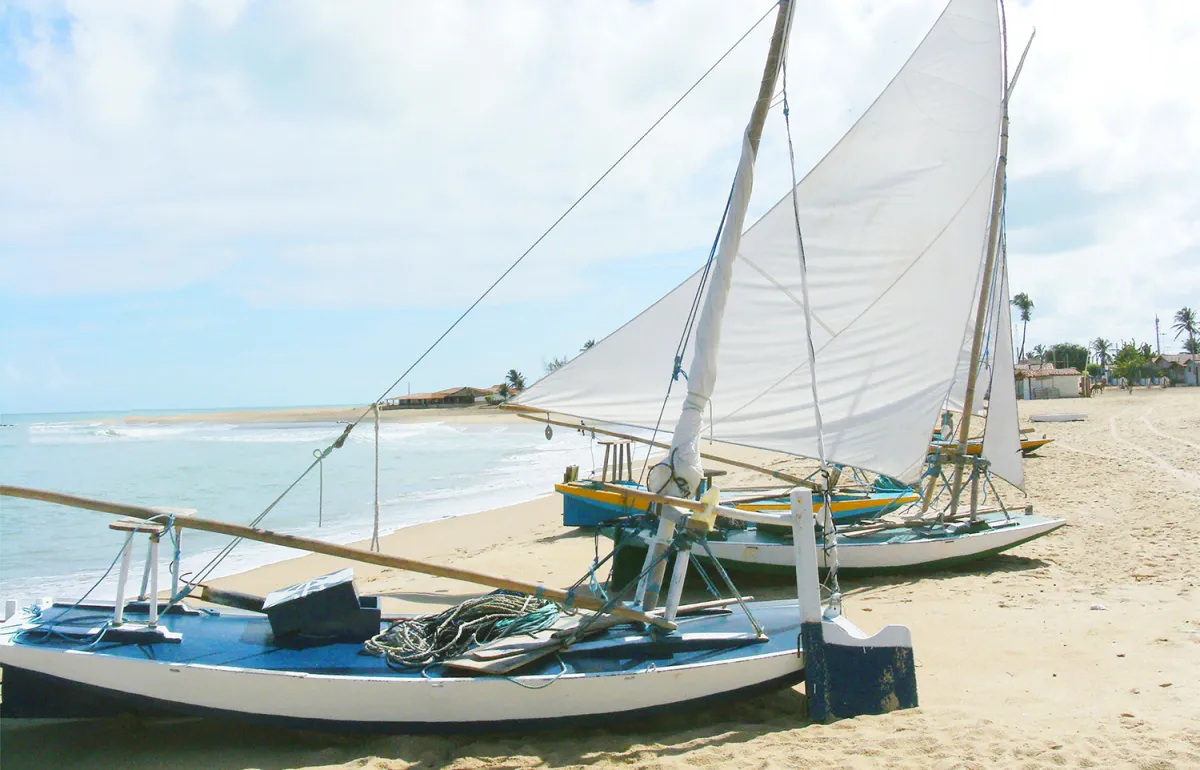
São Miguel do Gostoso also offers opportunities to experience the culture and traditions of northeastern Brazil. The village retains elements of its fishing heritage, with traditional boats, small markets and local businesses forming part of everyday life. Visitors can browse shops selling handmade accessories, beachwear and regional crafts, or spend time exploring the village centre and its colourful streets. Local cultural celebrations, religious festivities and occasional community events provide opportunities to experience regional music and traditions. The town's atmosphere is generally informal and welcoming, with a mixture of long-established residents and an international community of visitors.
Food is an essential part of the São Miguel do Gostoso experience, with restaurants offering everything from traditional northeastern Brazilian cuisine to contemporary international dishes. Fresh fish, shrimp, lobster when seasonally available, and other seafood feature prominently on local menus, often served with rice, cassava, beans and tropical ingredients. Visitors can also enjoy regional specialities, freshly prepared juices and Brazilian desserts. Rua da Xêpa and the surrounding village centre are particularly popular for dining, with cosy restaurants, cafés and relaxed bars creating an inviting atmosphere. The variety of dining options is impressive for a relatively small coastal town.
Evenings in São Miguel do Gostoso are generally relaxed but can become lively during weekends, holidays and the busiest travel periods. Small bars and restaurants occasionally host live music, including Brazilian styles such as forró and MPB, while informal gatherings and special events contribute to the village's social atmosphere. New Year's celebrations are particularly popular, attracting visitors from across Brazil and abroad. Outside these periods, nightlife is more understated, making the destination especially suitable for travellers who enjoy sunset drinks, leisurely dinners and conversation rather than large nightclubs. Visitors seeking a quieter evening can enjoy the peaceful atmosphere of the beachfront away from the village centre.
Accommodation in São Miguel do Gostoso ranges from affordable family-run pousadas and charming guesthouses to boutique hotels, beachfront bungalows and upscale holiday villas. Many properties feature tropical gardens, swimming pools and comfortable outdoor spaces, while some offer spa treatments, yoga sessions or other wellness activities. Staying near Praia da Xêpa provides convenient access to restaurants and shops, whereas accommodation around Maceió, Santo Cristo and the quieter outskirts of town offers more privacy and tranquillity. The village has developed a varied hospitality scene while retaining much of its relaxed character. Advance booking is recommended during Brazilian holidays, the peak travel season and major local celebrations.
São Miguel do Gostoso is most conveniently reached by road from Natal, which has the nearest major international airport. The journey typically takes around one and a half to two hours, depending on traffic and road conditions. Private transfers and rental cars are popular options, with a car being particularly useful for exploring Tourinhos, Praia do Marco, Touros and other nearby beaches. Within the village, many restaurants and shops can be reached on foot or by bicycle, although some accommodation areas are spread along the coastline. Visitors planning excursions on sandy tracks should use suitable vehicles and follow local advice rather than attempting difficult routes with ordinary rental cars.
For travellers looking to combine beautiful beaches, traditional Brazilian culture and a welcoming coastal atmosphere, São Miguel do Gostoso offers much more than its reputation as a watersports destination. During no-wind days, visitors can discover the sandstone formations of Tourinhos, explore remote beaches by buggy, visit the Farol do Calcanhar, enjoy fresh seafood or experience the village's relaxed nightlife. Its attractive accommodation, varied restaurants and access to the natural landscapes of Rio Grande do Norte make São Miguel do Gostoso an excellent destination for couples, families and non-kiting partners seeking an authentic tropical escape.
Other kitesurfing spots near Sao Miguel do Gostoso
All kitesurfing spots in Brazil
Last updated: