
Kitesurfing in Tibau do Sul
Natal · Brazil
- Spot type Flat
- Rider level beginner
- Water Dark - Clear
- Beach Sand
- Crowd Few people
- Tide effect Conditions vary
Kitesurfing in Tibau do Sul: Conditions, Wind & Season
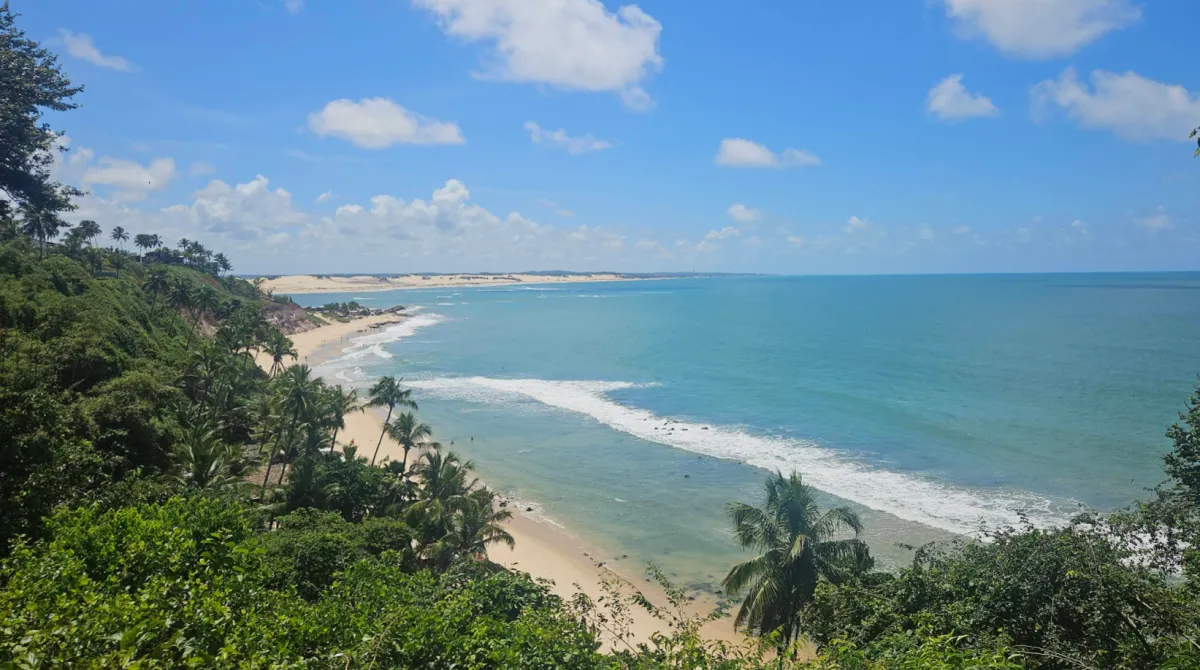
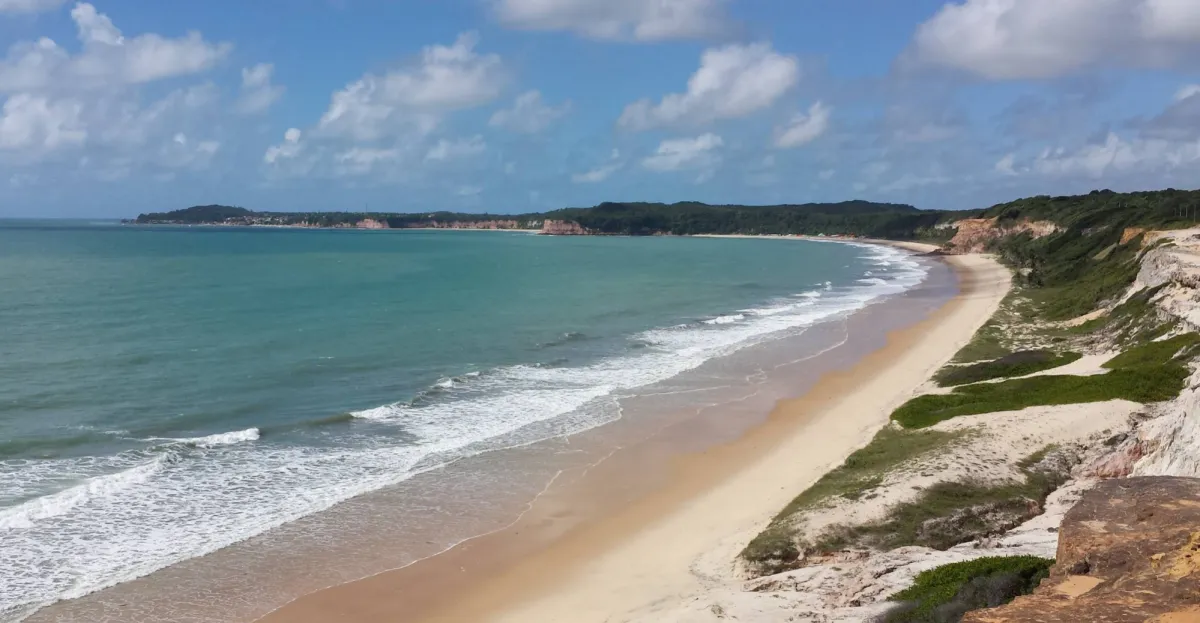
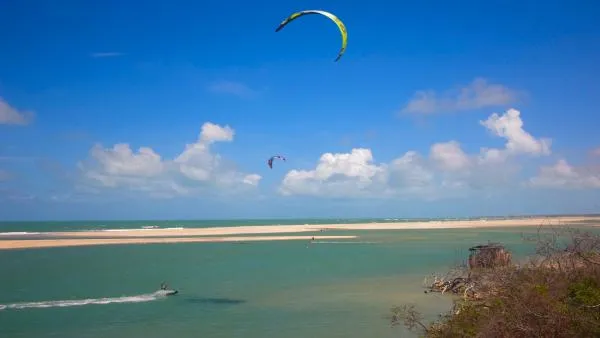
Tibau do Sul is a kitesurfing destination on the southern coast of Rio Grande do Norte, northeastern Brazil, approximately 80 kilometres south of Natal and close to the well-known beach town of Pipa. Located near the mouth of the Guaraíras Lagoon, the area offers a combination of sheltered flat water, sandy beaches and small Atlantic waves. This contrast between lagoon and ocean conditions makes Tibau do Sul attractive to freeriders, developing kitesurfers and experienced riders looking for more varied sessions. Compared with some of Brazil's larger kitesurfing centres, the spot generally offers a quieter riding environment with relatively uncrowded water.
The main kitesurfing season runs from July through December, when the prevailing easterly and southeasterly trade winds provide frequent opportunities for riding. Wind speeds commonly range between 15 and 25 knots during favourable periods, creating suitable conditions for freeriding, freestyle progression and jumping. The most reliable winds are generally associated with the dry season, although strength and direction can vary throughout the day. Afternoon thermal effects may reinforce the regional airflow, while surrounding vegetation and the shape of the estuary can create local wind shadows. Riders should assess the wind carefully before launching, particularly in sheltered sections of the lagoon.
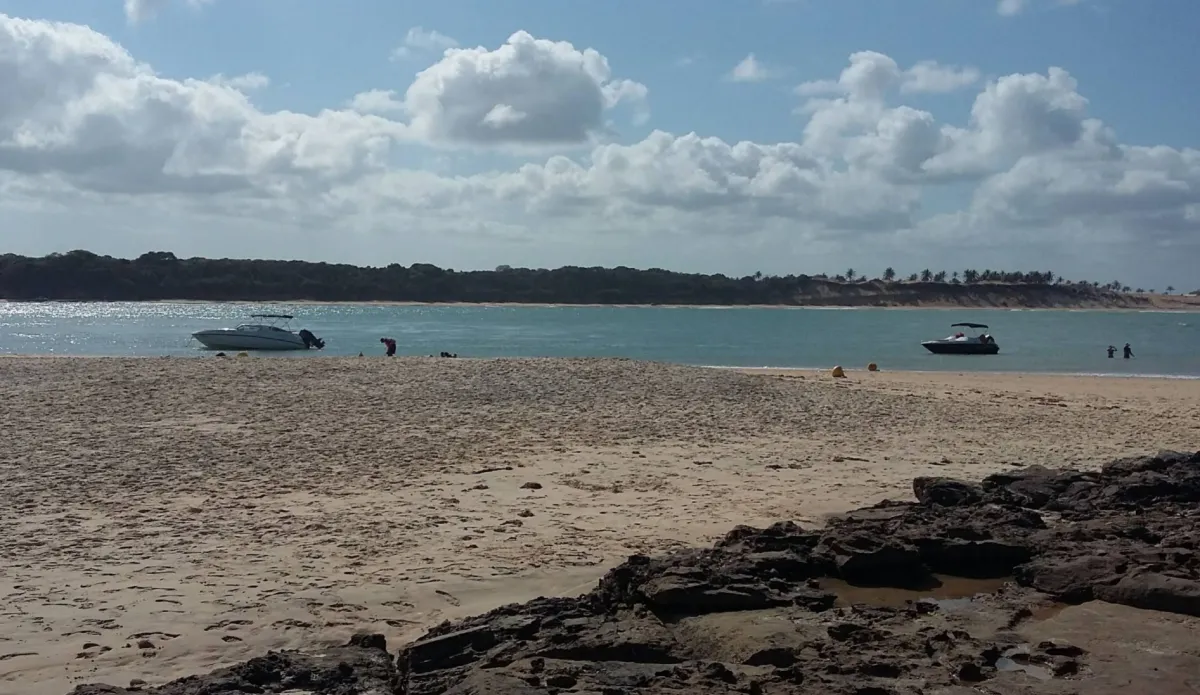
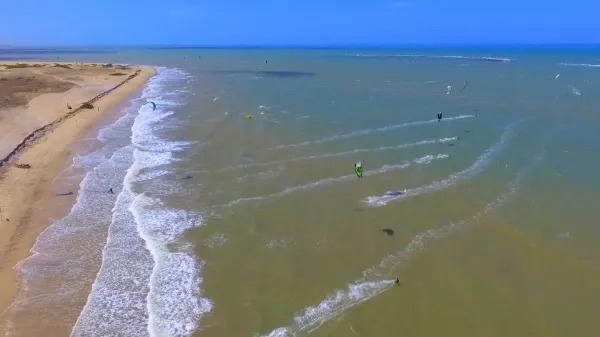
The Guaraíras Lagoon is the main attraction for kitesurfers seeking flat-water conditions. Its sheltered sections can provide relatively smooth water, making it appealing for practising transitions, improving board control and developing freestyle techniques. Shallow areas may be suitable for beginners receiving professional instruction, provided the wind and currents are manageable. The lagoon's extensive water surface also offers enjoyable freeriding opportunities for intermediate riders. However, water depth varies considerably, and some sections are affected by strong tidal movement. The smooth appearance of the water should not be mistaken for an absence of hazards, particularly near deeper channels and the lagoon entrance.
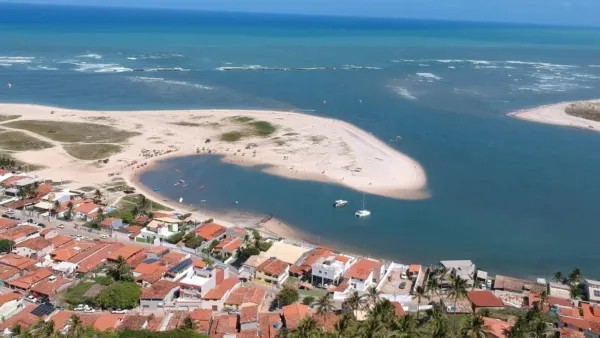
The mouth of the lagoon provides a contrasting riding environment, where tidal currents interact with incoming Atlantic swell. Depending on the tide and wave conditions, small breaking waves and moderate chop can develop, offering opportunities for experienced riders interested in wave manoeuvres and more dynamic freeriding. The changing sandbanks around the estuary influence wave shape and water depth, so conditions can vary significantly between sessions. Strong tidal currents may also develop near the entrance, especially during periods of substantial water exchange between the lagoon and the ocean. These areas are best approached by riders with sufficient experience and local knowledge.
Launching and landing conditions are generally convenient along the sandy beaches surrounding Tibau do Sul, although available space depends on the tide and the exact location. Lower water levels may expose wider stretches of sand, while higher tides can reduce the usable shoreline near the lagoon entrance. Riders should choose clear launching areas away from boats, fishing equipment, vegetation and other beach users. The presence of tidal channels means that some seemingly accessible sections may become difficult to cross as the water rises. Assisted launching and landing are recommended, particularly during stronger winds or when using unfamiliar access points.
Tibau do Sul offers opportunities for different skill levels when conditions are selected carefully. Beginners may benefit from sheltered lagoon water and qualified instruction, while intermediate riders can enjoy freeriding and controlled freestyle practice. Advanced kitesurfers will appreciate the combination of stronger seasonal winds, small waves and changing estuary conditions. The main safety considerations include tidal currents, shifting sandbanks, varying water depths and gusty wind near sheltered shorelines. Riders should check tide tables, identify safe return routes and avoid entering strong-current areas without local guidance. Rescue assistance should also be confirmed before venturing into remote sections of the lagoon.
For anyone searching for kitesurfing in Tibau do Sul, flat-water kiteboarding near Pipa or alternative kitesurfing spots south of Natal, this coastal destination offers an appealing combination of sheltered lagoon riding and Atlantic wave conditions. Its greatest attraction is the opportunity to practise freeriding and freestyle on relatively smooth water while having access to more challenging sessions near the lagoon mouth. With favourable trade winds from July through December and spacious sandy beaches, Tibau do Sul is a rewarding destination for kitesurfers exploring the southern coastline of Rio Grande do Norte.
Something missing or out of date at this spot? Suggest a correction
Spot Gallery (3)
Tibau do Sul is best suited for
Spot profile
- Travel spotA proven kite destination with reliable conditions, worth a trip. Kiters fly in from all over the world for their kite holidays, and you will probably find schools, rentals and a lively kite scene nearby.
- Local spotNot worth a long trip, but a great option if you live nearby and the wind is on. Ideal for a quick session after work or a spare afternoon, without planning a whole trip.
Equipment
No wetsuit needed; board shorts and rash guards recommended.
Wind Conditions
Main wind directions
Windy days per month
Share of the days with more than 10 knots.
Wind speed range
15 - 25 knots
Calculate your kite size
Estimate for a rider of your weight at Tibau do Sul: kite size = weight / wind speed x 2.2, adjusted for the kite shape and aspect ratio. Board, skills and gusts change the ideal size.
Forecast on Windy.com
Kitesurfing Safety & Local Rules at Tibau do Sul
No major specific hazards are commonly reported at Tibau do Sul, on Brazil's Rio Grande do Norte coast. The lagoon generally provides sheltered, flat-water conditions, while the spacious sandy beach allows relatively straightforward launching and landing. Nevertheless, riders should inspect the area before entering the water, check for unexpected obstacles and maintain a safe distance from other beach users.
Conditions become more demanding near the lagoon mouth, where small waves and tidal movements can affect water depth and create currents. Riders should be cautious when moving between the sheltered lagoon and more exposed sections, particularly if unfamiliar with the local tides. Shallow areas may also present a risk during jumps or hard landings, so checking water depth before attempting powered manoeuvres is advisable.
During the main season from July to December, winds typically range from 15 to 25 knots and can be challenging for beginners when they strengthen. Choose an appropriate kite size, monitor changing conditions and avoid venturing beyond your abilities. First-time visitors should consult local kite schools or experienced riders for current information about safe launching areas, tidal conditions and any local restrictions.
How to reach Tibau do Sul
- Closest cityNatal
- How to get thereTo get to Tibau do Sul, fly into Natal Airport (NAT), which is about 70 km away. From there, rent a car or arrange for local transportation to reach the spot.
- AccessPublic
No-Wind Days: What to Do Around Tibau do Sul
Located along the beautiful southern coastline of Rio Grande do Norte, Tibau do Sul offers a wonderful combination of tropical beaches, dramatic cliffs, coastal lagoons and traditional Brazilian culture. Approximately 80 kilometres south of Natal, this charming municipality is best known for its peaceful lagoon landscapes and proximity to the lively beach resort of Pipa. The region is particularly attractive for couples, families and non-kiting partners, offering everything from quiet afternoons beside the water to nature excursions, surfing, scenic hiking trails and vibrant nightlife. During no-wind days, visitors can explore secluded beaches, discover local wildlife, enjoy boat trips or experience the relaxed atmosphere of northeastern Brazil.
One of Tibau do Sul's main attractions is Lagoa de Guaraíras, a beautiful coastal lagoon surrounded by mangroves, sandy shores and tropical vegetation. The lagoon is particularly famous for its spectacular sunsets, when visitors gather at waterfront restaurants and viewpoints to watch the changing colours over the water. Guided boat excursions provide opportunities to explore the lagoon's channels, observe birdlife and discover the surrounding mangrove ecosystem. Depending on local conditions and operator availability, kayaking and stand-up paddleboarding may also be possible in sheltered areas. The lagoon's tidal connection with the ocean creates changing currents and water levels, so visitors should follow local guidance when swimming or participating in water activities.
The nearby village of Pipa is one of the most popular destinations in Rio Grande do Norte and an essential excursion for anyone staying in Tibau do Sul. Famous for its colourful streets, dramatic coastal cliffs and lively atmosphere, Pipa offers a wide selection of restaurants, cafés, shops and entertainment. Praia do Centro provides convenient access to the village's beachfront establishments, while Praia do Amor is known for its beautiful scenery and surfing opportunities. Visitors can spend the day exploring the beaches, browsing boutiques or relaxing at a beach bar before enjoying Pipa's vibrant evening atmosphere. The village attracts an international mix of travellers while retaining a distinctive northeastern Brazilian character.
Wildlife observation is another highlight of the region, particularly around Baía dos Golfinhos, or Dolphin Bay, near Pipa. This beautiful beach is known for the dolphins that sometimes swim close to shore, offering visitors the possibility of observing them in their natural habitat. Sightings are never guaranteed, and visitors should maintain a respectful distance without attempting to touch, feed or chase the animals. Access to the beach on foot depends on the tides, as sections of the shoreline can become inaccessible at high tide. The surrounding coastline also supports marine turtles and numerous coastal bird species, making the area particularly interesting for nature enthusiasts and photographers.
For visitors interested in hiking and natural landscapes, the Santuário Ecológico de Pipa offers an opportunity to explore preserved Atlantic Forest and coastal vegetation. Walking trails lead through wooded areas toward scenic viewpoints overlooking the ocean, beaches and surrounding cliffs. The reserve provides opportunities for birdwatching, photography and discovering the region's native flora and fauna. Another attractive destination is Chapadão de Pipa, a broad clifftop viewpoint offering panoramic views of Praia do Amor and the Atlantic coastline. Visitors should remain well away from unstable cliff edges and follow marked paths, particularly after rainfall or during strong winds.
The coastline around Tibau do Sul also offers opportunities for guided buggy excursions, horseback riding and visits to quieter beaches. Praia de Cacimbinhas is especially picturesque, with high cliffs, broad sandy stretches and impressive ocean views. Madeiro Beach is another popular destination, surrounded by green hills and known for its beautiful natural setting. Surfing lessons may be available at suitable beaches around Pipa, depending on sea conditions, while horseback riding excursions can provide a different perspective on the region's rural and coastal landscapes. Visitors should choose responsible operators who respect local environmental restrictions and avoid driving on protected dunes or sensitive beach habitats.
Food is an important part of the Tibau do Sul experience, with restaurants serving fresh fish, shrimp, crab and traditional northeastern Brazilian dishes. Regional specialities often include grilled seafood, fish stews, rice, beans, cassava and tropical ingredients such as coconut milk. Waterfront restaurants around Lagoa de Guaraíras are particularly appealing for sunset dining, while Pipa offers a much broader culinary scene, ranging from casual Brazilian eateries to international restaurants and contemporary cuisine. Visitors can also enjoy tropical fruit juices, fresh coconut water and local desserts. The variety of restaurants makes the area attractive for travellers who enjoy discovering new flavours during their holidays.
Nightlife varies considerably between Tibau do Sul and Pipa. Tibau do Sul itself has a quieter atmosphere, with small bars, relaxed restaurants and occasional live music providing pleasant evening entertainment. Pipa, by contrast, is known for its lively nightlife, especially during weekends, holidays and the busiest travel periods. Its central streets are filled with bars, music venues and restaurants where visitors can enjoy Brazilian rhythms, cocktails and social gatherings. The combination of peaceful lagoon evenings and energetic nightlife nearby allows travellers to choose between relaxation and entertainment without travelling far.
Accommodation throughout Tibau do Sul ranges from affordable family-run pousadas and comfortable guesthouses to boutique hotels, beachfront bungalows and upscale resorts. Properties near Lagoa de Guaraíras are particularly attractive for visitors seeking tranquillity and sunset views, while accommodation around Pipa offers convenient access to restaurants, shops and nightlife. Quieter coastal areas provide additional options for travellers who prefer privacy and natural surroundings. Many establishments feature swimming pools, tropical gardens and outdoor relaxation areas, with some offering wellness treatments or organised excursions. Advance booking is advisable during Brazilian holidays and popular travel periods, when demand can be high.
Tibau do Sul is most conveniently reached by road from Natal, which has the nearest major international airport. The journey generally takes around one and a half to two hours, depending on traffic and road conditions. Private transfers, taxis and rental cars are common transport options, while public buses connect parts of the region with Natal and nearby towns. A rental car is useful for exploring the surrounding coastline, although local transport services can also make visits to Pipa and nearby beaches convenient. Visitors should allow extra travel time during busy weekends and holiday periods, particularly on roads leading into Pipa.
For travellers seeking a combination of tropical beaches, wildlife encounters, outdoor adventure and Brazilian coastal culture, Tibau do Sul offers an excellent variety of experiences. During no-wind days, visitors can watch the sunset over Lagoa de Guaraíras, explore the scenic trails of Pipa, observe dolphins at Baía dos Golfinhos or enjoy the restaurants and nightlife of the nearby village. With its beautiful natural landscapes, varied accommodation and welcoming atmosphere, Tibau do Sul is particularly appealing for couples, families and non-kiting partners looking to enjoy the best of Rio Grande do Norte's southern coastline.
Other kitesurfing spots near Tibau do Sul
All kitesurfing spots in Brazil
Last updated: