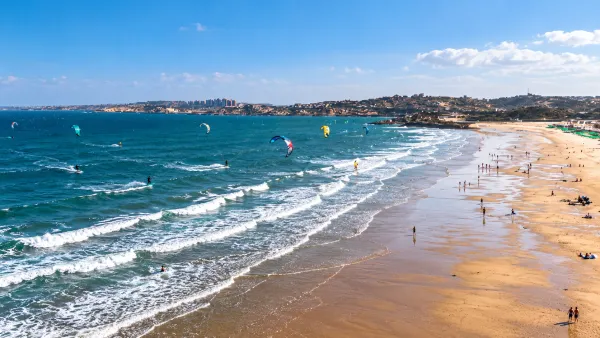
Kitesurfing in Shanwei Beach
Shanwei - China
Spot Type
Chop
Water
Dark - Clear
Beach
Sand
Rider Level
intermediate
Spot characteristics
Spot Type
Chop
Rider Skill
intermediate
Crowd
Occasional Bystanders
Beach Type
Sand
Water Quality
Dark - Clear
Tide Influence
All tide levels with different conditions (chop - flat - wave)
Kitesurfing in Shanwei Beach: Conditions, Wind & Season
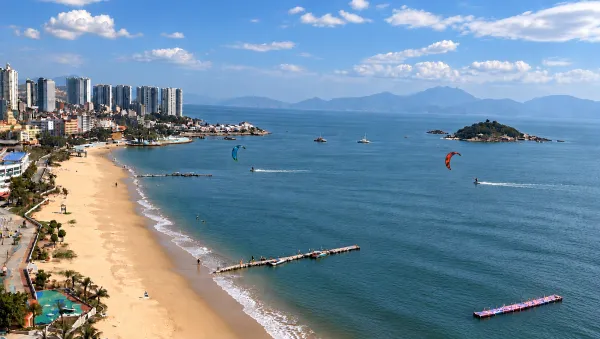
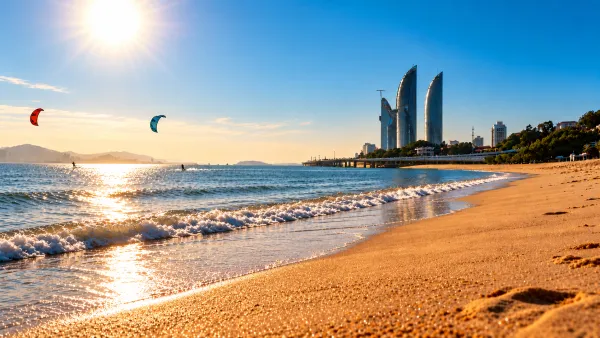
Shanwei Beach (NE) is an open-coast kitesurfing spot near Shanwei City in Guangdong Province, on the southern coast of China. Situated along the South China Sea, the area features extensive sandy beaches, exposed coastal waters and a landscape shaped by seasonal monsoon winds. Unlike the sheltered lagoons and flat-water locations found elsewhere in Asia, Shanwei offers a more dynamic environment, with wind-driven chop, rolling waves and occasional stronger surf. Its proximity to Shanwei's urban centre makes it a convenient option for riders exploring kitesurfing in Guangdong, combining open-water conditions with accessible roads, accommodation and local services.
The main wind patterns are influenced by the northeast monsoon, which generally becomes established during autumn and continues through the cooler winter months. Northeasterly winds reach the exposed coastline with relatively little obstruction, creating opportunities for powered freeride and wave-oriented sessions. Spring and summer can also produce rideable conditions, although winds are often more variable and influenced by local weather systems. From approximately June through October, tropical storms and typhoons can affect the Guangdong coastline, sometimes generating powerful winds and substantial swell. These events should be treated as serious weather hazards rather than reliable kitesurfing opportunities, as rapidly changing wind direction, extreme gusts and dangerous sea conditions can make riding unsafe.
Water conditions at Shanwei Beach range from moderate chop to small and occasionally larger waves, depending on wind strength, swell direction and tide. The exposed South China Sea setting makes the spot particularly attractive for freeriders who enjoy natural ramps, longer coastal runs and occasional wave riding. Directional boards can be enjoyable when the swell develops, while twin-tips remain practical for general freeride sessions and jumping. The predominantly sandy seabed provides a relatively forgiving surface near suitable launch areas, although water depth increases offshore and wave-breaking zones can become challenging when the wind strengthens. Riders should not expect consistently flat water, especially during the northeast monsoon or periods of elevated swell.
The coastline offers long stretches of sand for preparing equipment, launching and landing, but suitable access depends on the particular beach section and local activity. Public beaches, resort areas and swimming zones may have restrictions or temporary controls, so kiters should confirm where launching is permitted before setting up. Weekends, public holidays and the warmer tourist season can bring additional beach visitors, requiring careful separation from swimmers and pedestrians. The exposed shoreline also means that shorebreak, currents and shifting wind conditions can complicate launching and returning to land. For these reasons, Shanwei Beach is generally better suited to intermediate and advanced riders with confident kite control, experience in choppy water and reliable self-rescue skills.
Tides influence beach width, water depth and the way waves break along the shore. Lower water levels may expose additional sand, while higher tides can reduce available launching space and bring breaking waves closer to the beach. Conditions should therefore be assessed on arrival rather than assuming that every section is equally suitable throughout the tidal cycle. During stronger northeast winds, smaller kites may be appropriate, while medium-sized freeride equipment covers many moderate sessions. Summer water temperatures are generally warm enough for minimal thermal protection, whereas a thin full wetsuit can be useful during the cooler winter monsoon. Protective footwear may also be helpful where shells, debris or rougher patches occur along the shoreline.
One of the advantages of kitesurfing near Shanwei is the availability of urban infrastructure without sacrificing access to open coastal scenery. Shanwei City provides hotels, restaurants, shops and transport connections, while the surrounding coastline includes fishing communities, seaside promenades and recreational beaches. The nearby Red Bay area, also known as Honghai Bay, is particularly recognised for its coastal landscapes and watersports atmosphere. When the wind is light, visitors can explore local seafood restaurants, scenic viewpoints and the beaches around the Shanwei Peninsula. These attractions make the region suitable for a kitesurfing trip with non-kiters or a family holiday in eastern Guangdong, provided that riding plans remain flexible.
Shanwei lies between the major regional centres of Shenzhen and Shantou, making it accessible as part of a wider journey along China's southeastern coastline. For riders searching for wave-friendly kitesurfing in Guangdong, kite spots near Shenzhen or open-sea riding along the South China coast, Shanwei Beach (NE) offers an appealing combination of seasonal northeast winds, sandy launching areas and varied sea conditions. It is not a dedicated beginner destination or a guaranteed flat-water playground, but experienced riders who enjoy freeriding, small waves and the freedom of an exposed coastline can find rewarding sessions when the forecast, tide and local beach access align.
Shanwei Beach is best suited for
Spot profile
Family spot
Located in an area that offers amenities for all the family and can provide good alternatives for everyone when the kiters are in the water.
Local spot
Maybe not be worth a real journey to reach this spot, but great if you live close by and it is a windy day. In the end, being out on the water feels great anywhere
Equipment
A medium-sized freeride or wave kite is generally the most useful at Shanwei Beach (NE), with a smaller kite necessary during periods of strong northeast or typhoon-boosted wind. A directional surfboard suits the spot's wave focus, while a twin-tip will work only if the conditions flatten somewhat. In high summer, a shorty wetsuit usually suffices; in cooler or windier months, a thin full suit provides extra comfort. Booties aren't essential for the main sandy shoreline but can be a good idea in shell-prone or rocky launch patches, and it's worth packing them for flexibility.
Wind Conditions
Main wind directions at Shanwei Beach
Windy days per month in Shanwei Beach
Wind Speed Range
From 12 to 25 Knots
Suggested sizes
8 - 9 mt
10 - 11 mt
12 - 13 mt
14 mt and above
Forecast on Windy.com
Kitesurfing Safety & Local Rules at Shanwei Beach
The main hazards at Shanwei Beach (NE) come from its exposure to the South China Sea and the region's strong northeast monsoon winds. Wind strength can change rapidly, producing powerful gusts, sudden lulls and challenging conditions during launching and landing. Stronger winds can also generate significant chop, irregular waves and short-period swell, making the water increasingly demanding for less experienced riders.
Typhoon season, generally from June to October, brings additional risks from sudden weather changes, heavy rain, squalls and rapidly increasing wind speeds. Storm-driven conditions can produce rough seas, reduced visibility and dangerous downwind drift. Always check the marine forecast before riding, avoid approaching storms and remain close enough to shore to manage an equipment failure or self-rescue safely.
The main beach is predominantly sandy, although shells, rocks and uneven patches may occur in certain areas. Swimmers, beachgoers and other water users can also be present, particularly near public access points and during holidays. Allow plenty of space when launching and landing, respect local beach regulations and check tidal conditions, wave activity and possible obstacles before entering the water.
Location
Closest City
Shanwei
How to get There
Drive access is the most direct option once in Shanwei, since the spot is part of the coastal area around the city. For air travel, the nearest practical airports are in the wider Guangdong region, with onward ground transport needed to reach Shanwei; from there, the beach is accessed by road rather than by any special off-road approach.
Access
The beach is publicly reachable through the Shanwei coastal area by road. There is no clear evidence of a special permit system or dedicated fee specifically for kitesurfing access from the available information, but local beach use may be influenced by resort or public-beach management depending on the exact launch section.
No-Wind Days: What to Do Around Shanwei Beach
Shanwei Beach (NE) is an excellent choice for kitesurfers who want to combine time on the water with coastal sightseeing, local culture and the convenience of a lively Chinese seaside city. Located on the eastern coast of Guangdong Province, facing the South China Sea, Shanwei offers a varied coastline of sandy beaches, rocky headlands, fishing harbours and waterfront promenades. For a kitesurfing trip with non-kiters or a family holiday in Guangdong, the area provides considerably more flexibility than an isolated kite destination. When the northeast wind drops, there are plenty of opportunities to explore the city, enjoy fresh seafood or discover the scenic coastline around Red Sea Bay.
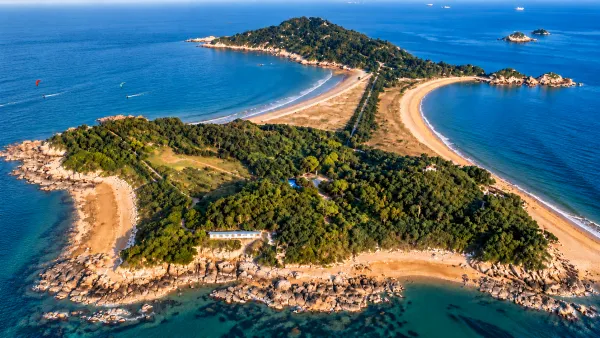
One of the most rewarding excursions is Red Sea Bay (Honghaiwan), one of Shanwei's best-known coastal attractions. The area is particularly famous for the Zhelang Peninsula, a narrow headland separating two stretches of coastline with remarkably different sea conditions. Depending on the prevailing wind and swell, one side can be exposed to powerful waves while the other remains comparatively sheltered. This unusual geography makes the peninsula interesting even when there is no wind for kitesurfing, with sandy beaches, rocky viewpoints and scenic coastal roads providing plenty of opportunities for walking and photography. Swimming should be limited to designated areas when lifeguards and sea conditions permit.
The Zhelang coastline is also worth exploring beyond its main beaches. The Zhelang Wonder Scenic Area offers views of the contrasting sea conditions on either side of the peninsula, while the Nanhai Guanyin Scenic Area combines coastal rock formations with traditional religious architecture. Nearby Fort Park preserves traces of the region's historic coastal defences and offers views across the South China Sea. These attractions can be combined into a relaxed half-day excursion, particularly for a non-kiting partner who enjoys coastal landscapes, photography and discovering local landmarks.
Back in Shanwei city, the Fengshan Mazu Temple Scenic Area is one of the most important cultural attractions. Overlooking Pinqing Lake, the temple complex is dedicated to Mazu, the traditional Chinese goddess associated with protecting fishermen and seafarers. Its enormous Mazu statue has become a recognisable symbol of Shanwei, while the surrounding grounds contain traditional buildings, cultural displays and viewpoints over the city and lagoon. The temple provides a fascinating introduction to the maritime traditions of southern China and makes an easy cultural excursion when the beach is too windy, rainy or simply less appealing.
Pinqing Lake itself offers another perspective on Shanwei's relationship with the sea. This extensive coastal lagoon is surrounded by urban waterfront areas, fishing activity and scenic promenades, making it a pleasant place for an afternoon walk. Around Shanmei Square and the waterfront boardwalks, visitors can enjoy views across the water and watch the city lights appear after sunset. Combining the lagoon with Fengshan Temple and a seafood dinner makes an enjoyable outing without having to travel far from the main urban area.
Food is one of the strongest reasons to spend time exploring Shanwei beyond the kite beach. The city has a long fishing tradition, and its restaurants and markets offer fresh fish, prawns, crabs, shellfish and a wide variety of local seafood dishes. Shanwei is also part of the broader Chaoshan cultural region, known for its distinctive cuisine, rice-based snacks and regional cooking traditions. Exploring neighbourhood restaurants, seafood markets and street-food stalls is a good way to experience local life, particularly for visitors who want more than the international menus commonly found in larger resort destinations.
For families and non-kiters looking for a more relaxed beach day, the coastline around Shanwei offers several alternatives to the exposed kitesurfing launch. The developed beaches around Red Sea Bay and Jinding Bay provide opportunities for shoreline walks, cafés, photography and beachside dining. Some managed areas offer swimming facilities and seasonal water-based activities, although these should never be assumed to be available or safe under strong northeast winds. During busy weekends and public holidays, the main tourist beaches can become lively, while quieter stretches of coastline are often more enjoyable for visitors seeking a peaceful afternoon.
Travellers interested in history can use a completely windless day to visit Haifeng, inland from Shanwei. The town is associated with important events in China's twentieth-century history, and the Haifeng Red Palace and Red Square historic site is among the area's recognised cultural attractions. The surrounding streets, markets and everyday town life offer a different experience from the coast. For nature lovers, the wider Shanwei region also includes the forested landscapes of Lianhua Mountain, although exploring these inland areas is better treated as a longer excursion rather than a quick break between kite sessions.
Shanwei is particularly convenient for mixed groups because its urban infrastructure makes it easy to adapt plans to changing weather. Hotels, restaurants, supermarkets and transport services are available in the city, while the surrounding coastline offers enough variety for several days of relaxed exploration. A family kitesurfing holiday in eastern Guangdong can therefore combine morning beach activities with afternoon sightseeing, shopping or local food experiences, without requiring everyone to follow the same schedule. This flexibility is especially valuable when only some members of the group are interested in kitesurfing.
For anyone planning a kite trip to Guangdong and wondering what else there is to do, Shanwei Beach (NE) provides an appealing combination of kitesurfing, coastal scenery and Chinese maritime culture. A no-wind day can include the dramatic landscapes of Zhelang Peninsula, the Mazu Temple overlooking Pinqing Lake, fresh seafood in Shanwei's markets or a longer excursion into the surrounding countryside. With Red Sea Bay, historic attractions and the conveniences of a coastal city close at hand, Shanwei offers plenty of activities for a non-kiting partner or family while remaining an attractive base for exploring China's southeastern coastline.