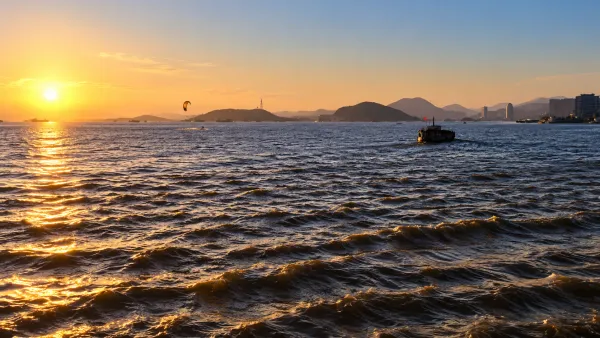
Kitesurfing in Fengxian Mudhole
Shanghai - China
Spot Type
Flat
Water
Dark - Muddy
Beach
Sand
Rider Level
intermediate
Spot characteristics
Spot Type
Flat
Rider Skill
intermediate
Crowd
Few people on the spot
Beach Type
Sand
Water Quality
Dark - Muddy
Tide Influence
Rideable with high tide
Kitesurfing in Fengxian Mudhole: Conditions, Wind & Season
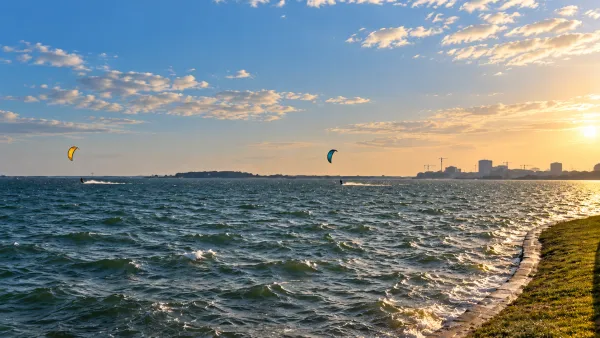
Fengxian Mudhole is an unusual flat-water kitesurfing spot on the southern coastline of Shanghai, China, overlooking Hangzhou Bay and the sediment-rich waters of the East China Sea. Located in Fengxian District, this distinctive riding area is characterised by extensive tidal mudflats, shallow water and a landscape that changes dramatically throughout the day. Unlike the sandy beaches and tropical lagoons found at many Asian kite destinations, Fengxian offers a more rugged and unconventional experience, where muddy water and tidal planning are essential parts of every session. For riders exploring kitesurfing near Shanghai or looking for alternative flat-water spots in the Yangtze River Delta, it provides a unique combination of open space, shallow water and an almost entirely undeveloped coastal atmosphere.
Wind conditions are influenced by the seasonal weather patterns of eastern China, with southeasterly and southerly breezes becoming more common during the warmer months. June, July and August generally offer the most comfortable combination of wind opportunities and warm water temperatures, although actual wind strength can vary considerably from day to day. Summer sea breezes and regional weather systems can produce enjoyable freeride sessions, while northerly and northwesterly winds become more frequent during the colder months. The best conditions occur when the wind reaches the mudflat across an unobstructed stretch of water, providing relatively clean airflow and a favourable sideshore or side-onshore angle. Riders should check both the wind forecast and the tidal timetable before travelling, as suitable wind alone does not guarantee a usable session.
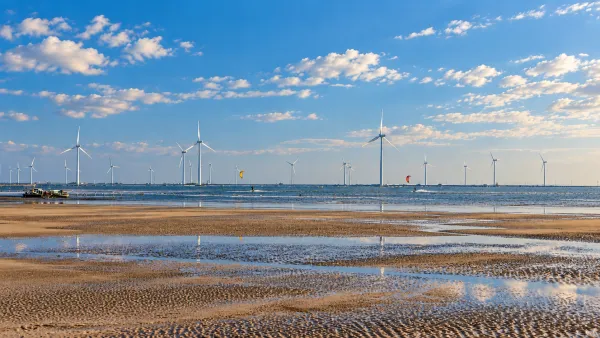
The defining feature of Fengxian Mudhole is its enormous tidal variation. Around suitable higher water levels, extensive sections of the mudflat become submerged, creating a broad expanse of shallow, relatively smooth water that can be excellent for freeriding, practising transitions and developing freestyle skills. Under favourable conditions, the riding area may extend across several square kilometres, providing plenty of room for long runs and technical manoeuvres. As the tide falls, however, the water retreats across the gently sloping seabed, exposing large areas of sticky mud and leaving only deeper channels. This makes the spot highly tide-dependent, with practical riding windows determined as much by water level as by wind strength.
Water conditions are generally flat to lightly choppy, particularly when the shallow seabed limits wave development. The smooth surface can be attractive for twin-tip freeriding and freestyle, while hydrofoiling may be possible only in sufficiently deep sections free from submerged obstacles. The seabed consists predominantly of soft mud and fine sediment, and underwater visibility can be extremely poor. Riders should therefore avoid assuming that apparently smooth water is free from hazards. Shallow patches, drainage channels, fishing equipment and sudden changes in bottom depth can create risks, particularly when the tide is falling. The muddy environment also makes walking, launching and recovering equipment more difficult than at a conventional sandy beach.
Fishing nets and other coastal installations are among the most important hazards at Fengxian Mudhole. Barriers and fishing structures may restrict access to deeper water, and submerged lines or stakes can be difficult to identify in the opaque water. These installations should never be considered protective safety barriers, as they can entangle kite lines or create serious problems during an uncontrolled drift. The large tidal range of Hangzhou Bay also means that currents can become significant around channels and during rising or falling water. Riders should plan their sessions around a safe tidal window, remain well clear of fishing infrastructure and avoid venturing into channels where the current or depth is uncertain. The spot is best suited to experienced, self-sufficient kiters who are comfortable assessing unfamiliar conditions and performing self-rescue without organised assistance.
Access to the Fengxian coastline is relatively straightforward by road from Shanghai, although reaching a suitable launch may involve walking across uneven or muddy ground while carrying equipment. Facilities directly beside the riding area are generally limited, so visitors should arrive with drinking water, sun protection, spare equipment and everything needed for the session. Local access arrangements, parking rules and any entry charges should be confirmed on arrival rather than assumed to remain unchanged. The atmosphere is typically quiet and practical, with occasional local riders, fishing activity and coastal visitors rather than organised kite schools or resort crowds. Warm summer water makes lightweight clothing practical, but protective footwear can be useful when walking across muddy or debris-covered sections. Colder seasons require considerably more thermal protection.
Fengxian District lies south of central Shanghai and is connected to the city by an extensive road network. The wider area offers coastal parks, recreational spaces and local restaurants, while Shanghai itself provides an enormous range of accommodation, sightseeing and entertainment options. Visitors travelling with non-kiters can explore the Fengxian coastline or combine a session with the attractions of China's largest city. For riders searching for kitesurfing in Shanghai, tidal flat-water kite spots in eastern China or unusual riding locations around Hangzhou Bay, Fengxian Mudhole offers a distinctive alternative to conventional beach destinations. It is not a beginner-friendly lagoon or a guaranteed daily wind spot, but for experienced riders willing to work around the tides, muddy conditions and limited infrastructure, it can provide memorable flat-water sessions in one of the most unusual coastal environments of the Yangtze River Delta.
Fengxian Mudhole is best suited for
Spot profile
Travel spot
The typical kite travel destination, it is known for its great conditions, and kiters from around the world come here for their vacations.
Adventure spot
That dream place out of the normal touristic routes. Once you reach it, you feel in paradise, it can be anything extraordinary, a hidden gem, remote and fascinating.
Local spot
Maybe not be worth a real journey to reach this spot, but great if you live close by and it is a windy day. In the end, being out on the water feels great anywhere
Equipment
Riders should bring a standard freeride or light-wind kite setup, with larger kite sizes favored through the light summer months; boards that handle shallow flat water—larger twin-tips or hydrofoils—work best. In the warmer season, typically May through October, water temperatures are above 20°C, so a shorty or light wetsuit is usually sufficient, with August occasionally allowing board shorts or thin neoprene. In shoulder seasons or if sensitive to cold, a full wetsuit around 3/2mm can help. Footwear like booties is highly recommended due to the muddy bottom and limited visibility in the water, especially at low tide, making footing unpredictable along the shoreline.
Wind Conditions
Main wind directions at Fengxian Mudhole
Windy days per month in Fengxian Mudhole
Wind Speed Range
From 10 to 21 Knots
Suggested sizes
Forecast on Windy.com
Kitesurfing Safety & Local Rules at Fengxian Mudhole
The main hazards at Fengxian Mudhole come from its extensive mudflats, extremely poor water visibility and strong tidal changes. The muddy water can conceal sudden depth changes, soft patches and sharp debris, while exposed mud at low tide can be difficult or even impossible to cross on foot. Wear protective footwear, check the bottom near the launch area and avoid unfamiliar sections where hidden obstacles or deep mud may be present.
Tidal timing is particularly important, as large areas of shallow water can disappear quickly when the tide falls. Riders who venture too far across the bay risk becoming stranded on exposed mudflats or facing a difficult return to shore. Plan sessions around suitable water levels, identify safe return routes and pay attention to channels and changing depths throughout the session.
A long fishing-net barrier separates the riding area from the open sea, creating an additional hazard for riders drifting downwind or attempting self-rescue. Keep a safe distance from the nets and remain within the permitted riding area. With limited rescue facilities and potentially few other kiters nearby, independent riders should avoid going out alone, stay relatively close to shore and be prepared to manage equipment problems without immediate assistance.
Location
Closest City
Shanghai
How to get There
Access is by car from Shanghai. The reported route is to follow the outer ring south from Hongqiao Airport, take the A4 South, follow signs for Fengpu Bridge, cross Fengpu Bridge and exit at number 11 from the freeway, then continue south until reaching Hangzhou Bay. The spot is described as a short walk from the parking/access point. A small 2 RMB entry fee was reported.
Access
The spot is publicly accessible, but there is a reported 2 RMB entry fee. Access is by road, with a short walk from the parking or drop-off point. The route passes through Shanghai’s southern ring roads and uses the Fengpu Bridge / A4 South approach.
No-Wind Days: What to Do Around Fengxian Mudhole
Fengxian Mudhole is an unusual destination for travellers who want to combine kitesurfing with an exploration of Shanghai's lesser-known southern coastline. Located in Fengxian District, along the northern shore of Hangzhou Bay in eastern China, the spot is surrounded by extensive tidal mudflats, coastal embankments and a landscape shaped by the movement of the sea. Unlike the tropical beaches or developed seaside resorts found elsewhere in China, Fengxian offers a quieter, more industrial and rural coastal atmosphere. For a kitesurfing trip with non-kiters, the main attraction is the opportunity to discover a different side of Shanghai while remaining within reach of the city's enormous range of cultural and urban attractions.
The coastline itself is worth exploring, although the muddy environment requires considerable caution. Hangzhou Bay is famous for its powerful tidal movements and highly sedimented water, creating extensive mudflats that change appearance dramatically between high and low tide. The open horizons, fishing activity and unusual coastal scenery can be particularly interesting for photography, especially during sunrise or late afternoon. However, visitors should remain on established embankments and designated paths rather than walking onto exposed mudflats, where deep mud, hidden channels and rapidly changing tides can create serious hazards. For families and non-kiters, observing the landscape from safe coastal viewpoints is a much better option than attempting to explore the mud on foot.
One of the most accessible recreational attractions in the wider district is Fengxian's Bihai Jinsha, or Golden Beach, a developed coastal leisure area along Hangzhou Bay. Unlike the natural mudflat environment at Fengxian Mudhole, Bihai Jinsha was designed to provide a more conventional seaside experience, with managed recreational spaces and beach facilities. Depending on the season and current operating arrangements, visitors may find designated swimming areas, organised leisure activities and waterfront relaxation facilities. It is a useful alternative for families who want a more comfortable coastal outing, although opening periods, admission requirements and water activities should be checked before visiting.
Another worthwhile destination is Shanghai Haiwan National Forest Park, located in the southern part of Fengxian District. This extensive landscaped forest and wetland park provides a completely different atmosphere from the exposed coast, with tree-lined paths, lakes, gardens and quiet natural areas. Walking, photography and seasonal flower displays are among its main attractions, while the park's broad green spaces make it particularly appealing for couples and families looking for a relaxed day outdoors. Because the park covers a large area, visitors should allow several hours to explore and check which sections and recreational facilities are currently accessible.
For a more cultural experience, visit Qingxi Ancient Town in Fengxian District. This historic settlement preserves elements of traditional Jiangnan water-town architecture, with old streets, canals, stone bridges and small shops reflecting the region's long relationship with waterways and trade. Walking through the town provides a contrast to the modern districts of Shanghai, and local restaurants offer opportunities to try regional dishes and traditional snacks. Qingxi is particularly attractive for travellers interested in photography, architecture and exploring everyday life outside the city's major tourist attractions. It can be combined with other Fengxian sightseeing stops for a relaxed half-day excursion.
Fengxian also has a surprisingly attractive network of parks and landscaped recreational areas. Guhua Park, near Nanqiao, is one of the district's established urban green spaces, featuring traditional Chinese garden elements, ponds, bridges and walking paths. The park provides a peaceful setting for a short stroll, particularly for visitors staying in Fengxian rather than central Shanghai. Nearby Nanqiao offers restaurants, shopping areas and everyday services, making it a convenient place to spend an afternoon or evening after exploring the coast.
Food is another good reason to venture away from the kite launch. Fengxian's position between Shanghai's urban districts and the agricultural and fishing landscapes around Hangzhou Bay gives visitors access to seafood, freshwater fish, seasonal vegetables and traditional Shanghai-style cooking. Small restaurants in local towns often provide a more regional experience than the international dining areas of central Shanghai, while markets and casual eateries offer noodles, dumplings and other everyday dishes. A leisurely seafood lunch followed by a walk through a traditional town or coastal park is an enjoyable way to spend a windless afternoon.
For travellers interested in nature and birdwatching, the wider Hangzhou Bay coastline offers opportunities to observe coastal birds and seasonal migration. Tidal flats and wetland habitats support various shorebirds, particularly during migration periods, although access to sensitive areas may be restricted for environmental protection and safety. Bringing binoculars and observing from public embankments or designated viewing areas is preferable to approaching birds across the mudflats. This type of quiet nature observation is especially suitable for visitors who appreciate unusual landscapes and do not expect conventional beach entertainment.
A completely windless day also provides an opportunity to explore central Shanghai, one of China's most exciting cities. The famous Bund waterfront offers spectacular views across the Huangpu River towards the skyscrapers of Pudong, while Yu Garden and the surrounding historic streets provide an introduction to traditional Chinese architecture and urban culture. The Shanghai Museum, Nanjing Road shopping district and former French Concession offer further alternatives for visitors interested in history, shopping and restaurants. Because Fengxian lies well south of the city centre, these excursions are best planned as full-day outings, with travel times depending on traffic and the exact starting point.
For families and mixed groups, Fengxian Mudhole works best when the kitesurfing sessions are combined with activities elsewhere in the district. The immediate launch area is not a conventional bathing beach and lacks the facilities normally associated with a family resort, while the muddy shoreline and strong tidal influence make casual water play inappropriate. However, the wider Fengxian area offers parks, historic towns, restaurants and managed coastal attractions that provide comfortable alternatives. Having a car or arranging local transport is particularly useful, as many of these destinations are spread across the district rather than concentrated around the kite spot.
For anyone planning a kite trip to Shanghai and wondering what else there is to do, Fengxian Mudhole offers a distinctive combination of unusual tidal scenery, regional culture and access to a major international city. A no-wind day can include exploring the landscaped forests of Haiwan National Forest Park, visiting Qingxi Ancient Town, relaxing at Bihai Jinsha or discovering the historic and modern attractions of central Shanghai. Although Fengxian Mudhole is not suited to travellers expecting tropical beaches or extensive resort facilities, it provides an interesting base for independent kiters and companions who enjoy combining unconventional riding locations with cultural exploration along China's eastern coast.