Kitesurfing in Zhoushan Island
Zhoushan - China
Spot Type
Chop
Water
Dark - Clear
Beach
Sand
Rider Level
intermediate
Spot characteristics
Spot Type
Chop
Rider Skill
intermediate
Crowd
Occasional Bystanders
Beach Type
Sand
Water Quality
Dark - Clear
Tide Influence
All tide levels with different conditions (chop - flat - wave)
Kitesurfing in Zhoushan Island: Conditions, Wind & Season
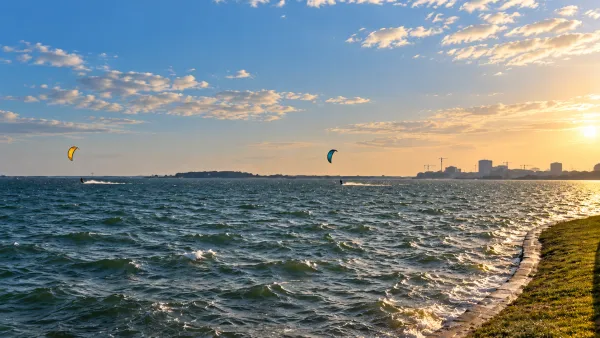
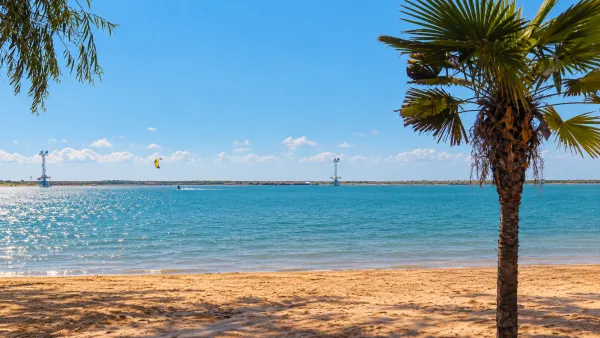
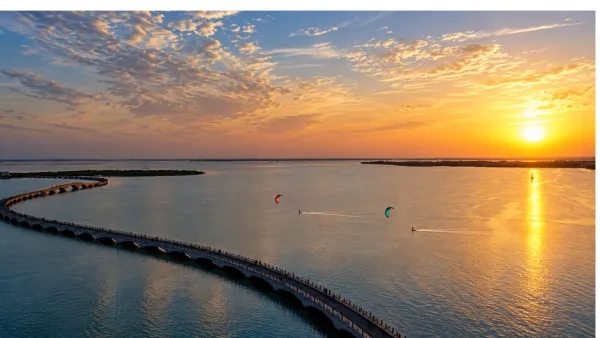
Zhoushan Island / Middle Beach is an open-water coastal kitesurfing location in the Zhoushan Archipelago, off the northeastern coast of Zhejiang Province, China. Situated within one of the country's most important maritime regions, the island is surrounded by the waters of the East China Sea and the approaches to Hangzhou Bay. The coastline features sandy beaches, rocky headlands and extensive tidal areas, creating a varied environment for riders interested in exploring kitesurfing near Ningbo and the wider Zhejiang coast. Middle Beach is described in kite spot guides as a relatively spacious sandy shoreline, offering a more exposed riding environment than the sheltered lakes and lagoons found elsewhere in eastern China. Its appeal lies in the combination of seasonal monsoon winds, open-water conditions and the convenience of an established island destination.
Wind conditions around Zhoushan are strongly influenced by the East Asian monsoon. Northeasterly winds become more frequent during autumn and winter, often bringing stronger conditions, while southeasterly and southerly breezes are more common during spring and summer. Spring and autumn can offer a particularly attractive balance of wind opportunities and comfortable temperatures, although the actual quality of each session depends on the orientation of the beach and the passage of regional weather systems. Summer can also provide rideable conditions, but lighter winds, thunderstorms and tropical weather disturbances make forecasts less predictable. Winter may deliver powerful wind events, although colder air and water temperatures demand considerably more preparation. Riders should assess local wind direction carefully, as the surrounding islands and headlands can create wind shadows or gusty conditions in certain sectors.
The riding environment at Middle Beach is predominantly choppy, with small to moderate wind-driven waves and occasional swell reaching the coastline from the East China Sea. Unlike a flat-water lagoon, the spot offers a more dynamic surface where riders can enjoy freeriding, jumping and bump-and-jump sessions. Twin-tip boards are well suited to the typical conditions, while directional boards may provide additional enjoyment when the swell becomes more organised. On lighter days, hydrofoiling may be possible in sufficiently deep areas, provided that currents, submerged obstacles and marine traffic do not create additional risks. Wave conditions are generally less consistent than at dedicated surf destinations, but the exposed maritime setting can still produce enjoyable opportunities for riders comfortable with changing sea states.
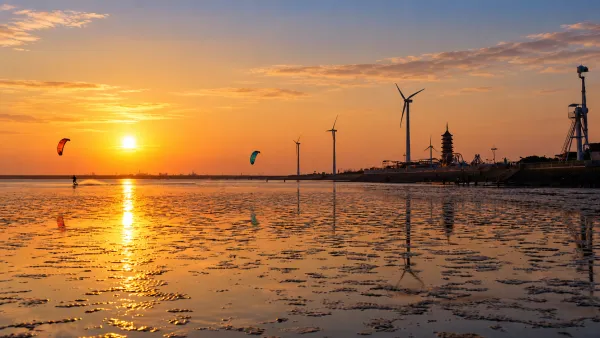
One of the distinguishing characteristics of the Zhoushan coastline is its significant tidal variation. At suitable low-water levels, broad sections of sand may become exposed, potentially providing generous space for preparing equipment and launching. However, the available beach width, shoreline profile and water depth change throughout the tidal cycle, and the best launching conditions cannot be determined from beach width alone. Stronger shorebreak, soft sediment, tidal channels or exposed obstacles may appear at different water levels. Riders should inspect the intended launch carefully and verify that sufficient space remains for a safe return as the tide rises. The waters around the Zhoushan Archipelago can also experience substantial tidal currents, particularly near channels, headlands and narrow passages between islands.
Zhoushan Island is part of an active maritime region with fishing boats, commercial shipping and coastal infrastructure, making awareness of surrounding marine activity essential. Riders should remain well clear of navigation routes, fishing equipment and restricted coastal areas. Although some beach sections may appear relatively quiet outside peak tourist periods, public access and watersports permissions should always be confirmed locally before launching. Intermediate and advanced kiters with experience in open-water conditions, variable wind and self-rescue are best suited to assessing the spot independently. Summer and early autumn also coincide with the regional typhoon season, when dangerous swell, strong currents and rapidly changing weather can develop. During winter, cold winds and low water temperatures require a suitable full wetsuit or other thermal protection, even when wind conditions appear attractive.
Beyond kitesurfing, Zhoushan offers an appealing combination of island scenery, maritime culture and coastal tourism. The archipelago is famous for its fishing traditions, seafood restaurants, scenic beaches and Buddhist heritage. Visitors can explore the historic and religious attractions of Putuoshan Island, enjoy the beaches and coastal viewpoints of Zhujiajian, or discover the harbour districts and local markets around Zhoushan City. The region also offers opportunities for boat excursions, photography, hiking and relaxed seaside dining. These attractions make Zhoushan an interesting choice for a kitesurfing trip with non-kiters or a family holiday in Zhejiang, with plenty of activities available when the wind is too light or the sea conditions are unsuitable.
Zhoushan is connected to mainland Zhejiang by an extensive bridge network, while ferries provide access to the surrounding islands. Ningbo is the nearest major mainland city and an important transport hub, and Zhoushan Putuoshan Airport serves the wider island region. Hotels, restaurants, shopping facilities and local transport are readily available in the developed parts of the archipelago, making longer stays relatively straightforward. Riders travelling with their own equipment should nevertheless confirm the precise location of Middle Beach, local access arrangements and current kiteboarding permissions before planning a session, as similarly named beaches and managed coastal areas can cause confusion.
For riders researching kitesurfing in Zhoushan, kite spots in Zhejiang or open-water freeriding destinations near Ningbo and Shanghai, Zhoushan Island / Middle Beach offers an interesting combination of seasonal winds, tidal sandy beaches and varied coastal conditions. It is not a guaranteed flat-water training destination or a fully equipped international kite resort, but its maritime setting can appeal to experienced riders looking for freeride sessions alongside island exploration. With careful attention to tides, wind direction, local restrictions and marine traffic, the wider Zhoushan coastline provides opportunities to discover a different side of kitesurfing in eastern China while enjoying one of the country's most distinctive island regions.
Zhoushan Island is best suited for
Spot profile
Travel spot
The typical kite travel destination, it is known for its great conditions, and kiters from around the world come here for their vacations.
Family spot
Located in an area that offers amenities for all the family and can provide good alternatives for everyone when the kiters are in the water.
Equipment
Kitesurfers should bring a mid-size freeride twin-tip board for best handling of the choppy water, with a larger board proving useful on lighter wind days. For kites, most sessions are covered with medium sizes suited to 12–28 knot winds, but a larger kite helps make the most of wind lulls. Outside of the warmest months, a wetsuit is the norm: a full suit is necessary from December through March due to sea temperatures below 10°C, while in late spring and early autumn a thinner steamer or shorty is sufficient for those comfortable with brief colder dips. During the summer, a light wetsuit or just a rashguard may be adequate for most riders. Footwear is not strictly required but can help for those who prefer some extra protection on mixed sand entries, especially in sections where minor debris or plastic may be present.
Wind Conditions
Main wind directions at Zhoushan Island
Windy days per month in Zhoushan Island
Wind Speed Range
From 12 to 28 Knots
Suggested sizes
7 mt and below
8 - 9 mt
10 - 11 mt
12 - 13 mt
Forecast on Windy.com
Kitesurfing Safety & Local Rules at Zhoushan Island
The main hazards at Zhoushan Island come from its exposed ocean setting and significant tidal changes. Low tide reveals a wide sandy beach suitable for launching and landing, while high tide can considerably reduce available space. Changing water levels may also affect currents and shorebreak, particularly during stronger winds. Check tidal conditions before riding and allow enough beach space for a safe return as the tide rises.
Monsoon winds can produce gusty conditions, significant chop and occasionally powerful shorebreak, while thunderstorms and nearby tropical storms may cause sudden changes in wind strength and sea state. The open-water environment requires good kite control and confidence in waves and currents, particularly when riding farther offshore. Always monitor the marine forecast and avoid launching during approaching storms or rapidly deteriorating weather.
The main beach is predominantly sandy, with few significant underwater obstacles, but driftwood, plastic debris and other objects may accumulate along the shoreline after storms. Inspect the launching area before setting up and maintain sufficient distance from beachgoers, especially during holidays. Some beaches within the Zhoushan archipelago may also have access restrictions or scenic-area regulations, so confirm local rules and permitted kitesurfing areas before riding.
Location
Closest City
Zhoushan
How to get There
Fly into Zhoushan Putuoshan Airport on Zhujiajian Island, then continue by taxi, bus, or bridge-linked road transfer to the riding area. It is also possible to reach Zhoushan by road from Shanghai or Hangzhou via the main expressway network and bridge connections toward Ningbo, then continue by local roads and ferry segments if required. Public bus service runs regularly between Shanghai and Zhoushan.
Access
The spot is publicly reachable through the Zhoushan transport network, with airport, bridge, road, and ferry access described. No special kitesurf-only permit is needed but some island sections may have entrance fees or regulated access depending on the chosen beach, with local transport or scenic-area charges possible if riding inside a managed zone.
No-Wind Days: What to Do Around Zhoushan Island
Zhoushan Island is an excellent destination for travellers who want to combine kitesurfing with island exploration, traditional Chinese culture and spectacular coastal scenery. Located in Zhejiang Province, off the coast of Ningbo in eastern China, Zhoushan is the main island of an extensive archipelago at the southern edge of the Yangtze River estuary. The region is known for its fishing traditions, Buddhist heritage, sandy beaches and hundreds of islands scattered across the East China Sea. For a kitesurfing trip with non-kiters or families, Zhoushan offers a rewarding mixture of seaside relaxation, cultural sightseeing, seafood experiences and excursions to neighbouring islands, making it much more than a destination for water sports alone.
The coastline around Zhoushan is one of its main attractions. Sandy beaches, rocky headlands, fishing harbours and coastal viewpoints create a varied landscape that is particularly appealing for photography and sightseeing. Around the open-water kitesurfing areas, including Middle Beach, visitors can enjoy the changing scenery created by the tides and the broad views across the East China Sea. Walking along accessible sections of the coast is especially pleasant in the early morning or late afternoon, when fishing boats return to harbour and the light softens over the water. However, the exposed coastline can experience strong currents, significant tidal changes and rough surf, so swimming and beach activities should only take place in designated areas where conditions and local regulations permit.
One of the most famous attractions in the Zhoushan Archipelago is Mount Putuo, located on nearby Putuoshan Island. Recognised as one of the Four Sacred Mountains of Chinese Buddhism, Putuoshan attracts pilgrims and visitors from across China. Its historic temples, forested hills and coastal viewpoints create a remarkable combination of religious heritage and natural beauty. Highlights include Puji Temple, Fayu Temple and the monumental South Sea Guanyin Statue overlooking the East China Sea. Visitors can explore traditional temple courtyards, walk along shaded pilgrimage paths and enjoy panoramic views of the surrounding islands. Putuoshan is best planned as a full-day excursion, allowing sufficient time for ferry transfers and sightseeing.
Another outstanding destination is Zhujiajian Island, connected to the main Zhoushan urban area by road bridges and known for some of the archipelago's most attractive beaches. Nansha Beach is particularly famous for its broad sandy shoreline and the annual Zhoushan International Sand Sculpture Festival, which has helped establish the area as a major coastal tourism destination. The surrounding scenic district offers coastal walks, viewpoints and recreational attractions, making it especially suitable for families and non-kiting companions. Nearby Dongsha Beach provides another option for enjoying the seaside atmosphere, although entrance fees, seasonal facilities and permitted water activities vary between managed beach areas.
For visitors who enjoy dramatic coastal scenery, the Daqingshan National Park area on Zhujiajian Island is one of the most rewarding excursions in the region. Its green hills, winding coastal roads and elevated viewpoints provide sweeping panoramas over sandy bays, rocky shores and the East China Sea. Scenic drives and designated walking routes allow visitors to experience a more rugged side of the archipelago, with excellent photography opportunities along the way. The landscape is particularly beautiful on clear days, when distant islands appear across the horizon. Because some roads and viewpoints are managed within a scenic area, visitors should check current access arrangements and transport options before travelling.
The main urban areas of Zhoushan also provide interesting opportunities for exploring local maritime culture. Dinghai, one of the city's historic districts, preserves elements of traditional streets and architecture alongside modern shops and restaurants. Walking through the older neighbourhoods offers a glimpse into the city's long history as a coastal settlement and trading centre. Small temples, traditional buildings and local markets provide a quieter alternative to the busy beach resorts, while the surrounding streets are good places to sample regional food. Dinghai is particularly suitable for a relaxed half-day visit, especially for travellers interested in discovering everyday life beyond the main tourist attractions.
Seafood is one of the greatest highlights of visiting Zhoushan. The archipelago lies within one of China's most important traditional fishing regions, and local restaurants are known for their fresh fish, shrimp, crabs, shellfish and other marine specialities. Zhoushan cuisine generally emphasises freshness and relatively simple preparation methods, with steaming, light seasoning and delicate broths allowing the natural flavours of the ingredients to stand out. Visiting a seafood market or dining in a harbourside restaurant can be a memorable experience, particularly in the fishing districts around Shenjiamen. The lively atmosphere of seafood restaurants in the evening makes them an excellent choice after a day of kitesurfing or sightseeing.
Shenjiamen Fishing Port, located on the southeastern side of the main island, is another worthwhile attraction for travellers interested in the region's maritime identity. Known for its fishing fleet and seafood trade, the harbour offers views of working boats, waterfront activity and the surrounding urban landscape. The area becomes particularly atmospheric in the evening, when restaurants and seafood establishments attract visitors looking for local specialities. Exploring the waterfront provides a different perspective on Zhoushan, showing how the archipelago's economy and culture remain closely connected to the sea. Visitors should respect working harbour areas and avoid restricted docks or commercial facilities.
For travellers interested in longer island-hopping adventures, the Zhoushan Archipelago offers numerous possibilities. Islands such as Taohua Island are known for their coastal scenery, beaches and associations with Chinese literature and television productions, while more distant destinations such as Dongji Islands attract visitors seeking dramatic rocky landscapes and a quieter maritime atmosphere. Ferry journeys themselves can be scenic, with views of fishing boats, offshore islands and the changing colours of the East China Sea. However, transport between islands depends on weather, sea conditions and seasonal schedules, so these excursions should be planned carefully rather than treated as guaranteed last-minute alternatives during strong winds or storms.
Nature lovers will appreciate the diversity of Zhoushan's coastal landscapes. The archipelago includes forested hills, sandy beaches, rocky headlands and sheltered bays, creating opportunities for hiking, photography and observing coastal wildlife. Scenic walking routes around the main islands offer attractive viewpoints without requiring long journeys into remote areas. During spring and autumn, the coastline can also be interesting for observing migratory birds, particularly around quieter wetlands and tidal habitats. Visitors should remain on established trails and respect protected areas, especially where nesting birds or sensitive coastal ecosystems may be present.
Families and mixed travel groups will find Zhoushan relatively convenient compared with more isolated kite destinations. The main island has hotels, restaurants, supermarkets and established road connections, while bridges link several of the larger islands and ferries serve destinations farther offshore. This makes it possible to combine kitesurfing sessions with temple visits, beach sightseeing, seafood dining and scenic excursions without constantly changing accommodation. Nevertheless, the archipelago is geographically extensive, and some attractions require substantial travel time or ferry transfers. For a family kitesurfing holiday in Zhejiang, choosing accommodation near the main sightseeing interests can make a significant difference to the overall experience.
For anyone planning a kite trip to Zhoushan and wondering what else there is to do, the region offers an exceptional combination of maritime scenery, Buddhist heritage and traditional fishing culture. A no-wind day can include exploring the temples of Putuoshan, visiting the beaches and viewpoints of Zhujiajian, discovering historic Dinghai, enjoying fresh seafood in Shenjiamen or organising an island-hopping excursion across the archipelago. With its varied landscapes, established tourism infrastructure and numerous activities for a non-kiting partner or family, Zhoushan is one of the most interesting places in eastern China to combine kitesurfing with a broader coastal holiday.