Kitesurfing in Putuoshan Thousand Steps Beach
Shenjiamen / Zhoushan - China
Spot Type
Wave
Water
Dark - Clear
Beach
Sand
Rider Level
intermediate
Spot characteristics
Spot Type
Wave
Rider Skill
intermediate
Crowd
Seasonal Crowd
Beach Type
Sand
Water Quality
Dark - Clear
Tide Influence
All tide levels with different conditions (chop - flat - wave)
Kitesurfing in Putuoshan Thousand Steps Beach: Conditions, Wind & Season
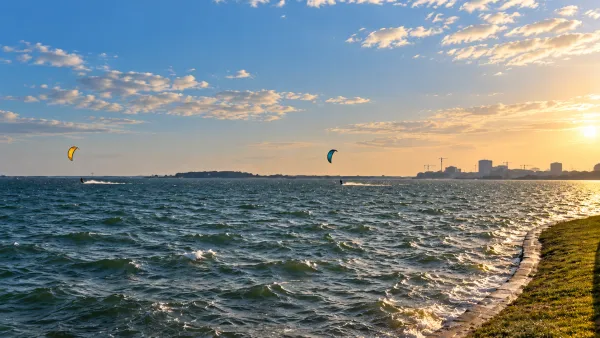
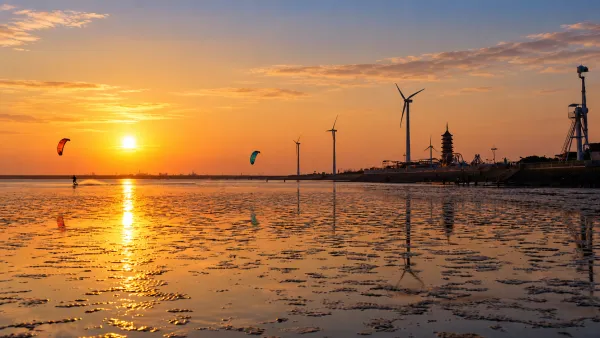
Putuoshan / Thousand Steps Beach, also known as Qianbusha Beach (千步沙), is a scenic coastal location on the eastern side of Putuoshan Island, part of the Zhoushan Archipelago in Zhejiang Province, China. Facing the open waters of the East China Sea, this extensive sandy beach is surrounded by green hills, rocky headlands and the distinctive cultural landscape of one of China's most important Buddhist pilgrimage destinations. Unlike sheltered lagoons or inland kite spots, Thousand Steps Beach offers an exposed maritime environment where wind, swell and tides shape the riding conditions. For experienced riders exploring kitesurfing in Zhejiang or searching for alternative kite spots near Ningbo and Shanghai, Putuoshan offers an unusual combination of open-water conditions, beautiful island scenery and rich cultural heritage.
Wind conditions are influenced by the subtropical monsoon climate of the East China Sea. Northeasterly winds become more frequent during autumn and winter, while southeasterly and southerly winds are associated with the warmer months. Spring and autumn can provide an appealing combination of moderate temperatures and favourable wind opportunities, although actual conditions vary considerably with passing weather systems. The beach's eastern exposure allows winds from the northeast, east and southeast to reach the coastline with relatively little obstruction, while other directions may become less favourable or gustier because of the surrounding terrain. Riders should assess the exact wind angle before launching, as the open-sea setting can quickly become challenging when stronger winds and swell coincide.
Water conditions at Thousand Steps Beach are predominantly choppy, with small to moderate waves developing according to wind strength, swell direction and tide. Unlike the flat-water environments found at some sheltered Chinese kite destinations, the exposed coastline can produce a more dynamic riding surface, with rolling swell, short-period wind waves and occasional shorebreak. These conditions are particularly appealing for freeriding, bump-and-jump sessions and recreational wave riding when the swell aligns. Twin-tip boards are practical for general freeride conditions, while directional boards can provide additional enjoyment on days with more organised waves. The sandy seabed offers a relatively forgiving surface in suitable sections, although wave-breaking zones, changing depths and stronger currents require careful attention.
The beach is known for its long, broad stretch of sand, which can provide generous space for walking and recreational activities. However, Putuoshan is a major tourism and pilgrimage destination, and the availability of open sand does not mean that kitesurfing is automatically permitted. Thousand Steps Beach is managed as part of a scenic area, and swimming, watersports and beach access may be subject to restrictions. Riders should confirm current regulations with local authorities or beach management before bringing kite equipment to the shoreline. During weekends, public holidays and religious festivals, visitor numbers can increase considerably, making independent launching inappropriate wherever pedestrians, swimmers or other beach users are present.
The open-sea environment makes Putuoshan better suited to intermediate and advanced riders with experience in choppy water, shorebreak and changing coastal conditions. Tides influence the width of the beach, water depth and the way waves break close to shore, while tidal currents around the Zhoushan islands can be significant. Stronger winds may generate difficult launching conditions and challenging returns through breaking waves. The East China Sea is also affected by tropical storms and typhoons, particularly during summer and early autumn, when dangerous swell and rapidly changing winds can develop. Riders should avoid sessions during severe weather warnings and never assume that the absence of large waves guarantees safe conditions. Water temperatures are comfortable during summer, while spring and autumn often require a wetsuit, and winter sessions demand substantially more thermal protection.
One of Putuoshan's greatest attractions is its exceptional cultural and natural setting. The island is one of the Four Sacred Buddhist Mountains of China and is famous for its temples, monasteries and pilgrimage routes. Visitors can explore Puji Temple, Fayu Temple, Huiji Temple and the impressive Nanhai Guanyin statue, while scenic walking paths connect wooded hills, rocky viewpoints and peaceful coastal areas. Thousand Steps Beach itself is a popular destination for photography, seaside walks and relaxation. These attractions make Putuoshan particularly appealing for a kitesurfing trip with non-kiters or a family holiday in the Zhoushan Archipelago, as there are numerous cultural and outdoor activities to enjoy when the wind is unsuitable.
Putuoshan Island is reached through the regional ferry network, with Zhujiajian serving as one of the main departure points. Zhoushan is the nearest urban centre, while Ningbo is the closest major mainland city and an important transport gateway. Shanghai is also within the wider regional travel network, making Putuoshan a possible addition to a longer journey along China's eastern coastline. Accommodation, restaurants and visitor facilities are available on the island, although transport and access are organised around its protected scenic and religious character. Travellers carrying bulky kite equipment should check ferry baggage arrangements and local transport options in advance.
For riders researching kitesurfing in Zhoushan, open-water kite spots in Zhejiang or coastal destinations near Ningbo and Shanghai, Putuoshan / Thousand Steps Beach offers an impressive natural setting with seasonal monsoon winds and potentially enjoyable freeride and wave conditions. Nevertheless, its primary identity is that of a protected cultural and tourism destination rather than an established kitesurfing centre. Independent riding should only be considered where explicitly authorised, with adequate launching space and suitable sea conditions. For experienced, self-sufficient kiters who appreciate island exploration and can adapt to local restrictions, the surrounding Zhoushan coastline offers an interesting region to investigate while combining coastal travel with one of China's most distinctive cultural landscapes.
Putuoshan Thousand Steps Beach is best suited for
Spot profile
Travel spot
The typical kite travel destination, it is known for its great conditions, and kiters from around the world come here for their vacations.
Family spot
Located in an area that offers amenities for all the family and can provide good alternatives for everyone when the kiters are in the water.
Equipment
For most sessions, a freeride or wave-oriented kite setup is recommended, with moderate kite sizes selected for the seasonal monsoon winds rather than extreme lightwind tuning. Boards that handle chop make riding more manageable in wavy, open-sea conditions. Year-round, a 3/2 mm wetsuit is a reliable baseline to handle the island's variable and sometimes foggy or rainy weather, while a shorty will feel comfortable in peak summer heat if the wind direction and sun combine. Riders often choose booties, since even though the beach is mainly sandy, there are rocky areas and walking in the shore zone or around scenic outlooks can be rough on bare feet. In colder months, some may appreciate a thicker suit depending on temperature swings.
Wind Conditions
Main wind directions at Putuoshan Thousand Steps Beach
Windy days per month in Putuoshan Thousand Steps Beach
Wind Speed Range
From 12 to 25 Knots
Suggested sizes
8 - 9 mt
10 - 11 mt
12 - 13 mt
14 mt and above
Forecast on Windy.com
Kitesurfing Safety & Local Rules at Putuoshan Thousand Steps Beach
The main hazards at Thousand Steps Beach come from its exposed location on Putuoshan Island and rapidly changing wind and sea conditions. Stronger winds can generate significant chop, waves and challenging shorebreak, particularly around high tide. Launching and landing can become difficult when surf increases, while sudden wind shifts, rain and reduced visibility during monsoon transitions add further risks. Always check the marine forecast and avoid riding in deteriorating conditions.
Typhoon season, particularly during July and August, brings additional dangers from powerful gusts, heavy rain, rough seas and potentially dangerous breaking waves. Tropical storms can develop or intensify rapidly, making offshore riding and self-rescue especially hazardous. Avoid kitesurfing when typhoons or severe weather are forecast, and be aware that beach access may be restricted or closed during unsafe conditions.
Thousand Steps Beach is part of a popular scenic and religious destination, so tourists and other visitors can significantly reduce available launching and landing space, especially during weekends, festivals and holidays. Keep kite lines well clear of pedestrians and avoid setting up in crowded areas. Local authorities may also restrict beach activities or access at short notice, so check current regulations and confirm that kitesurfing is permitted before launching.
Location
Closest City
Shenjiamen / Zhoushan
How to get There
The usual way in is to travel to Zhoushan and then continue to Putuoshan Island by boat or ferry. Local access from the island port to Thousand Steps Beach is by road or island transport. For longer-distance travel, flying to a main regional airport serving Zhoushan, Shanghai, or Ningbo is practical, followed by ground transport and then a ferry across to the island. Access by car is limited by the island crossing, so you typically park or transfer before the ferry and then connect onto the island via scheduled boats.
Access
The beach is accessed through the Putuoshan tourist area, so the route involves reaching the island by ferry and managing local visitor rules. Entry is public but regulated alongside the broader Mount Putuo scenic area. It is not free roadside parking; typically visitors transfer from the mainland by scheduled boat, after which Thousand Steps Beach is one of the main signed beach areas with straightforward access compared to smaller coves. Movement around the launch area can be impacted during busy times due to visitor flow and event days.
No-Wind Days: What to Do Around Putuoshan Thousand Steps Beach
Putuoshan Island is one of China's most fascinating destinations for travellers who want to combine kitesurfing with cultural sightseeing, Buddhist heritage and spectacular coastal scenery. Located in the Zhoushan Archipelago, off the coast of Zhejiang Province near Ningbo, the island is home to Mount Putuo, one of the Four Sacred Mountains of Chinese Buddhism. Its temples, forested hills, rocky headlands and sandy beaches attract pilgrims and tourists throughout the year, creating a distinctive atmosphere that sets it apart from conventional kite destinations. For a kitesurfing trip with non-kiters or a family holiday on China's eastern coast, Putuoshan offers an exceptional variety of activities when the wind disappears or conditions are unsuitable for riding.
One of the island's most important attractions is Puji Temple, the largest and one of the oldest Buddhist temples on Putuoshan. Situated near the centre of the main pilgrimage area, the temple complex features traditional halls, courtyards, ancient trees and a peaceful lotus pond. Visitors can explore the architecture, observe Buddhist rituals and learn about the island's long association with Guanyin, the bodhisattva of compassion. The surrounding streets contain small shops, vegetarian restaurants and accommodation serving pilgrims, making the area particularly interesting for travellers who want to experience the island's religious culture rather than simply visit its beaches.
Another remarkable landmark is the South Sea Guanyin Statue, a monumental bronze representation of Guanyin overlooking the East China Sea. Standing approximately 33 metres high, the statue is one of Putuoshan's most recognisable symbols and attracts visitors from across China. The surrounding ceremonial terraces and coastal viewpoints provide sweeping views of the sea and nearby islands, making it an excellent destination for photography and sightseeing. The walk towards the statue passes landscaped grounds and religious monuments, and the atmosphere is particularly memorable in the early morning when pilgrims arrive to pay their respects.
For visitors interested in exploring the island's historic temples, Fayu Temple is another essential stop. Located near Thousand Steps Beach, the temple is surrounded by forested hills and is known for its traditional architecture, elaborate decorative details and peaceful courtyards. Its position makes it particularly convenient for travellers staying near the kitesurfing area, as a visit can be combined with a walk along the nearby coastline. The temple's setting beneath mature trees offers a welcome change from the exposed beach, especially on hot or excessively windy days when spending time beside the water is less comfortable.
Higher in the hills, Huiji Temple sits near the summit of Foding Mountain and provides a different perspective on Putuoshan's spiritual and natural landscape. Visitors can reach the upper area using established walking routes or the island's cableway, subject to current operating arrangements. The forested paths, stone steps and occasional viewpoints make the journey rewarding, while the temple itself offers a quieter atmosphere than some of the island's busier pilgrimage sites. Exploring Foding Mountain is particularly attractive for travellers who enjoy combining gentle hiking with cultural sightseeing, although the routes can involve considerable climbing and should be approached according to individual fitness levels.
The island's coastline is equally worth exploring. Thousand Steps Beach, also known as Qianbusha, is one of Putuoshan's longest and most scenic sandy stretches, backed by green hills and facing the open East China Sea. When kitesurfing is not possible, the beach is an attractive setting for walking, photography and enjoying the coastal landscape. Farther south, Hundred Steps Beach offers another scenic shoreline near the main temple district. The exposed beaches can experience significant waves, shorebreak and currents, so swimming should only take place where explicitly permitted and supervised. For families and non-kiters, beach walks and coastal viewpoints are generally more appropriate than assuming the water is suitable for casual swimming.
For nature lovers, Putuoshan offers an extensive network of forested paths and scenic walking routes linking temples, viewpoints and coastal landmarks. The island's subtropical vegetation, ancient trees and rocky terrain create a peaceful environment away from the busiest pilgrimage streets. Walking between religious sites is often as rewarding as visiting the temples themselves, with stone stairways, shaded paths and occasional views across the Zhoushan Archipelago. Early morning is particularly pleasant for exploring, when temperatures are cooler and the island's spiritual atmosphere is more noticeable before the arrival of large day-trip groups.
Food provides another enjoyable part of the Putuoshan experience. The island is particularly associated with Buddhist vegetarian cuisine, served in temple dining areas and restaurants catering to pilgrims. Dishes often feature vegetables, tofu, mushrooms and carefully prepared plant-based ingredients, reflecting the island's religious traditions. Seafood is also available in local restaurants, drawing on the fishing culture of the wider Zhoushan Archipelago. Exploring the small restaurants and food stalls around the main visitor areas offers opportunities to experience regional Zhejiang flavours, while vegetarian meals provide an interesting culinary alternative to the seafood-focused cuisine found elsewhere along China's coast.
For a longer excursion, travellers can explore other parts of the Zhoushan Archipelago, although ferry connections and travel times should be checked carefully. Nearby Zhujiajian Island, which serves as one of the main gateways to Putuoshan, offers additional sandy beaches, coastal viewpoints and tourism facilities. The wider Zhoushan area is known for its fishing ports, seafood markets and island landscapes, providing opportunities to discover a different side of Zhejiang's maritime culture. These excursions are best organised as full-day outings, particularly when ferry schedules or seasonal weather conditions limit transport flexibility.
Families and mixed groups will appreciate Putuoshan's combination of established tourism infrastructure and diverse sightseeing opportunities. The island has accommodation, restaurants, visitor transport and organised attractions, making it possible to spend several days exploring without relying entirely on kitesurfing conditions. However, Putuoshan is primarily a religious pilgrimage destination, and visitors should respect temple etiquette, local regulations and restrictions on activities in protected or sacred areas. Motorised transport is regulated, and tourists generally rely on walking and designated island buses rather than assuming private scooters or cars are freely available. During major Buddhist festivals and Chinese public holidays, the island can become extremely busy, so accommodation and ferry tickets are best arranged in advance.
For anyone planning a kite trip to Zhejiang and wondering what else there is to do, Putuoshan Island offers an extraordinary combination of kitesurfing, Buddhist culture and coastal scenery. A no-wind day can include visiting Puji and Fayu Temples, walking to the South Sea Guanyin Statue, exploring the forested slopes of Foding Mountain or enjoying the views from Thousand Steps Beach. With its sacred landmarks, scenic trails and extensive activities for a non-kiting partner or family, Putuoshan is much more than a beach destination: it is one of the most culturally distinctive islands along China's eastern coastline.