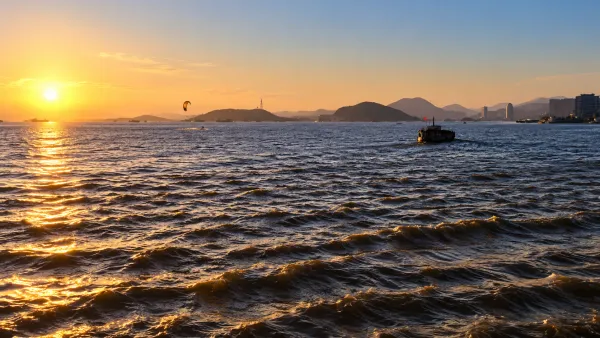
Kitesurfing in Qidong-Huangjinhaitan
Qidong - China
Spot Type
Flat
Water
Dark - Muddy
Beach
Sand
Rider Level
intermediate
Spot characteristics
Spot Type
Flat
Rider Skill
intermediate
Crowd
Seasonal Crowd
Beach Type
Sand
Water Quality
Dark - Muddy
Tide Influence
All tide levels with different conditions (chop - flat - wave)
Kitesurfing in Qidong-Huangjinhaitan: Conditions, Wind & Season
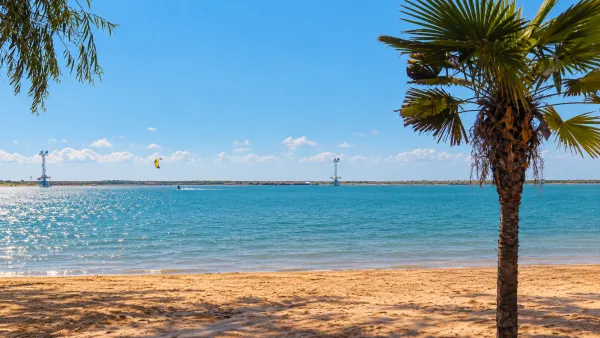
Qidong-Huangjinhaitan, also known as Golden Beach (黄金海滩), is a distinctive coastal location near Qidong in Jiangsu Province, China, overlooking the sediment-rich waters of the Yellow Sea and the northern approaches to the Yangtze River Estuary. Situated within the wider Nantong coastal region, this expansive shoreline is characterised by broad intertidal flats, sandy and muddy sediments, coastal wetlands and an open maritime landscape. Unlike tropical kite destinations with clear water and palm-lined beaches, Golden Beach offers a more rugged atmosphere shaped by strong seasonal winds, large tidal variations and the natural environment of eastern China. For riders exploring kitesurfing near Shanghai, Qidong or Nantong, the area presents an interesting alternative to the more developed beach resorts farther south.
Wind conditions are influenced by the East Asian monsoon, with northerly and northeasterly winds becoming more frequent during autumn and winter. These cooler months can provide stronger wind opportunities, particularly when regional high-pressure systems generate sustained airflow across the exposed coastline. Wind speeds vary considerably with passing weather systems, and stronger winter sessions may require smaller kites and careful assessment of local conditions. During spring and summer, southeasterly and southerly winds become more common, occasionally producing enjoyable recreational sessions, although summer wind reliability is less predictable. The open coastal setting offers relatively unobstructed exposure in favourable directions, making the region attractive to experienced riders who can plan their sessions around changing forecasts rather than expecting guaranteed daily wind.
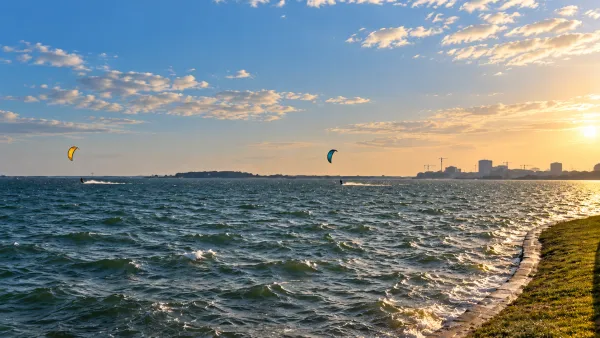
The riding environment is generally characterised by shallow coastal water, short-period chop and extensive tidal flats rather than large breaking waves. During suitable water levels, the gently sloping seabed can create broad areas of relatively smooth water, making freeriding, cruising and basic freestyle manoeuvres appealing possibilities. Stronger winds may generate more pronounced chop, particularly where deeper channels or longer stretches of open water allow waves to develop. Twin-tip boards are practical for general freeriding, while hydrofoiling may be possible only in sufficiently deep areas free from submerged hazards. The water is naturally turbid because of the fine sediments carried through the Yangtze Estuary and surrounding coastal waters, so underwater visibility can be extremely limited.
Tides are one of the most important factors when considering kitesurfing at Qidong-Huangjinhaitan. The coastline has an extensive intertidal zone, and the sea can retreat a considerable distance at low water, exposing broad stretches of sand and mud. As the tide rises, shallow areas become submerged, but water depth, currents and available riding space can change quickly. Soft mud, drainage channels and uneven seabed conditions may make walking to the water difficult or dangerous in some sections. Riders should consult local tidal information, identify a suitable entry and exit point, and avoid venturing into unfamiliar channels. Although the broad shoreline may appear ideal for launching, its tidal character means that safe access cannot be assumed at every water level.
Golden Beach is also a popular coastal tourism and recreation area, attracting visitors for sightseeing, beach activities and exploration of the tidal flats. The surrounding scenic area may include managed access points, organised recreational activities and environmental protection zones. Kitesurfing should therefore only be attempted after confirming that independent launching and riding are currently permitted. Visitors, vehicles, fishing equipment and coastal infrastructure can create hazards around potential launch areas, particularly during weekends and holidays. The wider coastline also contains fishing activities, navigation channels and wind-energy infrastructure, which require appropriate separation. Intermediate and advanced riders with good kite control, tidal awareness and self-rescue skills are best suited to assessing these conditions. Winter water temperatures can be very cold, making appropriate wetsuits or drysuits and thermal protection essential despite the possibility of stronger winds.
Beyond kitesurfing, Qidong-Huangjinhaitan offers an enjoyable introduction to the coastal landscapes of northern Jiangsu. The area is known for its expansive tidal flats, wetland scenery, seafood and opportunities to experience local seaside traditions. Visitors can enjoy coastal walks, photography, recreational beach activities and fresh seafood in nearby towns. Qidong provides restaurants, accommodation and shopping facilities, while the larger city of Nantong offers additional cultural attractions and urban amenities. These options make the area suitable for a kitesurfing trip with non-kiters or a family coastal holiday in Jiangsu, particularly during warmer months when sightseeing and outdoor recreation may be more appealing than spending long hours in the water.
Qidong is connected by road to Nantong and the greater Shanghai metropolitan region, making Golden Beach accessible for regional day trips and weekend visits. Accommodation options are available in Qidong and the surrounding coastal tourism areas, although facilities directly beside potential kite launches may be limited. Riders should arrive prepared with suitable equipment, check local access arrangements and confirm the latest wind and tide forecasts before travelling. For those researching kitesurfing in Jiangsu, kite spots near Nantong or winter wind destinations around the Yangtze River Delta, Qidong-Huangjinhaitan offers a distinctive combination of exposed coastline, seasonal monsoon winds and extensive tidal landscapes. It is not a conventional flat-water lagoon or an established full-service kite resort, but for experienced, self-sufficient riders who can work around the tides and local regulations, the wider Qidong coast may provide rewarding opportunities to explore a less familiar side of kitesurfing in eastern China.
Qidong-Huangjinhaitan is best suited for
Spot profile
Travel spot
The typical kite travel destination, it is known for its great conditions, and kiters from around the world come here for their vacations.
Family spot
Located in an area that offers amenities for all the family and can provide good alternatives for everyone when the kiters are in the water.
Local spot
Maybe not be worth a real journey to reach this spot, but great if you live close by and it is a windy day. In the end, being out on the water feels great anywhere
Equipment
For Qidong-Huangjinhaitan, a freeride setup is ideal, with medium-size kites like 9–12m being most versatile in the prime winter monsoon season, and a larger kite such as 13–15m helpful for lighter or shoulder-season days. A twin-tip board works best for the flat to choppy water, while a surfboard is rarely necessary. A full wetsuit (4/3mm or thicker) is recommended from late autumn through early spring, as the windier months coincide with colder water and air, with booties sensible on coarse or mixed sections of the beach. Shorties or lighter suits are comfortable in May through September, but year-round, expect cool, coastal conditions rather than warm tropical water.
Wind Conditions
Main wind directions at Qidong-Huangjinhaitan
Windy days per month in Qidong-Huangjinhaitan
Wind Speed Range
From 12 to 28 Knots
Suggested sizes
7 mt and below
8 - 9 mt
10 - 11 mt
12 - 13 mt
Forecast on Windy.com
Kitesurfing Safety & Local Rules at Qidong-Huangjinhaitan
The main hazards at Qidong-Huangjinhaitan come from strong winter monsoon winds and changing coastal conditions. Sudden gusts, wind shifts and temperature drops can make sessions more demanding, particularly during stronger northeast wind events. The exposed shoreline can also develop significant chop, while tides and currents may affect water depth and conditions around shallow sandbars. Check the forecast carefully and be prepared for rapidly changing weather.
The wide sandy beach generally provides plenty of launching space, but weekends, holidays and peak tourist periods can bring crowds of walkers, beach sports enthusiasts and occasional vehicles onto the sand. Maintain sufficient distance from other beach users, avoid launching near busy access points and keep kite lines clear of pedestrians. Strong onshore gusts require particular attention during launching and landing.
The sediment-rich water can conceal submerged debris and changes in depth, so take care when riding in unfamiliar shallow areas. Offshore wind farms, marine infrastructure and possible construction activities may also create restricted zones or temporary obstacles. Respect marked barriers, navigation areas and local signage, and check for any beach access restrictions or closures before setting up.
Location
Closest City
Qidong
How to get There
Access the spot by driving from Qidong city to the Golden Beach scenic area, which serves as the main entry for kiting and leisure. For those traveling from farther afield, fly into a major airport in eastern China, then transfer domestically by plane, train, or road to Qidong. Final access is by taxi or car to Huangjinhaitan. There is no need for boat transfer or membership access; the scenic area is open for public entry, sometimes with ticketing or posted hours depending on the season.
Access
Golden Beach is publicly accessible as a designated scenic area, typically requiring entry via gate or ticketing in peak periods, although in low season it's more open. The spot is most commonly reached by car from Qidong city or broader Jiangsu. There are no mandatory permits for kiting, but area rules and opening hours may apply, particularly in busy months or during major events. Parking is available adjacent to the scenic beach, and riders launch from the broad sandy section near the main parking and facilities. There are no indication of private clubs or boat access restrictions; the only controls are those imposed by the general beach management and seasonal tourism needs.
No-Wind Days: What to Do Around Qidong-Huangjinhaitan
Qidong-Huangjinhaitan, also known as Golden Beach, offers much more than kitesurfing along the eastern coast of Jiangsu Province in China. Located near Qidong, within the Nantong region and close to the mouth of the Yangtze River, this extensive coastal landscape combines sandy tidal flats, wetlands, fishing traditions and a relaxed atmosphere away from the crowds of Shanghai. The area is particularly interesting for travellers who want to experience the less touristy side of China's eastern coastline while enjoying the convenience of a nearby city. For a kitesurfing trip with non-kiters or families, Golden Beach provides opportunities for coastal walks, seafood experiences, nature observation and excursions around the Yangtze River estuary.
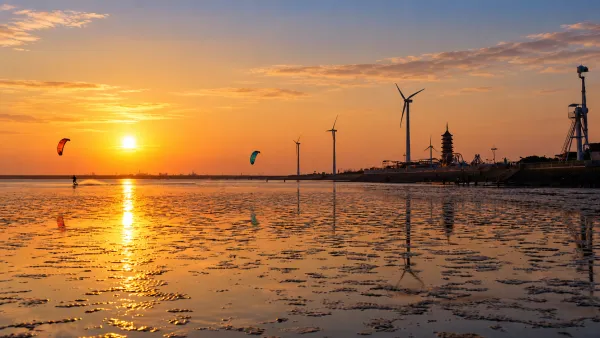
The most distinctive attraction is the Golden Beach coastal landscape itself. Unlike tropical beaches with clear blue water, Qidong's shoreline is shaped by enormous tidal movements and the sediment-rich waters of the Yangtze River estuary. At low tide, the sea retreats to reveal broad expanses of wet sand and tidal flats, creating unusual scenery and excellent opportunities for photography. The changing reflections, distant fishing boats and open horizons are particularly attractive during sunrise and sunset. Visitors can enjoy designated coastal walkways and managed sightseeing areas, although the exposed flats should never be treated as ordinary walking terrain. Deep mud, tidal channels and rapidly returning water can create serious hazards, making it important to remain within officially permitted visitor zones.
One of the area's best-known traditional activities is clam digging and collecting shellfish on the tidal flats. This activity reflects the long relationship between local communities and the productive coastal environment of the Yangtze estuary. In designated tourist areas, visitors may be able to participate in organised shellfish-gathering experiences, depending on the season, tides and current regulations. For families, it can be an entertaining way to learn about the region's fishing traditions and marine ecology. However, shellfish collection should only take place where explicitly authorised, preferably with local supervision, because tidal mudflats can be dangerous and harvesting may be restricted for environmental or food-safety reasons.
Nature lovers will find the wider Qidong coastline particularly interesting for birdwatching. The wetlands and tidal flats around the Yangtze River estuary form part of an important ecological region used by migratory birds travelling along the East Asian–Australasian Flyway. Depending on the season, visitors may observe shorebirds, egrets, herons and other coastal species feeding along the water's edge. Spring and autumn are especially interesting periods for migration, although sightings depend on weather, tides and habitat conditions. Bringing binoculars and exploring accessible coastal viewpoints can turn a windless morning into a rewarding nature excursion, while keeping a respectful distance from feeding and resting birds helps protect these sensitive habitats.
For a different perspective on the region, visitors can explore the coastal countryside around Qidong, where agricultural landscapes, small fishing settlements and waterways reveal the everyday character of eastern Jiangsu. Short drives through the surrounding area provide opportunities to discover local markets, rural villages and traditional food establishments that receive relatively few international tourists. The flat landscape and extensive network of roads also make parts of the region suitable for leisurely cycling, although riders should choose quiet routes and avoid busy industrial access roads. This is an enjoyable way to experience the slower pace of the coast and discover scenery that contrasts with the modern cities of the Yangtze River Delta.
The nearby city of Qidong is worth visiting for its markets, restaurants and everyday urban atmosphere. Although it is not a major international sightseeing destination, Qidong offers shopping streets, public parks, cafés and local dining options that make it a convenient base for exploring the coast. A walk through the city provides an introduction to contemporary life in a smaller Chinese coastal city, while its supermarkets and restaurants are useful for travellers staying several days. The city is particularly appealing in the evening, when local eateries become busy and visitors can enjoy a relaxed meal after spending the day beside the sea.
Seafood is one of the highlights of a visit to Qidong-Huangjinhaitan. The region's proximity to the Yangtze River estuary and the Yellow Sea supports a strong fishing and seafood culture, with restaurants serving seasonal fish, shrimp, crabs, clams and other local specialities. Traditional Jiangsu cooking often emphasises fresh ingredients and balanced flavours, allowing the natural taste of seafood to remain prominent. Exploring local restaurants or seafood markets can be a memorable experience for travellers interested in regional Chinese cuisine. A long seafood lunch is also an excellent alternative when the wind drops, especially for groups travelling with non-kiting companions.
For visitors interested in regional culture, the wider Nantong area offers additional attractions beyond the immediate Qidong coastline. Nantong, an important city along the Yangtze River, is known for its textile heritage, museums and landscaped urban areas. One of its best-known landmarks is Langshan, or Wolf Mountain, a scenic hill overlooking the Yangtze River and associated with Buddhist temples and traditional pilgrimage culture. A visit to Nantong is better planned as a full-day excursion rather than a quick stop between kite sessions, but it offers an appealing combination of history, architecture and river scenery for travellers spending several days in the region.
Shanghai is another possible destination for a longer excursion, particularly for international travellers arriving through its airports. The city offers an extraordinary contrast to Qidong's open coastal landscape, with the famous Bund waterfront, the skyscrapers of Pudong, historic Yu Garden and countless museums, shopping streets and restaurants. Travelling between Qidong and Shanghai involves crossing the Yangtze River estuary region, and journey times depend on road traffic and available transport connections. For visitors staying near Golden Beach, Shanghai is generally best considered a dedicated day trip or a separate stop before or after the kitesurfing portion of the holiday.
Families and non-kiters will appreciate the range of simple outdoor activities available around Golden Beach, particularly during the warmer months. Depending on current operating arrangements, managed tourist areas may offer recreational facilities, beach games, sightseeing activities and seasonal events. However, not every part of the shoreline has the same level of infrastructure, and visitors should not assume that swimming, motorised beach activities or boat excursions are permitted everywhere. The extensive tidal flats and changing sea conditions make this coastline very different from a conventional bathing resort. For a family kitesurfing holiday in Jiangsu, combining the beach with Qidong's restaurants, parks and nearby sightseeing destinations is generally more rewarding than relying entirely on activities at the kite launch.
For anyone planning a kite trip to eastern China and wondering what else there is to do, Qidong-Huangjinhaitan offers an appealing mixture of coastal nature, traditional seafood culture and access to the wider Yangtze River Delta. A no-wind day can include photographing the enormous tidal flats, observing migratory birds, exploring Qidong's local markets, enjoying fresh seafood or organising a longer excursion to Nantong or Shanghai. Although Golden Beach is not a luxury resort destination, its distinctive estuary landscape and relaxed regional atmosphere make it an interesting choice for independent kitesurfers and companions who enjoy discovering lesser-known parts of China's coastline.