Kitesurfing in Hurghada
Hurghada - Egypt
Spot Type
Flat
Water
Dark - Clear
Beach
Sand
Rider Level
beginner
Spot characteristics
Spot Type
Flat
Rider Skill
beginner
Crowd
Seasonal Crowd
Beach Type
Sand
Water Quality
Dark - Clear
Tide Influence
Tide independent
Kitesurfing in Hurghada: Conditions, Wind & Season
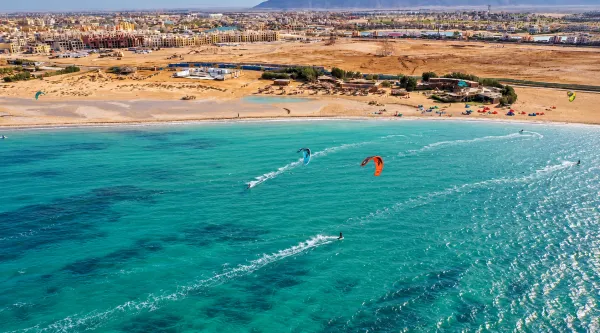
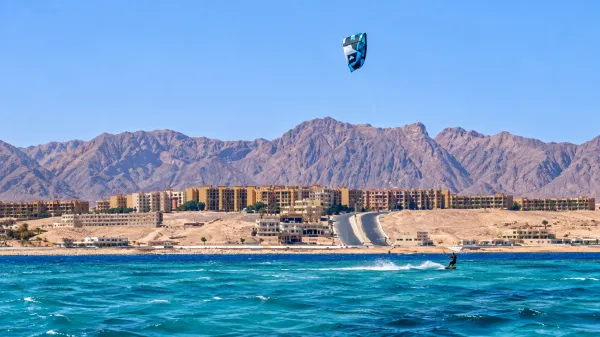
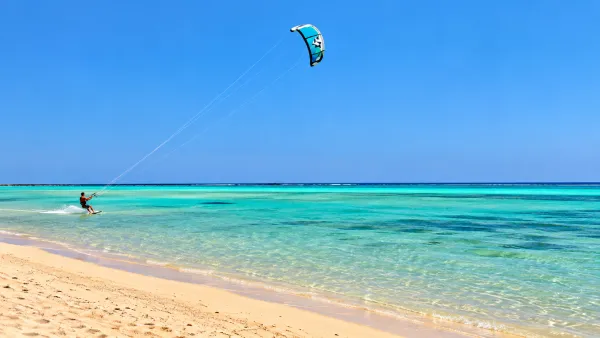
Hurghada is one of Egypt's most established kitesurfing destinations, located on the western coast of the Red Sea, approximately 450 kilometres southeast of Cairo. Famous for its turquoise waters, predominantly northerly winds and extensive shallow-water areas, Hurghada attracts beginners, intermediate riders and experienced kitesurfers looking for enjoyable freeriding and freestyle conditions. Unlike destinations centred around a single lagoon, kitesurfing in Hurghada takes place across several beaches, sheltered bays and shallow coastal areas, each offering slightly different wind exposure, water depths and launching facilities. The combination of accessible riding conditions and professional kite infrastructure makes the region particularly attractive for learning and improving technique.
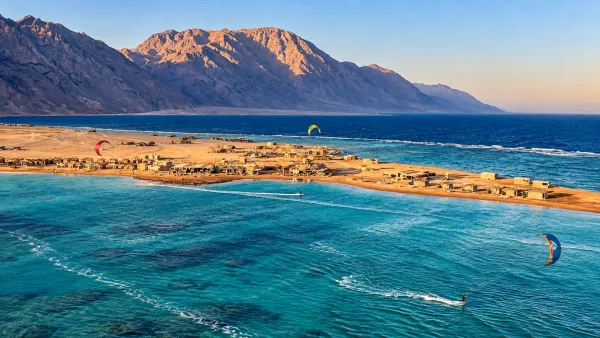
The main kitesurfing areas are distributed along the coastline north and south of the city, where sandy beaches, shallow lagoons and more exposed sections of the Red Sea provide a variety of riding environments. Many established kite centres operate from designated beaches with relatively spacious rigging areas and organised launching facilities. In suitable locations, the seabed is predominantly sandy, and shallow water extends a considerable distance from shore, creating favourable conditions for practising water starts, transitions and upwind riding. However, the coastline is not uniformly sandy or shallow, and some sections contain coral formations, rocks and reef patches. Choosing an appropriate kite station is therefore important, particularly for beginners unfamiliar with the local conditions.
Hurghada benefits from the prevailing northerly and northwesterly winds that characterise much of Egypt's Red Sea coast. These winds are influenced by regional pressure patterns, the surrounding desert landscape and local thermal effects, which can reinforce the airflow during the day. The main kitesurfing season generally extends from May through October, when frequent windy periods provide excellent opportunities for long sessions. During favourable conditions, wind speeds commonly range from approximately 15 to 25 knots, although lighter days and stronger episodes are possible. Wind direction is often side-shore or cross-onshore at suitable launching locations, but this varies considerably along the coastline. Some beaches may experience offshore components, gusts or wind shadows caused by nearby buildings and coastal features, making local assessment essential.
Spring and autumn are particularly attractive periods for kitesurfing in Hurghada, combining frequent wind with comfortable temperatures and relatively warm water. Summer often provides excellent wind opportunities, although the intense Egyptian heat makes hydration and sun protection especially important. During the warmest months, many riders can kite comfortably without a wetsuit, while a shorty or thin wetsuit may be useful during spring and autumn. Winter sessions are also possible, but wind conditions are generally less predictable and cooler air temperatures can make additional thermal protection necessary. Although Hurghada is considered a reliable Red Sea wind destination, calm periods can occur in any season, and local forecasts should always be checked before planning a session.
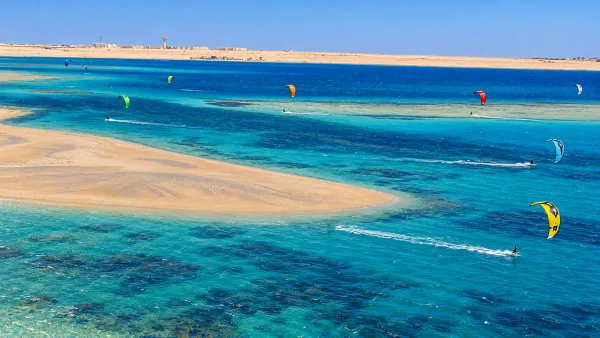
Water conditions vary depending on the chosen beach, wind strength and exposure to the open Red Sea. Sheltered lagoons and shallow bays often provide relatively flat water or light chop, making them particularly suitable for beginners and freestyle progression. More exposed areas can develop moderate wind-driven chop, especially during stronger northerly winds, while occasional waves may form around reefs and offshore sandbanks. The absence of significant ocean swell in many protected riding areas is one of Hurghada's main advantages, allowing riders to concentrate on technique rather than wave management. However, shallow water should not be confused with an entirely hazard-free environment, particularly where coral heads or submerged obstacles are present.
Tidal variations can influence water depth and the available riding area, especially in shallow lagoons and reef-protected sections. At low tide, sandbanks and reef flats may become exposed, reducing the space suitable for kitesurfing and making some areas difficult or unsafe to navigate. Deeper channels generally remain accessible, but their location and suitability depend on the individual spot. Riders using hydrofoils should pay particular attention to water depth, as shallow sandbanks and coral formations can create serious hazards. Even for twin-tip riders, jumping in insufficient depth can result in injuries. Local kite centres can provide useful information about tidal conditions, submerged obstacles and the safest routes between shallow and deeper water.
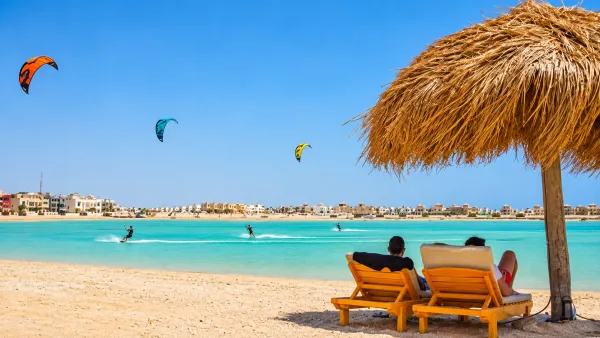
Hurghada has an extensive network of professional kitesurfing schools and centres offering lessons, equipment rental, storage, launching assistance and other services. Many established operators also provide rescue boats within their designated riding areas, although availability and coverage should always be confirmed before entering the water. Some locations have separate training zones for beginners and more experienced riders, helping reduce congestion and improve safety during lessons. Nevertheless, popular kite beaches can become crowded during peak season, particularly around launching corridors and shallow training areas. Independent riders should respect designated zones, maintain safe distances from students and instructors, and follow the procedures established by the local kite station.
Hurghada is particularly suitable for beginners and intermediate kitesurfers looking for structured progression in relatively manageable conditions. Shallow sandy areas provide an excellent environment for learning kite control, water starts and upwind riding under professional supervision, while more experienced riders can enjoy freeriding, jumping and flat-water freestyle when sufficient space and water depth are available. Hydrofoil kitesurfing is also possible in deeper sections, although reef formations and tidal changes require careful route selection. Advanced riders seeking substantial waves or challenging surf conditions may find the sheltered lagoons less appealing, but the variety of coastal riding areas offers opportunities for different styles and skill levels.
For riders searching for kitesurfing in Hurghada, beginner-friendly kite spots in Egypt or flat-water kitesurfing destinations on the Red Sea, this established coastal region offers an excellent combination of seasonal winds, shallow-water riding areas and professional kite facilities. Its main strengths are the variety of available spots, accessible launching infrastructure and opportunities for progression across different skill levels. Although conditions vary between beaches and require attention to wind direction, tides, reefs and local regulations, Hurghada remains one of Egypt's most practical and versatile kitesurfing destinations, offering enjoyable sessions in the clear waters of the Red Sea throughout much of the year.
Hurghada is best suited for
Spot profile
Travel spot
The typical kite travel destination, it is known for its great conditions, and kiters from around the world come here for their vacations.
Family spot
Located in an area that offers amenities for all the family and can provide good alternatives for everyone when the kiters are in the water.
Equipment
Most of the time, medium kite sizes in the 9 to 12m range work well from late spring through autumn when the wind is reliable, with larger kites used by heavier riders or on lighter winter days. Twin-tips are the usual choice for freeride and freestyle due to the flat water, though a foil board is an excellent option for lighter wind and makes good use of the calm surface. The warm Red Sea means a full wetsuit is rarely needed; in summer, many ride in boardshorts and a lycra or just a shorty, while the shoulder seasons might call for a spring suit. Only when riding long sessions on occasional cooler days do riders reach for a thin full suit. Sandy launch areas mean booties are generally unnecessary, though if you tend to ride close to reef or coral in less protected parts of the spot, lightweight boots are helpful. Beginners will find it best to use a slightly larger board for easy starts and a medium-to-large kite suited to sub-20 knot sessions.
Wind Conditions
Main wind directions at Hurghada
Windy days per month in Hurghada
Wind Speed Range
From 12 to 25 Knots
Suggested sizes
8 - 9 mt
10 - 11 mt
12 - 13 mt
Forecast on Windy.com
Kitesurfing Safety & Local Rules at Hurghada
The main hazards at Hurghada come from crowded launching areas, shallow water and nearby coral reefs. During peak season, beaches around resorts and kite schools can become busy with beginners, independent riders, swimmers and other visitors. Limited launching space increases the risk of collisions and tangled kite lines, so always use designated corridors and maintain safe distances from other beach users.
Although the shallow sandy water is generally suitable for learning, some areas contain submerged coral, reef patches and uneven seabed. These obstacles can cause injuries or damage boards, fins and hydrofoils, particularly at low water levels or during falls. Avoid riding over shallow reefs, follow marked access channels and consider protective footwear when entering unfamiliar areas.
Winds are generally sideshore or side-onshore, but riders can still drift outside designated kite zones if they lose control or encounter equipment problems. Pay particular attention to inexperienced riders and students, who may behave unpredictably. Respect local kite school instructions, stay clear of swimming areas and confirm rescue arrangements before venturing farther offshore.
Location
Closest City
Hurghada
How to get There
Hurghada is reached most easily by flight via Hurghada International Airport, which is the main gateway for the area. From the airport, many kite spots in and around Hurghada are reachable by taxi or hotel transfer in a short drive. If arriving from elsewhere in Egypt, road access is also possible along the Red Sea coast, but flying is the most practical option for most visitors.
Access
Hurghada’s main kite areas are generally publicly reachable in the sense that they sit on the coast and can be accessed through beaches, hotel fronts, or kite centers, but many prime sections are managed by schools or beach clubs. In practice, access is often easiest through a local kite center, hotel beach, or resort entrance, and some spots may require a day pass, lesson booking, or permission from the station using the beach. Public access exists, but the most convenient launch and landing zones are commonly organized by local operators.
No-Wind Days: What to Do Around Hurghada
Beyond kitesurfing, Hurghada is one of Egypt's most popular holiday destinations, offering an exceptional combination of Red Sea adventures, beautiful beaches, desert excursions and lively entertainment. Located on Egypt's eastern coastline, Hurghada has developed from a small fishing settlement into a major international resort city, with an extensive selection of hotels, restaurants, shopping areas and recreational facilities. Unlike more isolated kitesurfing destinations, Hurghada provides the convenience of a fully developed tourist infrastructure, making it easy to combine active days on the water with relaxation and sightseeing. For a kitesurfing trip with non-kiters or a family holiday on Egypt's Red Sea coast, Hurghada offers activities suitable for different ages, interests and budgets.
One of the greatest attractions of Hurghada is its extraordinary underwater environment. The Red Sea is internationally renowned for its colourful coral reefs, tropical fish and excellent visibility, making snorkelling and scuba diving among the most popular activities in the region. Numerous diving centres organise introductory courses, guided dives and boat excursions to offshore reefs, allowing visitors to discover the remarkable biodiversity of the Red Sea. Certified divers can explore a variety of dive sites, including coral gardens, reef walls and selected wrecks, while beginners can enjoy supervised experiences in suitable conditions. Snorkelling excursions provide an excellent alternative for non-divers, with opportunities to observe colourful marine life close to the surface. Visitors should choose responsible operators and avoid touching coral or disturbing marine animals.
One of the most memorable excursions from Hurghada is a boat trip to the Giftun Islands, part of a protected marine area offshore from the city. These islands are famous for their beautiful sandy beaches, turquoise waters and surrounding coral reefs. Organised excursions typically combine swimming, snorkelling and relaxation on designated beach areas, creating an enjoyable full-day experience for families and non-kiting partners. Several beach destinations around the islands offer sun loungers, refreshments and recreational facilities, depending on the chosen operator. The surrounding waters are particularly attractive for underwater photography, while the island scenery provides a beautiful contrast to Hurghada's developed coastline. Visitors should respect marine park regulations and choose operators that follow responsible environmental practices.
Hurghada Marina is one of the city's most enjoyable places for an evening stroll. This modern waterfront district features restaurants, cafés, shops and bars overlooking the harbour, creating a lively but relaxed atmosphere after sunset. Visitors can enjoy fresh seafood, international cuisine or traditional Egyptian dishes while watching boats return to the marina. The surrounding promenade is particularly pleasant during the cooler evening hours, when the waterfront becomes a popular gathering place for tourists and residents. For a more traditional Egyptian atmosphere, the older El Dahar district offers local markets, small shops and restaurants, providing an interesting contrast to the modern resort areas. Visitors can browse stalls selling spices, textiles and souvenirs while experiencing a more everyday side of the city.
For visitors interested in desert adventures, the Eastern Desert surrounding Hurghada offers spectacular landscapes of rocky mountains, sandy valleys and vast open spaces. Organised excursions include guided jeep safaris, quad-bike tours, camel rides and sunset visits to desert camps. These experiences provide an opportunity to discover a completely different environment from the Red Sea coastline, with dramatic mountain scenery and beautiful desert light. Some tours include traditional meals, cultural presentations and opportunities for stargazing under the clear night sky. Visitors should choose reputable operators that follow appropriate safety procedures and respect local communities and fragile desert habitats. During the hottest months, excursions are generally more comfortable in the early morning or late afternoon.
For families travelling with children, Hurghada offers a particularly wide selection of recreational activities. Many beachfront resorts feature swimming pools, children's clubs, playgrounds, water slides and organised entertainment, making it easy to keep younger visitors occupied while other family members enjoy kitesurfing. Several hotels and water parks in the wider resort area provide additional aquatic attractions, while glass-bottom boat excursions and semi-submarine trips offer opportunities to observe the Red Sea's underwater world without scuba diving. Beach clubs, sheltered swimming areas and organised snorkelling trips provide further options for family outings, depending on weather and sea conditions. The city's extensive tourist infrastructure makes Hurghada especially convenient for a family kitesurfing holiday in Egypt.
Visitors looking for relaxation can enjoy Hurghada's numerous beaches, spas and wellness facilities. Many hotels offer private beach areas with sun loungers, shaded seating and beachfront restaurants, while selected beach clubs provide day access for visitors staying elsewhere. Spa treatments, massages, fitness centres and resort swimming pools offer comfortable alternatives on windless days. The surrounding coastline also provides opportunities for paddleboarding, kayaking and other gentle water activities where conditions permit. Travellers seeking a quieter atmosphere can explore the resort areas north and south of the city, where larger beachfront properties often provide more secluded surroundings than the busy central districts.
For visitors interested in ancient Egyptian history, an organised excursion to Luxor is one of the most rewarding experiences available from Hurghada. Located inland along the Nile River, Luxor is home to some of Egypt's most extraordinary archaeological treasures, including Karnak Temple, Luxor Temple, the Valley of the Kings and the Temple of Hatshepsut. These monuments provide a fascinating introduction to the civilisation of ancient Egypt and offer a dramatic contrast to the Red Sea's beaches and coral reefs. Because the journey across the Eastern Desert takes several hours each way, an overnight excursion is often more comfortable than a rushed day trip. Additional information about Egypt's archaeological sites is available through the official Egyptian monuments website.
Another attractive excursion is the nearby resort town of El Gouna, situated north of Hurghada. Famous for its network of lagoons, canals and elegant waterfront neighbourhoods, El Gouna offers a different atmosphere from the larger city. Visitors can explore Abu Tig Marina, enjoy waterfront dining, browse small boutiques or relax at one of the resort's beach clubs. The town also offers golf, spa facilities and various watersports activities, making it an enjoyable destination for couples and non-kiting partners. Farther south, the resort areas of Sahl Hasheesh and Makadi Bay provide additional opportunities for beach relaxation, snorkelling and enjoying the beautiful Red Sea coastline. More information about the region and other Egyptian destinations can be found on the official Egyptian tourism website.
Food and nightlife are important parts of the Hurghada experience. The city offers an extensive range of restaurants, from traditional Egyptian eateries and casual seafood establishments to international restaurants and upscale resort dining. Visitors can try local specialities such as koshari, grilled kofta, falafel, mezze and freshly prepared fish, alongside Mediterranean and international cuisine. The marina and major tourist districts provide lively evening entertainment, including cocktail bars, music venues and waterfront restaurants. Accommodation is equally varied, with budget guesthouses, holiday apartments, boutique hotels and luxury all-inclusive resorts catering to different travel styles. The availability of supermarkets, pharmacies, shopping centres and transport services makes Hurghada particularly practical for longer stays.
For anyone planning a kite trip to Hurghada and wondering what else there is to do, the surrounding Red Sea region offers an outstanding combination of marine adventures, desert landscapes, cultural attractions and entertainment. A no-wind day can include snorkelling around the Giftun Islands, exploring Hurghada Marina, enjoying a desert sunset safari, relaxing at a beach club or visiting the lagoons of El Gouna. Travellers with more time can also organise a memorable excursion to the ancient monuments of Luxor. With its extensive accommodation options, convenient airport access and numerous activities for a non-kiting partner or family, Hurghada is an excellent destination for combining kitesurfing with a varied and comfortable holiday on Egypt's Red Sea coast.