Kitesurfing in Sharm El-Sheikh
Sharm El-Sheikh - Egypt
Spot Type
Flat
Water
Dark - Clear
Beach
Sand
Rider Level
beginner
Spot characteristics
Spot Type
Flat
Rider Skill
beginner
Crowd
Seasonal Crowd
Beach Type
Sand
Water Quality
Dark - Clear
Tide Influence
Tide independent
Kitesurfing in Sharm El-Sheikh: Conditions, Wind & Season
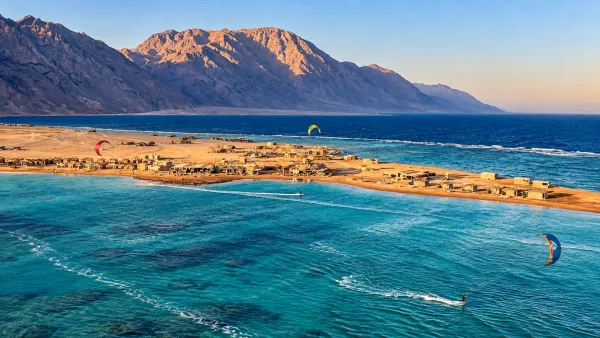
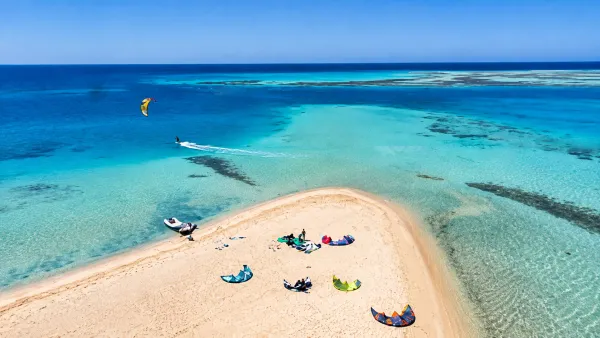
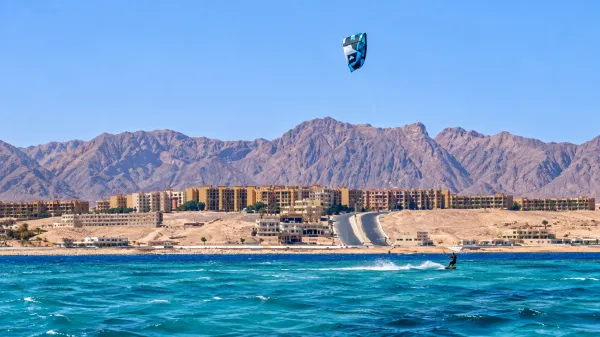
Sharm El-Sheikh is one of Egypt's most established Red Sea destinations, located at the southern end of the Sinai Peninsula, where the Gulf of Aqaba meets the wider Red Sea. The main kitesurfing activity is concentrated around Nabq Bay, northeast of the city centre and close to Sharm El-Sheikh International Airport. This coastal area is known for its shallow lagoons, turquoise water and extensive coral reef formations, creating a distinctive environment for flat-water kitesurfing. Unlike many exposed coastal locations, the sheltered sections of Nabq Bay offer relatively smooth water and manageable conditions, making them particularly attractive for beginners, intermediate riders and kitesurfers looking to improve their technique in a warm Red Sea setting.
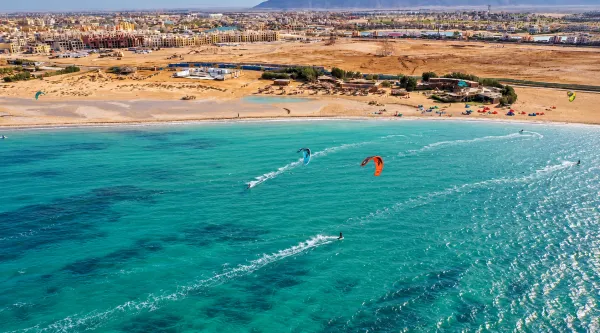
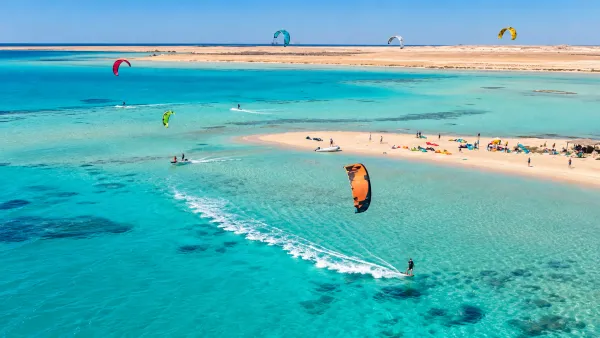
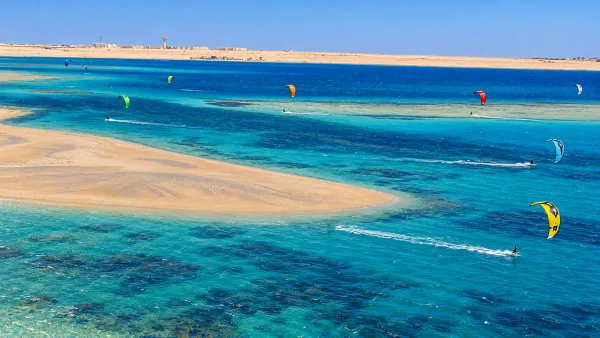
The main kitesurfing area is located along the shallow coastal lagoon of Nabq, where natural reef formations protect parts of the bay from larger waves. Inside the sheltered sections, the water is generally flat or lightly choppy, providing favourable conditions for learning water starts, practising transitions and improving upwind riding. Water depth varies considerably across the lagoon, with some sections ranging from knee-deep to waist-deep, depending on the tide and exact location. The principal training areas feature sandy patches that are relatively comfortable for beginners, although coral fragments, reef flats and submerged obstacles are present elsewhere. Riders should remain within designated kite zones and avoid approaching shallow reef formations.
Sharm El-Sheikh benefits from the predominantly northerly and northwesterly winds that affect the Sinai Peninsula and the northern Red Sea. These winds are influenced by regional pressure patterns, the surrounding desert mountains and the geography of the Gulf of Aqaba. At suitable launching locations in Nabq Bay, the wind can arrive side-shore or cross-onshore, creating favourable conditions for freeriding and supervised lessons. However, the exact wind angle varies along the coastline, and some sections may experience offshore components or local gusts. Riders should assess the conditions at their chosen launching area rather than assuming that the entire lagoon offers the same wind direction or level of protection.
Kitesurfing is possible during much of the year, with spring and summer generally providing particularly attractive wind opportunities. The period from April through September often offers frequent windy days, although the strongest and most reliable conditions vary between months and from year to year. Spring can bring powerful northerly wind episodes, while summer frequently provides extended periods of rideable wind combined with very warm air and water temperatures. Autumn can also offer enjoyable sessions, sometimes with more comfortable temperatures and fewer riders. Winter kitesurfing remains possible, but wind reliability may decrease and cooler conditions can require a wetsuit. Local forecasts and current wind observations are essential when planning sessions, as calm periods can occur even during the main season.
One of the greatest advantages of Nabq Bay is the quality of its sheltered water. The surrounding reef structures reduce the impact of larger Red Sea waves, creating relatively smooth surfaces that are particularly suitable for beginner progression and flat-water freeriding. During moderate winds, riders can enjoy light chop or almost flat conditions in protected sections, while stronger winds may generate more noticeable wind-driven chop farther from shore. The lagoon is less suitable for traditional wave kitesurfing, as significant breaking waves are generally found beyond the protective reef rather than inside the main riding area. Intermediate and advanced riders can enjoy freeriding, practising jumps and freestyle manoeuvres, provided that sufficient water depth and space are available.
Tides are an important consideration at Nabq Bay because of the extensive shallow reef flats and sandbanks. At higher water levels, the lagoon generally offers more continuous riding space, while low tide can expose coral heads and reduce the depth in some sections to levels unsuitable for safe kitesurfing. The sandy bottom in designated training areas can make learning more comfortable, but riders should not assume that the entire lagoon is free of obstacles. Submerged coral, rocky patches and shallow channels can create hazards during falls, board recovery or powered manoeuvres. Jumping in insufficient water depth is particularly dangerous, and hydrofoil kitesurfing may be restricted to deeper sections where reef clearance is adequate.
Launching and landing are generally organised through established kite centres and resort-based watersports facilities along Nabq Bay. Areas near hotels such as Regency Plaza and Sea Beach have historically been associated with kitesurfing activities, although the availability of kite services and authorised launching areas should be confirmed before travelling. Local operators may provide professional instruction, equipment rental, storage, launching assistance and rescue support within their designated riding zones. Access to some beaches is managed by resorts or kite stations, and independent riders may need to arrange permission or pay a station fee. During busy periods, especially when several schools are teaching simultaneously, launching corridors and shallow training areas can become crowded, making careful kite handling and respect for other riders essential.
Nabq Bay is particularly appealing to beginners and intermediate kitesurfers seeking a structured learning environment. The shallow sandy sections and relatively flat water provide favourable opportunities for practising kite control, water starts, transitions and upwind riding under professional supervision. More experienced riders can enjoy relaxed freeriding, small jumps and flat-water freestyle in suitable areas, although the limited depth and nearby reef formations require careful selection of riding zones. The lagoon is not designed for riders seeking large waves or exposed ocean conditions, and venturing beyond the reef should only be considered with appropriate experience, local knowledge and reliable safety arrangements.
Safety considerations at Nabq Bay are closely linked to the surrounding coral reef environment. Although the sheltered lagoon can appear calm and forgiving, shallow reef sections, changing water depths and occasional strong winds create hazards that should not be underestimated. Riders should follow designated navigation channels, maintain safe distances from coral formations and respect any marine protection restrictions affecting the surrounding coastline. The Nabq area includes environmentally sensitive coastal habitats, making responsible access particularly important. Beginners should remain within authorised training zones, while independent riders should confirm rescue arrangements, wind direction and tidal conditions before entering the water.
For riders searching for kitesurfing in Sharm El-Sheikh, flat-water kite spots in Nabq Bay or beginner-friendly kitesurfing destinations on Egypt's Red Sea coast, this sheltered lagoon offers an attractive combination of seasonal northerly winds, shallow-water conditions and established watersports infrastructure. Its greatest strengths are the protected riding environment, opportunities for progression and convenient access to organised kite facilities. Although tides, coral reefs and local access restrictions require careful attention, Nabq Bay remains one of the most appealing locations for learning and improving kitesurfing technique in the southern Sinai Peninsula, particularly for riders who prefer smooth water over exposed waves and challenging ocean conditions.
Sharm El-Sheikh is best suited for
Spot profile
Travel spot
The typical kite travel destination, it is known for its great conditions, and kiters from around the world come here for their vacations.
Family spot
Located in an area that offers amenities for all the family and can provide good alternatives for everyone when the kiters are in the water.
Equipment
A medium-to-large kite is recommended due to generally moderate wind strengths throughout the main season, with a typical quiver running from 12 to 15m for most riders and larger kites for lighter wind days. A twin-tip board is ideal given the large, flat lagoon, especially models that allow easy early planing and good upwind performance for newer and progressing kiters. During the warmer spring and summer months a shorty or light summer wetsuit suffices, as water and air temperatures stay high; a full wetsuit may be preferred in winter, though some experienced riders go without if conditions are sunny. Footwear is not typically required on the main sandy bottom, but reef booties are sensible if launching from areas with more exposed coral or if walks outside the marked channels are required. Beginners may want to add a helmet and impact vest for additional safety, especially during school hours and peak crowding in the launch zone.
Wind Conditions
Main wind directions at Sharm El-Sheikh
Windy days per month in Sharm El-Sheikh
Wind Speed Range
From 12 to 25 Knots
Suggested sizes
8 - 9 mt
10 - 11 mt
12 - 13 mt
14 mt and above
Forecast on Windy.com
Kitesurfing Safety & Local Rules at Sharm El-Sheikh
The main hazards at Nabq Lagoon come from shallow coral reefs, submerged rocks and uneven water depth along the edges of the riding area. Outside the central sandy channel, the bottom can quickly change to sharp coral formations, particularly dangerous at low tide. Contact with these obstacles can cause injuries or damage boards and fins, so always remain within the designated safe riding areas.
During peak season, the lagoon can become crowded with kite school students, independent riders and other water users. Congestion near the main launching areas increases the risk of collisions and tangled kite lines. Some alternative access points are narrow and surrounded by rocks or coral, making launching and landing more challenging. Maintain safe distances and avoid using unfamiliar entry points.
Nabq Lagoon is located within a managed resort area, where specific launching corridors and riding zones may be enforced by local kite schools. Respect all marked boundaries, follow staff instructions and avoid launching outside authorised areas. Pay particular attention to right-of-way rules and changing water levels, especially when riding close to shallow reef sections.
Location
Closest City
Sharm El-Sheikh
How to get There
Fly into Sharm El-Sheikh International Airport and continue by road to Nabq Bay; the spot is reported to be around 10 minutes from the airport. By car, access is straightforward along the coastal resort road north of the main city center, with the lagoon area reached through hotel or school beach access points.
Access
The spot is publicly reachable in the sense that it sits along the resort coastline north of Sharm El-Sheikh, but practical access is often through hotel beaches, kiteschools, or organized lagoon entry points. Some locations inside Nabq Bay are linked directly to resorts such as Coral Sea Water World, Laguna Vista, Regency Plaza Resort, Sea Beach, or nearby school fronts. There may be regulated beach access depending on the resort or school you use, and some operators manage the launch area and services from their own beachfront bases.
No-Wind Days: What to Do Around Sharm El-Sheikh
Beyond kitesurfing, Nabq Bay offers an exceptional combination of beautiful beaches, spectacular coral reefs, desert adventures and comfortable resort facilities. Located in the northern part of Sharm El-Sheikh, on Egypt's southern Sinai Peninsula, Nabq Bay is one of the most attractive holiday areas along the Gulf of Aqaba. The coastline is characterised by turquoise waters, extensive reef systems, sandy beaches and dramatic views of the Sinai Mountains and Tiran Island. Unlike the busier central districts of Sharm El-Sheikh, Nabq Bay offers a more relaxed atmosphere, with most activities and services concentrated around beachfront resorts. For a kitesurfing trip with non-kiters or a family holiday on Egypt's Red Sea coast, the area provides an excellent balance of relaxation, marine exploration and sightseeing.
One of the greatest attractions around Nabq Bay is the extraordinary underwater environment of the Red Sea. Sharm El-Sheikh is internationally renowned for its colourful coral reefs, tropical fish and excellent scuba diving opportunities. Numerous diving centres organise introductory courses, guided dives and snorkelling excursions to some of the region's most impressive reef systems. The waters around Tiran Island are particularly famous for their coral formations and marine biodiversity, with renowned dive sites such as Jackson Reef, Gordon Reef, Thomas Reef and Woodhouse Reef. Certified divers can explore spectacular underwater landscapes, while beginners can join supervised experiences at suitable locations. Snorkelling excursions provide an enjoyable alternative for non-divers, allowing visitors to observe colourful marine life close to the surface. Visitors should always follow local reef-access rules and avoid touching or standing on coral.
Another outstanding destination is Ras Mohammed National Park, located southwest of Sharm El-Sheikh near the southern tip of the Sinai Peninsula. This protected area is famous for its dramatic coastal landscapes, mangrove habitats, coral reefs and exceptional marine biodiversity. Organised excursions allow visitors to discover beautiful viewpoints, explore designated coastal areas and snorkel around some of the Red Sea's most celebrated reefs. The park is particularly attractive for nature lovers, photographers and underwater enthusiasts, offering a fascinating combination of desert scenery and marine ecosystems. Access to certain areas and activities is regulated to protect the fragile environment, so visitors should follow the instructions of authorised guides. More information about Egypt's protected natural areas is available through the Egyptian Environmental Affairs Agency.
Closer to Nabq Bay, the Nabq Protected Area offers another opportunity to discover the natural landscapes of South Sinai. This coastal reserve contains extensive mangrove stands, desert plains, dunes and important habitats for birds and other wildlife. Guided excursions can introduce visitors to the region's distinctive ecosystems, including the remarkable mangrove vegetation that survives in the arid coastal environment. The reserve is also known for the remains of the Maria Schröder shipwreck, which can be seen offshore from parts of the coastline. The combination of desert, mangroves and turquoise water makes the area particularly appealing for photography and nature observation. Visitors should respect protected-area regulations, avoid disturbing wildlife and use designated access routes where required.
For visitors interested in desert adventures, the Sinai Mountains provide a spectacular contrast to the beaches of Sharm El-Sheikh. Organised excursions include guided jeep safaris, quad-bike tours, camel rides and visits to desert camps. The landscape is characterised by rugged mountains, rocky valleys and expansive desert plains, creating excellent opportunities for photography and enjoying the changing colours of the mountains at sunset. Some tours include traditional meals, cultural presentations and stargazing experiences under the clear desert sky. Visitors should choose reputable operators who follow appropriate safety procedures and respect local communities and fragile desert habitats. Desert excursions are particularly enjoyable during the cooler hours of the morning or late afternoon.
For families travelling with children, Nabq Bay provides a comfortable and convenient holiday environment. Many beachfront resorts feature extensive swimming pools, water slides, playgrounds, children's clubs and organised entertainment, making it easy to keep younger visitors occupied while other family members enjoy kitesurfing. Some hotels offer spa treatments, fitness facilities, beach games and recreational programmes for different age groups. Glass-bottom boat excursions and semi-submarine trips are particularly attractive for families who want to observe the Red Sea's underwater world without scuba diving. Although the coastline includes shallow areas, coral reefs, tides and currents can make some beaches unsuitable for casual swimming, so visitors should use designated swimming areas and follow resort safety guidance. These facilities make Nabq Bay especially appealing for a family kitesurfing holiday in South Sinai.
Visitors looking for shopping, restaurants and evening entertainment can easily explore the wider Sharm El-Sheikh area. SOHO Square, located near Sharks Bay, is a popular entertainment district featuring restaurants, cafés, shops and family-oriented attractions. Farther south, Naama Bay offers a lively promenade, beachfront restaurants, shopping opportunities and nightlife. The Old Market area provides a different atmosphere, with traditional-style shops, spice stalls, souvenir stores and local restaurants. The impressive Al Sahaba Mosque is one of the area's most recognisable architectural landmarks, particularly beautiful when illuminated in the evening. These districts provide an enjoyable contrast to the quieter resort atmosphere of Nabq Bay and are convenient destinations for evening excursions.
For travellers interested in history and cultural exploration, the Sinai Peninsula offers several remarkable destinations. One of the most significant is Saint Catherine's Monastery, situated in the mountains of southern Sinai. This historic religious complex is among the world's oldest continuously functioning Christian monasteries and forms part of the UNESCO-listed Saint Catherine Area. Nearby Mount Sinai is associated with important religious traditions and is a popular destination for guided mountain excursions, particularly around sunrise. Because the journey from Sharm El-Sheikh is substantial and mountain conditions can be demanding, visits should be carefully planned with reputable operators. Access to the monastery and surrounding sites may be subject to restrictions and changing opening arrangements. Further historical information is available through the UNESCO World Heritage listing for Saint Catherine.
For visitors seeking relaxation, Nabq Bay's beachfront resorts offer extensive facilities and beautiful coastal scenery. Many hotels feature private beach areas, shaded loungers, swimming pools, spa centres and restaurants overlooking the Gulf of Aqaba. Visitors can enjoy massages, wellness treatments, yoga sessions or simply relax beside the water while admiring views towards Tiran Island. Some resorts also offer kayaking, paddleboarding and other gentle recreational activities when conditions permit. The resort-based layout makes it easy for couples and non-kiting partners to enjoy independent activities without travelling far. For those seeking a quieter holiday, the northern end of Sharm El-Sheikh generally provides a more peaceful atmosphere than the busier entertainment districts farther south.
Food and accommodation around Nabq Bay cater to a wide range of budgets and travel styles. Visitors can choose between comfortable beachfront hotels, family-oriented all-inclusive resorts and luxury properties with extensive leisure facilities. Restaurants typically offer a combination of international cuisine and traditional Egyptian dishes, including grilled kofta, falafel, mezze, rice specialities and fresh seafood. Many resorts provide themed dining evenings, live entertainment and outdoor terraces overlooking the Red Sea. For a more varied dining experience, visitors can travel to Naama Bay, SOHO Square or the Old Market, where restaurants and cafés offer additional choices. The proximity of Sharm El-Sheikh International Airport makes Nabq Bay particularly convenient for international visitors, while the availability of taxis and organised transfers simplifies excursions around the resort area. Additional travel information can be found on the official Egyptian tourism website.
For anyone planning a kite trip to Nabq Bay and wondering what else there is to do, Sharm El-Sheikh offers an outstanding combination of marine adventures, desert landscapes, cultural attractions and resort entertainment. A no-wind day can include snorkelling around the reefs of Tiran Island, exploring Ras Mohammed National Park, discovering the mangroves of the Nabq Protected Area or enjoying a sunset excursion into the Sinai Desert. Families can relax at resort swimming pools or explore the entertainment districts of SOHO Square and Naama Bay, while travellers with more time can organise a memorable excursion to Saint Catherine's Monastery. With its excellent tourist infrastructure, beautiful coastal scenery and numerous activities for a non-kiting partner or family, Nabq Bay is an attractive destination for combining kitesurfing with a varied and comfortable holiday on Egypt's Red Sea coast.