
Kitesurfing in Kaliantan
Kuta Lombok · Indonesia
- Spot type Flat
- Rider level intermediate
- Water Dark - Clear
- Beach Sand
- Crowd Seasonal crowd
- Tide effect Conditions vary
Kitesurfing in Kaliantan: Conditions, Wind & Season
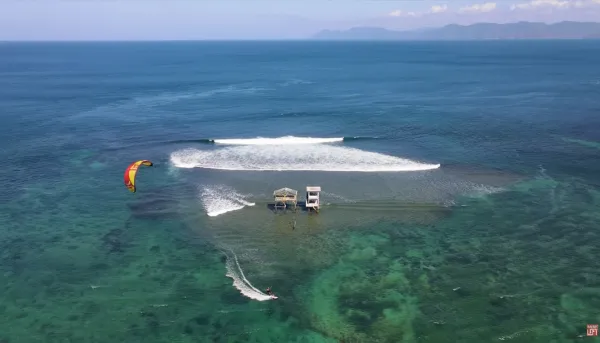
Kaliantan on Lombok reliably delivers the kind of flat-water sessions that let you build tricks, dial in transitions, and enjoy long freeride laps without wrestling with heavy surf.
The wind here tends to be on from late morning into the afternoon, usually easing as the light drops, so expect to set up mid-morning, take a solid afternoon block of riding, then relax as the sun goes down. The prevailing breeze comes from the east through southeast with occasional south or SSE/SSW tendencies, which gives a comfortable side to side-onshore angle in the main lagoon sections. That angle is forgiving for most riders but still requires respect for drift toward the beach; I always watch my drift line and plan landings a little earlier than I might on a pure side-shore spot.
The main season is roughly May to August with the strongest months usually July, August and September, and local reports often quote wind probabilities that are extremely high in the peak window. Expect typical wind strengths in the 15 to 25 knot range during the season; in practical terms most riders run 8 to 12 metre kites depending on weight and board choice.
On a day-by-day level the breeze commonly builds through the late morning and stabilizes into the afternoon, so timing is simple: get there early for setup, keep sessions to mid-afternoon for the best power, and be mindful that tide will change how much sandbar and shallow water you have to play with. The water is warm year-round so boardshorts or a shorty will be fine for many; I carry a wetsuit top for longer sessions or windy, overcast days.
The lagoon is sand-bottomed and shallow in places, which makes body dragging and shallow water starts far less intimidating than stepping out over coral. That sandy bottom also means the spot reads like flat water for cruising and practicing transitions rather than a wave-oriented destination, so it becomes a favorite for freeride and foil-style sessions. If you want to work on kiteloops, board-offs, or foil laps, Kaliantan rewards repetition because you can set lines and repeat moves without constant chop interruptions.
The beach is sandy which simplifies launches and landings, and local launch zones shift a little with the tide and sand movement, so I always check from shore before putting on the harness and ask a local or the camp crew where the cleanest launch area is that day. Gear-wise, bring medium-sized kites in the 8 to 12 metre range, a freeride or freeride-freestyle board, and a foil setup if you plan to explore hydrofoiling; in lighter pockets outside peak months you may want a larger kite but during May to September the medium sizes cover most riders.
The spot is not a big-air playground or a wakestyle park; instead it rewards long sessions, technical refinement, and the kind of laps where you can really work on technique.
Crowd levels are seasonal: during the peak months you will share the lagoon with visiting kiters and local schools, so maintain clear communication on launch and avoid crowded parts of the lagoon during the busiest hours. Access is straightforward by road from Kuta Lombok and surrounding south coast bases, and many riders use local kite camps for transfers, storage, and up-to-date local knowledge. I always recommend spending multiple days in the area rather than treating the spot as a single stop: that increases your chance of scoring steady wind and lets you time sessions to the tides, which change the riding area significantly.
Kaliantan rewards riders who come prepared, respect local etiquette, and want consistent flat-water conditions for progression and fun rather than chasing surf or big wave lines.
Something missing or out of date at this spot? Suggest a correction
Kaliantan is best suited for
Spot profile
Travel spot
The typical kite travel destination, it is known for its great conditions, and kiters from around the world come here for their vacations.
Family spot
Located in an area that offers amenities for all the family and can provide good alternatives for everyone when the kiters are in the water.
Local spot
Maybe not be worth a real journey to reach this spot, but great if you live close by and it is a windy day. In the end, being out on the water feels great anywhere
Equipment
Plan on a freeride-focused quiver. Main-season kites typically sit in the 8 to 12 metre band for most riders; lighter riders can lean smaller on strong days and heavier riders might want a 12 to 14 metre for light wind days outside the core months. Bring both a twin-tip freeride board and a foil if you enjoy hydrofoiling, since the shallow sandbanks and smooth stretches make long foil laps rewarding. A wetsuit is usually unnecessary in the warm water, but a light shorty or wetsuit top is comfortable for long sessions or breezy overcast afternoons. Bring a board leash for foiling and consider a waist harness with a hook that you prefer for freeride sessions. Footwear is not normally required because the bottom is sandy, but surf shoes or light protective footwear can be useful if you expect to walk over shifting sandbanks or discover any sharp shells at low tide. A compact pump, spare valves, a kite repair kit, and a line cutter on your harness are smart extras to carry. If you plan to rent locally, confirm the brand and safety gear beforehand and check the condition of bars, lines and chicken loops before heading out.
Wind Conditions
Main wind directions at Kaliantan
Windy days per month in Kaliantan
Wind Speed Range
From 15 to 25 Knots
Suggested sizes
8 - 9 mt
10 - 11 mt
12 - 13 mt
Forecast on Windy.com
Kitesurfing Safety & Local Rules at Kaliantan
Kaliantan has a straightforward danger profile if you know what to look for, and the hazards are mostly linked to depth changes, drift, and occasional crowding.
The lagoon moves with the tide and sandbars can reveal shallow patches that will grab a board or make a waterstart awkward if you drop in without checking the depth. I always do a quick wade inspection along the launch edge to find the cleanest water depth for my preferred board and to mark any shallow shoals. Side to side-onshore wind is comfortable to ride but increases the need to manage downwind drift; on stronger afternoons you can find yourself pushed toward the beach or into tighter lagoon areas, so plan your drift line and keep your landing approach well inside a predictable zone.
Launching and landing during busy windows is the other main risk: when schools and visiting kiters are active at the same time, launch space becomes limited and people make defensive moves. Use a clear launch routine, call your launches loudly and early, and offer to help others land if needed.
Though Kaliantan is less reefy than many spots around Indonesia, isolated coral or rocks can still appear near channel edges or at low tide, so keep an eye out when venturing toward the outer sections of the lagoon. Equipment failure in a shallow, tidal lagoon can be awkward; a snapped line or a blown bladder requires calm decisions about retrieving gear without putting yourself or others at risk.
Carry a line cutter, a small repair kit, and consider wearing a PFD if you plan extended downwind runs or foiling sessions. Respect local etiquette: ask where schools prefer to teach, avoid riding through lessons, and use local helpers for launches if they are offered. Finally, medical help is not on the lagoon; basic first aid knowledge and a kit in your vehicle or camp is practical because transport to clinics requires a drive, especially outside Kuta Lombok.
Location
Closest City
Kuta Lombok
How to get There
Most visitors fly into Lombok International Airport and continue by road to the southern part of the island; from there the usual approach is by car or driver transfer to the south coast and then a short local run to the lagoon. Book transfers ahead during the season and check tide times for the best launch windows.
Access
The spot is generally reachable by public road access to the south Lombok coast and riders commonly arrive via car or transfer from their accommodation. There is no private-only restriction noted for the beach itself, though many visitors use local camps or organized transport for convenience and storage. Expect a short road run from Kuta Lombok and plan extra time in busy season or for tide-influenced launch windows.
No-Wind Days: What to Do Around Kaliantan
I treat Kaliantan as a multi-day stop on any Lombok trip because the wind patterns and local logistics reward staying put for several sessions rather than one quick go. Base yourself in Kuta Lombok or one of the small south-coast villages for easy transfers and better access to food, supplies and transport options.
Many kite camps operate driver schedules and will pick you up from your guesthouse, store gear securely, and provide daily local wind briefings; that alone can save time and stress when you want to maximize water time. Renting a scooter is possible for experienced drivers, but be realistic about gear transport and road conditions; a rented car or prearranged driver is usually more comfortable when carrying boards and multiple kites. Bank and ATM options are concentrated in Kuta Lombok, so bring sufficient cash for local warungs, transfers and small repairs when you arrive.
The area supports a relaxed, low-key tourism infrastructure: small hotels, simple guesthouses, and a handful of kite camps that offer varying degrees of services from self-catering to full transfers and meals. I recommend booking accommodation with secure gear storage if you plan to leave boards unattended between sessions.
Food is a highlight in the local sense: warungs serve consistent Indonesian staples, and there are a few cafés and small restaurants in Kuta Lombok where you can grab breakfast, repair-friendly lunches, and a decent post-session meal. If you need a more diverse selection of dining or shops, Kuta is the practical base for errands beyond the basic supplies. For non-kiters traveling with you, the south coast has other small-scale attractions to fill windless hours: short drives to lookouts, calm bays for swimming, simple surf breaks for watching pros, and coastal roads that are enjoyable to explore.
Day trips off the island or boat tours are available from local operators and can be organized through camps or guesthouses. On the practical side, carry a basic toolkit, pump and spare parts because local repair options exist but are limited compared with larger islands.
Check your travel insurance covers watersports and international evacuation if you plan more committed sessions or foiling. Phone coverage is generally okay around populated areas but can be patchy at more remote beach access points, so download any necessary maps and tide charts ahead of time.
Timing sessions to the daily wind pulse and tide makes the difference between a so-so hour and a quality afternoon: aim for the late morning ramp and be ready for strong, steady afternoons during the core months. Learn a few local contacts for transport and launch assistance and exchange the same courtesy when others need help.
Treat the lagoon like a training ground where patience and local knowledge pay off; by giving time to check tide lines, ask locals about channel shifts, and spread out session times across a multi-day stay, you get the most consistent, enjoyable riding that Kaliantan reliably provides.
Other kitesurfing spots near Kaliantan

All kitesurfing spots in Indonesia
Last updated: