
Kitesurfing in Lakey Peak
Dompu · Indonesia
- Spot type Wave
- Rider level expert
- Water Dark - Clear
- Beach Sand
- Crowd Seasonal crowd
- Tide effect Conditions vary
Kitesurfing in Lakey Peak: Conditions, Wind & Season
This place runs on swell, timing and a trader wind that comes to life on its own schedule. This description is written from the perspective of a someone who treats Lakey as a focused wave mission rather than a casual beach kite stop.
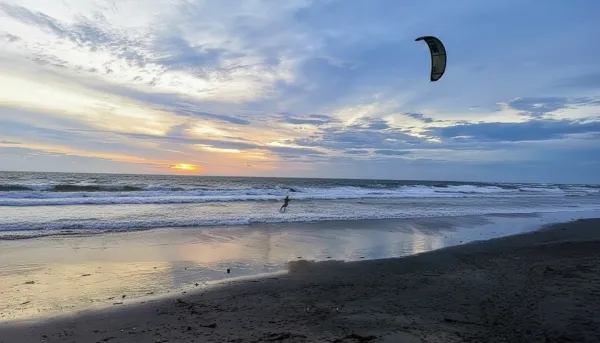
Lakey Peak is a surf-first location on Sumbawa’s south coast where kiting is layered on top of a real surf culture. The waves are long-period Indian Ocean energy and the trade winds arrive seasonally, strongest from late July through October, with August and September typically the heaviest wind months by local reports. Those months give you the most consistent 13 to 25-knot range, but the wind still flickers day-to-day: you can wake to glassy, low-wind mornings and have a clean, surf-shaped session, then see the breezes build into the mid-teens by late morning and carry on through the afternoon. That daily rhythm is part of the spot’s character — plan sessions around tide windows and early/late wind shifts if you want better shape and safer takeoffs.
The launch is sandy, which makes getting on and off the water easier than many reef-dominated Indonesian breaks, but don’t mistake the sand for a soft playground. The actual lineup sits on real surf peaks and the break can throw moving sets and strong directional pushes. E and ESE winds are generally the most favorable for the wave faces here; an offshore-easterly component at the peak often creates cleaner walls, whereas a strong south-easterly can make the peak punchier and pushier. On average you’ll want to plan with smaller kites once the trades fill in: local quiver suggestions commonly list 7/10 or 8/11 depending on rider weight and style. Bring a backup small kite and a mid-sized one for variability. The water is warm year-round so a full wetsuit is unnecessary; a shorty or rash vest and strong sun protection are standard. I always travel with spare lines, a good pump, and a repair kit because there’s no guarantee you’ll find immediate repairs in the village.
Lakey draws surfers first and kiters second, so be mindful of surf etiquette and expect the lineup to be shared on busy days. Crowds concentrate on swell days and during peak wind windows, so early morning sessions before the wind pumps can offer quieter faces, while mid to late morning sees the wind strengthen and more riders launching. Tide is a big variable: different tide levels change the look of the peak and where the safe launch zone sits. Low tide can expose more break geometry and make some sections punchier; higher tides generally soften takeoff zones but can also shift currents. Read the local tide charts and ask around at the guesthouses before you rig.
Equipment choice is practical: directional boards and surf-style twintips are your bread and butter here. Freestyle tricks and wakestyle rails are not the aim — you want shapes that hold the wave face and let you link turns. Hydrofoiling is limited unless conditions are very glassy and the wind is light; the usual Lakey game is wave riding and freeride in open water. The seabed is deep sand which helps for safer launches compared with reef takeoffs, still respect the surf sets and the fact that you are in a real ocean break. Boat access is not a typical part of day-to-day kiting here; most launching and parking is from shore.
Logistics: fly into one of the regional Sumbawa airports or into nearby larger hubs and plan a road transfer. Bima and Dompu are the usual gateways depending on schedules. Accommodation is low-key surf town style — guesthouses, warungs and local services rather than high-end resorts. Pack spare gear and parts and check local rental availability before you arrive. Respect local rhythms: early surf sessions, pause in the heat, and then the trade-wind window later in the morning through afternoon — that’s the tempo most riders live by at Lakey.
Something missing or out of date at this spot? Suggest a correction
Lakey Peak is best suited for
Spot profile
Travel spot
The typical kite travel destination, it is known for its great conditions, and kiters from around the world come here for their vacations.
Equipment
Use a surf-oriented board or a directional/freeride setup for wave work; freestyle boards are not the main tool here. A shorty or rash vest is usually enough since water is warm; no heavy wetsuit required.
Wind Conditions
Main wind directions at Lakey Peak
Windy days per month in Lakey Peak
Wind Speed Range
From 12 to 20 Knots
Suggested sizes
Forecast on Windy.com
Kitesurfing Safety & Local Rules at Lakey Peak
The primary dangers at Lakey Peak revolve around surf energy and wind behavior that can change quickly. This is not a learning lagoon: you are launching from sand into a surf zone that produces moving sets and powerful waves. That means you need to be confident handling your kite and board in breaking waves and be able to self-rescue in surf conditions. Offshore and cross-offshore components that make the faces rideable can also complicate downwind recoveries if you get pushed off the peak. Stronger-than-expected wind surges are common once the trades kick in, which is why the recommendation to carry small kites is practical safety advice as much as performance planning. Current and rip behavior can vary with tide; low tide can create stronger rips and punchier waves near the takeoff. Even though the seabed is mostly deep sand, the wave impact zones can create forceful surface conditions that are unforgiving during wipeouts and when you find yourself near the peak during a set.
Crowding from surfers and visiting riders is another hazard to factor in on busy days. Respect surf priority and choose launch times and zones that reduce the risk of collision with surfers on waves. Launching and landing need to be done with local awareness — when the wind is onshore or very sideshore the shoreline becomes a hazard area. Equipment failure in these conditions is higher risk: broken lines or blown kites can be dangerous when you are in a surf lineup, so carry redundancy and inspect gear carefully before each session. Medical response is limited; the closest substantial medical facilities are in larger towns off-island or in regional centers, so plan your trip with realistic safety margins. Finally, local knowledge matters: talk to guesthouse hosts or surf shops about current tides and peak behavior before you head out so you’re not surprised by set patterns or shifting launch corridors.
Location
Closest City
Dompu
How to get There
Usually fly to a regional airport in Sumbawa or nearby, then continue by road to Lakey Peak. The spot is reached by ground transfer rather than by direct airport-to-beach access, so most visitors plan for a domestic flight plus a drive.
Access
The spot is publicly reachable through the beach and surf-town area around Lakey Peak, with no evidence in the provided sources of a special private access system. Practical access is usually by road after arriving in the Sumbawa region by flight and then transfer to the Lakey area.
No-Wind Days: What to Do Around Lakey Peak
Lakey Peak functions like a surf village that happens to host kite sessions when the wind cooperates, and treating it like a short-stay surf base will improve the whole trip. Accommodation is typically surf-oriented guesthouses and small homestays, and the local rhythm revolves around early morning surf, a pause in the heat, and then winded sessions later in the morning through the afternoon. That rhythm influences daily logistics: breakfast early, check the tide and swell at first light, ask locals about wind direction and expected fill, then plan equipment accordingly. The town services are practical and low-key: warungs for food, simple shops for basic supplies, and a few places that can arrange transfers or local drivers. There are not many dedicated kite centres with large rental fleets, so if you need specific kite sizes or spare gear it’s wise to bring them or coordinate rentals in advance through a known local operator. If you arrive without a small kite in your quiver you may find yourself limited on strong trade-wind days. Spare lines, a pump, and repair materials should be priority items in your luggage.
Local transport options hinge on regional flight schedules. The usual gateways are Bima and Dompu; which one you choose depends on timetables and onward road travel. Road transfers vary in time and quality; some parts of the final leg are rural, so allow buffer time for transfers and possible delays. Bring cash: many small businesses and warungs prefer or only accept cash, and ATMs can be unreliable outside the main towns. Language is largely Indonesian with some local dialects; basic Indonesian phrases and polite interaction go a long way with hosts and shopkeepers. Respect for surf etiquette is vital: surfers are the primary local users of the breaks, and the shared nature of the lineup requires awareness, patience, and deference to experienced locals.
For meals and daily life, expect simple but fresh local food, often seafood and rice-based dishes in warungs. Hydration and sun protection are essential: shade is limited on some beach stretches and the sun is strong. Medical and emergency facilities are limited; basic first-aid and a plan for evacuation to larger towns are recommended for serious incidents. Social life centers on the water and the small community of visiting riders and surfers; evenings are relaxed, with gear talk, tide checks and swap stories rather than nightlife. For multi-day stays you can plan around swell windows and wind patterns, chasing the best tide/wind combos. Finally, come prepared for island-time logistics: bring parts, respect local customs, check the wind each morning and talk to locals before heading out. Lakey rewards careful planning, small quivers and respect for surf dynamics, and the travel side of the trip—long transfers, modest comforts and a strong surf culture—is part of what makes a week or two here a focused, skill-building experience.
Other kitesurfing spots near Lakey Peak

All kitesurfing spots in Indonesia
Last updated: