
Kitesurfing in Mecufi
Pemba · Mozambique
- Spot type Wave
- Rider level intermediate
- Water Crystal Clear
- Beach Sand
- Crowd No people
- Tide effect None
Kitesurfing in Mecufi: Conditions, Wind & Season
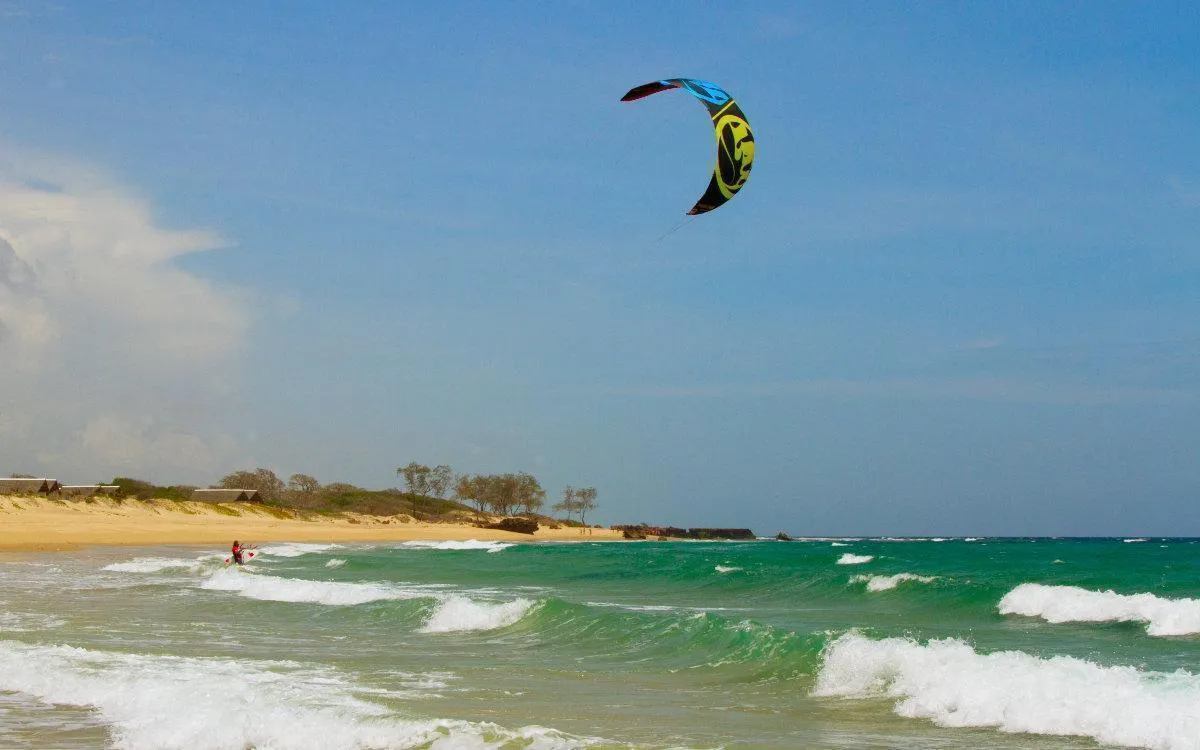
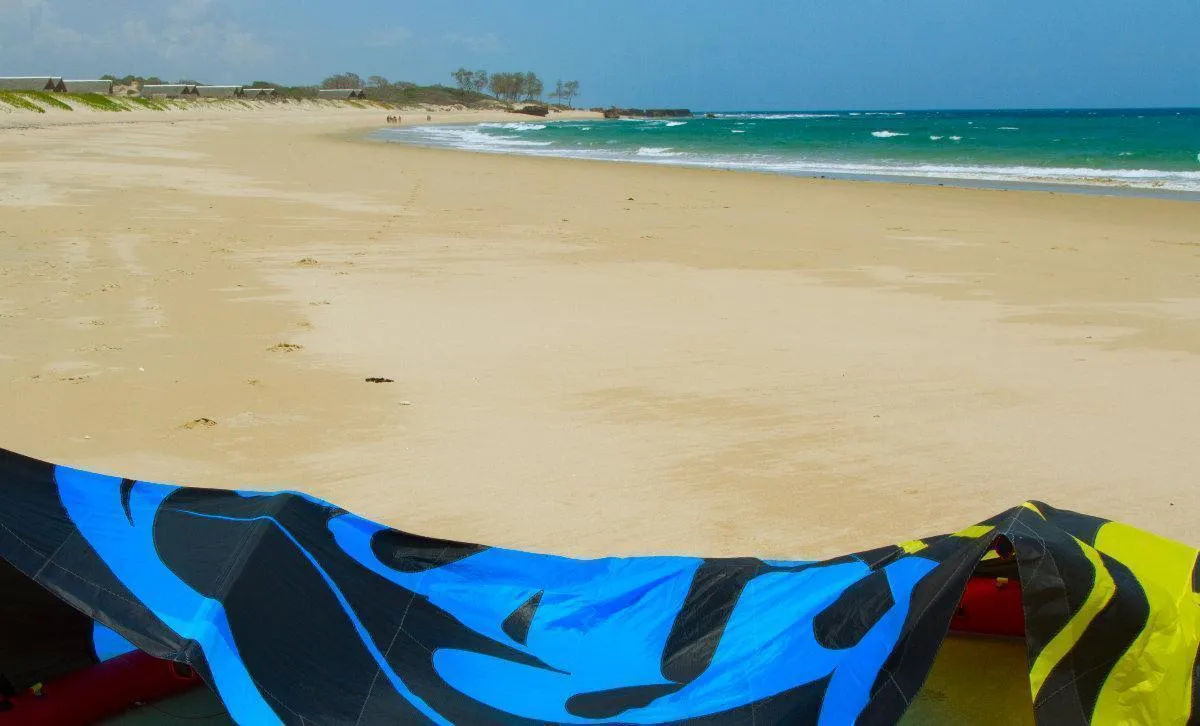
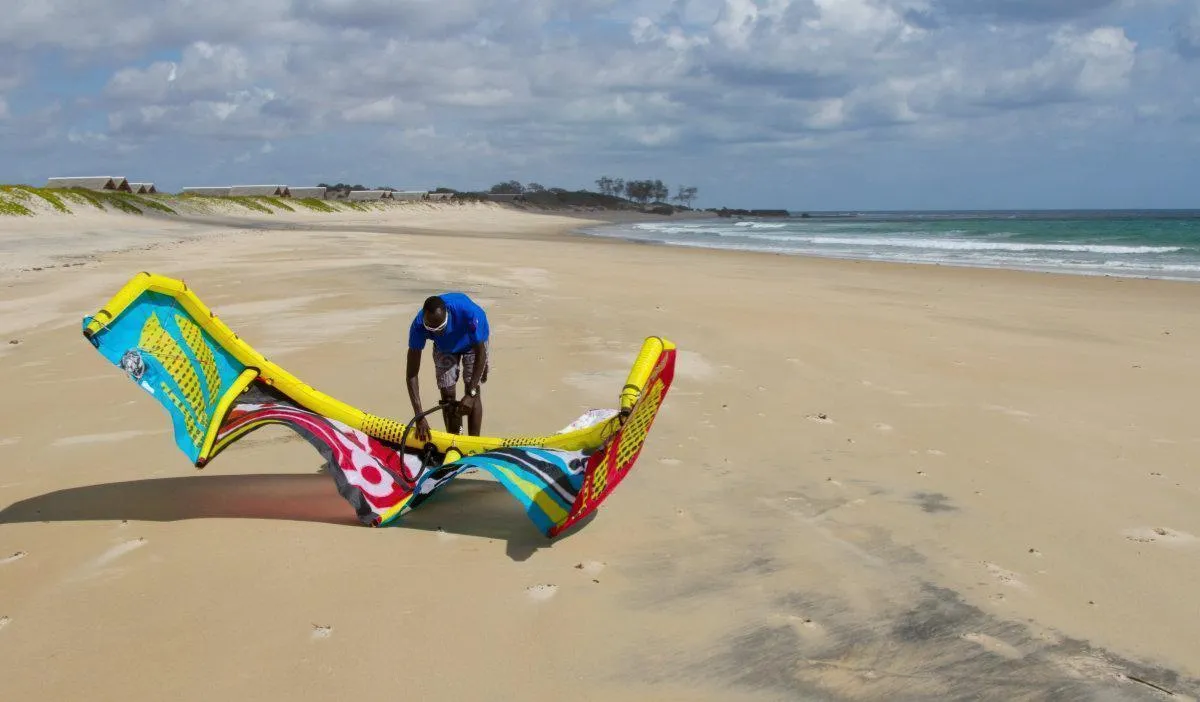
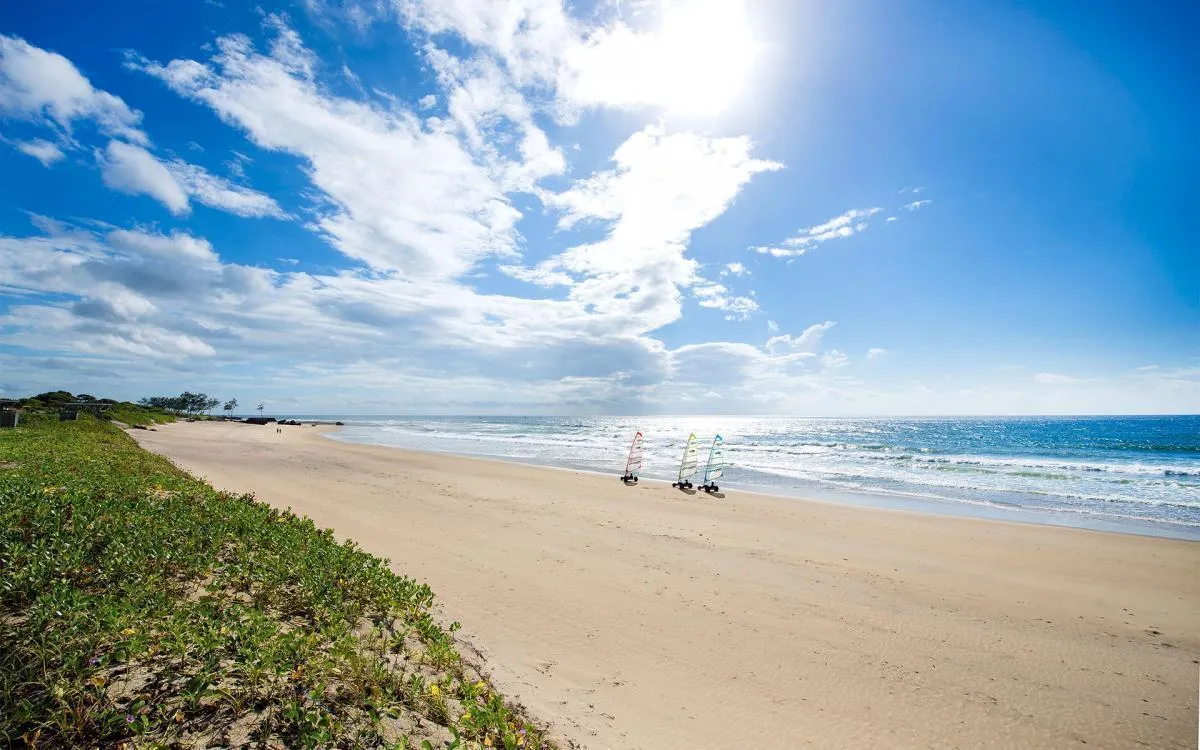
Mecufi Beach, on the Indian Ocean coast of Cabo Delgado in northern Mozambique, is an outstanding destination for riders looking for wave kitesurfing in Mozambique. Located near Mecúfi, south of Pemba, the spot combines warm turquoise water with a long, wide and largely undeveloped shoreline, providing generous space for preparing equipment, launching and landing. Compared with more established kitesurfing destinations in southern Africa, Mecufi retains a remote and uncrowded atmosphere that makes sessions here feel particularly special.
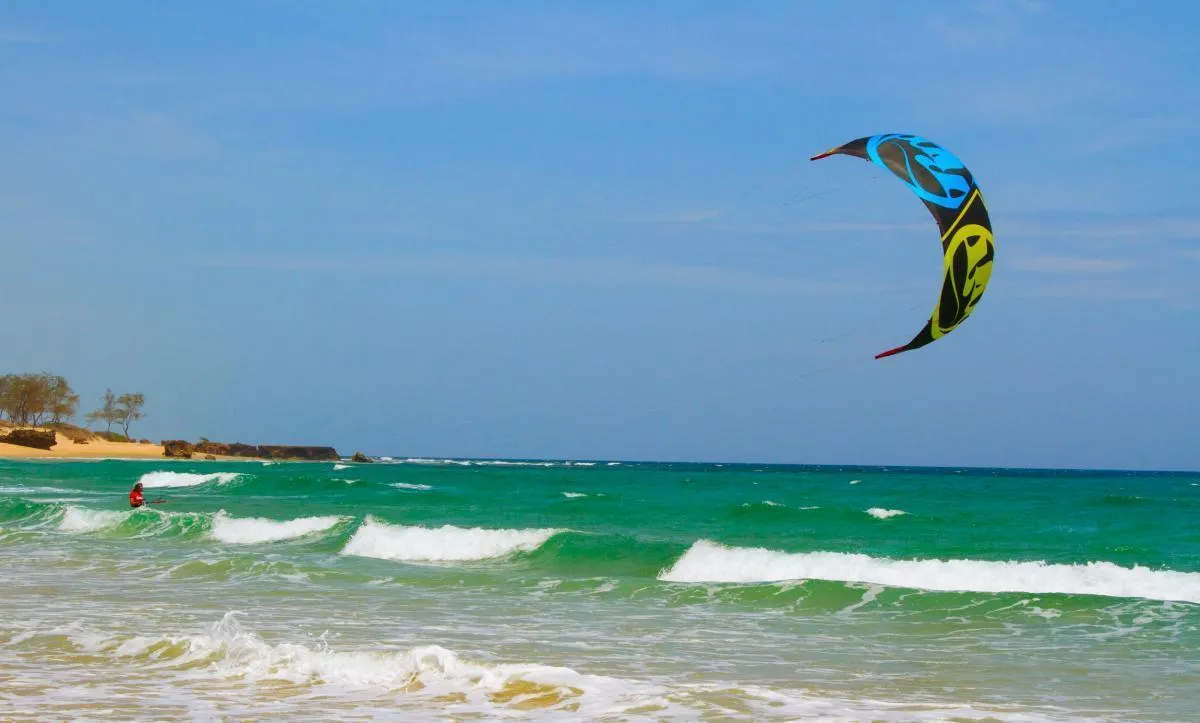
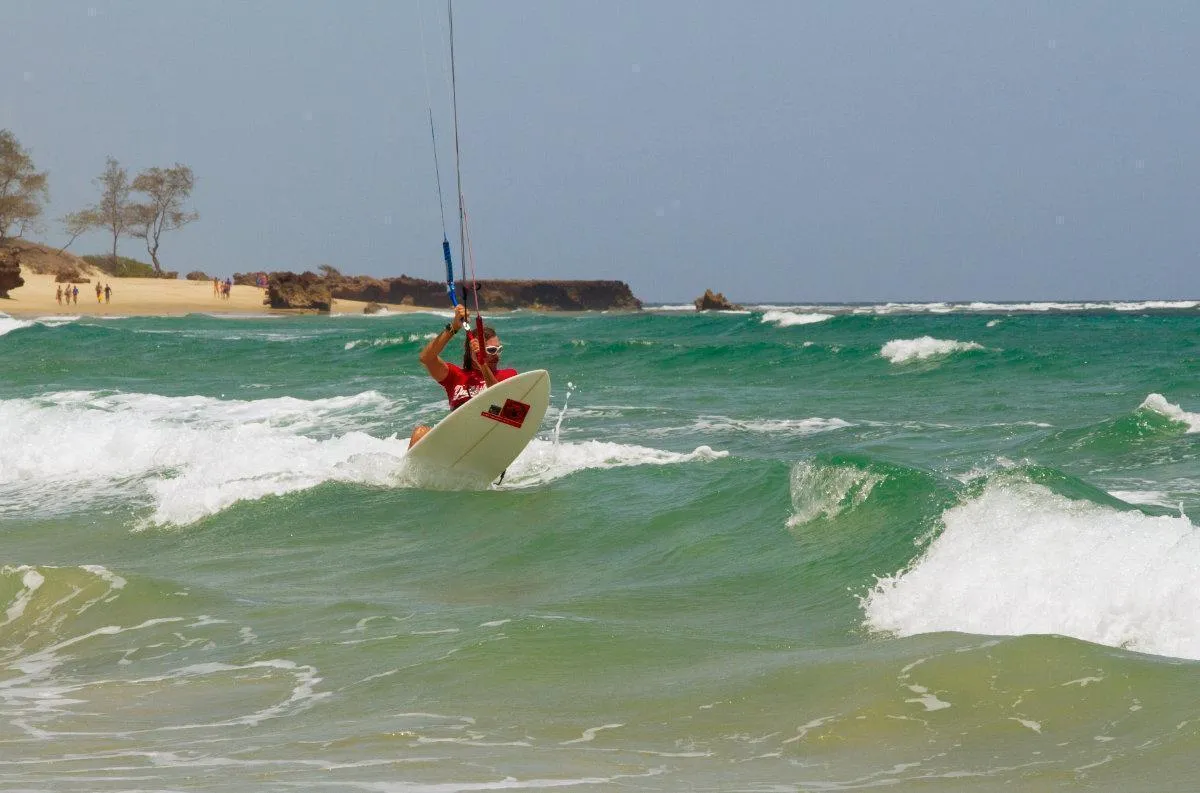
The main attraction is the quality of the waves. On good days, sets can reach around two metres and produce long, rideable sections along the coast, creating excellent conditions for directional boards and wave riding. The extensive beach allows riders to follow the waves without immediately running out of space, while the open Indian Ocean exposure means conditions can range from smaller, forgiving surf to considerably more powerful waves when swell and wind combine. Even when the swell is less pronounced, Mecufi can still provide enjoyable freeride conditions rather than being exclusively a dedicated wave spot.
Northern Mozambique benefits from trade-wind patterns that can provide regular kitesurfing conditions during the drier part of the year. Wind strength and sea state vary throughout the season, so riders should expect conditions to change between relatively smooth freeride sessions and more demanding days with stronger wind, larger swell and significant shorebreak. Experienced wave riders will get the most from Mecufi when the swell is running, while intermediate riders can enjoy the spot when conditions are smaller and more manageable.
The sheer amount of space is one of Mecufi's greatest advantages. Unlike busy European kite beaches, there is usually little pressure around the launching area and plenty of room both on land and on the water. However, its remote character also means riders should be considerably more self-sufficient. Local rescue infrastructure and kite services can be limited, so checking conditions carefully, riding with others and carrying appropriate equipment are particularly important. Reef, currents, changing tides and shorebreak should also be assessed before entering unfamiliar sections of the water.
Pemba is the nearest recognisable city and the main gateway for travellers exploring this part of Cabo Delgado and the northern Mozambican coast. The region is known for tropical beaches, coral reefs and the warm waters of the Indian Ocean, giving visitors opportunities for snorkeling, diving and exploring the coastline when there is no wind. For experienced riders searching for less-developed kite spots in East Africa, Mecufi offers a compelling combination of open space, tropical scenery and genuine wave-riding potential, making it one of the more interesting locations for wave kitesurfing in northern Mozambique.
Something missing or out of date at this spot? Suggest a correction
Spot Gallery (7)
Mecufi is best suited for
Spot profile
Adventure spot
That dream place out of the normal touristic routes. Once you reach it, you feel in paradise, it can be anything extraordinary, a hidden gem, remote and fascinating.
Family spot
Located in an area that offers amenities for all the family and can provide good alternatives for everyone when the kiters are in the water.
Equipment
Lycra and in colder months (June, July) a shorty can be a good help to keep extra warm, though not necessary.
Wind Conditions
Main wind directions at Mecufi
Windy days per month in Mecufi
Wind Speed Range
From 10 to 30 Knots
Suggested sizes
8 - 9 mt
10 - 11 mt
12 - 13 mt
Forecast on Windy.com
Kitesurfing Safety & Local Rules at Mecufi
The main hazards at Mecufi are the rocky areas located toward both ends of the beach. Riders should avoid getting too close to these sections, particularly when riding waves or in stronger conditions where maintaining an exact position can become more difficult. The central part of the beach provides considerably more space and a predominantly sandy bottom, making it the safest area for launching, landing and riding.
When the swell increases, waves can reach around two metres and produce stronger shorebreak and currents. Riders should maintain enough distance from the rocks to allow for mistakes, equipment problems or an unexpected change in wind strength. Less experienced kiters should avoid the larger wave days and stay within the wide central section of the spot.
Mecufi is also relatively remote, with limited kite-specific infrastructure and rescue support compared with established kite destinations. Ride with others whenever possible, be comfortable with self-rescue and avoid going unnecessarily far offshore. Checking the tide, swell and local conditions before entering the water is particularly important at an isolated ocean spot like this.
Location
Closest City
Pemba
How to get There
The closest airport is in Pemba. From there you need to drive south on the only coast dirt road for about 25-30 km, passing Murrebue village, before reaching Mecufi municipality.
Access
The easiest access is through the Mecufi Diamond resort. A daily fee can be applied, but will include pool access and the resort offers restaurant and bar service.
No-Wind Days: What to Do Around Mecufi
Mecufi is a very different proposition from a typical kitesurfing holiday destination. This remote stretch of the Cabo Delgado coast in northern Mozambique has little in the way of conventional tourist infrastructure, but that isolation is also part of its appeal. For a kitesurfing trip with non-kiters, the experience is centred on deserted beaches, warm Indian Ocean water, mangroves and exploring the surrounding landscape rather than shopping, nightlife or organised sightseeing. A hire car or arranged transport is particularly useful if you want to explore beyond the immediate beach.
On a calm day, there is plenty to do without travelling far. At low tide, the broad shoreline reveals tidal pools and marine life, making a long beach walk one of the simplest ways to explore the coast. The nearby river and mangrove forest can also be explored by kayak, while cycling and horse riding provide ways to discover the surrounding beaches, baobab trees and countryside from land. The activities around Mequfi Beach include guided beach walks, kayaking through the mangroves, cycling and horse riding, all of which work particularly well when the wind is too light for kitesurfing.
The Indian Ocean remains the main attraction even without a kite. Calm conditions are ideal for snorkelling, and the reefs along this part of Mozambique support colourful tropical fish and other marine life. Diving excursions can also be arranged around Pemba Bay and nearby reefs, while deep-sea fishing and boat trips provide alternatives for anyone wanting to spend the day offshore. Depending on the season, whale-watching excursions may also be possible. These activities make Mecufi much easier to share with a non-kiting partner who still enjoys being on or around the ocean.
For a glimpse of everyday life away from the resort, Mecufi village lies only a few kilometres inland. Visits can include the local handicraft market and fruit market beneath the village's large mango tree. This is a very different experience from visiting a purpose-built tourist attraction and should be approached respectfully, remembering that this is a living community rather than an exhibit. Locally organised visits are the better option if you want to learn something about the area rather than simply passing through.
For a bigger excursion, head north towards Pemba. The provincial capital sits around a huge natural bay and is the main urban centre in Cabo Delgado, offering markets, local handicrafts, restaurants and beaches. It is also the logical starting point for diving, fishing and other marine excursions. A day in Pemba provides a useful contrast to Mecufi's isolation and is also the place to stock up on anything that is difficult to find around the kite spot.
More adventurous travellers with additional time may be tempted by the Quirimbas National Park, although this should be treated as a separate excursion rather than a casual no-wind-day trip from Mecufi. The protected area extends across roughly 7,500 square kilometres of northern Cabo Delgado and includes islands, coral reefs, mangroves and extensive terrestrial habitats. Activities include snorkelling, diving, canoeing and boat trips, while historic Ibo Island contains architecture dating back centuries. Because of the distances involved and the remoteness of the region, travel arrangements and current local conditions should always be checked before setting out.
For anyone planning a kite trip to northern Mozambique and wondering what else there is to do, Mecufi is ultimately about embracing the remoteness rather than escaping it. A windless day can mean kayaking through mangroves, snorkelling over a reef, riding a horse along an almost empty beach or simply walking the shoreline at low tide. That slower rhythm makes Mecufi especially rewarding for couples and small groups who value nature and isolation, although a non-kiting partner expecting the restaurants, shops and sightseeing of a mainstream beach resort may find the location considerably more limited.
Other kitesurfing spots near Mecufi
All kitesurfing spots in Mozambique
Last updated: