
Kitesurfing in Cooks Beach
Whitianga · New Zealand
- Spot type Flat
- Rider level beginner
- Water Dark - Clear
- Beach Sand
- Crowd Seasonal crowd
- Tide effect Conditions vary
Kitesurfing in Cooks Beach: Conditions, Wind & Season
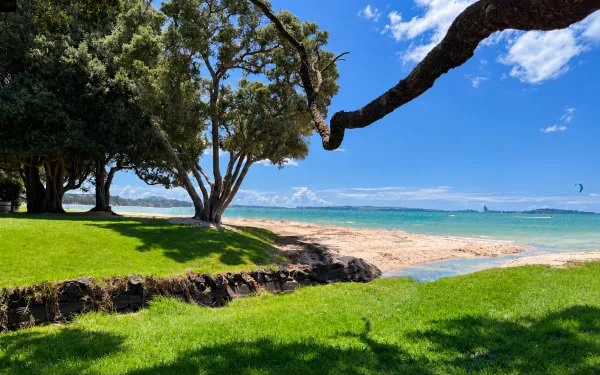
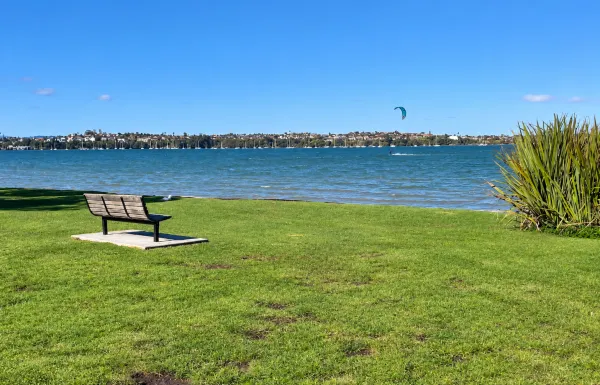
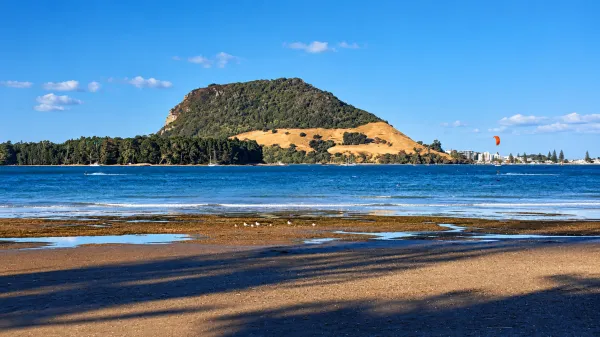
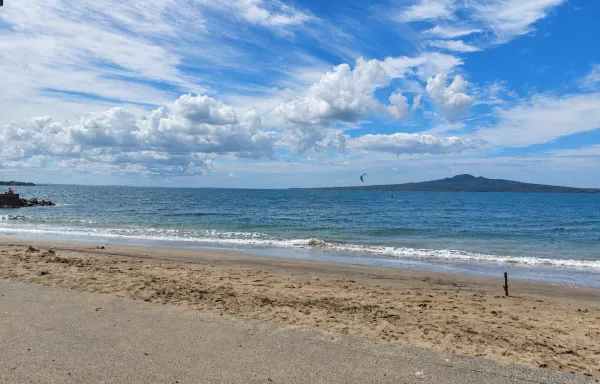
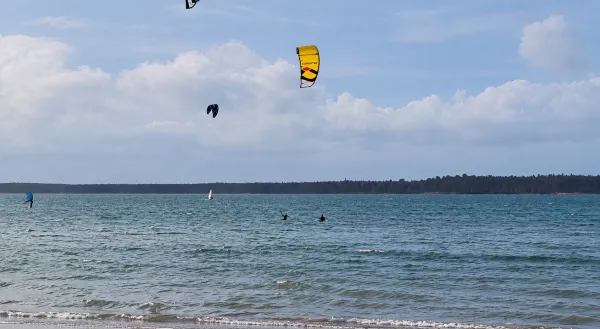
Cooks Beach is a scenic kitesurfing location on the eastern coast of New Zealand's Coromandel Peninsula, stretching for approximately three kilometres along the southern side of Mercury Bay, near Whitianga. This long, sandy beach offers relatively sheltered water, gentle chop and occasional flat-water conditions, making it an appealing option for relaxed freeriding and progression sessions. Unlike the more exposed surf beaches of the Coromandel coast, Cooks Beach benefits from the protection of Mercury Bay, which reduces the impact of large ocean swell. The nearby Purangi Estuary adds another sheltered environment, although tidal currents and boating activity require additional caution.
Kitesurfing conditions at Cooks Beach are generally most comfortable during the warmer months, particularly from November to March, when local sea breezes can provide opportunities for lighter-wind sessions. The beach's curved shoreline means that wind direction and quality vary along its length, with some sections receiving cleaner airflow while others experience more sheltered or turbulent conditions. Northerly and easterly wind components can provide useful exposure across Mercury Bay, depending on the exact launching position, while other directions may be less suitable or produce offshore winds. Wind strength is often moderate rather than consistently powerful, so checking the local forecast and selecting an appropriate section of beach are essential for a successful session.
Water conditions are predominantly flat to lightly choppy, with short wind-generated waves developing when stronger breezes blow across the bay. The sheltered setting limits significant ocean swell, making Cooks Beach better suited to freeriding, practising transitions and improving upwind technique than traditional wave riding. The sandy seabed provides relatively forgiving conditions close to shore, although water depth increases farther into Mercury Bay. Near the southern end, the Purangi Estuary can offer smoother, shallower water in suitable conditions, but its channels, changing depths and tidal currents make it a more complicated riding environment than the calm appearance might suggest. Riders should assess the estuary separately from the main beach before entering the water.
The main beach offers an extensive sandy shoreline with several potential areas for preparing equipment and launching. However, the usable beach width changes with the tide, and summer holiday activity can significantly reduce the space available for safe kite handling. At lower tides, more sand may be exposed, providing additional room for rigging, while higher water levels can narrow the launching area. The southern end near the Purangi Estuary and boat ramp requires particular care because of vessel movements, tidal channels and other recreational users. Riders should select an open section with sufficient clearance and avoid launching near swimmers, beach access paths or congested areas.
Access to Cooks Beach is straightforward by road from the surrounding Coromandel Peninsula, with parking available at several points near the beachfront. The beach can also be reached from Whitianga using the passenger ferry to Ferry Landing, followed by onward road transport. Equipment can generally be carried a short distance from parking areas to the sand, although the most suitable launching location depends on wind direction, tide and beach activity. As Cooks Beach is primarily a recreational swimming beach rather than a dedicated kitesurfing area, riders should check local restrictions and respect any designated swimming or boating zones before setting up.
Cooks Beach is most suitable for intermediate kitesurfers seeking relaxed freeriding in moderate winds, although experienced riders may also enjoy lighter-wind cruising and basic freestyle. The relatively gentle water conditions can be attractive for learning, but independent beginners should not assume that the beach is automatically safe, particularly near the estuary or during busy holiday periods. A freeride twin-tip board is a versatile choice, while larger kites may be useful during lighter summer breezes, depending on rider weight and wind strength. A 3/2 mm wetsuit is generally suitable during warmer months, with a 4/3 mm wetsuit offering additional protection during cooler periods.
The main hazards include changing wind angles, tidal currents near the Purangi Estuary, boat traffic and the presence of swimmers and other beach users. Although Mercury Bay is relatively sheltered from large ocean swell, stronger weather systems can generate more substantial chop and occasional shorebreak. The estuary entrance deserves particular attention because currents can strengthen with the tide, while shallow banks and channels may shift over time. Offshore winds should be avoided, especially by less experienced riders, and launching should only be attempted where sufficient space is available to maintain safe separation from people and obstacles.
Cooks Beach offers a relaxed kitesurfing experience along one of the Coromandel Peninsula's most attractive stretches of coastline. Its long sandy shoreline, sheltered Mercury Bay waters and seasonal sea-breeze opportunities make it appealing for freeriding and progression rather than demanding wave sessions or powered freestyle. While wind consistency can be variable and the popular beachfront requires considerate use of space, Cooks Beach remains an enjoyable option for capable riders seeking manageable conditions and scenic coastal kitesurfing near Whitianga.
Something missing or out of date at this spot? Suggest a correction
Cooks Beach is best suited for
Spot profile
Family spot
Located in an area that offers amenities for all the family and can provide good alternatives for everyone when the kiters are in the water.
Local spot
Maybe not be worth a real journey to reach this spot, but great if you live close by and it is a windy day. In the end, being out on the water feels great anywhere
Equipment
Most riders will want a medium to large kite to work with Cooks Beach's lighter summer winds, typically in the 12m-17m range depending on size and skill. A twin-tip board makes easy work of the flat water, while a foil board is a good choice for the softer wind days or for stretching sessions longer when the breeze gets light. During peak summer, boardshorts or a shorty wetsuit works, but for spring and autumn a full 3/2 or 4/3 wetsuit is recommended due to cooler air and water. Booties are usually unnecessary as the sand is soft and there are few hazards on the bottom. Riders don't need a specific surf setup unless exploring outside the bay proper.
Wind Conditions
Main wind directions at Cooks Beach
Windy days per month in Cooks Beach
Wind Speed Range
From 12 to 22 Knots
Suggested sizes
8 - 9 mt
10 - 11 mt
12 - 13 mt
14 mt and above
Forecast on Windy.com
Kitesurfing Safety & Local Rules at Cooks Beach
The main hazard at Cooks Beach, on New Zealand's Coromandel Peninsula, is the high number of recreational beach users, particularly during summer weekends and holidays. Swimmers, families, sunbathers and kayakers frequently share the shoreline, increasing the risk of collisions or tangled kite lines during launching and landing. The southern end near Purangi Estuary can become especially congested because of the boat ramp, trailer parking and nearby reserve access. Choose a spacious launching area away from busy pedestrian routes, maintain generous clearance from bystanders and avoid launching when beach activity leaves insufficient safety margins.
Boat traffic presents additional risks around the Purangi Estuary entrance and navigation channel. Recreational vessels, kayaks and fishing boats regularly use the area, while moorings, jetties and anchored boats create potential obstacles for riders drifting downwind. Keep clear of boat access routes, respect vessel movements and avoid riding close to harbour infrastructure. Wind conditions can also be variable, with sudden gusts or lulls complicating kite control and potentially making a safe return to shore more difficult. Monitor wind direction carefully and maintain sufficient distance from obstacles and other water users.
Although Cooks Beach generally offers a sandy shoreline and relatively manageable surf conditions, its shared recreational character requires constant awareness. Shorebreak, tidal currents and changing wind strength may occasionally increase the difficulty of launching or returning to the beach. Keep equipment organised, avoid rigging across public access paths and never fly kites near swimming or children's play areas. Check posted notices and any applicable local restrictions before launching, and respect the needs of other beach users. During crowded periods, choosing a quieter section or postponing the session is the safest approach.
Location
Closest City
Whitianga
How to get There
Cooks Beach is south of Whitianga in the Coromandel region. The usual access is by car from State Highway 25, or by passenger ferry from Whitianga across the harbour to Ferry Landing, then continuing toward Cooks Beach. Driving from Auckland to the area is commonly around 2.5 hours to 3 hours depending on traffic and route.
Access
Publicly accessible beach with no entry fee. Access is straightforward by road, and there is also ferry access from Whitianga toward Ferry Landing/Stone Steps Wharf, followed by a short drive or local transfer. The beach and reserve areas are open public spaces, with parking and boat-ramp infrastructure near the Purangi end.
No-Wind Days: What to Do Around Cooks Beach
Located on the beautiful Coromandel Peninsula in New Zealand's Waikato region, Cooks Beach is a relaxed seaside settlement known for its long sandy shoreline, sheltered coastal scenery and welcoming holiday atmosphere. Overlooking Mercury Bay, the area combines peaceful residential streets with easy access to some of the Coromandel's most famous natural attractions. Its family-friendly environment, convenient amenities and proximity to Whitianga make it particularly appealing for non-kiting partners and visitors planning longer stays. During no-wind days, travellers can enjoy swimming, kayaking, coastal walks, scenic viewpoints and excursions to spectacular nearby beaches.
Cooks Beach itself is the main attraction, offering a beautiful stretch of pale sand backed by holiday homes, coastal vegetation and quiet residential neighbourhoods. The beach is ideal for swimming, walking, jogging, beach games and relaxing beside the water. Its relatively sheltered setting makes it popular with families, although conditions can vary with tides, wind and swell. At the southern end, the Purangi Estuary provides a contrasting landscape of tidal channels, sandbanks and peaceful waterways. The nearby reserve offers picnic areas and recreational spaces, making it an enjoyable place to spend a relaxed afternoon with children or friends.
One of the area's most rewarding excursions is Shakespeare Cliff Scenic and Historic Reserve, located between Cooks Beach and Flaxmill Bay. Walking tracks lead to elevated viewpoints offering spectacular panoramas across Mercury Bay, the surrounding coastline and distant islands. The reserve also provides access to Lonely Bay, a beautiful sheltered cove surrounded by cliffs and native vegetation. Its secluded atmosphere and clear water make it particularly attractive for photography, picnics and swimming when conditions are suitable. The combination of coastal scenery and accessible walking trails makes Shakespeare Cliff one of the highlights of a visit to Cooks Beach.
The surrounding Purangi Estuary offers opportunities for kayaking, paddleboarding and birdwatching, particularly during calm weather. Exploring the sheltered waterways provides a different perspective on the coastal landscape, with mangroves, tidal flats and native birdlife creating a peaceful natural environment. Visitors can also enjoy short walks around the estuary margins or discover the small communities scattered along the nearby coastline. Tidal changes are significant, so paddling routes should be planned carefully, and visitors should avoid disturbing sensitive wildlife habitats.
Cooks Beach also has an interesting place in New Zealand's maritime history. The wider Mercury Bay area was visited by Captain James Cook in 1769, when his expedition observed the transit of Mercury across the Sun, giving the bay its European name. Visitors interested in local history can explore heritage information around the area and enjoy the coastal viewpoints associated with this period of exploration. Nearby Ferry Landing and Flaxmill Bay offer additional opportunities for scenic walks, photography and discovering the peninsula's historic coastal settlements.
For a memorable day trip, Cathedral Cove and Hot Water Beach are among the Coromandel Peninsula's most famous attractions. Cathedral Cove is celebrated for its dramatic limestone archway, white sandy beaches and beautiful coastal scenery, while Hot Water Beach is known for the naturally heated water that emerges through the sand at specific locations around low tide. Access to Cathedral Cove can change because of weather, erosion and track conditions, so visitors should check current arrangements before travelling. Both destinations can become busy during summer and holiday periods, making early visits particularly rewarding.
Whitianga, located across the harbour from Ferry Landing, provides a livelier atmosphere with waterfront restaurants, cafés, shops and additional visitor attractions. The short passenger ferry crossing offers convenient access to the town, although reaching Ferry Landing from Cooks Beach requires a separate road journey. Whitianga is an excellent place for dining, shopping or arranging boat excursions around Mercury Bay. Visitors can also explore the town's marina, enjoy its waterfront promenade or discover additional beaches along the surrounding coastline. The wider region offers opportunities for fishing, snorkelling and scenic cruises when weather and sea conditions allow.
Accommodation around Cooks Beach includes holiday parks, self-catering apartments, guesthouses, holiday homes and family-oriented resorts. Many properties are within walking distance of the beach, making the settlement particularly convenient for relaxed holidays. Local shops, cafés and takeaway establishments provide basic supplies and casual dining, while Whitianga offers larger supermarkets and a broader selection of restaurants and services. Cooks Beach is approximately 15–20 minutes by car from Ferry Landing and around 35–45 minutes from Whitianga by road, depending on the route and traffic. A rental car is recommended for exploring the Coromandel Peninsula, particularly when visiting more remote beaches and scenic reserves.
With its beautiful sandy beach, sheltered estuary and easy access to some of the Coromandel's most spectacular attractions, Cooks Beach offers plenty to enjoy beyond kitesurfing. Whether walking above Mercury Bay at Shakespeare Cliff, discovering secluded Lonely Bay, exploring the waterways by kayak or visiting Cathedral Cove and Hot Water Beach, travellers will find an appealing combination of outdoor adventure and peaceful seaside relaxation. Its welcoming atmosphere and variety of activities make Cooks Beach an excellent choice for a family kitesurfing holiday or a longer coastal stay with non-kiting partners.
Other kitesurfing spots near Cooks Beach
All kitesurfing spots in New Zealand
Last updated: