
Kitesurfing in Qurum Beach Muscat
Muscat · Oman
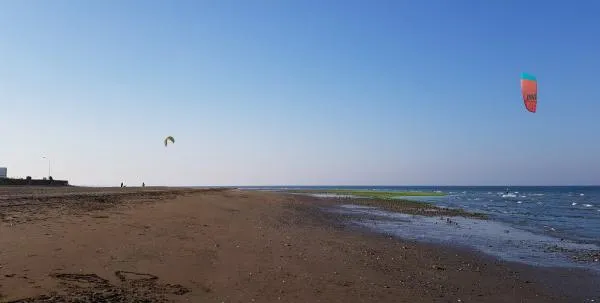
- Spot type Chop
- Rider level beginner
- Water Crystal Clear
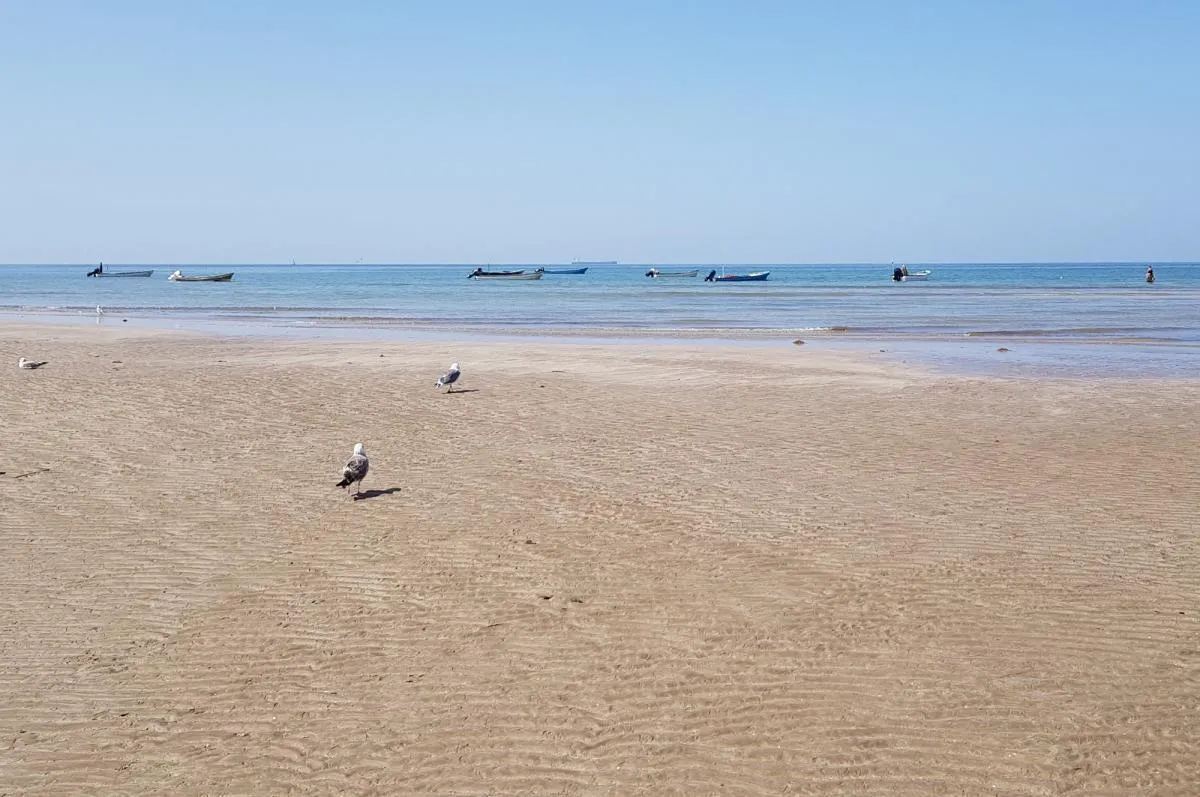
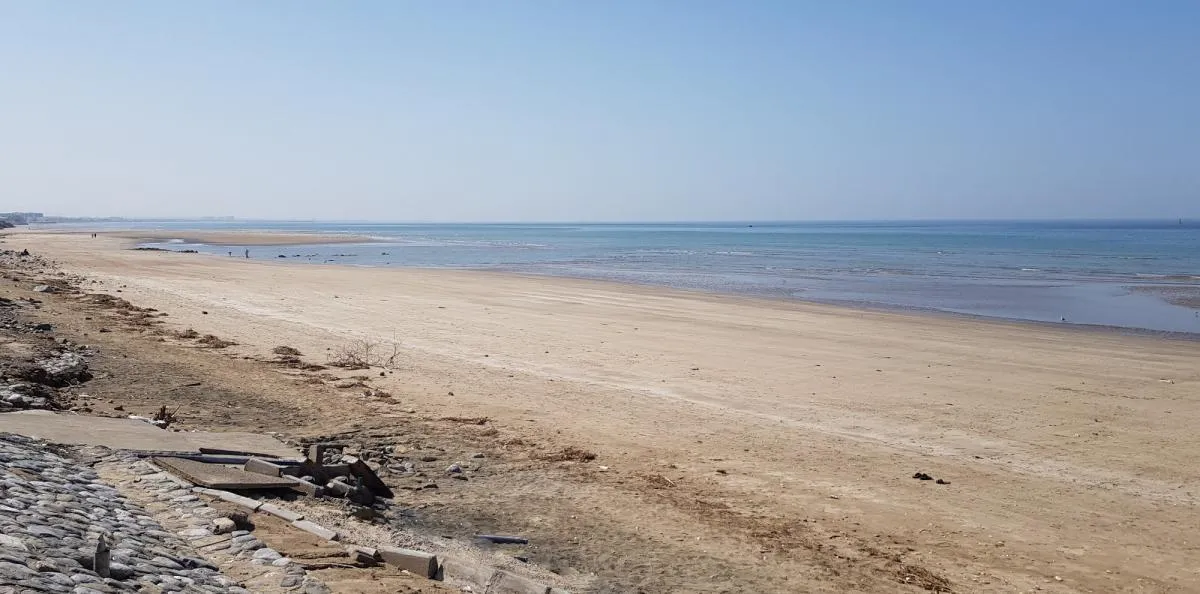
- Beach Sand
- Crowd Some bystanders
- Tide effect Conditions vary
Kitesurfing in Qurum Beach Muscat: Conditions, Wind & Season
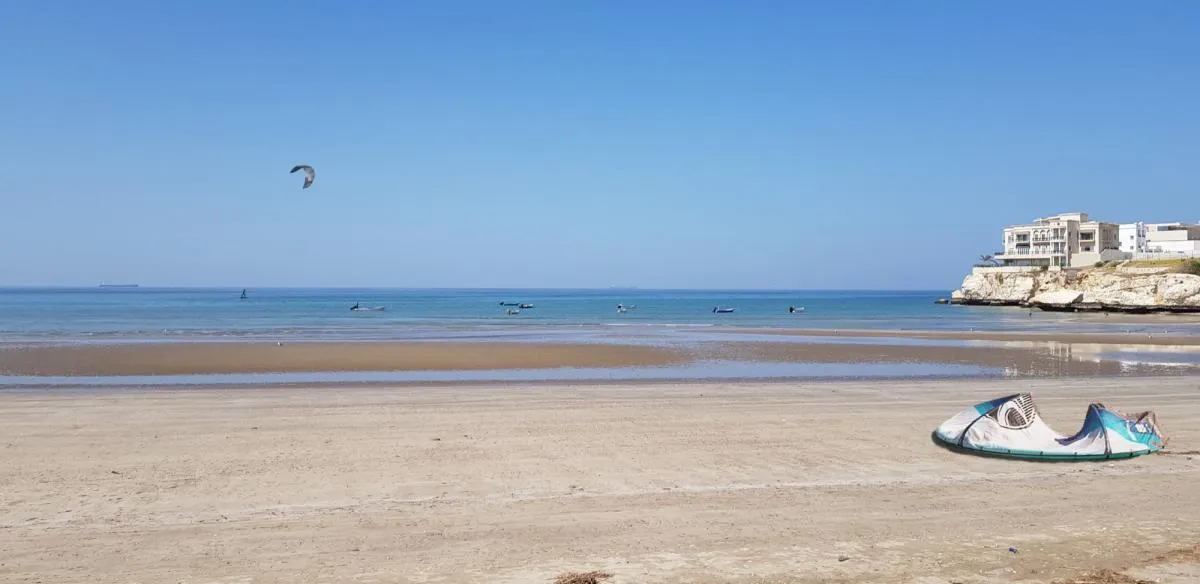
Qurum Beach is one of Muscat's most accessible coastal locations for kitesurfing, stretching along the Gulf of Oman in the capital of Oman. Also known as Al Qurum Beach, this extensive sandy shoreline offers an open-water riding environment with convenient access from the city. Unlike the remote desert beaches and shallow lagoons found elsewhere in Oman, Qurum combines a broad urban beach with direct exposure to the sea, making it an appealing option for experienced local riders looking for a session when the wind develops. Its main attractions are the spacious sandy shoreline, seasonal afternoon breezes and opportunities for freeriding, although the presence of swimmers, other recreational users and changing coastal conditions requires careful attention to safety.
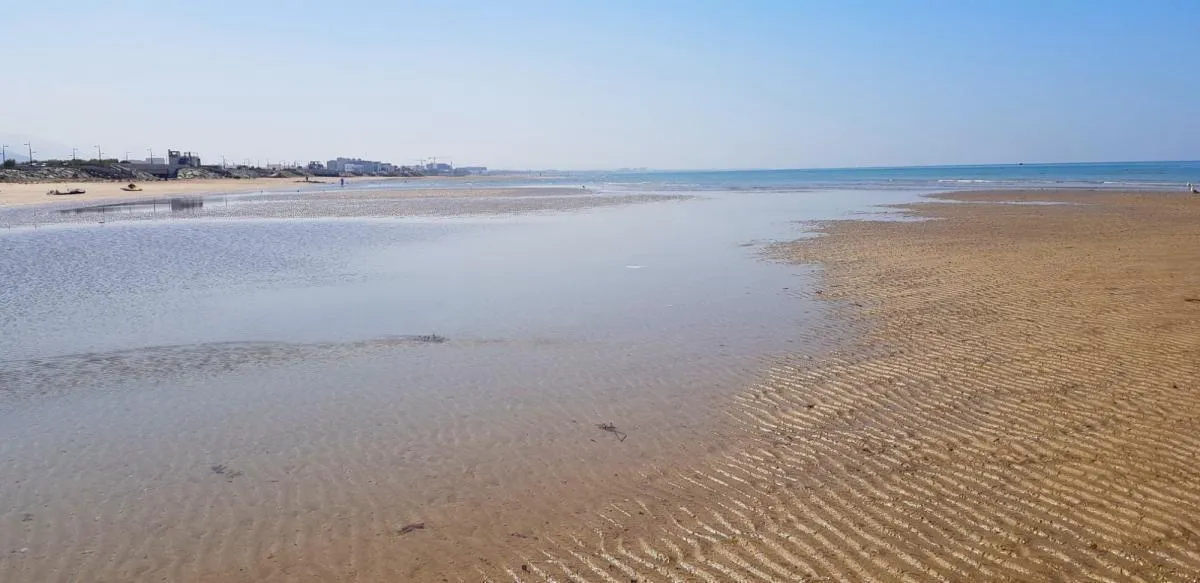
The beach extends for several kilometres along Muscat's coastline, providing a relatively generous area for preparing equipment and selecting a suitable launching position. Its broad sandy surface is particularly convenient at lower tide, when additional space becomes exposed between the waterline and the upper beach. Even at higher tide, some sections may retain sufficient room for kite handling, although the available width varies along the shoreline. The open coastal setting provides access to a substantial riding area without the confined boundaries of a lagoon. However, Qurum is a popular public beach, and the amount of usable launching space depends not only on the tide but also on the number of pedestrians, swimmers and other visitors present.
Wind conditions at Qurum Beach are influenced by the seasonal weather patterns of the Gulf of Oman and the local sea-breeze circulation around Muscat. During suitable weather, daytime heating over the surrounding land can encourage an afternoon sea breeze, providing opportunities for kitesurfing when the wind reaches sufficient strength. The most comfortable period for riding is generally associated with the cooler months, approximately November through April, when air temperatures are more manageable than during the intense summer heat. However, the occurrence and strength of thermal winds vary, and Qurum should not be considered a destination with guaranteed daily kitesurfing conditions. Riders should monitor local forecasts and observe the wind directly at the beach before preparing equipment.
Afternoon sessions are often worth considering because local sea-breeze activity may strengthen as the temperature difference between land and sea develops. The exact wind direction can vary with regional weather systems, and not every breeze will provide a safe angle for launching or returning to shore. Depending on the section of beach and the direction of the airflow, winds may be cross-shore, cross-onshore or more directly onshore. Offshore winds are particularly hazardous because equipment failure can leave riders drifting away from the coast into open water. Buildings, vegetation and coastal terrain may also influence wind quality close to the shoreline. Careful assessment of the actual wind angle is essential, particularly when the breeze changes during the afternoon.
Water conditions at Qurum are generally characterised by open-sea chop and occasional swell rather than the perfectly flat water found in sheltered lagoons. During lighter winds and calm sea conditions, the surface may remain relatively smooth, offering enjoyable freeriding opportunities. As wind strength increases, short wind-driven chop develops, creating small ramps for controlled jumps and carving manoeuvres. The beach can also receive swell from the Gulf of Oman, producing breaking waves along the shoreline when conditions are more energetic. The size and character of these waves vary with offshore weather systems and seasonal conditions. Riders should assess the shorebreak before launching, particularly when larger swell makes entering or leaving the water more demanding.
Freeriding is the main kitesurfing discipline suited to Qurum Beach. When the wind is sufficiently strong and the sea state is manageable, twin-tip riders can enjoy cruising parallel to the coastline, practising transitions, improving upwind performance and developing controlled jumps. The extensive shoreline provides opportunities for longer reaches when wind direction and beach use allow, although riders must remain aware of swimmers and other water users. Intermediate kitesurfers may find enjoyable conditions during moderate winds and smaller swell, while experienced riders can explore more powered sessions when stronger breezes develop. The spot is less suited to technical wakestyle or flat-water freestyle because the open sea rarely provides consistently smooth water.
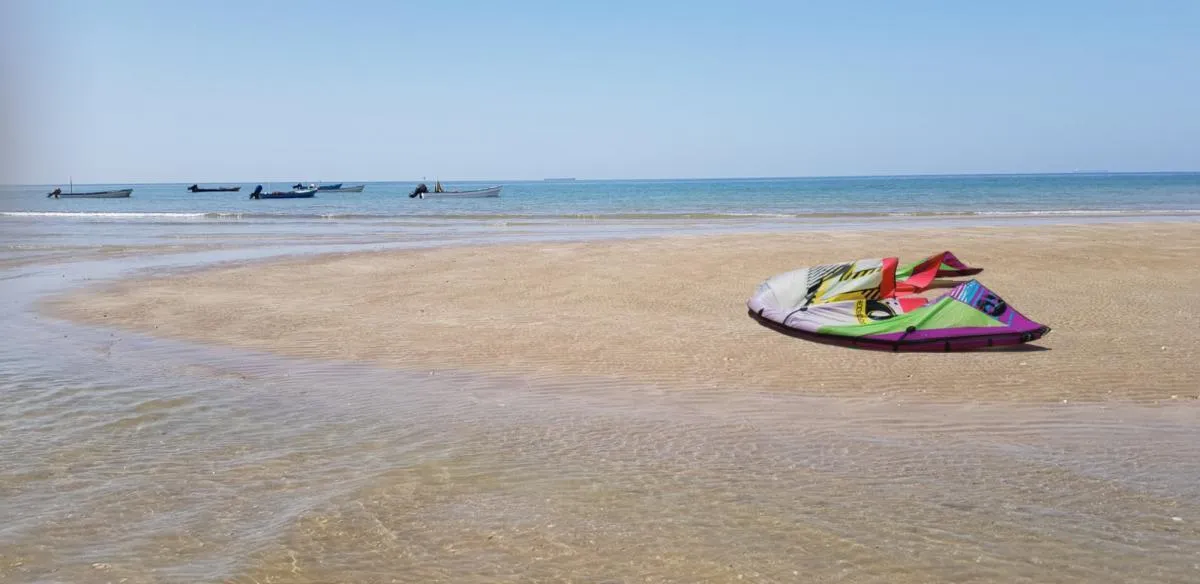
Tides influence both the available launching space and the depth of the nearshore water. At lower tide, the beach generally becomes wider, creating additional room for preparing equipment and moving safely toward the water. However, the gently sloping seabed means that shallow water can extend farther offshore, requiring riders to walk or body drag beyond the nearshore zone before reaching sufficient depth. At higher tide, deeper water may be accessible closer to the beach, but the available sandy launching area can become narrower in some sections. The most suitable tidal stage depends on the chosen launching location, equipment and sea conditions. Riders should check local tide tables and assess the shoreline before entering the water.
The seabed along much of Qurum Beach is predominantly sandy, with a gradual increase in depth away from shore. This can provide relatively comfortable access for conventional twin-tip riding, although shallow sections still require caution during jumps and uncontrolled falls. Sandbanks may shift over time, altering the location and shape of breaking waves. Shells, occasional rocks or other submerged obstacles may also be present in certain areas, particularly near coastal structures or the edges of the beach. Water clarity varies with wind and wave activity, making it difficult to identify every underwater hazard. Riders should avoid jumping close to shore and familiarise themselves with the depth profile before attempting powered manoeuvres.
Hydrofoil kitesurfing is possible when the wind is suitable and sufficient water depth is available, but the gently sloping seabed creates an important limitation. Foil riders may need to move a considerable distance offshore before the water becomes deep enough to accommodate the mast safely, particularly during low tide. Launching through shallow water or shorebreak requires careful handling to avoid damaging the foil or losing control of the board. Once in deeper water, the open coastal environment can provide enjoyable foil cruising during lighter winds, although swell and chop may make conditions more technical than in a sheltered lagoon. Wing-foiling may also be possible, provided riders have sufficient depth and experience managing open-water conditions.
Launching and landing are generally more straightforward than at compact urban beaches because of Qurum's extensive sandy shoreline. Nevertheless, the beach's popularity creates important practical challenges. Walkers, swimmers, runners and other recreational visitors frequently use the sand and nearshore water, particularly during weekends, holidays and the cooler months. Kitesurfers should select an unobstructed section of beach with generous clearance from people, buildings, roads and other obstacles. Powered kites should never be flown over crowded areas, and launching should be avoided when adequate separation cannot be maintained. Current local regulations, designated swimming areas and any restrictions affecting kitesurfing should be checked before preparing equipment.
Qurum Beach is generally better suited to intermediate and advanced kitesurfers than to complete beginners. Although the sandy beach provides useful space for kite handling, the open-water environment, changing wind direction and potential shorebreak can make learning more demanding than in a protected lagoon. Beginners should only practise under qualified supervision and where local regulations and conditions permit. Intermediate riders with reliable upwind ability may enjoy freeriding during moderate winds and calm sea conditions, while experienced riders can manage stronger winds and more challenging chop. Confidence in self-rescue is particularly important because the beach opens directly onto the Gulf of Oman, where drifting offshore can become serious if the wind changes or equipment fails.
The Gulf of Oman's coastal weather can change with passing regional systems, and riders should remain alert to sudden increases in wind strength, deteriorating visibility or building swell. Although Muscat is a major city, dedicated kitesurfing rescue assistance should not be assumed at Qurum Beach. Independent riders should avoid travelling beyond a manageable distance from shore and should understand how wind direction and currents may affect their return. Recreational boats and other marine traffic may also be present farther offshore, requiring additional awareness. Careful equipment checks, conservative riding distances and a clear plan for returning to the beach are important precautions, especially during stronger wind events.
Water temperatures along Muscat's coastline are generally warm compared with many international kitesurfing destinations, although conditions vary seasonally. During the cooler months, a lightweight wetsuit or shorty may improve comfort during longer sessions, particularly when afternoon winds increase heat loss. In warmer periods, many riders may prefer boardshorts and a protective rash guard, but the intense Arabian sun makes adequate sun protection essential throughout the year. High air temperatures during summer can make prolonged beach preparation uncomfortable, even when the water is warm. Hydration, UV protection and avoiding excessive heat exposure are important considerations for anyone planning extended sessions along the coast.
For riders searching for kitesurfing at Qurum Beach, kite spots in Muscat or accessible freeriding locations along Oman's Gulf of Oman coastline, this expansive urban beach offers an attractive combination of sandy launching areas, seasonal sea-breeze opportunities and open-water riding. Its main strengths are the broad shoreline, convenient coastal access and the possibility of enjoyable afternoon freeride sessions during suitable weather. However, variable wind reliability, shallow nearshore water, occasional shorebreak and heavy recreational beach use require careful preparation. For intermediate and experienced kitesurfers who monitor the forecast, respect local access rules and choose suitable wind and tidal conditions, Qurum Beach can provide a rewarding kitesurfing experience close to the centre of Muscat.
Something missing or out of date at this spot? Suggest a correction
Spot Gallery (7)
Qurum Beach Muscat is best suited for
Spot profile
Local spot
Maybe not be worth a real journey to reach this spot, but great if you live close by and it is a windy day. In the end, being out on the water feels great anywhere
Equipment
Mostly only Lycra for sun protection. Only in January, February the most sensitive to cold can use a shorty.
Wind Conditions
Main wind directions at Qurum Beach Muscat
Windy days per month in Qurum Beach Muscat
Wind Speed Range
From 5 to 15 Knots
Suggested sizes
10 - 11 mt
12 - 13 mt
14 mt and above
Forecast on Windy.com
Kitesurfing Safety & Local Rules at Qurum Beach Muscat
The main hazards at Qurum Beach come from its exposed coastline, changing wind conditions and occasional shorebreak. Afternoon sea breezes can strengthen or shift direction, while stronger winds produce choppy water and more demanding wave conditions. Offshore winds are particularly dangerous, as equipment failure or an unsuccessful kite relaunch can leave riders drifting into the open Gulf of Oman. Check wind direction carefully and avoid riding beyond a safe distance from shore.
The gently sloping sandy seabed creates shallow areas near the shoreline, especially at low tide. Hard falls and jumps in insufficient water depth can cause injuries, while hydrofoil riders must take particular care to avoid striking the bottom. Shifting sandbanks, shells and occasional submerged obstacles may also be present. At higher tide, some sections of the beach become narrower, reducing the available space for launching and landing safely.
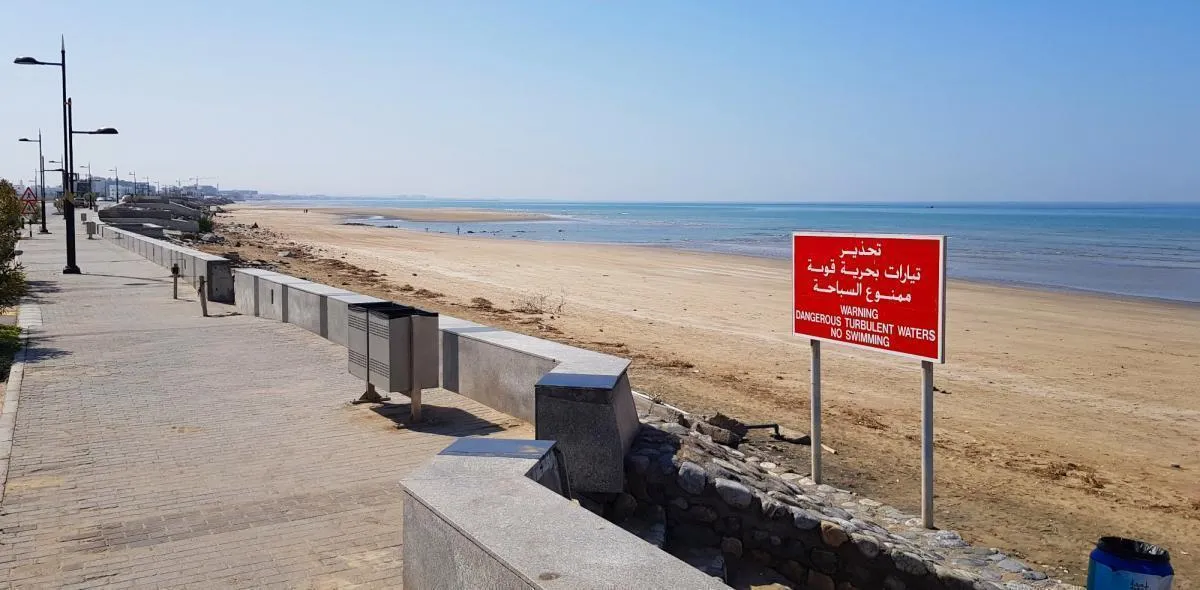
Qurum is a popular public beach in Muscat, shared with swimmers, walkers, families and other recreational users. Maintain generous safety distances, avoid crowded swimming areas and respect any local access restrictions. Boats may also be present farther offshore, and dedicated kitesurfing rescue services should not be assumed. Strong sunshine and high temperatures create additional risks of dehydration and heat exhaustion, particularly during warmer months.
Location
Closest City
Muscat
How to get There
Drive through Sultan Quaboos street direction East and take the exit to Al Kharjyah St., then turn right into Al Shatti St. and reach the roundabout that leads to Beach Street.
Access
Public from Beach Street and plenty of parking along the beach.
No-Wind Days: What to Do Around Qurum Beach Muscat
Beyond kitesurfing, Qurum Beach offers an excellent opportunity to discover Muscat, the capital of Oman and one of the Arabian Peninsula's most attractive coastal cities. Located along the Gulf of Oman, Al Qurum Beach combines a long sandy shoreline with easy access to traditional markets, historic landmarks, museums, mountain scenery and modern waterfront attractions. Unlike remote kitesurfing destinations, Qurum is surrounded by established tourist facilities, making it particularly convenient for families and travellers accompanied by non-kiters. From relaxing beach walks and exploring traditional Omani architecture to visiting spectacular mosques and discovering the rugged coastline, Muscat offers plenty of activities for a no-wind day or an extended holiday.
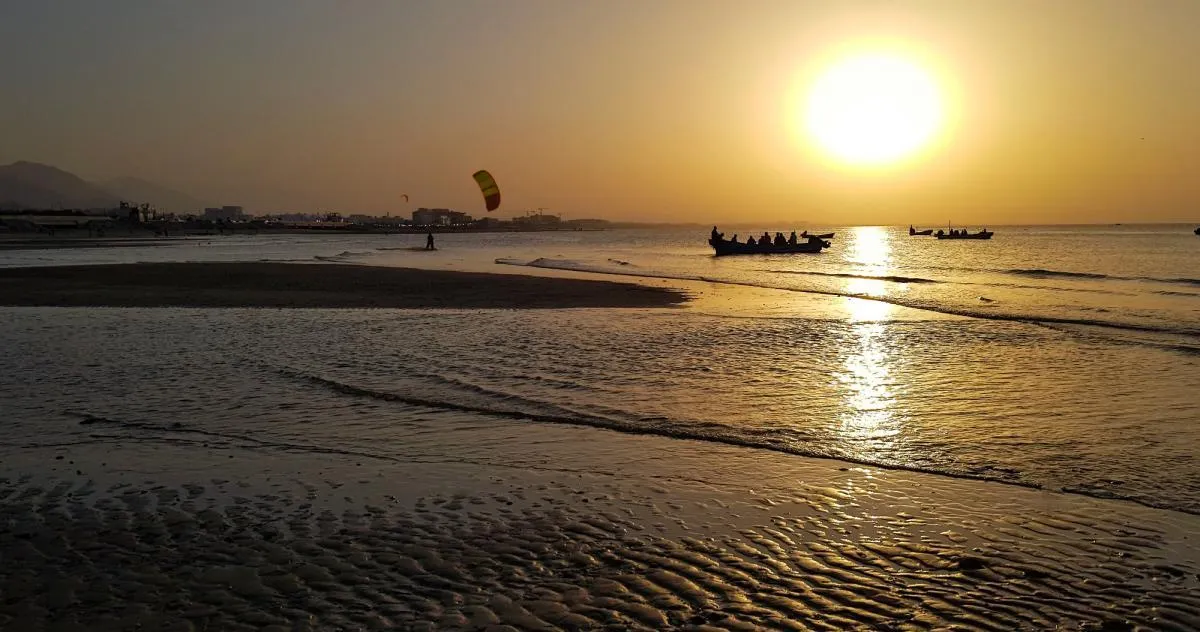
Qurum Beach itself is one of Muscat's most popular recreational areas, attracting residents and visitors throughout the year. Its extensive sandy shoreline is ideal for walking, jogging, photography and enjoying views across the Gulf of Oman. The beach is particularly pleasant during the cooler months, when comfortable temperatures encourage outdoor activities throughout the day. In the late afternoon, the waterfront becomes lively with families, walkers and people gathering to watch the sunset. Numerous cafés, restaurants and hotels are located nearby, making it easy to combine a beach visit with a relaxed meal overlooking the sea. Swimming may be possible in suitable conditions, although visitors should pay attention to waves, currents and any local safety warnings.
One of the most enjoyable nearby attractions is Qurum Natural Park, a large green space offering a peaceful escape from the surrounding city. The park features landscaped gardens, walking paths, open lawns and water features, creating a pleasant environment for families and visitors seeking relaxation. Its shaded areas and recreational spaces are particularly appealing during the cooler parts of the day. The surrounding Qurum district also offers shopping centres, cafés and restaurants, providing convenient alternatives when temperatures become too high for outdoor sightseeing. Together, the beach and park make Qurum one of Muscat's most accessible areas for combining coastal relaxation with everyday city life.
A visit to the Sultan Qaboos Grand Mosque is one of the highlights of any trip to Muscat. This magnificent architectural landmark is renowned for its impressive dome, elegant minarets, intricate stonework and beautifully landscaped surroundings. The mosque's interior features elaborate decorative details, including an enormous handwoven carpet and a spectacular chandelier. Visitors can admire the harmonious combination of traditional Islamic design and modern craftsmanship, making it one of Oman's most important cultural attractions. Non-Muslim visitors are generally admitted during designated visiting periods, subject to current arrangements, and modest clothing is required. The mosque provides a fascinating introduction to Omani culture, religious traditions and architectural heritage.
For travellers interested in history and traditional Arabian culture, Mutrah is one of Muscat's most rewarding districts. The Mutrah Corniche follows the waterfront of a historic harbour surrounded by rugged mountains and traditional buildings, offering beautiful views of fishing boats, traditional wooden vessels and the surrounding coastline. Walking along the promenade is particularly enjoyable during the late afternoon and evening, when the temperatures become more comfortable and the harbour lights begin to appear. Mutrah Souq, one of Oman's best-known traditional markets, is located nearby and features narrow covered passages filled with shops selling frankincense, perfumes, jewellery, textiles, spices and handicrafts. Exploring the souq offers an atmospheric introduction to the country's trading heritage and traditional commercial life.
Mutrah Fort is another fascinating historical attraction overlooking the harbour. Originally constructed during the Portuguese period in the sixteenth century, the fort occupies a strategic position above the waterfront and provides panoramic views across Mutrah and the Gulf of Oman. Its defensive walls, towers and elevated location reflect Muscat's long maritime history and the importance of protecting coastal trading routes. Visitors can admire the architecture and enjoy the surrounding scenery, although access arrangements and opening hours should be checked in advance. The combination of Mutrah Fort, the Corniche and the traditional souq makes this historic district an excellent destination for a half-day cultural excursion.
Old Muscat offers another opportunity to discover Oman's architectural and political heritage. The historic district is surrounded by dramatic rocky hills and contains several important landmarks, including Al Alam Palace, the ceremonial palace of the Sultan of Oman. Although the palace itself is not generally open to public tours, visitors can admire its distinctive blue-and-gold façade and the surrounding formal setting from accessible public areas. Nearby, the historic Al Jalali and Al Mirani forts stand above the harbour, reflecting the city's strategic importance during centuries of maritime trade and regional conflict. The surrounding streets provide attractive opportunities for photography and exploring one of Muscat's most distinctive historic environments.
The National Museum of Oman, located in Old Muscat, is an excellent destination for visitors interested in the country's history, culture and traditions. Its exhibitions explore Oman's maritime heritage, archaeological discoveries, traditional crafts, historical trade routes and cultural development. The museum's carefully presented collections provide valuable context for understanding the country's relationship with the Indian Ocean, the Arabian Peninsula and East Africa. It is particularly rewarding for travellers who want to discover more about Oman beyond its beaches and desert landscapes. Information about exhibitions and visitor arrangements can be found through the National Museum of Oman.
For those who enjoy outdoor adventures, the coastline surrounding Muscat offers spectacular opportunities for boat excursions, snorkelling and marine wildlife observation. Guided trips depart from various marinas and coastal locations, allowing visitors to discover rocky headlands, secluded coves and beautiful stretches of the Gulf of Oman. The Daymaniyat Islands, located offshore from the Muscat region, are particularly famous for their clear waters, coral reefs and rich marine biodiversity
Other kitesurfing spots near Qurum Beach Muscat
Last updated: