
Kitesurfing in Sohar Eye
Sohar · Oman
- Spot type Chop
- Rider level beginner
- Water Crystal Clear
- Beach Sand
- Crowd Some bystanders
- Tide effect None
Kitesurfing in Sohar Eye: Conditions, Wind & Season
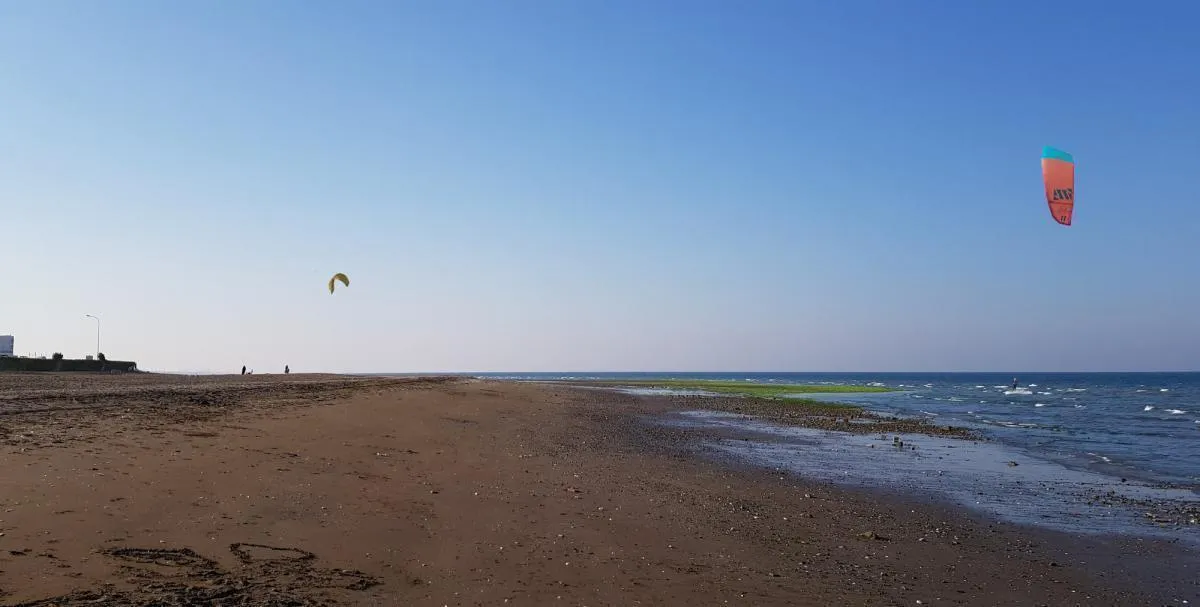
Sohar Beach is an accessible coastal kitesurfing location in northern Oman, situated along the Gulf of Oman near Sohar Eye Park in the city of Sohar, within the Al Batinah North Governorate. This relatively open sandy beach offers opportunities for freeriding when seasonal northerly winds develop, with the additional attraction of a nearby river mouth that can occasionally create sheltered, flatter water. Compared with Oman's more remote kitesurfing destinations, Sohar provides a convenient urban coastal setting with a broad shoreline and direct access to the sea. Its main strengths are the available space for preparing equipment, favourable wind angles during selected weather conditions and the possibility of combining open-water freeriding with smoother riding near the river mouth.
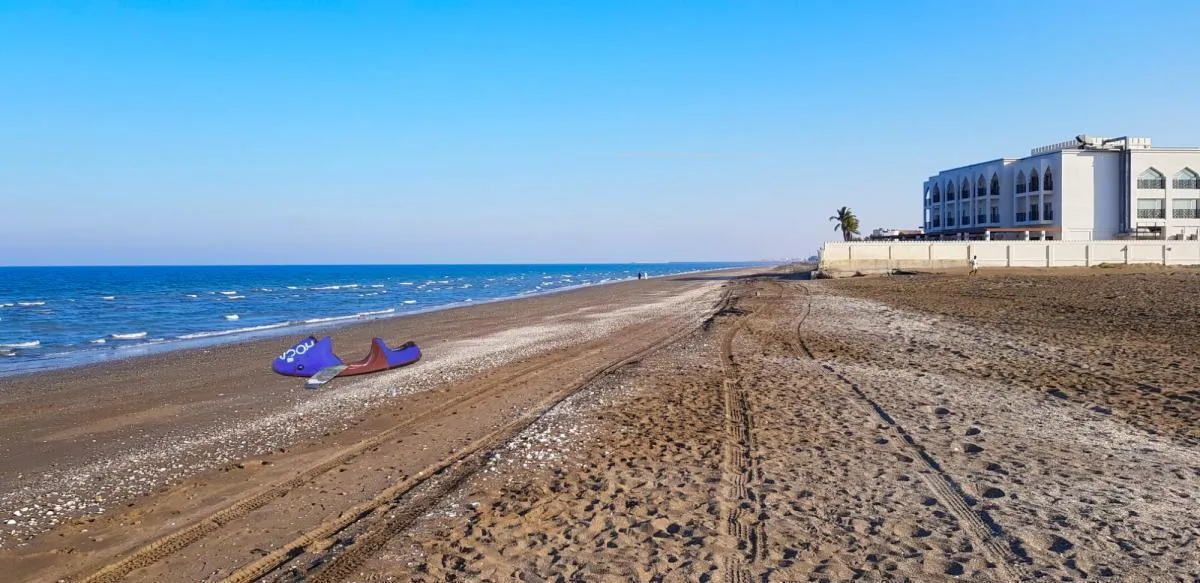
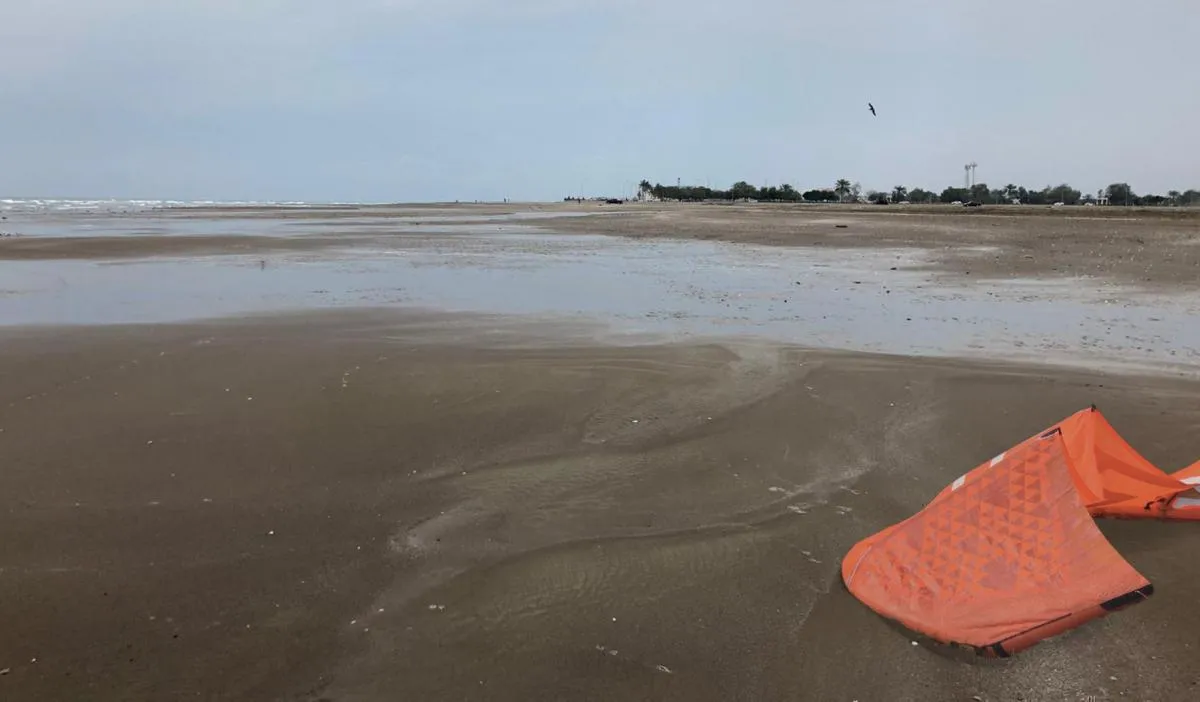
The beach extends along a relatively straight section of the Al Batinah coastline, providing an open environment with fewer natural barriers than enclosed bays or narrow lagoons. The sandy shoreline is generally spacious enough to offer several potential rigging and launching positions, particularly when the tide is lower and more beach becomes exposed. The wide coastal setting can be advantageous for handling kites, although the amount of usable space depends on local beach activity, tidal conditions and the presence of nearby structures. Riders should select an unobstructed launching area with adequate clearance from pedestrians, vehicles, fishing equipment and other obstacles. The beach's open exposure to the Gulf of Oman also means that wind-driven chop and occasional swell can influence conditions beyond the shoreline.
Wind conditions at Sohar are influenced by the regional weather patterns of northern Oman and the Gulf of Oman. Northerly and northwesterly winds can provide favourable opportunities for kitesurfing, particularly when they reach the coastline with a cross-shore or cross-onshore component. These directions may allow riders to enjoy relatively long reaches parallel to the beach while maintaining a practical route back to shore. However, the exact wind angle varies with the launching position and regional weather system, and some directions may create more directly onshore or offshore conditions. Riders should assess the wind at the beach before launching rather than relying solely on general forecasts for Sohar or the surrounding coast.
The most promising period for kitesurfing is generally associated with the cooler months and the transition into spring, approximately from November through April. During this period, regional pressure systems can generate stronger northerly winds across the Gulf of Oman, producing suitable conditions for freeriding on selected days. Winter and spring may offer more comfortable air temperatures than the intense summer months, making longer sessions more practical. However, wind strength and consistency vary considerably, and Sohar should not be considered a destination with guaranteed daily kitesurfing winds. Some days may provide only light breezes, while stronger weather systems can produce gusty conditions requiring smaller kites and more experienced handling.
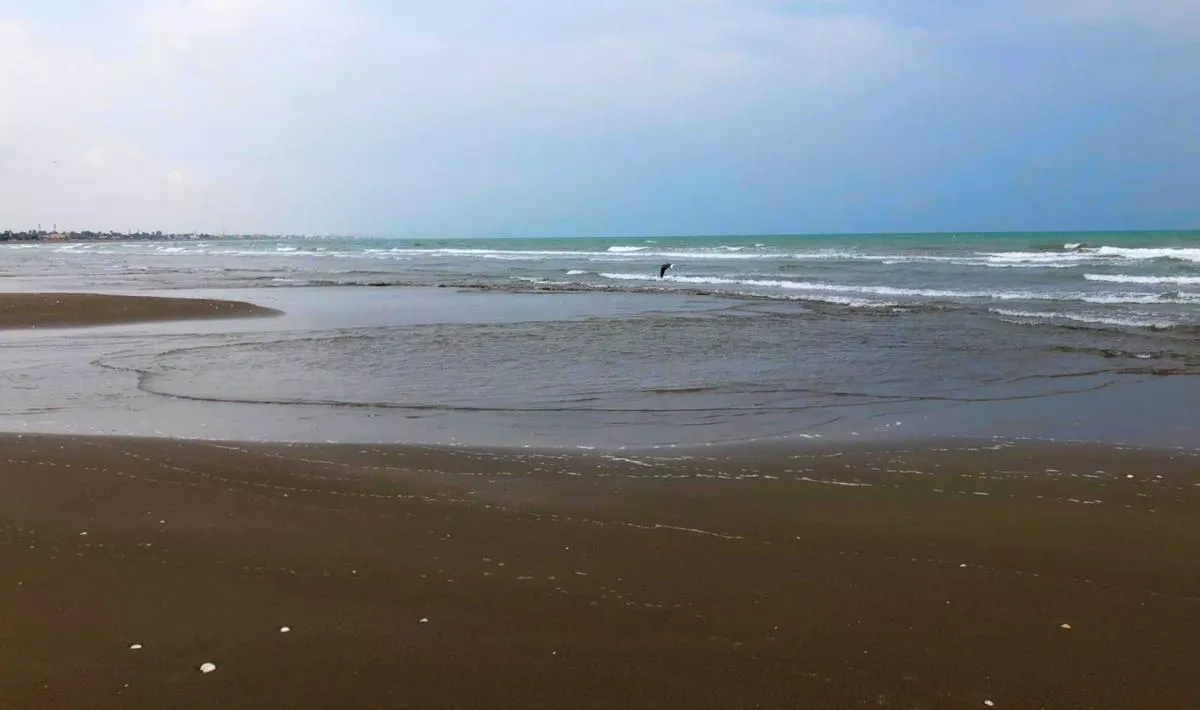
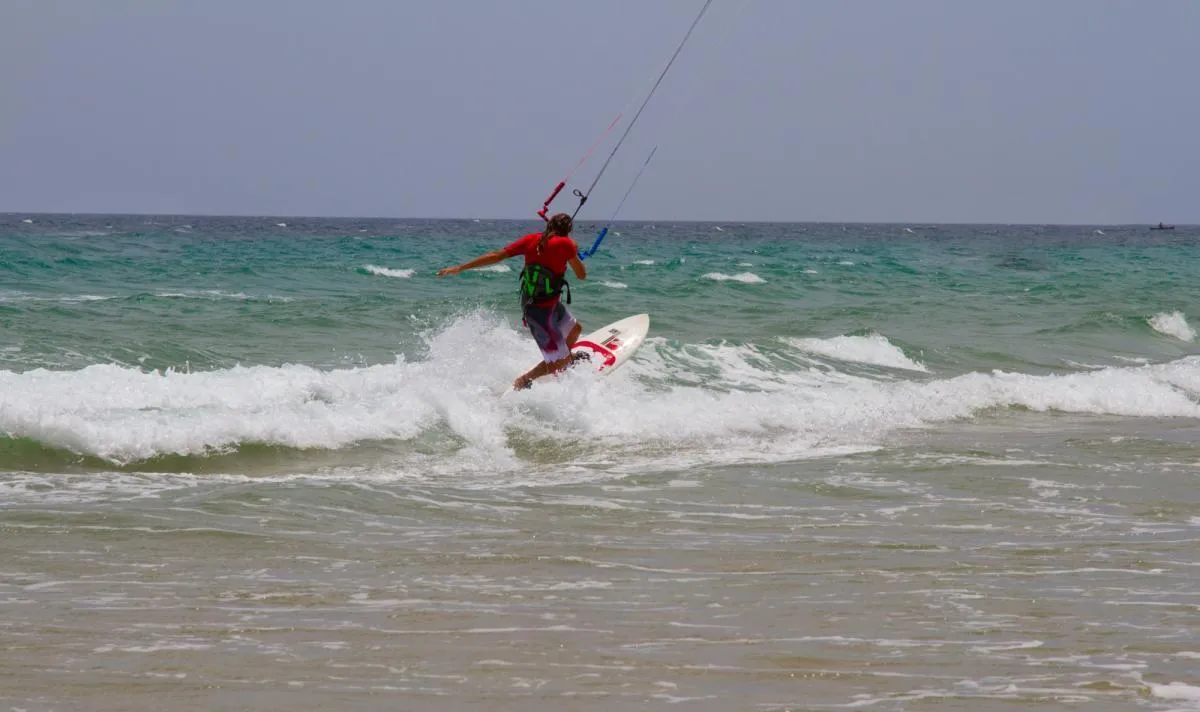
During favourable northerly wind events, Sohar Beach can offer enjoyable freeriding conditions across the open coastal water. The sea surface generally ranges from lightly choppy to moderately rough depending on wind strength, direction and the presence of regional swell. In lighter conditions, the water may remain relatively smooth close to shore, while stronger winds generate short, closely spaced chop farther offshore. These conditions suit twin-tip freeriding, controlled carving turns, transitions and modest jumps when sufficient space and water depth are available. The open-water environment is less suitable for dedicated flat-water wakestyle than a sheltered lagoon, although smoother sections may occasionally develop near the river mouth.
The nearby river mouth is one of the location's more distinctive features. Depending on recent rainfall, tidal conditions and the shape of the coastal sandbanks, the outlet may create a sheltered area with relatively flat water. During suitable conditions, this section can provide opportunities for practising transitions, improving board control and enjoying smoother freeriding away from the main coastal chop. However, the river mouth is not a permanent or consistently reliable flat-water lagoon. Its depth, shape and connection to the sea can change following storms, seasonal runoff or coastal sediment movement. Riders should inspect the area carefully before entering, particularly when sandbanks or shallow channels are present.
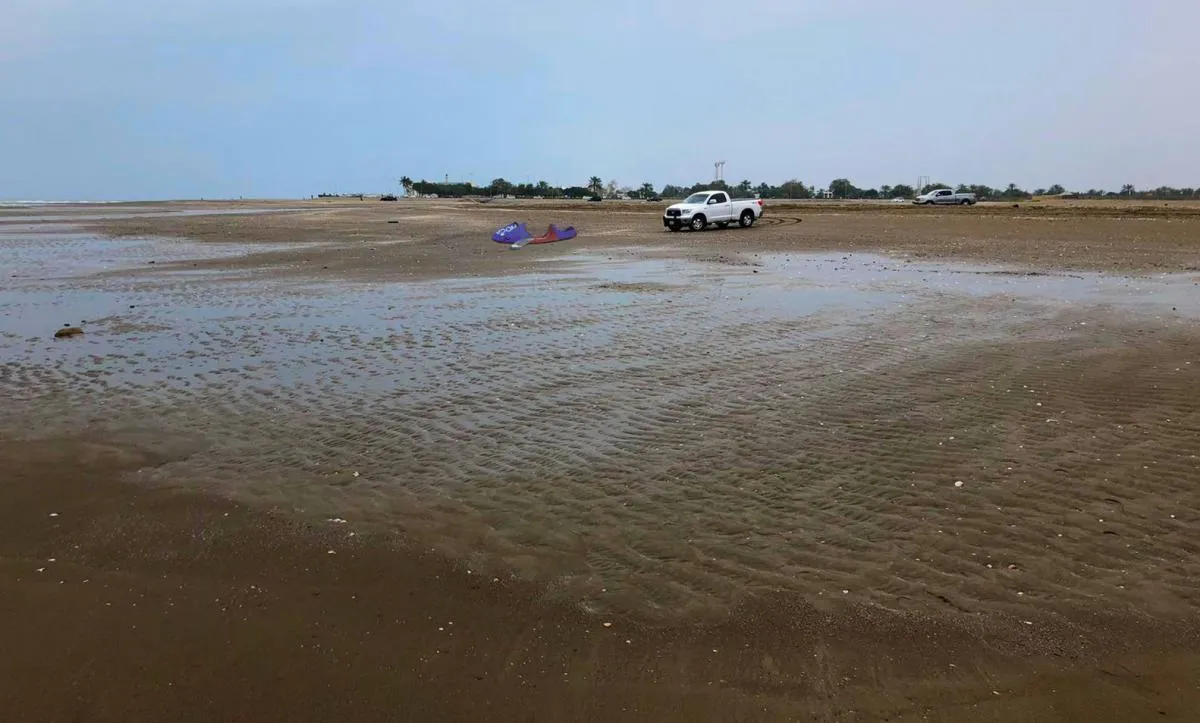
Tides influence both the available launching space and the conditions around the river mouth. At lower tide, more sand may become exposed along the beach, providing additional room for preparing equipment and moving safely toward the water. However, shallow sections near the river outlet can become difficult to navigate, while sandbanks may restrict the available riding area. At higher tide, deeper water may cover some of these shallow areas, but the beach can become narrower in selected sections. Tidal currents may also be noticeable near the river mouth, particularly when water is flowing through a restricted channel. Riders should check local tide tables and observe the water movement before choosing a launching location.
The seabed along much of Sohar Beach is predominantly sandy, although shells, stones and occasional submerged obstacles may occur near the shoreline or around the river mouth. Sandbanks can shift under the influence of waves, tides and seasonal runoff, changing the depth and shape of the nearshore water. After rainfall, the river outlet may carry sediment or debris toward the sea, reducing visibility and creating additional hazards. Riders should avoid unfamiliar shallow sections and remain alert to changes in water depth, particularly when attempting jumps or powered manoeuvres. Protective footwear may be useful in areas containing shells or stones, while careful inspection of the seabed is advisable before launching from less frequently used sections.
Freeriding is the main discipline suited to Sohar Beach. Intermediate riders with reliable upwind ability can enjoy cruising parallel to the coastline when northerly winds provide a favourable angle, while more experienced kitesurfers may find opportunities for powered sessions during stronger wind events. The relatively broad beach can make launching more manageable than at compact urban locations, although the open sea and occasional shorebreak still require confident kite control. Basic freestyle manoeuvres and controlled jumps may be possible when the water is sufficiently deep and other beach users are well clear. Riders seeking perfectly flat water should recognise that the sheltered river-mouth area is highly dependent on local conditions and may not always be suitable.
Hydrofoil kitesurfing may be possible in deeper water beyond the nearshore zone, particularly during lighter winds when conventional twin-tip riding becomes difficult. However, foil riders must account for shallow sandbanks, changing water depth and the possibility of submerged obstacles near the river mouth. Launching through shorebreak or shallow water requires careful equipment handling, and riders may need to move farther offshore before the foil mast has sufficient clearance. Wing-foiling may also be feasible during suitable wind and sea conditions, although the same depth and access considerations apply. The open Gulf of Oman environment can provide enjoyable foil cruising, but changing chop and swell may make sessions more demanding than in sheltered flat-water locations.
Launching and landing conditions are generally one of Sohar Beach's practical advantages. The relatively wide sandy shoreline provides opportunities to prepare equipment and select a suitable position away from other beach users. Nevertheless, the beach remains a public coastal area, and swimmers, walkers, fishermen and other recreational visitors may be present, particularly during weekends and cooler months. Kitesurfers should maintain generous separation distances, avoid flying powered kites over people and respect any designated swimming areas or local restrictions. Fishing lines, nets, boats and parked vehicles may create additional obstacles in certain sections. Current local regulations and any restrictions affecting kite launching should be checked before preparing equipment.
Sohar Beach is generally most appropriate for intermediate and advanced kitesurfers who are comfortable with open-water conditions and variable wind strength. Although the sandy shoreline may provide useful space for kite handling, the presence of shorebreak, changing currents and occasional gusty winds makes the location less suitable for independent beginners. Initial lessons should take place only under qualified supervision and where local conditions and regulations permit. Intermediate riders can enjoy freeriding during moderate northerly winds, while experienced riders may be better equipped to manage stronger weather systems and more challenging chop. Reliable self-rescue skills are important because the beach opens directly onto the Gulf of Oman, where drifting offshore can become serious following equipment failure.
The open coastal setting requires careful attention to weather changes and marine conditions. Strong northerly winds may develop quickly during passing regional systems, while shifts in direction can alter the safety of the launching area or the ability to return to shore. Although Sohar is a major coastal city, dedicated kitesurfing rescue services should not be assumed. Riders should remain within a manageable distance from the beach, check equipment before launching and avoid entering the water when offshore winds or strong currents create unacceptable risks. Particular caution is necessary near the river mouth, where tidal movement and seasonal runoff can produce unpredictable water conditions. Riding with another experienced kitesurfer and maintaining clear communication can provide an additional margin of safety.
Water temperatures along northern Oman's Gulf of Oman coastline are generally warm compared with many international kitesurfing destinations, although winter conditions can feel noticeably cooler during strong winds. A lightweight wetsuit or shorty may improve comfort during longer sessions in the cooler months, while lighter protective clothing may be sufficient during warmer periods. The intense Arabian sun makes UV protection important throughout the year, particularly during extended sessions on the beach or water. Hydration and avoiding excessive heat exposure are also essential, especially during the warmer months when air temperatures can become uncomfortable even if the wind is suitable for riding.
For riders searching for kitesurfing in Sohar, kite spots along Oman's Al Batinah coast or accessible freeriding locations on the Gulf of Oman, Sohar Beach offers an appealing combination of spacious sandy launching areas, seasonal northerly winds and open-water riding. Its greatest strengths are the relatively broad shoreline, favourable wind angles during selected winter and spring weather systems and the possibility of flatter water near the river mouth. However, variable wind reliability, changing sandbanks, occasional shorebreak and the need to respect public beach use require careful preparation. For intermediate and experienced kitesurfers who monitor the forecast, assess the tide and select suitable launching conditions, Sohar Beach can provide enjoyable freeriding sessions along northern Oman's coastline.
Something missing or out of date at this spot? Suggest a correction
Spot Gallery (6)
Sohar Eye is best suited for
Spot profile
- Local spotNot worth a long trip, but a great option if you live nearby and the wind is on. Ideal for a quick session after work or a spare afternoon, without planning a whole trip.
Equipment
Shorty just for the coldest days, Lycra in the rest of the season
Wind Conditions
Main wind directions
Windy days per month
Share of the days with more than 10 knots.
Wind speed range
10 - 24 knots
Calculate your kite size
Estimate for a rider of your weight at Sohar Eye: kite size = weight / wind speed x 2.2, adjusted for the kite shape and aspect ratio. Board, skills and gusts change the ideal size.
Forecast on Windy.com
Kitesurfing Safety & Local Rules at Sohar Eye
The main hazard at Sohar Beach, near Sohar Eye Park, is debris scattered across parts of the shoreline. Sharp objects, discarded materials and other obstacles can damage kite canopies or lines and cause injuries to bare feet. Although the beach is generally wide and offers plenty of launching space, riders should carefully inspect their rigging area, remove any dangerous objects where possible and consider wearing protective footwear.
The nearby river mouth can create attractive flat-water conditions, but water depth, sandbanks and currents may change depending on tidal conditions and river flow. Riders should assess the area before entering the water and avoid jumping in unfamiliar shallow sections. On the exposed beachfront, waves and shorebreak may also become more challenging as northerly winds strengthen.
Side-shore and side-onshore winds generally provide favourable riding conditions, although stronger winter and spring weather systems can bring gusts or sudden changes in wind strength. Maintain sufficient distance from other beach users and avoid riding too far offshore without reliable support. Dedicated kitesurfing rescue services should not be assumed, so independent riders should be confident in their self-rescue skills.
How to reach Sohar Eye
- Closest citySohar
- How to get thereFrom route one exit onto As Sultan Quaboos road towards the beach.
- AccessPublic with plenty of parking right on the beach. If you have 4x4 you can actually enter the northern river side of the beach.
No-Wind Days: What to Do Around Sohar Eye
Beyond kitesurfing, Sohar Beach offers an opportunity to discover one of northern Oman's most historically significant coastal cities. Located along the Gulf of Oman in the Al Batinah North Governorate, Sohar combines long sandy beaches, traditional markets, historic fortifications and a relaxed waterfront atmosphere. Although less internationally recognised than Muscat or Salalah, the city has an important maritime heritage and is associated with centuries of trade across the Indian Ocean. Its convenient urban setting makes it easy to combine a beach holiday with cultural sightseeing, local restaurants and excursions into the surrounding countryside. For a kitesurfing trip with non-kiters or a family holiday in northern Oman, Sohar provides a practical and relatively uncrowded destination with several interesting attractions.
Sohar's waterfront is one of the most enjoyable places to spend time away from the water sports. The city's extensive sandy coastline provides opportunities for leisurely walks, photography and relaxing beside the Gulf of Oman. Around Sohar Eye Park and the nearby beachfront, visitors can enjoy the open coastal scenery and watch local families gathering during the cooler afternoon and evening hours. The beach is particularly attractive during winter and spring, when temperatures are generally more comfortable for outdoor activities. Visitors may also observe traditional fishing activities along suitable sections of the coast. Swimming should only be considered where conditions are appropriate, as waves, currents and changing conditions near river mouths can create hazards.
Sohar Eye Park is a convenient recreational area close to the beach and an enjoyable stop for families and visitors seeking a relaxed atmosphere. Its distinctive eye-shaped design gives the park its name, while the surrounding waterfront setting makes it a pleasant place for a stroll or a short break. The wider area is popular with residents enjoying the seaside, particularly during evenings and weekends. Families can combine a visit with a walk along the beach or refreshments from nearby cafés and restaurants. As with many outdoor attractions in Oman, early mornings and late afternoons are generally the most comfortable times to visit, especially outside the cooler winter months.
One of Sohar's most important historical attractions is Sohar Fort, a prominent landmark reflecting the city's long maritime and defensive history. The fort's whitewashed walls and traditional architecture stand as reminders of Sohar's importance as a trading centre along the Arabian coast. The site has undergone restoration, and its museum spaces have presented aspects of the region's archaeology, history and maritime heritage. Visitors interested in Omani culture can admire the architecture and learn about the city's historical role in trade networks linking Arabia with Persia, India and East Africa. Public access and museum opening arrangements can change, so checking locally before visiting is advisable. The fort and its surroundings provide one of the most rewarding cultural excursions in the city.
Exploring Sohar's traditional markets offers another opportunity to experience everyday Omani life. Local souqs and commercial streets feature shops selling spices, perfumes, clothing, household goods and traditional products. Visitors can discover the aromas of frankincense and regional spices, browse small shops or stop for Omani coffee and dates. Compared with the more tourist-oriented markets of Muscat, Sohar's shopping areas often retain a practical local character, providing an interesting glimpse of the city's daily routines. Traditional markets are particularly enjoyable during the cooler parts of the day, when shops and surrounding streets become more active. Respectful photography and modest clothing are appreciated when exploring local neighbourhoods.
Sohar is also an appealing destination for travellers interested in Omani cuisine and fresh seafood. Restaurants throughout the city serve grilled fish, rice dishes, traditional meat preparations and regional specialities, alongside a wide variety of international food reflecting Sohar's diverse population. Visitors can sample dishes such as shuwa, majboos and freshly prepared seafood, followed by traditional Omani sweets or coffee flavoured with cardamom. The city has numerous casual restaurants, cafés and family-friendly dining options, making it easy to enjoy a relaxed meal after a day of sightseeing. Sohar's coastal location and long fishing tradition contribute to its culinary identity, particularly for travellers who appreciate simple, freshly prepared seafood.
For visitors seeking additional relaxation, Sohar offers a selection of beachfront hotels, resorts and comfortable city accommodation. Depending on the property, facilities may include swimming pools, landscaped gardens, restaurants, fitness centres and spa treatments. These options are particularly convenient for non-kiting partners who prefer a more leisurely holiday while other members of the group spend time on the water. The city's shopping centres and cafés also provide alternatives during particularly hot or windy weather. Sohar's relatively relaxed pace makes it suitable for visitors who want convenient amenities without the intensity of a major tourist resort.
The surrounding Al Batinah region offers opportunities for scenic drives through traditional villages, agricultural areas and landscapes framed by the distant Hajar Mountains. This coastal plain has long been associated with date palm cultivation and historic settlements, and visitors travelling inland can discover a different side of northern Oman. Local farms, village streets and mountain viewpoints provide interesting contrasts to the flat coastal scenery. Organised excursions or a rental vehicle can make exploring the region easier, although road conditions and access vary between destinations. Travellers should carry sufficient water, respect private agricultural property and avoid entering remote wadis when heavy rain or flash flooding is possible.
For a more adventurous excursion, the Hajar Mountains west of Sohar offer dramatic rocky landscapes, mountain roads and seasonal wadis. Visitors with suitable transport and local guidance can explore scenic valleys and traditional settlements, enjoying views of the rugged terrain that characterises northern Oman. Some routes require four-wheel-drive vehicles and experience with mountain driving, so independent travellers should plan carefully. The mountains are particularly attractive during the cooler months, when hiking and sightseeing are more comfortable. Seasonal rainfall can create dangerous flash floods in wadis even when conditions appear dry nearby, making weather checks essential before travelling into remote valleys.
Travellers with additional time can also explore other destinations along Oman's northern coast. The historic town of Liwa lies north of Sohar and offers further glimpses of traditional coastal life, while Shinas, closer to the border with the United Arab Emirates, has a historic fort and a maritime heritage associated with the Al Batinah coast. These towns are better suited to travellers who enjoy discovering less-visited destinations than those seeking extensive organised tourist attractions. A coastal drive can include stops at local markets, traditional settlements and scenic viewpoints, creating a pleasant day of exploration away from Sohar's urban centre. Information about travel experiences across the country is available through Experience Oman, the official tourism platform.
For anyone planning a kite trip to Sohar Beach and wondering what else there is to do, the city offers an enjoyable combination of coastal relaxation, Omani culture and excursions into northern Oman's countryside. A no-wind day can include visiting Sohar Fort, exploring traditional markets, enjoying fresh seafood or taking a leisurely walk around Sohar Eye Park and the waterfront. Families and non-kiting partners can relax at beachfront hotels, discover local restaurants or explore the nearby coastal towns, while adventurous visitors can arrange trips towards the Hajar Mountains. Although Sohar has fewer major tourist attractions than Muscat, its authentic atmosphere, historical significance and convenient amenities make it an appealing destination for combining kitesurfing with a relaxed holiday along the Gulf of Oman.
Other kitesurfing spots near Sohar Eye
Last updated: