
Kitesurfing in Jeffreys Bay
Jeffreys Bay · South Africa
- Spot type Wave
- Rider level intermediate
- Water Dark - Clear
- Beach Sand
- Crowd Seasonal crowd
- Tide effect Conditions vary
Kitesurfing in Jeffreys Bay: Conditions, Wind & Season
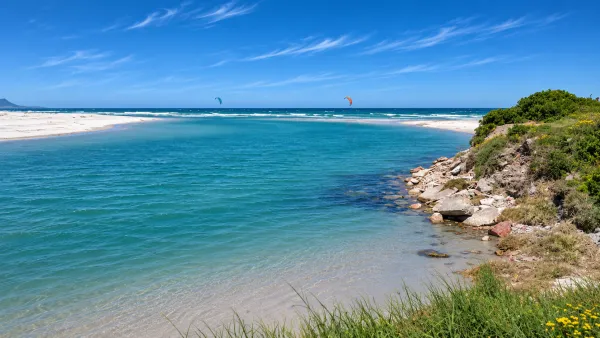
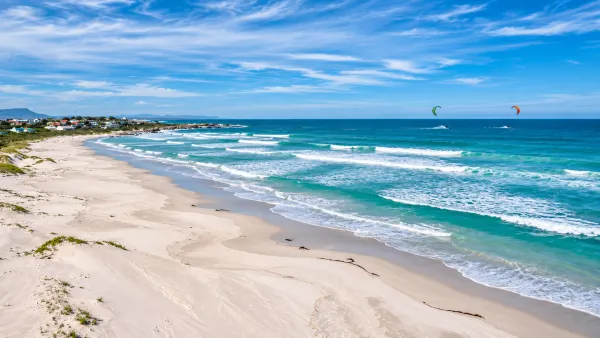
Jeffreys Bay is one of South Africa's most famous surfing destinations, located along the Indian Ocean coastline of the Eastern Cape, approximately 75 kilometres southwest of Gqeberha (Port Elizabeth). Internationally renowned for its powerful, long-running right-hand waves, Jeffreys Bay also offers opportunities for experienced kitesurfers when wind, swell and local beach conditions align. The coastline features extensive sandy beaches, exposed ocean sections and several renowned surf breaks, creating a dynamic environment primarily suited to wave riding rather than flat-water freestyle. Unlike sheltered lagoons or dedicated kitesurfing beaches, Jeffreys Bay requires careful selection of launching locations, particularly because many of its best-known surf breaks are crowded with surfers and include rocky reef sections. The wider coastline provides more suitable sandy areas for kitesurfing, but riders should verify local access rules and avoid established surfing zones.
Wind conditions at Jeffreys Bay are influenced by the Eastern Cape's seasonal weather patterns, with easterly and southeasterly winds becoming more frequent during spring and summer, particularly from September to March. Southwesterly winds associated with passing frontal systems can also produce stronger wind events throughout the year. Unlike Cape Town's more reliable summer kitesurfing destinations, Jeffreys Bay does not experience consistently strong daily winds, making careful forecast monitoring essential. Average wind speeds may remain relatively light, but suitable sessions develop when stronger regional winds reach approximately 15–25 knots or more. October and November can provide favourable wind opportunities, although the best wave-riding conditions depend on the interaction between swell direction and wind angle rather than wind strength alone. Cross-shore winds are generally preferable for maintaining clean wave faces, while strong onshore winds can create disorganised chop and offshore winds may make returning to the beach dangerous.
Water conditions are dominated by Indian Ocean swell, with waves ranging from moderate beach-break surf to powerful, well-defined sets during larger swell events. Jeffreys Bay is particularly famous for its long right-hand point breaks, including Supertubes, although these established surfing areas are not automatically suitable or permitted for kitesurfing. The more open sandy beaches along the surrounding coastline provide opportunities for directional wave riding, freeriding and occasional jumping when wind and swell are favourable. Shifting sandbanks influence wave shape and shorebreak intensity, while rocky reef formations near the famous point breaks introduce additional hazards. Tides affect the location and power of breaking waves, with some sections becoming more challenging at lower water levels and others developing stronger shorebreak as the tide rises. A directional surfboard is the preferred equipment for dedicated wave sessions, while a freeride twin-tip can be used on smaller swell days when sufficient open-water space is available.
Launching and landing should take place only from suitable sandy sections of the coastline, well away from crowded surf breaks, swimmers and rocky obstacles. Although Jeffreys Bay has extensive beach access, not every section offers safe kitesurfing conditions, and local restrictions or designated water-use areas must be respected. The spot is best suited to intermediate and advanced riders experienced in ocean launches, breaking waves and self-rescue techniques. Beginners should choose more sheltered training locations rather than attempt exposed surf sessions independently. Kite sizes around 9–12 m² are suitable for many moderate wind conditions, with smaller 7–9 m² kites preferable during stronger weather systems, depending on rider weight and equipment. Water temperatures are generally milder than along South Africa's Atlantic coast, but a 3/2 mm wetsuit is recommended for much of the year, with a 4/3 mm suit providing additional comfort during cooler winter conditions and prolonged sessions.
The main hazards include powerful shorebreak, rip currents, shifting sandbanks, rocky reef formations and changing wind directions. Larger swells can produce demanding wave conditions, while offshore winds and strong frontal changes may make returning to shore difficult. Heavy surfing activity around the famous point breaks also creates a significant collision risk, making it essential to maintain generous separation from surfers and avoid restricted or crowded areas. Jeffreys Bay is therefore better considered an occasional, conditions-dependent kitesurfing destination than a consistently reliable wind spot. For experienced wave riders prepared to monitor forecasts and select appropriate launching areas, the surrounding coastline can offer rewarding sessions with clean ocean swell and challenging surf along one of South Africa's most celebrated wave-riding regions.
Something missing or out of date at this spot? Suggest a correction
Jeffreys Bay is best suited for
Spot profile
- Travel spotA proven kite destination with reliable conditions, worth a trip. Kiters fly in from all over the world for their kite holidays, and you will probably find schools, rentals and a lively kite scene nearby.
- Family spotEasy to visit with family and friends. Facilities are close by and non-kiters have plenty to do while you are on the water, so everyone enjoys the day, whether they kite or not.
- Local spotNot worth a long trip, but a great option if you live nearby and the wind is on. Ideal for a quick session after work or a spare afternoon, without planning a whole trip.
Equipment
A moderate-sized kite quiver is best, with sizes typically covering 8 to 12m kites to suit variable winds; riders may go smaller on windier days but should expect most sessions in the mid-size range. In the warmest months, a shorty or thin full wetsuit (2-3mm) is usually sufficient due to generally warm water, but outside peak summer, a 4/3mm full suit is advised as water and wind chill can lower comfort and extend session length. Many kiters prefer wearing neoprene booties, especially after storms or in rougher shorebreak areas, for added grip and protection on sandbars and for ease getting in and out when the beach gets churned up. Helmets and impact vests are recommended for anyone riding waves or not used to ocean launches and conditions.
Wind Conditions
Main wind directions
Windy days per month
Share of the days with more than 10 knots.
Wind speed range
11 - 21 knots
Wind strength on rideable days
- 7-11 kn56%
- 12-16 kn35%
- 17-22 kn8%
- 23-28 kn1%
- 29+ kn0%
Share of the daytime hours with 7+ knots.
Calculate your kite size
Estimate for a rider of your weight at Jeffreys Bay: kite size = weight / wind speed x 2.2, adjusted for the kite shape and aspect ratio. Board, skills and gusts change the ideal size.
Month by month at Jeffreys Bay
| Metric | Jan | Feb | Mar | Apr | May | Jun | Jul | Aug | Sep | Oct | Nov | Dec |
|---|---|---|---|---|---|---|---|---|---|---|---|---|
| Wind | ||||||||||||
| Rideable daysdays | 30.5 | 28 | 29 | 24.5 | 22.5 | 23 | 22.5 | 25 | 29 | 29.5 | 30 | 31 |
| Usable windhours | 254 | 225 | 212 | 177 | 150 | 155 | 165 | 173 | 208 | 241 | 242 | 260 |
| Average gustsknots | 23 | 22 | 20 | 18 | 16 | 17 | 18 | 19 | 21 | 23 | 23 | 24 |
| Temperature | ||||||||||||
| Air°C | 25 | 24 | 24 | 21 | 20 | 19 | 17 | 18 | 19 | 20 | 22 | 23 |
| Sea°C | 20 | 20 | 20 | 18 | 18 | 16 | 16 | 17 | 18 | 18 | 19 | 20 |
| Weather and sea | ||||||||||||
| Sunshinehours / day | 10.9 | 10.7 | 10 | 8.9 | 8.9 | 8.2 | 8.6 | 9.6 | 9.6 | 10.2 | 11.5 | 11.7 |
| Rainmm | 32 | 33 | 47 | 44 | 43 | 42 | 29 | 23 | 40 | 60 | 34 | 41 |
| Rainy daysdays | 6 | 6 | 6.5 | 7 | 5.5 | 5 | 6 | 6 | 6.5 | 8.5 | 6 | 7 |
| Wave heightm | 1.5 | 1.5 | 1.6 | 1.6 | 1.6 | 1.8 | 1.7 | 1.8 | 1.8 | 1.7 | 1.5 | 1.5 |
Typical monthly averages over several years, based on weather data: local thermal winds are usually stronger than shown, and sea temperature and waves are a regional estimate. A rideable day has at least 3 hours of 7+ knots between 10:00 and 18:00, usable wind counts those hours, a rainy day has 1 mm or more.
Forecast on Windy.com
Kitesurfing Safety & Local Rules at Jeffreys Bay
The main hazards at Jeffreys Bay, on South Africa's Eastern Cape coast, are powerful ocean swell, heavy shorebreak and shifting sandbanks. Wave size and intensity can change considerably with swell direction, wind and tidal conditions, particularly during larger swells or spring tides. Breaking waves may make water entry, kite relaunching and returning to shore difficult, while sudden closeouts can catch riders unexpectedly and damage equipment. Strong currents can also develop between sandbanks, especially after storms reshape the shoreline. Check surf and tide conditions carefully, identify safe entry and exit points and avoid riding when wave conditions exceed your abilities.
Wind conditions may become gusty or unpredictable as weather fronts and squalls pass through, while afternoon thermal winds can change strength or direction with little warning. Strong winds combined with breaking waves may carry riders downwind or make recovering a dropped kite particularly challenging. Losing control in heavy surf can result in difficult swims, tangled lines or drifting toward less accessible sections of the beach. Inspect the shoreline for debris after storms and consider protective footwear when entering unfamiliar areas. Maintain sufficient upwind position, monitor changing weather conditions and ensure you are confident with self-rescue techniques before venturing into larger waves.
Jeffreys Bay is a popular surfing destination, and its beaches are shared with surfers, swimmers, families and other recreational users, especially during holidays and peak season. Congested launching areas increase the risk of tangled lines, collisions and accidental kite movements near bystanders. Keep clear of established surf lineups, designated swimming zones and any areas marked by lifeguards. Maintain generous separation from other water users and respect the kitesurfing right-of-way rules when sharing the water with other riders. Checking local beach advisories and choosing an uncrowded launching area are essential for a safe session.
How to reach Jeffreys Bay
- Closest cityJeffreys Bay
- How to get thereThe usual access is to fly into Port Elizabeth / Gqeberha airport, then rent a car and drive about 1 hour west on the N2 to Jeffreys Bay. The spot is also road-accessible from other parts of the Eastern Cape if you are already traveling by car.
- AccessThe spot is publicly accessible through the beach area and nearby town access points. No private-entry requirement or paid access was indicated in the available spot information, and the normal approach is to reach Jeffreys Bay by road after flying into Port Elizabeth / Gqeberha.
No-Wind Days: What to Do Around Jeffreys Bay
Jeffreys Bay is one of South Africa's most iconic surf towns, located along the beautiful Sunshine Coast of the Eastern Cape. Internationally famous for its world-class waves, particularly the legendary Supertubes break, the town combines a relaxed beach lifestyle with a lively surfing culture and plenty of outdoor activities. Beyond kitesurfing, visitors can enjoy surfing, coastal walks, nature reserves, wildlife excursions and the welcoming atmosphere of a town built around the ocean. Its variety of accommodation, restaurants and tourist facilities makes Jeffreys Bay particularly attractive for families, couples and non-kiting partners.
The beaches are Jeffreys Bay's greatest attraction, stretching along a beautiful coastline of golden sand, rolling waves and rocky headlands. Dolphin Beach and the surrounding shoreline offer opportunities for swimming in designated areas, beach walks, photography and relaxing beside the Indian Ocean. Jeffreys Bay is also famous for the variety of seashells found along its beaches, making early morning shell collecting and beachcombing popular local pastimes. Swimming requires caution because of strong surf, currents and changing sea conditions, particularly near the more exposed surfing breaks.
Surfing is at the heart of Jeffreys Bay's identity, and even visitors who have never stepped onto a surfboard can enjoy watching experienced surfers tackle the powerful waves at Supertubes. Several local surf schools offer beginner lessons at more suitable beaches, while surf shops, board-shaping workshops and beachwear stores reflect the town's strong connection to the sport. The annual international surfing competitions bring a particularly lively atmosphere, although the town retains its relaxed character throughout much of the year. For non-surfers, simply enjoying a coffee overlooking the waves is an essential part of the Jeffreys Bay experience.
The nearby Seekoei River Nature Reserve offers a quieter alternative to the ocean, with estuarine wetlands, birdlife and beautiful natural scenery. The reserve and surrounding coastal habitats attract a variety of waterbirds, making the area particularly interesting for birdwatching and photography. The Kabeljous River estuary and nearby beaches provide additional opportunities for nature walks and exploring the local coastline. Kayaking and other water activities may be possible through local operators where access and environmental regulations permit, although visitors should check current conditions before entering the estuaries.
For visitors interested in wildlife, Addo Elephant National Park is one of the region's most rewarding excursions. Located inland from Gqeberha, the park is famous for its elephant population and also protects lions, buffalo, antelope and numerous bird species. A full-day safari or overnight visit offers a memorable contrast to the beaches of Jeffreys Bay, with opportunities for guided game drives or self-drive wildlife viewing. Information about park access, activities and conservation is available through the official Addo Elephant National Park website.
The wider region also offers excellent opportunities for outdoor adventure. The nearby town of St Francis Bay is known for its picturesque canals, beautiful beaches and relaxed holiday atmosphere, while Cape St Francis features a historic lighthouse, coastal walking routes and the Seal Point surf break. Nature lovers can explore the trails and coastal scenery of the Cape St Francis area, while longer excursions towards the Tsitsikamma section of Garden Route National Park reveal dramatic forests, rocky coastlines and spectacular hiking routes. These destinations make Jeffreys Bay an excellent base for exploring the eastern end of South Africa's Garden Route.
Jeffreys Bay has a lively selection of restaurants, cafés, seafood establishments and casual beachfront bars. Fresh fish, calamari, traditional South African dishes and international cuisine are widely available, while independent coffee shops and surf-inspired businesses contribute to the town's distinctive atmosphere. Local markets and craft shops offer opportunities to discover handmade products, souvenirs and beachwear. Accommodation ranges from affordable backpacker hostels and guesthouses to boutique hotels, beachfront villas and self-catering apartments, making the town suitable for both short holidays and extended stays.
Daily logistics are relatively straightforward, with supermarkets, pharmacies, banks and other essential services available in town. Chief Dawid Stuurman International Airport in Gqeberha is the nearest major airport, approximately an hour's drive away, while the N2 highway provides convenient access to the wider Eastern Cape and Garden Route. A rental car is useful for exploring nearby nature reserves, St Francis Bay and inland wildlife attractions. Visitors should follow normal travel precautions and pay attention to ocean safety, particularly when swimming or exploring unfamiliar beaches.
With its legendary surf culture, beautiful beaches and access to outstanding natural attractions, Jeffreys Bay offers plenty to enjoy beyond kitesurfing. Whether watching surfers at Supertubes, exploring the Seekoei River wetlands, discovering the coastal villages around St Francis Bay or heading inland for a safari in Addo Elephant National Park, visitors will find an appealing combination of outdoor adventure and relaxed seaside living. Its welcoming atmosphere and excellent facilities make Jeffreys Bay a great choice for a family kitesurfing holiday or a longer South African coastal escape with non-kiting partners.
Other kitesurfing spots near Jeffreys Bay
All kitesurfing spots in South Africa
Last updated: