
Kitesurfing in Cannon Rocks
Kenton-on-Sea · South Africa
- Spot type Wave
- Rider level intermediate
- Water Dark - Clear
- Beach Sand
- Crowd Few people
- Tide effect Conditions vary
Kitesurfing in Cannon Rocks: Conditions, Wind & Season
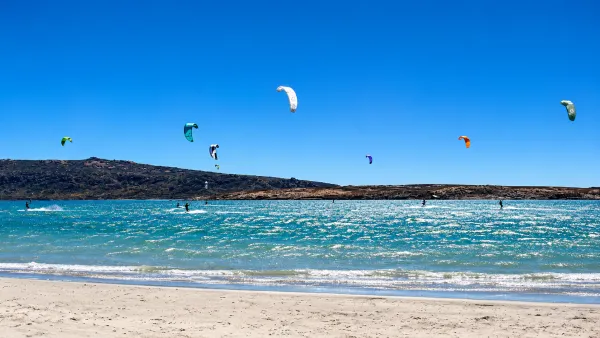
Cannon Rocks is an exposed ocean kitesurfing destination on South Africa's Eastern Cape coast, located near Kenton-on-Sea, approximately 20 kilometres to the west. Known for its strong coastal winds, extensive sandy beaches and powerful Indian Ocean swell, Cannon Rocks offers a combination of wave riding, freeriding and occasional flatter-water conditions. The main launching area, commonly known as Kite Beach, provides access to an open coastline where sandy sections alternate with rocky formations and submerged reef features. Unlike the sheltered lagoons found elsewhere in South Africa, Cannon Rocks is primarily a wave-oriented destination, attracting intermediate and advanced kitesurfers seeking challenging conditions, reliable wind and relatively uncrowded riding areas.
The main kitesurfing season generally runs from September to April, although suitable wind conditions can occur throughout the year. Southwesterly and easterly winds are the most relevant directions, with their suitability depending on the selected launching area and local coastline orientation. Stronger wind events are common during the warmer months, providing excellent opportunities for powered freeriding, jumping and directional wave riding. Wind strength can vary considerably with passing weather systems, and experienced riders often favour smaller kites around 7–9 m² when conditions become particularly strong. The exposed coastline can produce gusts and rapid changes in wind direction, making it essential to assess the actual wind angle before launching. Cross-shore conditions are generally preferable, while offshore winds require particular caution because of the risk of drifting away from the beach.
Water conditions at Cannon Rocks are predominantly wavy and choppy, with Indian Ocean swell creating breaking waves along the exposed coastline. When wind and swell align, the spot can deliver enjoyable directional wave riding, including carving turns, bottom turns and down-the-line sections. Some nearshore areas may offer relatively smoother water depending on the tide and surrounding rock formations, although Cannon Rocks should not be considered a dedicated flat-water spot. Tidal changes significantly influence the available riding space and the position of breaking waves. At lower tides, rocky shelves and submerged formations become more prominent, particularly around the section known as The Wreck, where exposed rock slabs can create serious hazards. Higher water levels may cover some obstacles but can also bring breaking waves closer to the shoreline, making careful assessment of the entry and exit areas essential.
Launching and landing generally take place from the sandy sections of Kite Beach, with public access and parking available near the main riding area. The relatively uncrowded shoreline provides room for preparing equipment, although riders must choose their launching position carefully to avoid rocks, exposed reef and other obstacles. Cannon Rocks is best suited to intermediate and advanced kitesurfers confident in ocean conditions, wave riding and self-rescue techniques. Beginners should seek more sheltered locations with predictable water depth and fewer hazards. A directional surfboard paired with a responsive wave kite is the preferred equipment for dedicated wave sessions, while a freeride twin-tip is suitable for jumping and powered cruising when conditions permit. Water temperatures are generally more comfortable than along South Africa's colder Atlantic coast, but a 3/2 mm wetsuit is recommended during warmer months, with a 4/3 mm suit providing additional protection during cooler periods or extended sessions.
The main hazards include submerged rocks, exposed reef shelves, powerful breaking waves, changing tidal depth and strong coastal winds. Spring low tides can reveal extensive rocky sections that significantly reduce safe riding areas, while larger swells may create difficult shorebreak and challenging conditions for returning to the beach. Riders should inspect the coastline before launching, maintain generous clearance from rocky formations and avoid unfamiliar sections when visibility or water depth is insufficient. Despite these challenges, Cannon Rocks remains one of the Eastern Cape's distinctive kitesurfing destinations, offering strong seasonal winds, excellent wave-riding potential and extensive uncrowded beaches. Its combination of technical ocean conditions and varied riding opportunities makes it particularly rewarding for experienced kitesurfers seeking powerful sessions along South Africa's rugged Indian Ocean coastline.
Something missing or out of date at this spot? Suggest a correction
Cannon Rocks is best suited for
Spot profile
- Travel spotA proven kite destination with reliable conditions, worth a trip. Kiters fly in from all over the world for their kite holidays, and you will probably find schools, rentals and a lively kite scene nearby.
- Local spotNot worth a long trip, but a great option if you live nearby and the wind is on. Ideal for a quick session after work or a spare afternoon, without planning a whole trip.
Equipment
Medium-size kites in the 7 m to 9 m range are commonly used at Cannon Rocks when the wind is consistent, with a wetsuit advisable for most of the year as water temperatures typically range from 17 to 25 degrees Celsius depending on season; most riders use a 3/2 mm or 4/3 mm full wetsuit in shoulder season and may go thinner in peak summer, but it's rarely shorts and a rash vest only. Reef booties are strongly recommended given the rocky sections of the spot and the increased chance of exposed rock at low tide, especially near The Wreck. Boards that handle waves and chop excel here, with a directional or surfboard being a good choice, but freeride twin-tips and larger allrounders work well on the flatter sections closer to shore when conditions permit.
Wind Conditions
Main wind directions
Windy days per month
Share of the days with more than 10 knots.
Wind speed range
11 - 22 knots
Wind strength on rideable days
- 7-11 kn55%
- 12-16 kn34%
- 17-22 kn10%
- 23-28 kn1%
- 29+ kn0%
Share of the daytime hours with 7+ knots.
Calculate your kite size
Estimate for a rider of your weight at Cannon Rocks: kite size = weight / wind speed x 2.2, adjusted for the kite shape and aspect ratio. Board, skills and gusts change the ideal size.
Month by month at Cannon Rocks
| Metric | Jan | Feb | Mar | Apr | May | Jun | Jul | Aug | Sep | Oct | Nov | Dec |
|---|---|---|---|---|---|---|---|---|---|---|---|---|
| Wind | ||||||||||||
| Rideable daysdays | 30.5 | 26 | 26 | 25 | 21.5 | 21 | 23 | 25.5 | 26 | 30 | 27.5 | 30.5 |
| Usable windhours | 236 | 205 | 201 | 192 | 153 | 151 | 170 | 190 | 198 | 241 | 216 | 248 |
| Average gustsknots | 23 | 23 | 21 | 20 | 17 | 17 | 19 | 21 | 22 | 25 | 23 | 24 |
| Temperature | ||||||||||||
| Air°C | 24 | 24 | 24 | 21 | 20 | 19 | 18 | 18 | 19 | 20 | 21 | 23 |
| Sea°C | 18 | 19 | 19 | 17 | 18 | 17 | 18 | 18 | 18 | 17 | 18 | 19 |
| Weather and sea | ||||||||||||
| Sunshinehours / day | 10.4 | 10.7 | 9.9 | 8.5 | 8.9 | 8.4 | 9 | 9.7 | 9.4 | 10 | 11.3 | 11.4 |
| Rainmm | 40 | 36 | 48 | 58 | 47 | 58 | 34 | 26 | 58 | 64 | 50 | 67 |
| Rainy daysdays | 7.5 | 7 | 9 | 8.5 | 6 | 5.5 | 7 | 5 | 9.5 | 10.5 | 10 | 10 |
| Wave heightm | 2 | 2.1 | 2.2 | 2.4 | 2.5 | 2.7 | 2.8 | 2.9 | 2.7 | 2.4 | 2.2 | 2.1 |
Typical monthly averages over several years, based on weather data: local thermal winds are usually stronger than shown, and sea temperature and waves are a regional estimate. A rideable day has at least 3 hours of 7+ knots between 10:00 and 18:00, usable wind counts those hours, a rainy day has 1 mm or more.
Forecast on Windy.com
Kitesurfing Safety & Local Rules at Cannon Rocks
The main hazards at Cannon Rocks, on South Africa's Eastern Cape coast, are exposed rock formations, submerged obstacles and changing tidal conditions. Around The Wreck area, particularly during spring low tides, extensive rock slabs may become exposed or remain hidden just beneath the surface. Poorly timed launches, landings or returns can result in collisions with rocks, hard falls and damage to boards or fins. Riders losing ground downwind may also find themselves approaching increasingly rocky sections of the shoreline. Check tide tables carefully, inspect entry and exit points before launching and maintain generous clearance from exposed or submerged rocks.
Cannon Rocks is exposed to open-ocean swell, powerful breaking waves and occasional heavy shorebreak, making water starts, kite relaunching and returning to shore challenging. Strong currents may develop under certain tidal conditions, while increasing wind strength or sudden direction changes can complicate kite control. Cross-shore winds can carry riders along the coastline toward rocky areas, particularly after equipment failure or an unsuccessful manoeuvre. Avoid launching in marginal conditions, maintain sufficient upwind position and identify a safe downwind exit before entering the water. Less experienced riders should avoid sessions with large swell or strong currents.
The relatively remote location and absence of dedicated lifeguard or kitesurfing rescue services make self-reliance particularly important. Equipment failure, injury or loss of board control in heavy surf may require a difficult self-rescue, with emergency assistance potentially taking time to arrive. Cannon Rocks is therefore better suited to confident intermediate and advanced riders experienced in open-ocean conditions. Avoid riding alone, inspect equipment carefully and maintain adequate separation from other riders and beach users during launching and landing. Constant awareness of tides, wind changes and rocky shoreline hazards is essential for a safe session.
How to reach Cannon Rocks
- Closest cityKenton-on-Sea
- How to get thereFly into Port Elizabeth Airport, then drive north on the N2 and take the R72 turnoff toward Port Alfred. Cannon Rocks is about 20 km from Kenton-on-Sea, around 135 km east of Port Elizabeth.
- AccessThe spot appears to be publicly accessible from the beach area near Cannon Rocks. No special fee or permit requirement is mentioned in the available information. Access is generally by road, with the village reached from the N2 and R72, and some spot information highlights parking at the site. Private or regulated access is not indicated in the material gathered.
No-Wind Days: What to Do Around Cannon Rocks
Cannon Rocks is a small, peaceful seaside village along South Africa's Eastern Cape coastline, offering a refreshing alternative to the country's busier beach resorts. Surrounded by unspoilt beaches, coastal dunes and natural vegetation, it is particularly appealing to travellers who appreciate quiet surroundings and a slower pace of life. Beyond kitesurfing, the area offers long beach walks, fishing, birdwatching and opportunities to explore some of the Eastern Cape's most beautiful natural landscapes and wildlife reserves.
The beach is Cannon Rocks' greatest attraction, with kilometres of open sand, rolling Indian Ocean waves and relatively little development. Early morning walks, photography and relaxing beside the ocean are among the simplest pleasures here. The surrounding dunes and coastal vegetation provide habitats for birds and small wildlife, making the area attractive to nature lovers. Swimming requires caution, however, as exposed sections of the coastline can experience powerful surf, rip currents and changing tidal conditions. Visitors should seek local advice before entering the water, particularly when travelling with children.
One of the area's distinctive landmarks is the nearby Alexandria dune field, part of the extensive coastal dune system associated with Addo Elephant National Park. These impressive shifting sand dunes create an extraordinary landscape, with opportunities for guided walks and photography in authorised areas. The contrast between the white dunes, coastal vegetation and deep blue ocean makes this stretch of the Eastern Cape particularly scenic. Access to protected sections may require permits or authorised guides, so arrangements should be checked in advance.
For wildlife enthusiasts, Addo Elephant National Park is one of the region's major attractions. The park protects a remarkable diversity of habitats and wildlife, including elephants, buffalo, lions and numerous antelope species. Its main game-viewing areas are farther inland, so a safari requires a substantial drive rather than a quick excursion from Cannon Rocks. Visitors planning a longer stay can arrange a full-day trip or overnight safari to experience one of South Africa's most important conservation areas. Information about park activities, entrance requirements and accommodation is available through the official Addo Elephant National Park website.
Nearby Kenton-on-Sea offers additional beaches, restaurants and opportunities for outdoor recreation. Situated between the Bushmans and Kariega river estuaries, the town is known for its beautiful coastal scenery, sheltered river environments and relaxed holiday atmosphere. Kayaking, river cruises and fishing excursions may be arranged through local operators, while the surrounding beaches provide excellent opportunities for walking and photography. The neighbouring village of Bushmans River Mouth is another pleasant destination for exploring the area's estuaries and enjoying a quieter afternoon beside the water.
For visitors interested in local culture and coastal history, Port Alfred offers a broader selection of restaurants, shops and attractions within a manageable drive. Its Kowie River waterfront, marina and surrounding beaches provide a different atmosphere from Cannon Rocks' isolated shoreline. The wider Sunshine Coast region also features small coastal communities, nature reserves and scenic routes worth exploring by car. These excursions are particularly enjoyable for non-kiting partners who want to discover more of the Eastern Cape without committing to a long safari journey.
Accommodation in Cannon Rocks is relatively limited, consisting mainly of self-catering cottages, holiday homes and small guesthouses, along with local holiday resort facilities. Restaurants, supermarkets and other essential services are more readily available in Kenton-on-Sea, so stocking up before arriving is advisable. A rental car is strongly recommended, as public transport options are limited and many attractions are spread across the region. The village's quiet character is part of its appeal, but visitors should not expect extensive nightlife, shopping or the facilities of a major tourist resort.
With its wild beaches, impressive coastal dunes and access to the Eastern Cape's wildlife reserves, Cannon Rocks offers a rewarding escape beyond kitesurfing. Whether walking along an almost deserted shoreline, exploring the Alexandria dune fields, discovering the estuaries around Kenton-on-Sea or planning a safari in Addo Elephant National Park, visitors will find plenty of opportunities to enjoy nature and outdoor adventure. Its peaceful village atmosphere makes Cannon Rocks particularly suitable for independent travellers, couples and families seeking a quiet coastal holiday away from the crowds.
Other kitesurfing spots near Cannon Rocks
All kitesurfing spots in South Africa
Last updated: