
Kitesurfing in Umdloti
Durban · South Africa
- Spot type Wave
- Rider level beginner
- Water Dark - Clear
- Beach Sand
- Crowd Some bystanders
- Tide effect Conditions vary
Kitesurfing in Umdloti: Conditions, Wind & Season
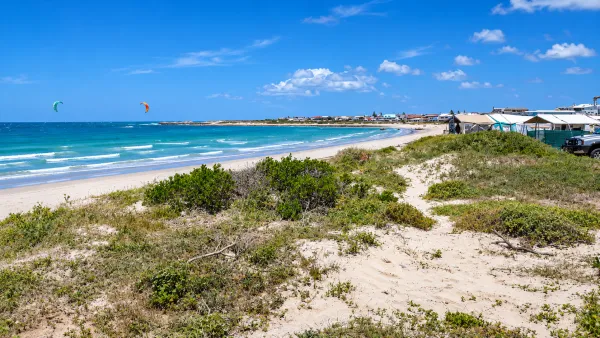
Umdloti Beach is an exposed ocean kitesurfing location on South Africa's KwaZulu-Natal North Coast, approximately 25 kilometres north of Durban and close to King Shaka International Airport. Facing the warm waters of the Indian Ocean, Umdloti offers a combination of sandy beach launches, rolling surf and occasionally powerful breaking waves. Unlike the sheltered flat-water lagoons found at other South African kitesurfing destinations, Umdloti is primarily an ocean freeriding and wave-riding spot, with conditions strongly influenced by swell, wind direction and changing weather patterns. The coastline provides extensive sandy sections for preparing equipment, although the available launching space varies with tide, beach erosion and the presence of swimmers. Its warm water and relatively open shoreline make Umdloti appealing to intermediate and advanced kitesurfers looking for wave-oriented sessions near Durban.
Wind conditions at Umdloti are less predictable than at South Africa's established summer wind destinations around Cape Town. The KwaZulu-Natal coastline experiences seasonal winds associated with passing weather systems, with southwesterly and northeasterly flows providing potential kitesurfing opportunities throughout the year. Stronger southwesterly winds frequently accompany frontal changes, particularly from autumn through spring, while northeasterly sea breezes can develop during warmer periods. March to September can provide worthwhile riding opportunities, although suitable sessions depend on the combination of wind strength, direction and ocean conditions rather than a consistently reliable daily wind pattern. Lighter winds around 10–15 knots may be suitable for larger kites, while stronger weather-driven winds can exceed 20 knots and create more demanding conditions. Wind direction must be assessed carefully, as certain flows can become offshore or cross-offshore along sections of the beach, increasing the risk of drifting away from shore.
Water conditions are dominated by an exposed sandy beach break, with Indian Ocean groundswells and locally generated windswells producing anything from small rolling waves to powerful, challenging surf. During moderate swell, Umdloti can offer enjoyable freeriding between wave sets and opportunities to practise directional board control, carving turns and basic wave riding. When larger swells arrive, stronger shorebreak, rip currents and more demanding wave sections can develop, making entry and exit considerably more technical. Wind-driven chop is common during stronger conditions, while cleaner wave faces may appear when swell direction and wind angle align favourably. Tides influence the width of the beach, the position of breaking waves and the intensity of the shorebreak, although no single tidal stage guarantees ideal conditions. The predominantly sandy seabed is relatively forgiving, but submerged obstacles and rocky areas near certain sections of the coastline should not be overlooked. A directional surfboard is well suited to wave sessions, while a freeride twin-tip remains practical during smaller surf and moderate wind.
Launching and landing generally take place from accessible sandy sections of the beach, with public access points available around Umdloti. However, the shoreline is shared with swimmers, surfers and other recreational users, and the presence of lifeguarded swimming areas means kitesurfers must verify current local regulations and permitted launching locations before setting up. Umdloti is best suited to intermediate and advanced riders confident in ocean conditions, while beginners should seek professional instruction at a more sheltered and appropriately designated training location. During lighter winds, larger kites around 12–15 m² may be useful, while 8–12 m² sizes are often more appropriate when stronger coastal winds develop, depending on rider weight and equipment. Indian Ocean water temperatures remain comparatively warm throughout the year, making boardshorts or a rash guard comfortable during summer, while a short wetsuit or lightweight 3/2 mm full suit provides additional protection during cooler months and longer sessions.
The main hazards include powerful shorebreak, rip currents, changing swell conditions, sudden wind shifts and congestion around swimming areas. Stronger southwesterly winds associated with passing fronts can develop rapidly, while offshore or cross-offshore winds may make returning to the beach difficult. Riders should also remain aware of marine wildlife, respect lifeguard warnings and avoid launching close to swimmers or crowded beachfront sections. Although the sandy shoreline provides relatively accessible entry points, Umdloti should not be considered a consistently beginner-friendly kitesurfing location because of its exposed ocean conditions and variable wind. For experienced riders able to select suitable wind and swell windows, Umdloti offers rewarding freeriding and wave-kitesurfing opportunities along South Africa's warm Indian Ocean coastline, providing an alternative to the more established wind destinations of the Western Cape.
Something missing or out of date at this spot? Suggest a correction
Umdloti is best suited for
Spot profile
- Travel spotA proven kite destination with reliable conditions, worth a trip. Kiters fly in from all over the world for their kite holidays, and you will probably find schools, rentals and a lively kite scene nearby.
- Family spotEasy to visit with family and friends. Facilities are close by and non-kiters have plenty to do while you are on the water, so everyone enjoys the day, whether they kite or not.
- Local spotNot worth a long trip, but a great option if you live nearby and the wind is on. Ideal for a quick session after work or a spare afternoon, without planning a whole trip.
Equipment
The most frequently used kite sizes are in the medium to large range, reflecting the light to moderate wind conditions common here; typical sizes are 10–14m but should be matched to the forecast. A wave or freeride board works best, with a surfboard or directional being useful on days when swell is pushing through and a twin-tip fine for general riding. Wetsuits are optional in peak summer but a shorty is sensible during early autumn and late spring, while a thin 3/2 full suit covers chillier winter stretches. Footwear is not usually required since the launch is all sand with no reef, and booties are optional.
Wind Conditions
Main wind directions
Windy days per month
Share of the days with more than 10 knots.
Wind speed range
10 - 19 knots
Wind strength on rideable days
- 7-11 kn64%
- 12-16 kn31%
- 17-22 kn5%
- 23-28 kn0%
- 29+ kn0%
Share of the daytime hours with 7+ knots.
Calculate your kite size
Estimate for a rider of your weight at Umdloti: kite size = weight / wind speed x 2.2, adjusted for the kite shape and aspect ratio. Board, skills and gusts change the ideal size.
Month by month at Umdloti
| Metric | Jan | Feb | Mar | Apr | May | Jun | Jul | Aug | Sep | Oct | Nov | Dec |
|---|---|---|---|---|---|---|---|---|---|---|---|---|
| Wind | ||||||||||||
| Rideable daysdays | 28 | 24 | 27.5 | 20.5 | 20 | 17 | 20.5 | 24.5 | 26 | 27.5 | 26.5 | 27.5 |
| Usable windhours | 220 | 183 | 208 | 150 | 138 | 107 | 140 | 175 | 185 | 204 | 197 | 208 |
| Average gustsknots | 21 | 20 | 20 | 17 | 15 | 14 | 16 | 19 | 20 | 21 | 21 | 21 |
| Temperature | ||||||||||||
| Air°C | 27 | 27 | 26 | 24 | 23 | 21 | 21 | 22 | 22 | 23 | 24 | 25 |
| Sea°C | 25 | 25 | 25 | 24 | 24 | 22 | 22 | 21 | 21 | 22 | 23 | 24 |
| Weather and sea | ||||||||||||
| Sunshinehours / day | 10.5 | 8.9 | 9.8 | 8.9 | 9.3 | 9.6 | 9.3 | 8.9 | 8.6 | 8.7 | 9.5 | 9.2 |
| Rainmm | 123 | 102 | 94 | 104 | 81 | 20 | 15 | 26 | 74 | 102 | 72 | 127 |
| Rainy daysdays | 11 | 13 | 11.5 | 10.5 | 5.5 | 3 | 4 | 5.5 | 8 | 10.5 | 10.5 | 15 |
| Wave heightm | 1.6 | 1.7 | 1.7 | 1.7 | 1.6 | 1.6 | 1.6 | 1.8 | 1.7 | 1.8 | 1.6 | 1.5 |
Typical monthly averages over several years, based on weather data: local thermal winds are usually stronger than shown, and sea temperature and waves are a regional estimate. A rideable day has at least 3 hours of 7+ knots between 10:00 and 18:00, usable wind counts those hours, a rainy day has 1 mm or more.
Forecast on Windy.com
Kitesurfing Safety & Local Rules at Umdloti
The main hazards at Umdloti, near Durban on South Africa's KwaZulu-Natal coast, are powerful shorebreak, exposed ocean swell and changing coastal currents. Strong breaking waves can make water entry, kite relaunching and returning to shore particularly challenging, especially when larger swells arrive or tides alter the surf conditions. Lateral currents and shifting sandbanks may also carry riders along the beach or into heavier breaking sections. A failed water start or dropped kite in the shorebreak can result in hard falls, damaged equipment or difficult board recovery. Check swell and tide conditions carefully, identify safe entry and exit points and avoid riding when the surf exceeds your abilities.
Wind conditions can change rapidly, with strong side-onshore or cross-onshore winds pushing riders toward the beach and into breaking waves. Sudden gusts or shifts in direction may complicate kite control, particularly during launching and landing close to the active surf zone. Conditions can deteriorate quickly as wind strength, swell and tidal currents interact, making continuous observation essential. Maintain sufficient upwind position, choose an appropriate kite size and avoid launching when strong shorebreak or unstable winds leave little margin for error. Riders should be confident in open-ocean conditions and capable of performing self-rescue when necessary.
Umdloti is a public beach shared with swimmers, surfers, walkers and families, particularly during weekends and holiday periods. Congested sections increase the risk of collisions, tangled lines and uncontrolled kite movements near bystanders. Shark sightings are occasionally reported along the wider coastline, so any local warnings or water closures should be respected. Although emergency services are accessible from nearby urban areas, there is no dedicated kitesurfing rescue boat stationed at the beach. Launch well away from other beach users, maintain generous clearance from surfers and swimmers, and remain alert to changing ocean conditions throughout the session.
How to reach Umdloti
- Closest cityDurban
- How to get thereUmdloti is a straightforward drive from Durban and King Shaka International Airport, the nearest major airport. From Durban, travel north along the coastal road—car or taxi works well. For most, flying into Durban and renting a car is the fastest route, especially with kite gear.
- AccessUmdloti beach is publicly accessible with no special permit required. Launch and land from the main sandy beach area, with good parking and easy road connections via the town. Facilities nearby include showers, toilets, shop services, casual food and drink, parking, and spot-listed rescue and lesson support. Public access keeps logistics simple for repeat sessions or day trips.
No-Wind Days: What to Do Around Umdloti
Umdloti is a charming seaside village along South Africa's KwaZulu-Natal North Coast, located between Durban and the popular resort town of Umhlanga. Known for its warm Indian Ocean waters, rocky tidal pools and relaxed beachfront atmosphere, Umdloti offers an appealing alternative to the busier tourist destinations farther south. Its combination of beautiful beaches, oceanfront restaurants and convenient access to Durban's attractions makes it particularly suitable for families, couples and non-kiting partners looking for a comfortable coastal holiday.
Umdloti Beach is the heart of the village, with golden sand, rocky outcrops and beautiful views across the Indian Ocean. Long morning walks, photography, sunbathing and relaxing beside the water are among the simplest pleasures here. One of the area's most distinctive features is its natural tidal pool, where rocky formations create a more sheltered environment for swimming and observing small marine creatures. Conditions vary with the tides and swell, however, and visitors should use designated bathing areas, follow lifeguard instructions and respect any temporary swimming restrictions. The exposed sections of the beach can experience powerful surf and rip currents, making local safety advice particularly important for families with children.
Surfing, bodyboarding and stand-up paddleboarding are popular activities along the surrounding coastline when conditions are suitable. The warm subtropical climate also makes Umdloti attractive for beach relaxation throughout much of the year. Snorkelling may be possible around suitable rocky areas during calm, clear-water conditions, although visibility is variable and exposed reefs should be approached cautiously. Visitors who prefer a slower pace can enjoy the beachfront promenade, explore the tidal pools or simply watch the waves from one of the oceanfront cafés.
Just south of Umdloti, Umhlanga offers a livelier coastal atmosphere with a beautiful promenade, restaurants, shopping centres and entertainment venues. The iconic Umhlanga Lighthouse is one of the area's best-known landmarks, while the nearby Umhlanga Lagoon Nature Reserve provides walking trails through coastal forest and wetland habitats. Birdwatching and photography are particularly rewarding in this protected environment. Umhlanga's restaurants and cafés also make it an excellent destination for an evening out, offering more variety than Umdloti's quieter village centre.
Durban, approximately 25 kilometres south of Umdloti, provides plenty of opportunities for sightseeing and family activities. The city's famous Golden Mile features beaches, promenades and a lively waterfront atmosphere, while uShaka Marine World is one of the region's best-known attractions, combining a large aquarium with marine-themed entertainment and educational experiences. Visitors can also explore Durban's markets, discover its distinctive Indian-influenced cuisine or enjoy the city's shopping and cultural attractions. Bunny chow, a local speciality consisting of curry served inside a hollowed-out loaf of bread, is particularly worth trying during a visit.
For nature lovers, the KwaZulu-Natal North Coast offers several worthwhile excursions. The nearby Hawaan Forest and Umhlanga Lagoon area protect important coastal vegetation and wildlife habitats, while farther north, the coastal towns of Ballito and Salt Rock provide additional beaches, tidal pools and scenic viewpoints. Dolphin sightings are sometimes possible from the shoreline, particularly during calm mornings, although encounters are never guaranteed. Seasonal whale watching can also be rewarding along this coastline, with migrating humpback whales occasionally visible offshore during the winter and spring months.
Umdloti offers a comfortable selection of beachfront apartments, self-catering holiday rentals, guesthouses and small accommodation establishments, many within walking distance of the beach. Restaurants, cafés and casual eateries line the main beachfront road, while larger supermarkets, shopping centres and medical facilities are available in nearby Umhlanga and surrounding suburbs. King Shaka International Airport is conveniently located a short drive north of Umdloti, making the village particularly accessible for domestic and international visitors. A rental car is useful for exploring the wider coastline, although taxis and ride-hailing services provide alternatives for shorter journeys. Visitors should check current beach water-quality notices before swimming and follow normal urban travel precautions.
With its warm Indian Ocean waters, natural tidal pools and relaxed coastal atmosphere, Umdloti offers plenty to enjoy beyond kitesurfing. Whether exploring the shoreline, discovering the restaurants and promenade of Umhlanga, visiting Durban's aquarium or enjoying a scenic drive along the North Coast, visitors will find an appealing combination of beach relaxation and nearby attractions. Its convenient location and welcoming holiday atmosphere make Umdloti an excellent choice for a family kitesurfing holiday or a coastal escape with non-kiting partners.
Other kitesurfing spots near Umdloti
All kitesurfing spots in South Africa
Last updated: