
Kitesurfing in Galu Beach
Diani Beach / Ukunda · Kenya
- Spot type Flat
- Rider level beginner
- Water Dark - Clear
- Beach Sand
- Crowd Few people
- Tide effect Conditions vary
Kitesurfing in Galu Beach: Conditions, Wind & Season
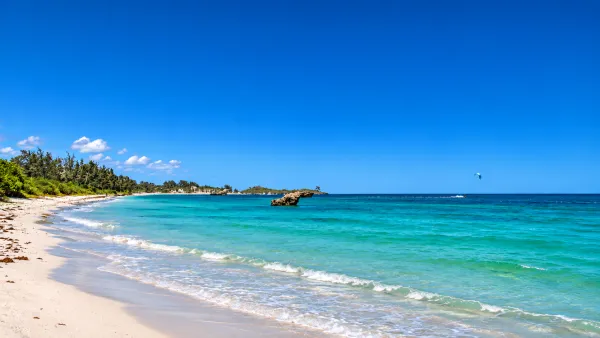
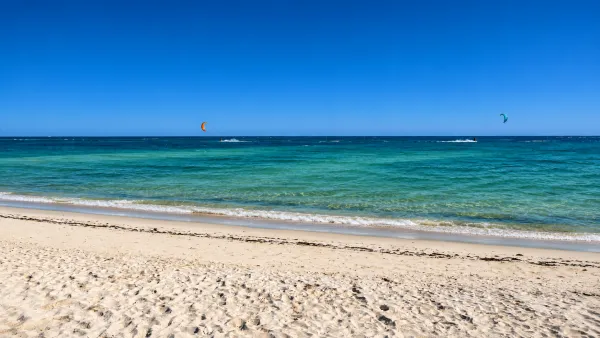
Galu Beach is one of the most popular kitesurfing destinations on Kenya's southern coast, located just south of Diani Beach in Kwale County, approximately 35 kilometres south of Mombasa. Stretching along a beautiful white-sand shoreline facing the Indian Ocean, Galu offers a combination of warm tropical water, reliable seasonal trade winds and a reef-protected lagoon. Its extensive sandy beach provides generous space for launching and landing, while the sheltered water inside the reef creates excellent conditions for freeriding, beginner progression and freestyle. Unlike more exposed ocean spots, Galu offers a relatively forgiving riding environment, although changing tides, shallow coral and stronger winds require careful attention. The presence of established kite schools and equipment rental facilities makes it particularly attractive to riders looking for accessible kitesurfing conditions along the Diani–Galu coastline.
The kitesurfing season follows Kenya's two main monsoon wind systems. The northeasterly Kaskazi generally blows from mid-December to mid-March, bringing warm, relatively steady winds that often strengthen through the morning and afternoon, typically reaching around 15–22 knots during favourable conditions. The southeasterly Kusi, also known as Kuzi, runs mainly from mid-June to September and usually delivers stronger winds, commonly around 18–25 knots, with occasional more powerful days. Both wind systems can provide suitable side-shore to side-onshore conditions along the beach, depending on the precise launching position. The Kaskazi season is particularly appealing for relaxed freeriding and progression, while the stronger Kusi winds offer more powered sessions for jumping, freestyle and experienced riders. Wind reliability decreases during the transitional months, making the two main monsoon periods the preferred seasons for kitesurfing at Galu Beach.
Water conditions at Galu are strongly influenced by the tide and the protective offshore reef. At lower water levels, the lagoon can become exceptionally flat, with extensive shallow sections providing smooth surfaces for practising water starts, transitions, upwind riding and controlled freestyle manoeuvres. However, very low tides may expose coral formations and leave insufficient depth for safe riding, particularly during spring tides. As the water rises, the lagoon becomes deeper and generally develops more wind-driven chop, offering greater freedom of movement for freeriding and jumping. Beyond the outer reef, Indian Ocean swell can produce breaking waves suitable for directional wave riding when conditions align. The predominantly sandy nearshore areas are relatively forgiving, but isolated coral patches, shells and reef formations require attention. A freeride or freestyle twin-tip is the most versatile board choice, while hydrofoiling is possible only where sufficient depth and clear passages are available.
Launching and landing generally take place directly from the wide sandy beach, with access available through public beach approaches and established kite centres along the Galu waterfront. The open shoreline usually provides adequate space for rigging, although riders should maintain clearance from swimmers, pedestrians and other recreational users. Galu is suitable for beginners under professional supervision, particularly during moderate winds and appropriate tidal conditions, while intermediate and advanced riders can enjoy powered freeriding, freestyle and occasional wave sessions beyond the reef. Local kite schools offer instruction, equipment rental and practical guidance on wind and tide conditions, with rescue support depending on the operator. Kite sizes around 9–14 m² cover many moderate-wind sessions, while smaller sizes may be required during stronger Kusi conditions. Water temperatures remain warm throughout the year, making boardshorts or a swimsuit with a rash guard sufficient for most sessions, although a lightweight wetsuit and protective footwear can provide additional comfort and protection from coral.
The main hazards include shallow coral reefs, changing tidal depth, exposed reef sections and stronger chop during the Kusi season. At very low tide, parts of the lagoon may become too shallow for safe riding, while the outer reef can generate powerful breaking waves during larger swells. Riders should avoid jumping over shallow coral, identify safe passages before venturing beyond the reef and monitor the tide to ensure sufficient water depth for returning to shore. Wind direction, beach activity and any locally designated kite zones should also be respected. With its combination of seasonal trade winds, extensive sandy launching areas and versatile reef-protected water, Galu Beach remains one of Kenya's most appealing kitesurfing destinations, offering excellent opportunities for progression, relaxed freeriding and more energetic sessions along the southern Diani coastline.
Something missing or out of date at this spot? Suggest a correction
Galu Beach is best suited for
Spot profile
- Travel spotA proven kite destination with reliable conditions, worth a trip. Kiters fly in from all over the world for their kite holidays, and you will probably find schools, rentals and a lively kite scene nearby.
- Family spotEasy to visit with family and friends. Facilities are close by and non-kiters have plenty to do while you are on the water, so everyone enjoys the day, whether they kite or not.
- Local spotNot worth a long trip, but a great option if you live nearby and the wind is on. Ideal for a quick session after work or a spare afternoon, without planning a whole trip.
Equipment
The most common setup at Galu Beach is a twin tip board, ideal for the flat water lagoon, while a surfboard comes in handy if swell ramps up on the outer reef during the windier season. Kite sizes between 9 and 12 meters cover most riders through both wind seasons, with the option to size up or down depending on rider weight, desired discipline, or seasonal variation—lighter winds in Kaskazi from December to March, stronger breezes during Kusi from June to September. Wetsuits are generally unnecessary thanks to the warm tropical water; most kite in board shorts or a shorty all year, with a thin spring suit or light lycra layer adding comfort during cooler windy months. Given the presence of shallow, sometimes sharp coral underfoot, reef shoes are advisable for wading and walking in the lagoon, especially at low tide.
Wind Conditions
Main wind directions
Windy days per month
Share of the days with more than 10 knots.
Wind speed range
10 - 17 knots
Wind strength on rideable days
- 7-11 kn72%
- 12-16 kn27%
- 17-22 kn1%
- 23-28 kn0%
- 29+ kn0%
Share of the daytime hours with 7+ knots.
Calculate your kite size
Estimate for a rider of your weight at Galu Beach: kite size = weight / wind speed x 2.2, adjusted for the kite shape and aspect ratio. Board, skills and gusts change the ideal size.
Month by month at Galu Beach
| Metric | Jan | Feb | Mar | Apr | May | Jun | Jul | Aug | Sep | Oct | Nov | Dec |
|---|---|---|---|---|---|---|---|---|---|---|---|---|
| Wind | ||||||||||||
| Rideable daysdays | 29 | 28 | 29 | 29 | 31 | 30 | 31 | 31 | 30 | 30 | 24 | 23 |
| Usable windhours | 227 | 217 | 210 | 234 | 275 | 264 | 275 | 269 | 258 | 241 | 160 | 150 |
| Average gustsknots | 21 | 21 | 19 | 21 | 23 | 24 | 23 | 21 | 21 | 19 | 17 | 17 |
| Temperature | ||||||||||||
| Air°C | 30 | 30 | 30 | 28 | 27 | 26 | 26 | 26 | 27 | 28 | 29 | 29 |
| Sea°C | 29 | 29 | 30 | 29 | 28 | 27 | 26 | 26 | 27 | 28 | 29 | 29 |
| Weather and sea | ||||||||||||
| Sunshinehours / day | 11.2 | 11.2 | 10.9 | 8.9 | 9.6 | 10.1 | 10.3 | 10.8 | 11.2 | 11.4 | 11.1 | 11.5 |
| Rainmm | 70 | 28 | 73 | 257 | 150 | 123 | 99 | 68 | 68 | 111 | 140 | 142 |
| Rainy daysdays | 15.5 | 10 | 15.5 | 26.5 | 23 | 23.5 | 25 | 24 | 23 | 20 | 21 | 25.5 |
| Wave heightm | 1.1 | 1 | 0.7 | 0.8 | 1.2 | 1.4 | 1.4 | 1.3 | 1.2 | 1 | 0.7 | 0.8 |
Typical monthly averages over several years, based on weather data: local thermal winds are usually stronger than shown, and sea temperature and waves are a regional estimate. A rideable day has at least 3 hours of 7+ knots between 10:00 and 18:00, usable wind counts those hours, a rainy day has 1 mm or more.
Forecast on Windy.com
Kitesurfing Safety & Local Rules at Galu Beach
The main hazards at Galu Beach, on Kenya's south coast near Diani, are shallow coral reefs, exposed underwater obstacles and changing water depths within the lagoon. At low tide, reef formations may become exposed or remain just beneath the surface, increasing the risk of cuts, hard falls and equipment damage. Riders attempting jumps or tricks in shallow sections can easily strike coral, while walking or dragging boards across the reef may cause foot and ankle injuries. Protective reef shoes are strongly recommended, particularly for beginners. Check tide tables carefully, identify sandy channels and avoid riding at speed over unfamiliar shallow areas.
As the tide rises, the lagoon becomes deeper but can also develop increased chop and stronger wave action. Beyond the protective reef, particularly during the peak Kusi season, larger swells and breaking waves create more demanding conditions, with the added risks of currents and impacts against shallow coral. Riders who lose control outside the lagoon may struggle to relaunch their kites or return safely through the reef. Less experienced kitesurfers should remain within the sheltered riding area, especially during strong winds or larger swells. Monitor changing water depths and use established passages when entering or leaving the lagoon.
Galu Beach is shared with kite schools, resort guests, swimmers and other recreational users, making careful launching and landing essential. Use the established sandy launching areas near recognised kite centres, respect designated swimming zones and maintain generous clearance from other beach users. Local schools may operate specific access arrangements or temporary restrictions, so check current procedures before rigging. Rescue support may be available through kite centres, but riders should not assume that assistance is guaranteed outside supervised areas. Following local guidance, respecting right-of-way rules and planning sessions around suitable tides are essential for safe kitesurfing at Galu Beach.
How to reach Galu Beach
- Closest cityDiani Beach / Ukunda
- How to get thereFly into Mombasa (MBA) or Ukunda (UKA) airstrip, then drive south along the coast road to Galu Beach. From Mombasa, travelers typically cross the Likoni ferry and continue south toward Diani and Galu; local access is usually by road from the Diani area.
- AccessGalu Beach is publicly reachable through the Diani south-coast area, but practical access is often through beachfront hotels, resorts, or kite centers located directly on the sand. Some stretches may feel semi-managed because schools operate from resort property, and riders may need to use the designated beach entry or launch area tied to the center they are visiting. No special mountain-style permit system is indicated, but local organization and resort-based access can affect where you park, rig, or launch.
No-Wind Days: What to Do Around Galu Beach
Located along Kenya's beautiful southern coastline, Galu Beach offers a peaceful tropical escape just south of the more developed Diani Beach. Its long stretches of white sand, swaying palm trees and turquoise Indian Ocean waters create an idyllic setting for relaxation, while nearby Diani provides restaurants, shops and a wide range of tourist facilities. Quieter and less crowded than its famous neighbour, Galu is particularly appealing for couples, families and non-kiting partners looking to combine a beach holiday with nature, wildlife and cultural experiences.
Galu Beach itself is one of the area's greatest attractions. Its broad sandy shoreline is ideal for long morning walks, photography, sunbathing and relaxing beneath the palms. At low tide, the retreating ocean reveals shallow pools and sections of reef, creating an ever-changing coastal landscape. Swimming can be enjoyable when conditions are suitable, although exposed coral, sea urchins and tidal currents require caution. Many beachfront hotels and villas also offer swimming pools, tropical gardens and comfortable lounging areas, providing alternatives when the ocean is less inviting.
Snorkelling, diving and boat excursions are among the most popular activities along the Diani and Galu coastline. The offshore reef supports colourful tropical fish and other marine life, while local operators arrange snorkelling trips, glass-bottom boat excursions and stand-up paddleboarding in suitable conditions. For a more adventurous day trip, Kisite-Mpunguti Marine National Park near Wasini Island offers some of Kenya's most beautiful marine scenery, with coral reefs, tropical fish and occasional dolphin sightings. Responsible operators can arrange excursions from the Diani area, although wildlife encounters are never guaranteed.
One of the most rewarding excursions from Galu is Shimba Hills National Reserve, located inland from the coast. Its forested hills, grasslands and scenic viewpoints provide a striking contrast to the tropical beaches. The reserve is known for its population of sable antelope, along with elephants and other wildlife, although sightings depend on conditions and luck. Guided visits can also include the impressive Sheldrick Falls, subject to access arrangements and local conditions. For visitors with more time, longer safari excursions to Tsavo East or Tsavo West National Parks offer opportunities to experience Kenya's famous wildlife landscapes.
Nearby Diani offers plenty of activities for visitors seeking a break from the beach. Restaurants serve fresh seafood, Swahili coconut curries, grilled fish, Indian-inspired dishes and international cuisine, while beachfront cafés and bars provide relaxed places to spend an afternoon or evening. Small shopping centres, craft stalls and local markets offer opportunities to browse souvenirs and handmade products. Wellness treatments, yoga sessions and massages are also available at selected resorts and independent establishments, making the area particularly attractive for travellers who prefer a slower holiday rhythm.
Nature lovers can explore the coastal forest around Diani, including the Kaya Kinondo Sacred Forest, where guided visits introduce visitors to the cultural traditions of the Digo community and the importance of Kenya's sacred coastal forests. The nearby Colobus Conservation organisation also works to protect the region's threatened colobus monkeys and their habitat. Educational visits may be available by arrangement, providing an opportunity to learn about local wildlife conservation. These excursions are particularly rewarding for families and visitors interested in discovering the natural and cultural heritage of Kenya's southern coast.
Accommodation around Galu Beach ranges from boutique beachfront hotels and private villas to family resorts, guesthouses and self-catering apartments. The quieter atmosphere makes Galu especially suitable for longer stays, while Diani provides supermarkets, pharmacies, restaurants and other essential services. Ukunda Airport offers domestic flight connections, and Mombasa's Moi International Airport serves as a larger regional gateway. Taxis, tuk-tuks and private transfers are widely used for local journeys, while organised excursions make it possible to explore the surrounding region without renting a car. Visitors should use reputable operators for marine activities and wildlife excursions.
With its beautiful beaches, relaxed atmosphere and easy access to wildlife reserves and marine parks, Galu Beach offers plenty to enjoy beyond kitesurfing. Whether snorkelling over coral reefs, exploring the forests of Shimba Hills, discovering local Swahili cuisine or simply relaxing beneath the palms, visitors will find an appealing combination of tropical leisure and outdoor adventure. Its peaceful setting and proximity to Diani make Galu an excellent choice for a family kitesurfing holiday or a coastal escape with non-kiting partners.
Other kitesurfing spots near Galu Beach
All kitesurfing spots in Kenya
Last updated: