
Kitesurfing in Bofa Beach
Kilifi · Kenya
- Spot type Chop
- Rider level beginner
- Water Crystal Clear
- Beach Sand
- Crowd Some bystanders
- Tide effect Conditions vary
Kitesurfing in Bofa Beach: Conditions, Wind & Season
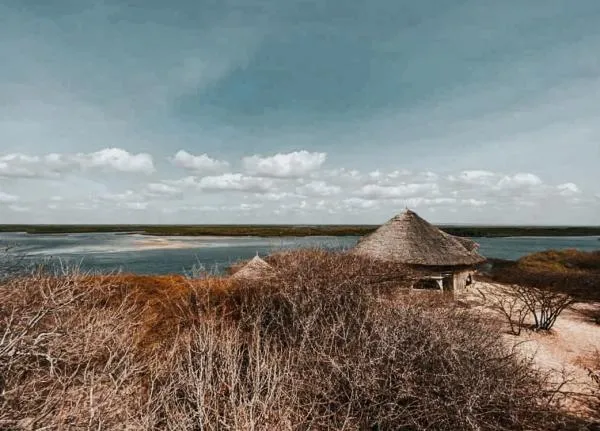
Bofa Beach is one of the most accessible tropical kitesurfing spots on Kenya's northern coast, located near Kilifi between Mombasa and Malindi. Stretching for approximately five kilometres along the Indian Ocean, this beautiful white-sand beach offers warm water, seasonal trade winds and generous space for launching and landing. Its combination of relatively shallow nearshore water, moderate chop and more exposed conditions farther offshore makes Bofa Beach attractive to beginners, intermediate riders and experienced kitesurfers seeking relaxed freeriding. Unlike more crowded resort beaches, Bofa maintains a relatively quiet atmosphere, with established kite facilities and plenty of open shoreline.
The kitesurfing season is influenced by Kenya's two main trade-wind systems. The northeasterly Kaskazi generally blows from December to March, often providing warm, relatively steady conditions suitable for freeriding and progression. The southeasterly Kusi is most active from June to September, typically bringing stronger winds and more energetic water conditions. January and February are particularly favourable during the Kaskazi season, while July and August are among the more reliable months for Kusi. During the peak wind periods, rideable conditions can occur frequently, although daily reliability varies and should not be assumed from seasonal averages alone. Outside these windows, lighter and less consistent winds can make kitesurfing more unpredictable.
Water conditions at Bofa Beach vary with the tide, wind strength and distance from shore. Nearshore sections can offer relatively flat to lightly choppy water, particularly when the tide provides sufficient depth over the shallow sandy areas. These conditions are well suited to practising water starts, transitions, upwind riding and basic freestyle manoeuvres. Farther offshore, stronger winds generate more noticeable chop, while exposed reef sections may produce small breaking waves when swell conditions are favourable. The beach is primarily a freeride and progression destination rather than a dedicated wave-riding spot, although experienced riders can find more challenging conditions beyond the sheltered nearshore areas.
Tides play an important role in determining the available riding depth and access to different sections of the beach. At lower tides, shallow areas and reef patches can become exposed, potentially restricting the usable water and increasing the risk of grounding. Mid to high tide generally provides more comfortable depth for freeriding, although higher water levels may reduce the width of the dry beach in some areas. The predominantly sandy seabed offers relatively forgiving conditions close to shore, but coral, rocks and other hard features may be present farther out. Riders should inspect the chosen area before launching and avoid shallow reef sections, particularly when attempting jumps or high-speed manoeuvres.
Launching and landing are generally straightforward thanks to the extensive sandy shoreline and several access paths connecting Bofa Road to the beach. The wide beach provides room for preparing equipment and maintaining clearance from other riders when conditions are suitable. Salty's Kitesurf Village is one of the established local kite centres, offering instruction and support for visiting riders. However, the beach is shared with swimmers, walkers and other recreational users, particularly during weekends and holiday periods. Kitesurfers should select open launching areas, respect any locally designated activity zones and maintain generous separation from people on the beach and in the water. Local guidance is particularly valuable when choosing a suitable tidal window or identifying submerged hazards.
Bofa Beach is suitable for beginner progression under professional supervision, while intermediate riders can enjoy comfortable freeriding, transitions and controlled freestyle in moderate winds. More experienced kiters may prefer stronger Kusi conditions for powered cruising and jumping, provided water depth and reef clearance are sufficient. A freeride twin-tip board is the most versatile equipment choice, with larger kites often useful during lighter Kaskazi sessions and smaller sizes appropriate when the Kusi strengthens. A kite range of approximately 9–14 m² can cover many moderate-wind sessions, depending on rider weight and conditions. Water temperatures remain warm throughout the year, so boardshorts or a swimsuit with a rash guard are usually sufficient, while a lightweight wetsuit may provide additional sun and abrasion protection.
The main hazards include shallow reef sections, changing tidal depth, coral and occasional stronger chop during the Kusi season. Although the sandy nearshore areas can appear forgiving, exposed or submerged reef features may cause injury or equipment damage, particularly during low tide. Wind direction and strength should be assessed carefully to avoid drifting offshore or entering unsuitable areas. Swimmers and other beach users also require attention, especially near popular access points and kite-school activity areas. Beginners should follow local instruction, while independent riders should confirm safe launching zones, adequate water depth and suitable wind conditions before every session.
Bofa Beach offers an appealing combination of tropical trade winds, warm Indian Ocean water and extensive sandy launching areas along Kenya's Kilifi coastline. Its seasonal Kaskazi and Kusi winds provide opportunities for relaxed freeriding, progression and more powered sessions, while the generally uncrowded shoreline makes it comfortable for riders seeking space. Although tidal changes and offshore reef hazards require attention, Bofa Beach remains an attractive destination for kitesurfers looking for accessible tropical riding with a well-established local kite scene.
Something missing or out of date at this spot? Suggest a correction
Bofa Beach is best suited for
Spot profile
Travel spot
The typical kite travel destination, it is known for its great conditions, and kiters from around the world come here for their vacations.
Family spot
Located in an area that offers amenities for all the family and can provide good alternatives for everyone when the kiters are in the water.
Equipment
A twin-tip board is the board of choice for both learning and freestyle at Bofa Beach thanks to the shallow and flat water conditions. During lighter days, a larger kite will maximize session time, while smaller kites are useful when the wind picks up during the Kusi season; most riders bring a range between 9 to 14sqm, but exact size will depend on rider weight and season. Water is warm year-round, so for most kiters a wetsuit is unnecessary: boardshorts and a rash vest are standard, or occasionally a shorty for rare cool or windy days. Booties are usually not needed due to the sandy bottom near launch, but can be handy for exploring sections with the outer reef or if walking further toward rocky areas. A basic beginner setup is very effective, as the first few hundred metres from shore offer forgiving depth and minimal hazards.
Wind Conditions
Main wind directions at Bofa Beach
Windy days per month in Bofa Beach
Wind Speed Range
From 12 to 25 Knots
Suggested sizes
8 - 9 mt
10 - 11 mt
12 - 13 mt
14 mt and above
Forecast on Windy.com
Kitesurfing Safety & Local Rules at Bofa Beach
The main hazards at Bofa Beach, near Kilifi on Kenya's coast, are shallow reef patches, isolated rocks and changing water depth with the tide. Although the inner sandy areas are generally suitable for beginners, moving outside the main flatwater zone can expose riders to coral formations and sharp underwater surfaces. Drifting too far downwind or misjudging the depth around the outer reef may result in hard impacts, cuts or equipment damage, particularly during crashes or body-dragging. Check tidal conditions carefully, identify safe channels and maintain sufficient clearance from reef edges and rocky sections.
During the Kusi season, generally from July to September, stronger southerly winds can produce substantial chop, sudden gusts and more demanding riding conditions. Changes in wind direction may also alter the safest launching and landing areas, particularly when the breeze shifts from side-onshore toward directly onshore or cross-offshore. Less experienced riders may struggle to maintain ground upwind or return safely when conditions become stronger. Monitor wind changes throughout the session, choose suitable kite sizes and avoid venturing toward the outer reef unless confident in managing deeper water, currents and variable conditions.
Bofa Beach is shared with swimmers, families, children and other visitors, especially around kite schools, beach bars and public access areas. People may unexpectedly enter launching zones, increasing the risk of collisions or contact with kite lines. Keep a generous safety distance from beachgoers, avoid flying kites over populated sections and use designated rigging areas whenever available. Equipment left unattended in public areas should also be monitored. Consult local instructors before riding to confirm current reef hazards, tidal conditions and the safest entry and exit points.
Location
Closest City
Kilifi
How to get There
Bofa Beach is about 10 minutes north of Kilifi town along Bofa Road. From Mombasa, the journey takes roughly an hour by road, and it's common to fly into Mombasa's airport then continue by car, taxi, matatu, tuk-tuk, or motorbike taxi. Road conditions are simple, with public access paths leading directly down to the sand and no single gated entrance.
Access
Bofa Beach is publicly accessible with several access paths from Bofa Road leading onto the sand. There's no single official entrance; Salty's Kitesurf Village and Bofa Beach Resort are the easiest reference points, both close to key launch areas. Free parking is available at Salty's, or else roadside parking is common. Beach access is unrestricted, and no special permit is required for regular use.
No-Wind Days: What to Do Around Bofa Beach
Located just north of Kilifi on Kenya's beautiful Indian Ocean coast, Bofa Beach offers an inviting combination of tropical scenery, relaxed coastal living and easy access to local amenities. Its long stretch of pale sand, warm turquoise water and swaying palm trees create an idyllic setting for travellers seeking a peaceful beach holiday away from the busier resorts of Mombasa and Watamu. The surrounding area retains an authentic Kenyan coastal atmosphere, with small guesthouses, beachfront restaurants and local communities contributing to its laid-back character. During no-wind days, visitors can enjoy swimming, kayaking, boat excursions, cultural experiences and scenic trips along the spectacular Kilifi coastline.
Bofa Beach itself is one of the area's greatest attractions, with a beautiful sandy shoreline extending along the Indian Ocean. The beach is ideal for long walks, jogging, sunbathing and relaxing beneath the palms, particularly during the quieter morning hours. The warm tropical climate makes spending time outdoors enjoyable throughout much of the year, while the changing tides reveal different sections of the shoreline. Swimming can be pleasant when sea conditions are calm, although visitors should pay attention to currents, waves and tidal changes. Beachfront cafés and casual restaurants provide comfortable places to enjoy a fresh juice, a relaxed lunch or sunset drinks overlooking the ocean.
Kilifi Creek is one of the region's most distinctive natural attractions, offering a sheltered waterway surrounded by mangroves, tropical vegetation and peaceful inlets. Its calmer sections are ideal for kayaking and stand-up paddleboarding when conditions are suitable, allowing visitors to explore the coastline from a different perspective. Boat excursions provide opportunities to discover secluded stretches of the creek, admire the surrounding landscape and observe coastal birdlife. Sunset cruises are particularly memorable, with golden light reflecting across the water and traditional boats passing through the sheltered channels. The creek's mangrove ecosystems are environmentally important, so visitors should choose responsible operators and avoid disturbing sensitive habitats.
Kilifi town provides an enjoyable introduction to everyday life on Kenya's northern coast. Its streets, markets and small businesses offer a more authentic atmosphere than the region's larger tourist resorts. Visitors can browse local stalls selling fresh fruit, vegetables, seafood and household goods, or stop at small restaurants serving traditional Swahili dishes. The town's coastal culture reflects a long history of trade and interaction between African, Arab and Indian communities. Exploring Kilifi's markets and neighbourhoods is a rewarding way to experience local life, particularly for travellers interested in food, culture and photography.
For visitors interested in history, the nearby Mnarani Ruins offer a fascinating glimpse into the Swahili coast's past. Located near Kilifi Creek, this archaeological site contains the remains of historic mosques and settlements associated with the region's medieval trading communities. The ruins are surrounded by beautiful coastal vegetation and provide attractive views across the creek. A visit offers an opportunity to learn about the area's cultural heritage while enjoying a peaceful walk through the historic grounds. The combination of archaeology, tropical scenery and coastal views makes Mnarani one of the most worthwhile cultural excursions from Bofa Beach.
The wider Kilifi region offers excellent opportunities for exploring Kenya's tropical coastline. Watamu, located farther north, is famous for its white sandy beaches, coral reefs and marine wildlife. Watamu Marine National Park provides opportunities for snorkelling, diving and glass-bottom boat excursions, with colourful reef fish and other marine species inhabiting its protected waters. Nearby Arabuko-Sokoke Forest is another remarkable destination, known for its biodiversity, forest trails and rare bird species. These excursions are particularly appealing for nature lovers and non-kiting partners looking to experience more than a traditional beach holiday.
For a longer day trip, Malindi offers a combination of coastal attractions, historic landmarks and lively local culture. Visitors can explore its markets, discover sites connected to the Swahili coast's trading history or enjoy seafood restaurants overlooking the ocean. South of Kilifi, the coastal road leads towards Mombasa, where historic Fort Jesus, the narrow streets of Old Town and the city's bustling markets provide a very different experience from the tranquillity of Bofa Beach. These destinations make it possible to combine a relaxed coastal stay with cultural sightseeing and exploration of Kenya's diverse coastal heritage.
Accommodation around Bofa Beach includes beachfront villas, boutique guesthouses, small resorts and self-catering properties, with options suitable for couples, families and longer stays. Casual beachfront restaurants and cafés provide meals and refreshments, while Kilifi town offers supermarkets, pharmacies, ATMs and other essential services. Fresh seafood, coconut-based dishes, grilled fish and Swahili specialities are among the highlights of the local cuisine. Kilifi is approximately 60 kilometres north of Mombasa, with travel times depending heavily on traffic, while Malindi Airport offers a closer arrival option for some domestic connections. Tuk-tuks, boda-boda motorcycles and local taxis are commonly used for short journeys, although a private transfer or rental car is more convenient for longer excursions. Visitors should take normal travel precautions, arrange reliable transport after dark and check local conditions before exploring isolated beaches.
With its beautiful tropical shoreline, sheltered creek and rich Swahili heritage, Bofa Beach offers plenty to enjoy beyond kitesurfing. Whether kayaking through the mangroves of Kilifi Creek, exploring the historic Mnarani Ruins, discovering local markets or taking a day trip to Watamu's coral reefs, visitors will find an appealing combination of relaxation, nature and cultural experiences. Its friendly atmosphere, convenient amenities and variety of nearby attractions make Bofa Beach an excellent choice for family kitesurfing holidays, non-kiting partners and travellers seeking an authentic experience along Kenya's Indian Ocean coast.
Other kitesurfing spots near Bofa Beach
All kitesurfing spots in Kenya
Last updated: