
Kitesurfing in Silversands
Watamu · Kenya
- Spot type Wave
- Rider level intermediate
- Water Dark - Clear
- Beach Sand
- Crowd Some bystanders
- Tide effect OK high tide
Kitesurfing in Silversands: Conditions, Wind & Season
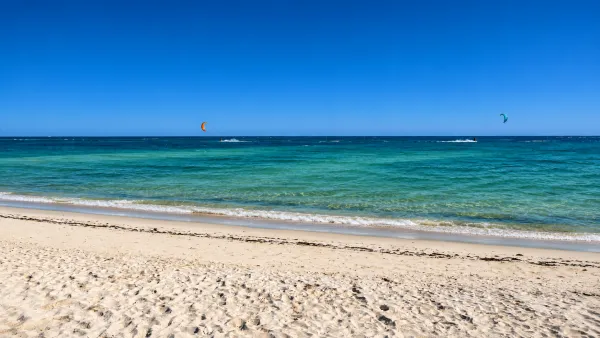
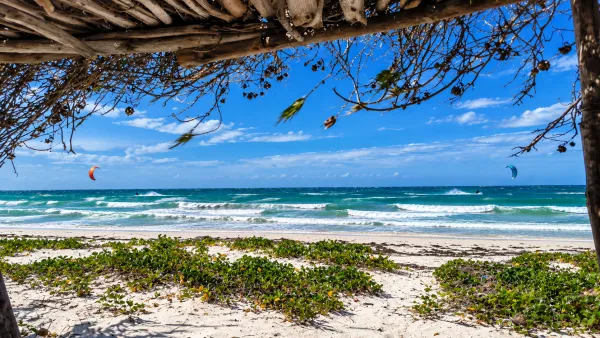
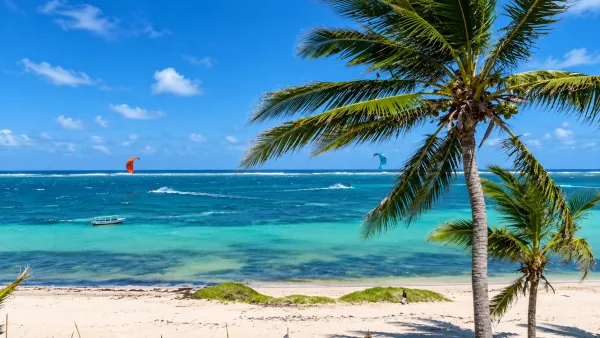
Silversands is an exposed wave-kitesurfing spot on Kenya's Indian Ocean coast, near Malindi and north of Watamu in Kilifi County. Unlike the sheltered lagoons and flat-water beaches found elsewhere along the Watamu coastline, Silversands is primarily a destination for experienced wave riders seeking clean swell, open-ocean conditions and down-the-line surfing. The spot features a sandy shoreline, deeper water and offshore reef formations that help shape incoming waves. Its appeal depends heavily on the combination of wind direction, swell and tide, making it a more technical and demanding location than the region's beginner-friendly kite beaches.
The best kitesurfing conditions generally occur during the southeasterly Kusi monsoon, which runs from June to September, with July and August typically offering the strongest and most reliable winds. The prevailing southeast wind reaches Silversands at a cross-offshore to slightly offshore angle, helping to clean up the wave faces and create excellent conditions for directional wave riding. When southeasterly swell arrives at the right angle, the offshore reef formations produce well-defined waves suitable for carving turns and down-the-line riding. The surrounding coastal geography can shelter the spot from less favourable swell directions, making wave quality highly dependent on the prevailing conditions. Stronger Kusi days often favour smaller kites, typically around 7–9 m² depending on rider weight, wind strength and equipment.
Water conditions at Silversands are predominantly deep and wave-oriented, with breaking swell over reef formations rather than the shallow, flat lagoons characteristic of nearby Watamu. The best riding window is generally around high tide, approximately three hours before to three hours after the peak, although the actual suitability depends on swell size and local water depth. Higher water levels provide additional clearance over submerged coral and reef features, while lower tides can expose hazardous shallow sections and make wave riding more dangerous. When wind, swell and tide align, Silversands can deliver long, clean wave faces and excellent opportunities for powered bottom turns, cutbacks and flowing down-the-line manoeuvres. However, when the swell direction is unfavourable or the tide is too low, the quality of the session can deteriorate considerably.
Launching and landing take place from the sandy beach, with access available by road from the Malindi and Watamu area. Although the shoreline can provide adequate space for preparing equipment, the exposed setting and offshore wind angle require careful assessment before launching. Silversands is best suited to advanced kitesurfers already confident in wave riding, strong upwind performance and self-rescue techniques. It is not recommended for beginners or riders attempting their first wave sessions. A directional surfboard paired with a responsive wave kite is the preferred equipment, allowing riders to take advantage of the clean wave faces and maintain control in changing surf conditions. The tropical water remains warm throughout the year, so boardshorts or a swimsuit with a rash guard are generally sufficient, although a lightweight wetsuit or protective footwear may help reduce injuries from coral and reef contact.
The main hazards at Silversands include cross-offshore winds, submerged coral, shallow reef sections and powerful breaking waves. Equipment failure or an unsuccessful kite relaunch can result in a dangerous offshore drift, particularly because the spot lacks the protection of a sheltered bay. Riders should avoid entering the water without reliable rescue arrangements, carefully inspect the reef and wave conditions, and respect the tide-dependent riding window. Despite these challenges, Silversands is one of the more appealing dedicated wave-kitesurfing locations along Kenya's Watamu–Malindi coastline. When the Kusi wind, southeasterly swell and high tide come together, the spot can deliver exceptional Indian Ocean wave sessions for experienced riders seeking something more demanding than tropical flat-water freeriding.
Something missing or out of date at this spot? Suggest a correction
Silversands is best suited for
Spot profile
- Travel spotA proven kite destination with reliable conditions, worth a trip. Kiters fly in from all over the world for their kite holidays, and you will probably find schools, rentals and a lively kite scene nearby.
- Adventure spotFar from the tourist trail, this is a spot you have to earn. The journey is part of the adventure, and at the end you find empty water, wild scenery and the feeling of having discovered a secret few kiters know.
Equipment
During the main Kuzi season from June to September, most kiters find that smaller kites are ideal due to the consistently strong wind—sizes like 7m or 9m work well, with personal weight and daily conditions dictating final choice. A wave board or directional board suits the riding style here, with twin-tips being less common due to the pronounced swell. Heavy wetsuits are generally unnecessary throughout the year because of the warm Indian Ocean climate; a shorty or even just a rash guard is sufficient for most sessions, and some ride comfortably without neoprene. Booties are not usually required, although those with sensitive feet or concerns about occasional reef may still choose them; always judge on the day depending on recent reports. Helmets and impact vests are smart for less experienced riders facing surf for the first time at this spot, while a board leash is only advised for those accustomed to managing one safely in waves.
Wind Conditions
Main wind directions
Windy days per month
Share of the days with more than 10 knots.
Wind speed range
10 - 17 knots
Wind strength on rideable days
- 7-11 kn65%
- 12-16 kn33%
- 17-22 kn2%
- 23-28 kn0%
- 29+ kn0%
Share of the daytime hours with 7+ knots.
Calculate your kite size
Estimate for a rider of your weight at Silversands: kite size = weight / wind speed x 2.2, adjusted for the kite shape and aspect ratio. Board, skills and gusts change the ideal size.
Month by month at Silversands
| Metric | Jan | Feb | Mar | Apr | May | Jun | Jul | Aug | Sep | Oct | Nov | Dec |
|---|---|---|---|---|---|---|---|---|---|---|---|---|
| Wind | ||||||||||||
| Rideable daysdays | 30.5 | 28 | 30 | 29 | 31 | 30 | 31 | 31 | 30 | 30.5 | 23 | 22.5 |
| Usable windhours | 246 | 224 | 222 | 236 | 277 | 269 | 279 | 279 | 270 | 264 | 161 | 156 |
| Average gustsknots | 20 | 21 | 19 | 22 | 26 | 27 | 26 | 25 | 24 | 22 | 17 | 17 |
| Temperature | ||||||||||||
| Air°C | 30 | 30 | 31 | 29 | 28 | 27 | 26 | 27 | 28 | 29 | 29 | 30 |
| Sea°C | 29 | 29 | 30 | 30 | 29 | 27 | 27 | 26 | 27 | 28 | 29 | 29 |
| Weather and sea | ||||||||||||
| Sunshinehours / day | 11.3 | 11.2 | 11.1 | 9.9 | 10.2 | 10.6 | 10.6 | 10.9 | 11.5 | 11.6 | 11.4 | 11.5 |
| Rainmm | 22 | 15 | 53 | 162 | 123 | 114 | 84 | 54 | 42 | 58 | 136 | 116 |
| Rainy daysdays | 6 | 3 | 11 | 24.5 | 20.5 | 21.5 | 23.5 | 18.5 | 16.5 | 16.5 | 19.5 | 22 |
| Wave heightm | 1.2 | 1.2 | 0.9 | 1.1 | 1.7 | 1.9 | 1.9 | 1.8 | 1.6 | 1.3 | 0.9 | 1 |
Typical monthly averages over several years, based on weather data: local thermal winds are usually stronger than shown, and sea temperature and waves are a regional estimate. A rideable day has at least 3 hours of 7+ knots between 10:00 and 18:00, usable wind counts those hours, a rainy day has 1 mm or more.
Forecast on Windy.com
Kitesurfing Safety & Local Rules at Silversands
The main hazards at Silversands are its predominantly cross-offshore winds, exposed ocean conditions and powerful surf. Offshore wind angles can carry riders away from the beach following equipment failure, a dropped kite or loss of board control, making returning to shore particularly difficult. Strong winds and deeper water further increase the consequences of an unsuccessful relaunch or self-rescue. Reliable upwind riding ability and confidence in open-water conditions are essential, and less experienced kitesurfers should avoid this spot when the wind is blowing offshore.
The exposed Indian Ocean coastline can produce substantial swell, powerful breaking waves and challenging conditions around the reef. Changing tides affect wave formation, water depth and the position of breaking sections, potentially exposing shallow reef areas or creating unpredictable surf. The southern headland also influences incoming swell, meaning wave conditions can vary considerably with swell direction. Misjudging the tide or sea state may result in difficult water starts, underwater impacts or hazardous returns through the break. Check wind, swell and tide forecasts carefully, and maintain sufficient clearance from reef formations.
Silversands is best suited to experienced wave riders with strong self-rescue skills and the ability to manage changing wind angles, powerful surf and offshore drift. Launching and landing require attention to other beach users, while floating debris following storms may introduce additional hazards. Avoid testing unfamiliar equipment or practising new manoeuvres in demanding conditions, and never underestimate the difficulty of returning to shore in cross-offshore winds. Consult experienced local riders about reef exposure, suitable tide windows and safe exit points before entering the water.
How to reach Silversands
- Closest cityWatamu
- How to get thereDrive from Watamu, roughly 20 minutes by road. For longer trips, the practical air access is via Malindi or Mombasa, then continue by road to Watamu and onward to Silversands.
- AccessThe spot appears to be publicly reachable by road and is not described as a private-access beach. Access is typically via a drive from Watamu, and local transport such as a car or tuk-tuk is commonly used in the wider area. No specific entry fee was identified for the beach itself.
No-Wind Days: What to Do Around Silversands
Located along Kenya's beautiful Indian Ocean coastline near Malindi, Silversands offers an appealing combination of tropical beaches, relaxed coastal living and easy access to some of the region's most interesting natural and cultural attractions. Its long sandy shoreline, warm waters and proximity to both Malindi and Watamu make it an attractive destination for couples, families and non-kiting partners. During no-wind days, visitors can enjoy snorkelling, boat excursions, wildlife watching, cultural sightseeing and the laid-back atmosphere of Kenya's northern coast.
Silversands Beach itself is a beautiful place to relax, with pale sand, tropical vegetation and views across the Indian Ocean. Long beach walks, photography and quiet afternoons beneath the palms are among the simplest pleasures here. Swimming can be enjoyable when conditions are suitable, although tides, currents, reef formations and occasional strong surf require caution. Beachfront hotels and restaurants provide comfortable places to enjoy fresh seafood, tropical fruit or a relaxed lunch overlooking the water.
One of the area's highlights is Malindi Marine National Park, where coral reefs and clear tropical waters provide excellent opportunities for snorkelling and glass-bottom boat excursions. Visitors can discover colourful reef fish and other marine life while exploring designated areas with local guides. Farther south, Watamu Marine National Park offers additional snorkelling and diving opportunities, with beautiful coral gardens and sheltered bays. These protected marine environments are particularly appealing for non-kiting partners and families, although activities depend on tides, visibility and sea conditions.
Malindi offers an interesting combination of Swahili culture, historic landmarks and everyday coastal life. Visitors can explore the town's markets, discover its Portuguese and Arab trading heritage or visit the historic Vasco da Gama Pillar overlooking the ocean. The Malindi Museum provides further insight into the region's history and cultural connections. Local restaurants serve traditional coastal dishes such as grilled fish, coconut curries, pilau and biryani, reflecting the diverse influences that have shaped Kenya's Swahili coast.
Watamu, approximately 20–30 minutes south of Malindi by car, is another worthwhile destination for a relaxed day trip. Its beautiful beaches, beachfront cafés and small resorts create a peaceful holiday atmosphere. Nearby Mida Creek is particularly attractive for kayaking, guided mangrove excursions and birdwatching. The tidal waterways support a rich variety of coastal wildlife, while sunset boat trips offer spectacular views across the mangroves. Visitors can also explore the nearby Gede Ruins, the remains of a historic Swahili settlement surrounded by tropical forest.
For nature lovers, Arabuko-Sokoke Forest provides a fascinating contrast to the open coastline. This important forest reserve is home to rare birds, butterflies and other wildlife, with guided walks offering opportunities to discover its unique ecosystems. Longer excursions can also be arranged along the northern Kenyan coast, combining beaches, historic settlements and rural landscapes. These activities make Silversands a convenient base for travellers who want to experience more than a traditional beach holiday.
Accommodation around Silversands and Malindi includes beachfront hotels, boutique guesthouses, private villas and self-catering apartments, with options suitable for both short visits and extended stays. Malindi provides supermarkets, pharmacies, restaurants and other essential services, while Watamu offers additional holiday accommodation and beachfront dining. Malindi Airport serves domestic connections, while Mombasa's Moi International Airport is a larger gateway farther south. Taxis, private transfers and rental cars are useful for exploring the coast, particularly when visiting marine parks and nature reserves. Visitors should take normal travel precautions and use reputable operators for excursions.
With its beautiful beaches, colourful coral reefs and rich Swahili heritage, Silversands offers plenty to enjoy beyond kitesurfing. Whether snorkelling in Malindi Marine National Park, exploring the historic streets of Malindi, kayaking through Mida Creek or discovering the wildlife of Arabuko-Sokoke Forest, visitors will find an enjoyable combination of tropical relaxation and outdoor adventure. Its convenient location and variety of nearby attractions make Silversands an excellent choice for a coastal holiday with non-kiting partners or family.
Other kitesurfing spots near Silversands

All kitesurfing spots in Kenya
Last updated: