
Kitesurfing in Kenya
Africa · 2 kitesurfing spots
- Spots 2 spots
- Windy season Jun–Sep, Dec–Mar
- Conditions Flat · Chop
- Rider level Beginner to Intermediate
- Budget $$
Why kitesurf in Kenya? Pros, cons & what to expect
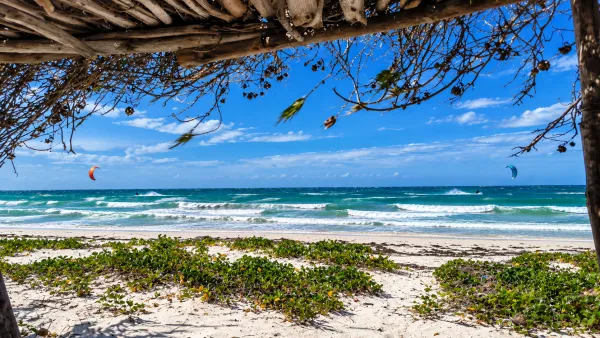
Kenya is one of East Africa's most exciting kitesurfing destinations, where steady monsoon winds, warm Indian Ocean waters and endless palm-fringed beaches create the perfect setting for a tropical kite adventure. Along the country's beautiful coastline, from Diani Beach in the south to Watamu, Kilifi and Malindi in the north, you will discover turquoise lagoons, white sandy beaches, shallow-water playgrounds and waves breaking over offshore reefs. Unlike some of the world's more crowded kite destinations, Kenya still offers plenty of space to ride, with a relaxed atmosphere and a growing community of local and international kitesurfers.
One of Kenya's greatest attractions is its two distinct wind seasons. The Kaskazi, a warm northeasterly monsoon generally blowing from December to March, brings pleasant tropical conditions and excellent opportunities for freeriding and progression. The Kusi, a stronger southeasterly monsoon from June to September, delivers more powerful winds, choppier water and exciting wave-riding opportunities. Spots such as Diani Beach, Watamu, Bofa Beach in Kilifi and Che Shale offer different riding environments, from beginner-friendly sandy sections to more demanding reef breaks. With warm water throughout the year, beautiful scenery and established kite schools at the main spots, Kenya appeals to a wide range of riders.
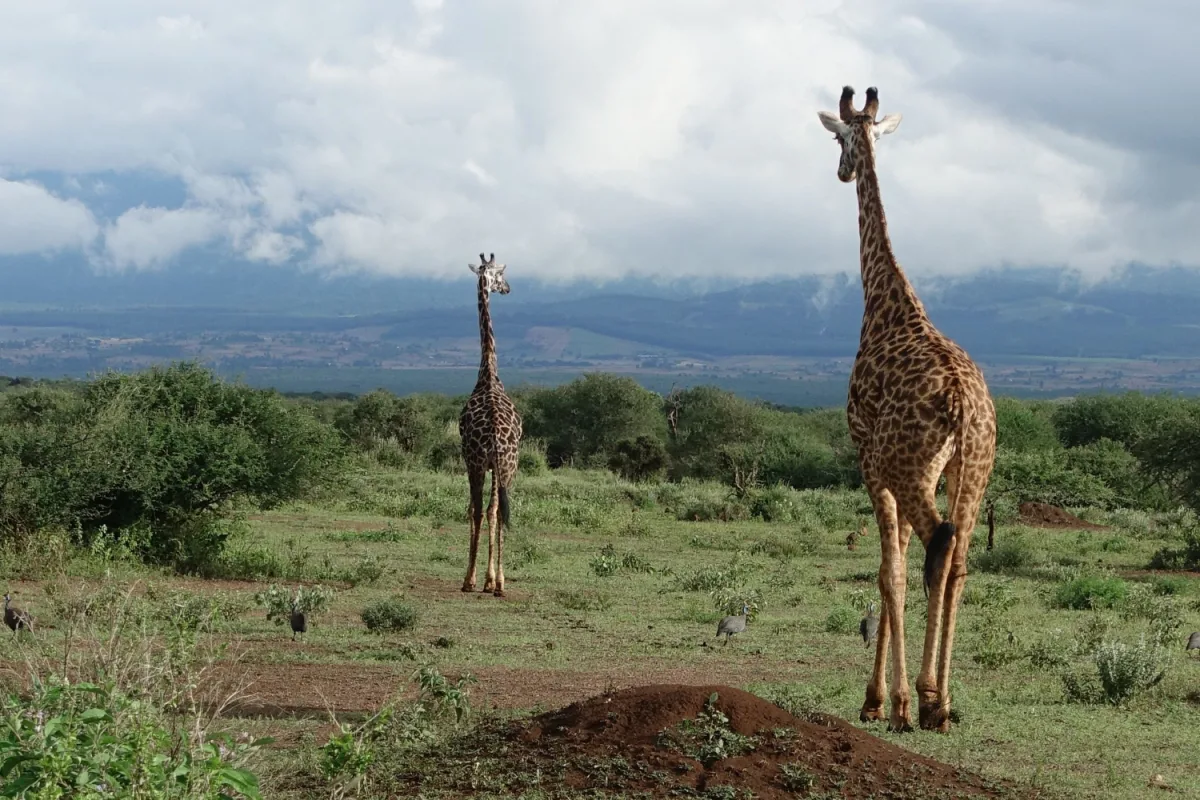
But what truly makes Kenya unforgettable is the possibility of combining a kitesurfing holiday with an authentic African adventure. Imagine spending your mornings riding across turquoise lagoons, enjoying fresh seafood beneath the palm trees and then heading inland to experience some of the world's most spectacular wildlife. A safari in the Maasai Mara, Amboseli or Tsavo adds an entirely different dimension to the trip, while the historic Swahili towns, colourful markets, marine parks and traditional coastal villages offer plenty to discover between sessions. Whether you are travelling with friends, a partner or family, Kenya delivers a remarkable combination of kitesurfing, tropical beaches, wildlife, culture and adventure that few destinations can match.
Pros
Two distinct and reliable monsoon wind seasons. Warm tropical water throughout the year. Beautiful lagoons, sandy beaches and reef waves. Good kite schools and uncrowded riding areas. Affordable food and varied accommodation. Incredible combination of kitesurfing and safaris. Rich Swahili culture and spectacular marine life.
Cons
Wind conditions vary significantly between seasons. Coral reefs and sea urchins require caution. Tides strongly influence some kite spots. Some beaches have limited rescue infrastructure. Coastal transfers can be slow. Mosquitoes and tropical diseases require precautions. Safaris and luxury resorts can be expensive.
Kitesurfing spots in Kenya
Kitesurf Culture lists 2 kitesurfing spots in Kenya. The windy season is June–September, December–March, when more than 60% of the days are windy at the spots. You can ride flat water and choppy water spots. Pick a month to see where it is windy.
2 spots
Height of the bars: share of the spots with more than 60% of windy days in the month. Click a month to see only the spots that are windy then.
 Flat water
 Choppy water
 Wave
- Yellow markers: spots with a blog article

Beginner spots in Kenya
Intermediate spots
Flat water spots
Choppy water spots
No spot of Kenya has more than 60% of windy days in this month. Try another month.
Kitesurfing in Kenya: main travel info
- Time zone
- GMT UTC+3
- Language
- Swahili and English
- Currency
- Kenyan Shilling
- Budget
- $$
- Best for
- adventurous travelers, couples, singles
- Electricity
- 240V, 50Hz. Type G plugs
- Vaccines
- Yellow fever vaccination, Malaria is a risk
- Airlines
- Kenya Airways,Ethiopian Airlines, Emirates, Qatar Airways, Turkish Airlines, KLM, British Airways
- Main airports
- Nairobi, Mombasa, Malindi Airport
Kitesurfing travel tips for Kenya
Plan your kite trip between December and March for warmer temperatures and longer days, although windy conditions occur throughout the year. Bring a wetsuit, check tides and local kite restrictions, and be prepared for rapidly changing weather. Renting a car or campervan is ideal for exploring multiple spots; remember that driving is on the left. Check airline baggage allowances for kite equipment and respect New Zealand's strict biosecurity rules by thoroughly cleaning all outdoor and water-sports gear before arrival.
Kitesurfing in Kenya: questions & answers
When is the best time to kitesurf in Kenya?
The best time to kitesurf in Kenya is June–September, December–March, when at least half of the spots have more than 60% of windy days. Every spot has its own season, so check the month you plan to travel.
How many kitesurfing spots are there in Kenya?
There are 2 kitesurfing spots in Kenya on Kitesurf Culture, such as Bofa Beach, Lamu archipelago. By conditions: 1 flat water, 1 choppy.
Is Kenya good for beginner kitesurfers?
Yes, 1 of the 2 spots in Kenya is rated for beginners. Look for the Beginner tag on the spots and take lessons from a local school.
Which airports are closest to the kitesurfing spots of Kenya?
The main airports for a kitesurf trip to Kenya are Nairobi, Mombasa, Malindi Airport.
Is Kenya expensive for a kitesurf trip?
Kenya is a affordable destination (budget level $$ out of $$$$). The currency is Kenyan Shilling.
More kitesurfing countries in Africa
All kitesurfing spots worldwide
Last updated: