
Kitesurfing in Lamu archipelago
Shela · Kenya
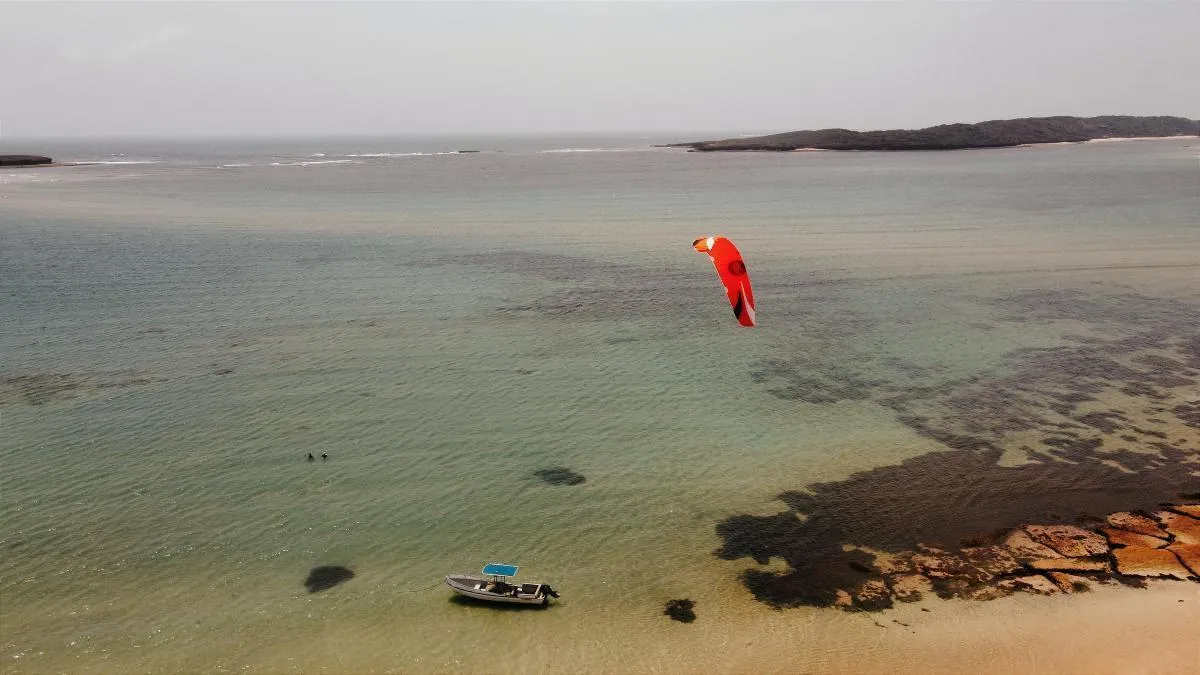
- Spot type Flat
- Rider level intermediate
- Water Crystal Clear
- Beach Sand
- Crowd Few people
- Tide effect None
Kitesurfing in Lamu archipelago: Conditions, Wind & Season
The Lamu Archipelago is one of Kenya's most distinctive kitesurfing destinations, located along the northern Indian Ocean coast near the border with Somalia. This beautiful collection of islands, sandbanks, tidal channels and expansive beaches offers an exceptional combination of flat-water lagoons, open-ocean waves and long-distance downwinders. Unlike destinations focused on a single riding beach, kitesurfing in Lamu extends across several coastal environments, with conditions ranging from sheltered shallow-water areas to exposed reef breaks and kilometres of uninterrupted sandy shoreline. The archipelago is particularly attractive for intermediate and advanced riders looking for variety, exploration and the opportunity to combine freeriding, wave riding and downwind adventures in a relatively undeveloped tropical setting.
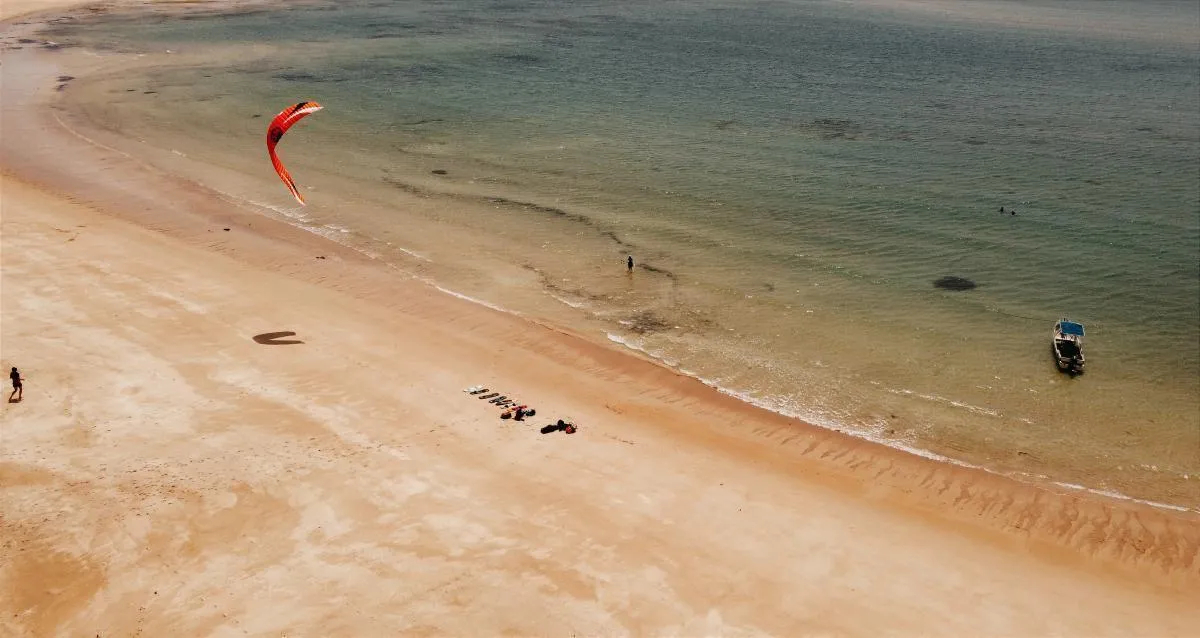
The main kitesurfing areas are concentrated around Lamu Island, Manda Island and the surrounding beaches and channels, with Shela Beach being one of the best-known access points. The long sandy shoreline near Shela provides an attractive environment for freeriding and coastal cruising, while sheltered areas around the islands can offer flatter water during suitable tidal and wind conditions. Farther offshore, reef formations and exposed ocean sections create opportunities for wave riding, particularly when Indian Ocean swell reaches the coast. The variety of environments is one of Lamu's greatest strengths, allowing experienced riders to select different conditions according to wind direction, tide and the type of session they prefer.
The archipelago benefits from the seasonal monsoon winds that dominate the East African coast. The southeast monsoon, locally known as the Kusi, generally blows from approximately June through September and often provides the strongest and most reliable conditions for kitesurfing. During this period, sustained southeasterly winds can create excellent opportunities for powered freeriding, wave sessions and long coastal downwinders. The northeast monsoon, known as the Kaskazi, typically develops between December and March, bringing another attractive riding season with generally warmer conditions and often lighter or more variable winds. Transitional periods between the monsoons tend to be less predictable, making careful seasonal planning important.
Wind strength varies considerably between seasons and individual days, but suitable monsoon conditions can provide enjoyable sessions in the approximate range of 12 to 25 knots, with stronger episodes possible during the southeast monsoon. Wind direction and exposure differ between beaches, particularly where islands, mangrove forests and coastal terrain create local shelter or turbulence. On open beaches, the airflow can be relatively unobstructed, while narrow channels and sheltered lagoons may experience wind shadows or changing wind angles. Riders should assess the actual conditions at their chosen launching point and pay particular attention to whether the wind is side-shore, onshore or offshore.
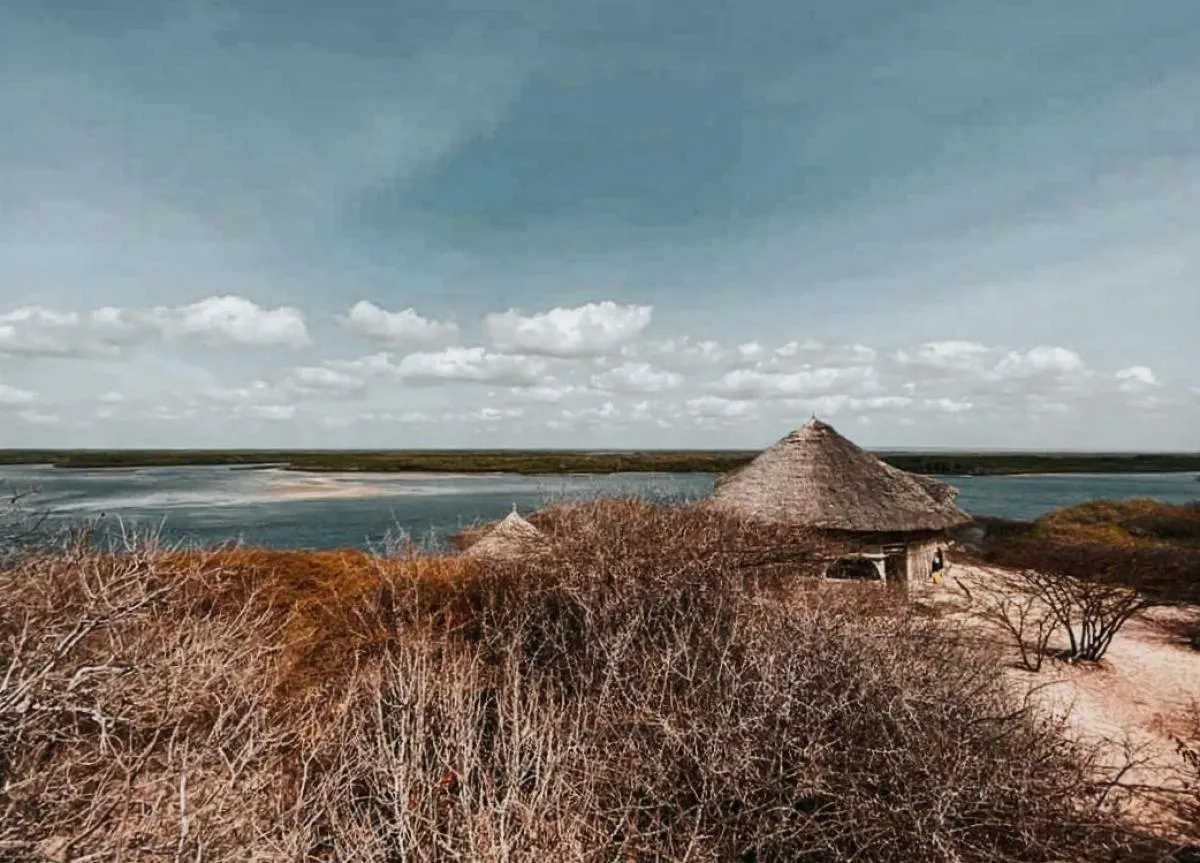
Flat-water kitesurfing is possible in selected sheltered areas around the archipelago, particularly where sandbanks, islands and reef formations protect the water from direct ocean swell. These locations can provide relatively smooth surfaces suitable for freeriding, transitions and freestyle progression. However, water conditions change significantly with the tide, and some shallow areas become exposed or difficult to navigate at low water. The seabed varies between sand, seagrass, coral fragments and muddy sections near mangrove channels, so riders should not assume that every sheltered lagoon has a clean sandy bottom. Local knowledge is especially valuable when identifying safe launching points and avoiding shallow obstacles.
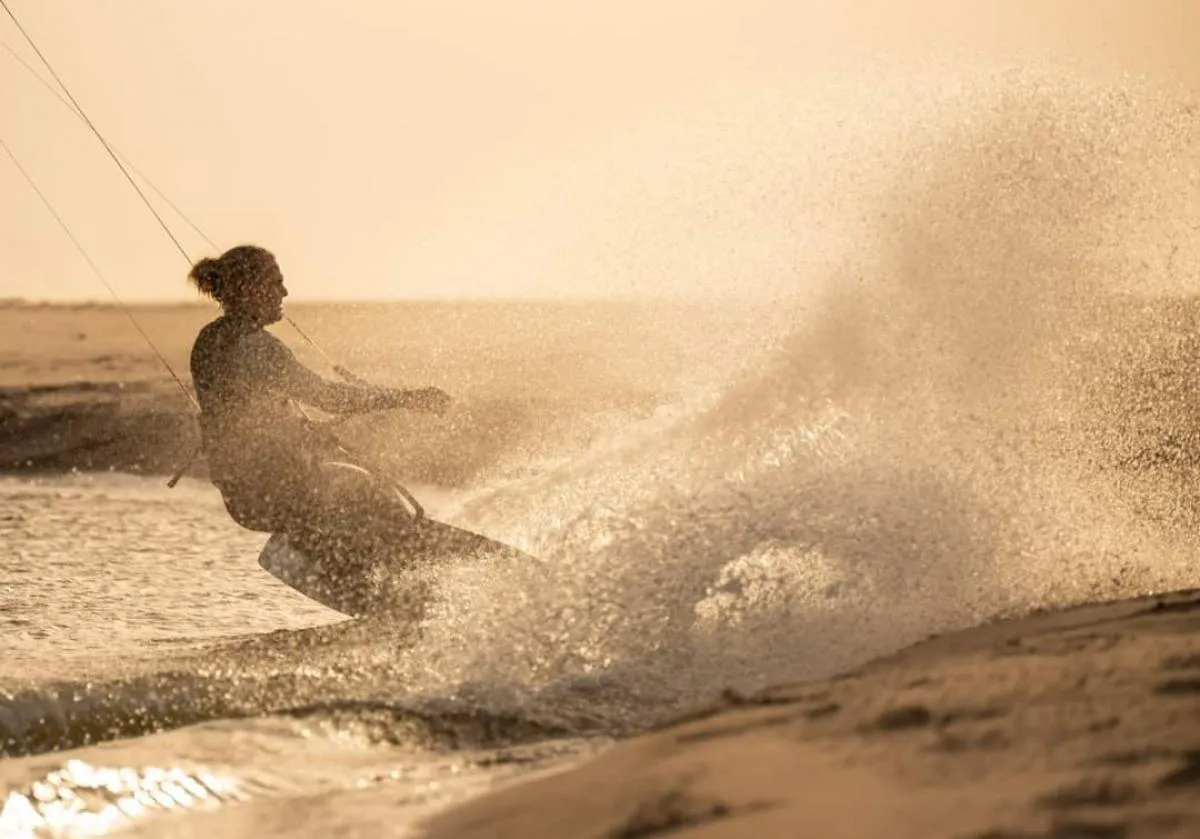
Wave riding is another major attraction of kitesurfing in the Lamu Archipelago. Along the exposed Indian Ocean coastline, incoming swell can produce breaking waves over offshore reefs and sandbanks, particularly during the windier monsoon periods. Depending on swell direction, tide and wind strength, conditions can range from small rolling waves suitable for intermediate riders to more challenging reef breaks requiring advanced skills. Wave quality varies between locations, and some breaks may be accessible only by boat or after a substantial coastal ride. Riders should carefully assess reef depth, currents and the consequences of equipment failure before entering unfamiliar wave areas.
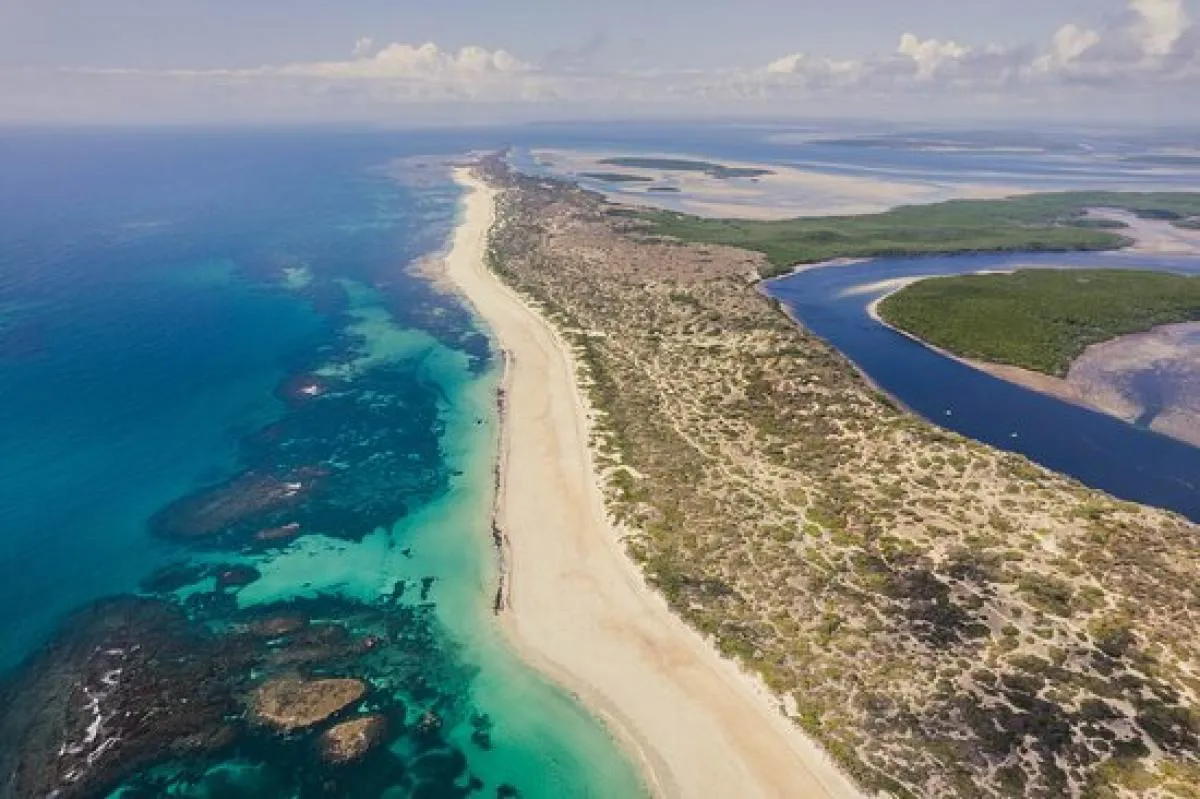
One of Lamu's most exciting kitesurfing opportunities is its potential for long-distance downwinders. The extended sandy coastline, seasonal monsoon winds and variety of coastal landscapes create attractive routes for riders who enjoy covering distance rather than remaining in one small riding area. Depending on wind direction and local conditions, organised downwind sessions can follow stretches of open beach, passing sand dunes, tidal inlets and remote coastal sections. These trips can combine flat-water cruising with ocean chop and occasional wave riding, providing a varied and adventurous experience. However, routes must be planned carefully around tidal channels, reefs, offshore currents and areas where landing or rescue access may be difficult.
Downwinders in the Lamu region are best suited to confident intermediate and advanced kitesurfers with reliable upwind ability, competent self-rescue skills and experience riding in changing conditions. Although some coastal stretches appear straightforward, strong tidal currents, isolated beaches and the distance between suitable landing points can make an unsupported trip hazardous. Boat support, local guiding and clearly agreed departure and arrival points are strongly recommended, especially for longer routes. Riders should also consider the possibility of changing wind strength, equipment damage and restricted access to particular coastal areas. A well-organised downwinder can be one of the highlights of a kitesurfing trip to northern Kenya, but it requires considerably more preparation than a conventional beach session.
Tides have a major influence on kitesurfing conditions throughout the archipelago. The Indian Ocean tidal cycle changes water depth across sandbanks, reef flats and shallow channels, sometimes transforming a protected flat-water area into an exposed seabed within a few hours. Strong tidal flows can also develop through narrow passages between islands, creating currents that affect board control and the ability to return to a launching point. Riders should plan sessions around local tide tables and avoid unfamiliar channels during periods of strong current. Hydrofoil kitesurfing may be possible in sufficiently deep open-water sections, but shallow reefs, sandbanks and changing depths make careful navigation essential.
Launching and landing conditions vary considerably between the different islands and beaches. Long sandy stretches such as Shela Beach can provide suitable rigging space in selected areas, but beach width changes with the tide, and sections may be used by pedestrians, fishing boats and other coastal traffic. Narrow beaches, mangrove shorelines and areas with nearby buildings or trees may be unsuitable for safe kite launching. Kitesurfing facilities are more limited than at Kenya's larger established kite centres, so equipment rental, professional instruction and rescue services should be confirmed before travelling. Riders planning independent sessions should bring appropriate spare equipment and avoid assuming that immediate technical or emergency assistance will be available.
The Lamu Archipelago is particularly appealing to intermediate and advanced riders who enjoy combining different kitesurfing disciplines. Flat-water sections provide opportunities for freeriding and freestyle, while exposed ocean areas offer wave riding and more demanding conditions. The long coastline is especially attractive for downwind enthusiasts seeking extended journeys through varied coastal scenery. Beginners may find suitable learning conditions at selected sheltered locations under professional supervision, but strong tides, changing currents and limited kite infrastructure make the region less straightforward than dedicated beginner lagoons. Choosing the correct beach, season and level of support is essential for a safe and enjoyable experience.
For riders searching for kitesurfing in the Lamu Archipelago, wave kitesurfing in Kenya or the best kitesurfing downwinders along the East African coast, this remarkable island region offers a compelling combination of seasonal monsoon winds, tropical beaches, sheltered flat water and exposed Indian Ocean waves. Its greatest strengths are the diversity of riding conditions, the potential for long coastal downwinders and the opportunity to explore relatively uncrowded waters. Although tides, currents, reef hazards and limited local infrastructure require careful planning, Lamu stands out as one of Kenya's most adventurous kitesurfing regions, particularly for experienced riders seeking a destination where flat-water freeriding, wave sessions and downwind exploration can all form part of the same trip.
Something missing or out of date at this spot? Suggest a correction
Spot Gallery (5)
Lamu archipelago is best suited for
Spot profile
Travel spot
The typical kite travel destination, it is known for its great conditions, and kiters from around the world come here for their vacations.
Adventure spot
That dream place out of the normal touristic routes. Once you reach it, you feel in paradise, it can be anything extraordinary, a hidden gem, remote and fascinating.
Equipment
Lycra, sunscreen, mostly used kites 9-15
Wind Conditions
Main wind directions at Lamu archipelago
Windy days per month in Lamu archipelago
Wind Speed Range
From 15 to 25 Knots
Suggested sizes
8 - 9 mt
10 - 11 mt
12 - 13 mt
Forecast on Windy.com
Kitesurfing Safety & Local Rules at Lamu archipelago
The main hazards in the Lamu Archipelago come from strong tidal currents, shifting sandbanks and shallow reef areas. Water depth can change significantly throughout the tidal cycle, exposing sandbanks and coral patches that may cause injuries or damage equipment. Currents can become particularly strong in the channels between islands, making it difficult to return to the launching point. Always check tide tables and seek local advice before riding in unfamiliar areas.
Exposed sections of the Indian Ocean can experience strong monsoon winds, significant chop and breaking waves over reefs and sandbanks. Wind direction may also vary around islands and mangrove channels, creating unexpected gusts or sheltered areas. Fishing boats and traditional dhows use some of the coastal channels, so maintain safe distances from marine traffic and avoid launching near busy landing areas.
The archipelago is relatively remote, with limited kitesurfing infrastructure and no guarantee of immediate rescue assistance outside organised operations. Long-distance downwinders and offshore wave sessions should only be attempted with suitable experience, local guidance and preferably boat support. Plan routes carefully, identify safe landing points and remain aware of changing tides, wind conditions and the distance from shore.
Location
Closest City
Shela
How to get There
By aeroplane and boats
Access
Mostly private
No-Wind Days: What to Do Around Lamu archipelago
Beyond kitesurfing, the Lamu Archipelago offers one of the most fascinating cultural and natural experiences on Kenya's Indian Ocean coast. Located in northern Kenya, this beautiful collection of tropical islands, sandy beaches, mangrove forests and traditional Swahili settlements is very different from the country's larger beach resorts around Mombasa and Diani Beach. The archipelago is famous for its historic architecture, centuries-old maritime traditions, peaceful island atmosphere and remarkable coastal landscapes. Life moves at a slower pace, with narrow streets, traditional sailing boats and waterfront cafés creating a distinctive environment. For a kitesurfing trip with non-kiters or a family holiday in northern Kenya, Lamu offers an exceptional combination of cultural exploration, boat excursions, wildlife observation and relaxing beach experiences.
One of the greatest attractions is Lamu Old Town, a UNESCO World Heritage Site and one of the oldest and best-preserved Swahili settlements in East Africa. Its narrow streets, coral-stone buildings, carved wooden doors and traditional courtyards reflect centuries of cultural exchange between African, Arab, Persian and Indian communities. Walking through the historic centre is like stepping into another era, with donkeys still playing an important role in local transport and small shops selling traditional crafts, textiles and everyday goods. Visitors can explore historic mosques, admire the architecture and discover the town's fascinating maritime heritage. The old town is particularly attractive for photography and cultural sightseeing, although visitors should dress respectfully and be mindful of local customs. More information about its historical importance is available through the UNESCO World Heritage listing for Lamu Old Town.
The Lamu Museum provides an excellent introduction to the history and traditions of the archipelago. Located in Lamu Town, the museum presents aspects of Swahili culture, maritime trade, traditional crafts and the region's historical connections with the wider Indian Ocean world. Visitors can learn about the development of coastal settlements, traditional sailing vessels and the cultural influences that shaped the area's distinctive identity. Another interesting attraction is Lamu Fort, a historic building overlooking the town's main square that has served several purposes throughout its history. Exploring these cultural landmarks is particularly rewarding for visitors interested in architecture, archaeology and East African history. Information about Kenya's museums and heritage sites can be found through the National Museums of Kenya.
Just south of Lamu Town, Shela Village is one of the most charming places in the archipelago. This picturesque coastal settlement is known for its beautifully restored Swahili houses, narrow sandy lanes, boutique guesthouses and peaceful atmosphere. Visitors can wander through the village, discover small cafés and restaurants or enjoy the views across the channel towards Manda Island. The nearby Shela Beach stretches for kilometres along the Indian Ocean, offering spectacular scenery, soft sand and a feeling of extraordinary openness. Long beach walks are especially enjoyable in the early morning or late afternoon, when the light creates beautiful colours across the dunes and coastline. Swimming should be approached cautiously because waves, currents and tidal conditions vary considerably along the exposed shore.
One of the most memorable activities in Lamu is a traditional dhow sailing excursion. These elegant wooden boats have been used along the East African coast for centuries and remain an important part of the archipelago's maritime culture. Organised dhow trips allow visitors to explore sheltered channels, admire the islands from the water and enjoy the beautiful coastal scenery. Sunset cruises are particularly popular, offering spectacular views of the coastline as the sky changes colour over the Indian Ocean. Longer excursions may include stops at permitted beaches, swimming in suitable locations or meals prepared on board. Some operators also organise private sailing trips for couples and families, making dhow excursions an excellent activity for non-kiting partners. Visitors should choose experienced boat operators who provide appropriate safety equipment and plan their routes according to tides and weather conditions.
Manda Island, situated across the channel from Lamu, offers another fascinating combination of natural beauty and cultural heritage. The island is known for its sandy beaches, mangrove-lined waterways and relatively peaceful atmosphere. Visitors can explore selected coastal areas, enjoy boat excursions or discover the remains of Takwa, an abandoned Swahili settlement that flourished during the medieval and early modern periods. The archaeological site contains the remains of stone buildings, a mosque and other structures that provide an insight into the region's historical trading communities. Reaching Takwa generally requires organised boat transport and local guidance, with access depending on tides and site arrangements. The combination of archaeology, tropical vegetation and coastal scenery makes Manda Island an appealing destination for a day of exploration.
For nature lovers, the mangrove forests and tidal channels of the Lamu Archipelago provide excellent opportunities for wildlife observation and photography. These coastal ecosystems support numerous fish species, crustaceans and birds, while also playing an important role in protecting shorelines and maintaining marine biodiversity. Guided boat excursions through suitable channels allow visitors to admire the mangrove landscape and observe coastal wildlife without disturbing sensitive habitats. Birdwatching can be particularly rewarding, with opportunities to see herons, egrets, kingfishers and other coastal species. The changing tides create constantly evolving scenery, with exposed sandbanks, shallow waterways and reflections across the calm water. Visitors should avoid entering fragile mangrove areas without guidance and respect any local conservation restrictions.
For travellers interested in exploring farther afield, the wider archipelago includes smaller islands and remote coastal settlements that offer a glimpse of traditional island life. Pate Island is particularly interesting for its historical Swahili communities, including the settlements of Pate and Siyu. The island has a long history connected with Indian Ocean trade and contains architectural and archaeological remains reflecting its former importance. Siyu Fort is among the region's notable historical landmarks, although access and visiting arrangements should be confirmed in advance. Travelling to these more remote islands requires careful planning, reliable boat transport and local guidance. Because distances, tides and weather conditions can complicate journeys, these excursions are best suited to visitors with additional time and an interest in cultural exploration rather than casual sightseeing.
For visitors seeking a more adventurous nature excursion, Kiunga Marine National Reserve lies farther north along Kenya's Indian Ocean coast. This protected marine environment includes coral reefs, mangrove forests, seagrass habitats and offshore islands that support important populations of seabirds and marine wildlife. The reserve is ecologically significant and offers a fascinating example of the region's coastal biodiversity. However, its remote location, limited infrastructure and proximity to the Somali border mean that access requires particularly careful planning. Travel to the northernmost coastal areas should only be considered after checking current security advice, official access regulations and the availability of experienced local operators. General information about Kenya's protected areas is available through the Kenya Wildlife Service.
Food and accommodation in the Lamu Archipelago are an important part of the travel experience. Visitors can choose between traditional Swahili guesthouses, boutique hotels, restored historic houses and beachfront accommodation around Shela and Lamu Town. Many properties feature beautiful courtyards, rooftop terraces and views across the surrounding channels. Local cuisine reflects the region's rich cultural heritage, combining fresh seafood, coconut, rice, aromatic spices and influences from centuries of Indian Ocean trade. Popular dishes include grilled fish, coconut-based curries, pilau rice, chapati and traditional Swahili specialities. Waterfront restaurants and small cafés provide pleasant places to relax after a day of exploring, while rooftop dining and sunset views add to the archipelago's distinctive atmosphere.
For families and non-kiting partners, Lamu offers a rewarding holiday experience centred on cultural discovery, beach relaxation and gentle outdoor activities. Children may enjoy supervised boat excursions, exploring the narrow streets of Shela, discovering traditional sailing boats or learning about the island's history through guided visits. Some accommodation properties provide swimming pools or direct beach access, although facilities vary considerably and should be confirmed before booking. The archipelago is less suited to visitors expecting large resort complexes, extensive children's entertainment or shopping centres. Medical facilities and emergency services are also more limited than in Kenya's major tourist destinations, so families should plan carefully and arrange suitable travel insurance. Current travel and security advice is particularly important when visiting northern Kenya, and travellers should follow official recommendations and local guidance.
For anyone planning a kite trip to the Lamu Archipelago and wondering what else there is to do, northern Kenya offers an extraordinary combination of Swahili culture, tropical island scenery and authentic coastal experiences. A no-wind day can include exploring the historic streets of Lamu Old Town, visiting the archaeological remains of Takwa, sailing aboard a traditional dhow, discovering the mangrove channels or enjoying a peaceful walk along Shela Beach. Visitors with more time can explore the wider archipelago and learn about its fascinating maritime history. With its remarkable cultural heritage, beautiful beaches and numerous activities for a non-kiting partner or family, Lamu is an exceptional destination for combining kitesurfing with cultural exploration and a memorable island holiday on Kenya's Indian Ocean coast.