
Kitesurfing in Turtle Bay Sandbar Wauatmu
Watamu · Kenya
- Spot type Flat
- Rider level beginner
- Water Dark - Clear
- Beach Sand
- Crowd Seasonal crowd
- Tide effect OK low tide
Kitesurfing in Turtle Bay Sandbar Wauatmu: Conditions, Wind & Season
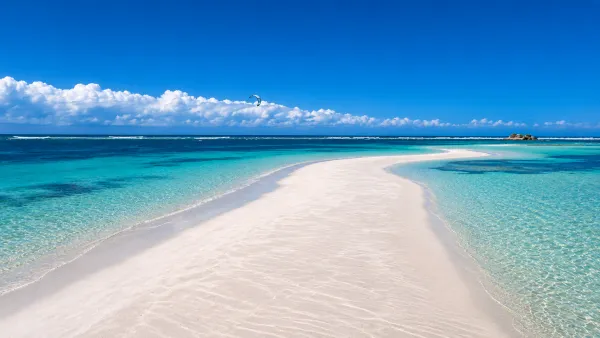
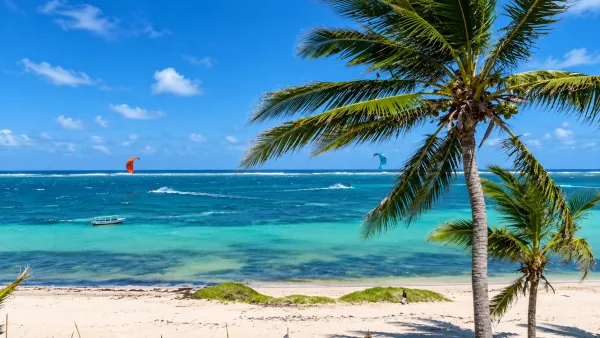
Turtle Bay Sandbar is a seasonal flat-water kitesurfing spot in Watamu, on Kenya's Indian Ocean coast, renowned for its extensive sandy shallows and remarkably smooth lagoon conditions. Located along the Turtle Bay beachfront, near the distinctive Turtle Rock formation, the spot features a long tidal sandbar that shelters the inner riding area from wind-driven chop and ocean swell. During favourable tides, the lagoon offers broad stretches of ankle- to knee-deep water over a predominantly sandy bottom, creating attractive conditions for freeriding, practising transitions and technical freestyle. Unlike the more exposed wave spots along the Watamu coastline, Turtle Bay Sandbar is primarily a shallow-water destination where tidal timing determines the quality and safety of each session.
The main kitesurfing season coincides with the northeasterly Kaskazi monsoon, generally running from December to March. During this period, northeast winds often reach the beach at a favourable cross-onshore angle, producing consistent riding opportunities across the sheltered lagoon. Wind speeds can range from approximately 15 to 25 knots, occasionally exceeding this during stronger weather patterns. The southeasterly Kusi, or Kuzi, monsoon from June to September brings a different wind direction and can introduce more chop and wave activity around the outer reef, making the spot less consistently suited to flat-water riding. Although suitable sessions may occur during both seasons, Turtle Bay Sandbar is particularly attractive during Kaskazi, when the combination of wind direction, sandbar protection and shallow water can produce exceptionally smooth conditions.
Tides are the defining factor at Turtle Bay Sandbar, with the most favourable conditions generally occurring within approximately three hours before and after low tide, provided sufficient water remains over the shallowest sections. As the tide falls, the sandbar becomes increasingly exposed, creating protected flat-water areas with minimal chop. However, extremely low water levels can leave sections too shallow for safe riding, particularly during spring tides, when sandbanks and reef patches may emerge. As the tide rises, the sandbar becomes progressively submerged, reducing its sheltering effect and allowing more wind-driven chop into the lagoon. Deeper channels and coral formations mark the edges of the main riding area, requiring careful navigation. The predominantly sandy bottom is relatively forgiving for controlled progression, but jumping, falling or attempting kite relaunches in ankle-deep water can be dangerous. Hydrofoiling is generally unsuitable across the shallow sandbar, while a freeride or freestyle twin-tip is the preferred board.
Launching and landing take place from the sandy Turtle Bay beachfront, with access available through public beach approaches and nearby local kite operators. The available rigging space depends on the tide and beach activity, so riders should select a clear area away from swimmers, pedestrians and other recreational users. Turtle Bay Sandbar can provide suitable conditions for beginner progression under professional supervision, particularly for practising water starts, board control and upwind riding when adequate depth is available. Intermediate and advanced riders can enjoy smooth-water freeriding, rotations and controlled freestyle manoeuvres, although the shallow lagoon is unsuitable for high-risk jumping. Kite sizes around 9–14 m² may suit moderate Kaskazi conditions, with smaller sizes appropriate during stronger winds. Water temperatures remain warm throughout the year, making boardshorts or a swimsuit with a rash guard sufficient for most sessions. Riders should confirm current local access rules and any marine conservation restrictions before launching.
The main hazards include extremely shallow sandbanks, submerged coral, changing tidal depth and stronger currents through the deeper channels. Although the absence of significant shorebreak can make the spot appear beginner-friendly, insufficient water depth increases the risk of injury during falls, jumps and unsuccessful kite relaunches. Wind direction and tidal conditions should be checked carefully, and riders should avoid crossing exposed reef sections or entering unfamiliar channels. When the Kaskazi wind and the appropriate low-tide window coincide, Turtle Bay Sandbar offers some of the most enjoyable shallow-water kitesurfing conditions around Watamu. Its combination of warm tropical water, smooth sandy flats and seasonal trade winds makes it particularly appealing for relaxed freeriding, supervised progression and technical freestyle practice.
Something missing or out of date at this spot? Suggest a correction
Turtle Bay Sandbar Wauatmu is best suited for
Spot profile
- Travel spotA proven kite destination with reliable conditions, worth a trip. Kiters fly in from all over the world for their kite holidays, and you will probably find schools, rentals and a lively kite scene nearby.
- Family spotEasy to visit with family and friends. Facilities are close by and non-kiters have plenty to do while you are on the water, so everyone enjoys the day, whether they kite or not.
- Local spotNot worth a long trip, but a great option if you live nearby and the wind is on. Ideal for a quick session after work or a spare afternoon, without planning a whole trip.
Equipment
A twin-tip board is the safest bet for the flat-water conditions over the sandbar, and for the wind range experienced here, most bring a medium-sized kite for Kaskazi and switch to a smaller size for windy Kuzi days. The spot is warm, so a shorty or even just boardshorts are fine through most of the year, with a full wetsuit unnecessary for nearly all sessions. Booties are recommended if you expect to walk over reefy or rough patches, while learners and freestylers benefit from a helmet and impact vest especially around low water. Standard warm-water gear covers most basics.
Wind Conditions
Main wind directions
Windy days per month
Share of the days with more than 10 knots.
Wind speed range
10 - 18 knots
Wind strength on rideable days
- 7-11 kn62%
- 12-16 kn36%
- 17-22 kn2%
- 23-28 kn0%
- 29+ kn0%
Share of the daytime hours with 7+ knots.
Calculate your kite size
Estimate for a rider of your weight at Turtle Bay Sandbar Wauatmu: kite size = weight / wind speed x 2.2, adjusted for the kite shape and aspect ratio. Board, skills and gusts change the ideal size.
Month by month at Turtle Bay Sandbar Wauatmu
| Metric | Jan | Feb | Mar | Apr | May | Jun | Jul | Aug | Sep | Oct | Nov | Dec |
|---|---|---|---|---|---|---|---|---|---|---|---|---|
| Wind | ||||||||||||
| Rideable daysdays | 30 | 28 | 30 | 29 | 31 | 30 | 31 | 31 | 30 | 30.5 | 23 | 21 |
| Usable windhours | 236 | 220 | 219 | 236 | 276 | 269 | 279 | 279 | 269 | 263 | 160 | 140 |
| Average gustsknots | 21 | 21 | 20 | 23 | 28 | 28 | 28 | 26 | 25 | 23 | 17 | 17 |
| Temperature | ||||||||||||
| Air°C | 30 | 30 | 31 | 29 | 28 | 27 | 26 | 27 | 27 | 28 | 29 | 30 |
| Sea°C | 29 | 29 | 30 | 30 | 29 | 27 | 27 | 26 | 27 | 28 | 29 | 29 |
| Weather and sea | ||||||||||||
| Sunshinehours / day | 11.3 | 11.2 | 11.1 | 9.9 | 10.2 | 10.6 | 10.6 | 10.9 | 11.4 | 11.6 | 11.4 | 11.5 |
| Rainmm | 22 | 15 | 52 | 175 | 131 | 125 | 95 | 60 | 53 | 65 | 141 | 128 |
| Rainy daysdays | 6 | 4 | 11 | 24 | 22 | 22 | 23 | 20.5 | 21 | 17.5 | 19 | 22.5 |
| Wave heightm | 1.2 | 1.1 | 0.9 | 1.1 | 1.6 | 1.8 | 1.9 | 1.8 | 1.6 | 1.3 | 0.9 | 1 |
Typical monthly averages over several years, based on weather data: local thermal winds are usually stronger than shown, and sea temperature and waves are a regional estimate. A rideable day has at least 3 hours of 7+ knots between 10:00 and 18:00, usable wind counts those hours, a rainy day has 1 mm or more.
Forecast on Windy.com
Kitesurfing Safety & Local Rules at Turtle Bay Sandbar Wauatmu
The main hazards at Turtle Bay Sandbar are changing tidal depths, shallow reef formations and uneven underwater terrain. The spot offers its best riding conditions within a limited tidal window, while excessively shallow sections can cause sudden grounding, hard falls and equipment damage. Nearby coral patches and deeper channels create additional risks, particularly for riders unfamiliar with the seabed or drifting beyond the main sandbar. Turtle Rock and the surrounding reef are hard obstacles that require generous clearance. Check tide tables carefully, identify safe riding boundaries and avoid powered manoeuvres over shallow coral or exposed sections.
During the Kuzi season, stronger winds and increased wave energy can produce rolling waves over the outer reef, making conditions considerably more challenging beyond the protected shallows. Riders drifting downwind may encounter choppier water, breaking waves and reef sections where kite relaunching or board recovery becomes difficult. Sudden wind changes and shifting tidal depths can also complicate returning to the sandbar. Less experienced kitesurfers should remain within the sheltered riding area, avoid approaching Turtle Rock and maintain sufficient distance from reef edges and deeper channels.
Turtle Bay is shared with snorkelers, fishermen and other recreational water users, and there is no exclusively designated kitesurfing enclosure. Collisions and tangled lines are possible when riders venture outside the established sandbar area or approach other marine activities. Maintain generous separation from swimmers and boats, respect right-of-way rules and remain within sight of the recognised launching area or local instructors. Consult experienced local riders about the safest tidal window, reef boundaries and suitable exit points before launching. Careful timing and awareness of surrounding water users are essential for a safe session.
How to reach Turtle Bay Sandbar Wauatmu
- Closest cityWatamu
- How to get thereThe spot is reached by road from Watamu town, with Malindi the nearest larger transport hub. Travelers usually fly into Malindi for the shortest transfer, or into Mombasa and continue by road to Watamu. From Watamu, the beach area around Turtle Bay Road and the Turtle Bay/Tribe Watersports zone is accessible by car or local transfer.
- AccessThe spot is publicly reachable from the Watamu/Turtle Bay beachfront area, and access is generally through the beach rather than a restricted private launch. Nearby beach facilities and resort fronts can shape where you park or walk in, but the kitespot itself is not described as having a formal permit system or special fee for kitesurfing access.
No-Wind Days: What to Do Around Turtle Bay Sandbar Wauatmu
Located along Kenya's beautiful Indian Ocean coastline, Turtle Bay Sandbar is part of the spectacular Watamu beach area, known for its turquoise lagoons, white sandy beaches and relaxed tropical atmosphere. Unlike remote kitesurfing destinations, Turtle Bay benefits from nearby resorts, beachfront restaurants and the amenities of Watamu village. Its combination of natural beauty and comfortable tourist facilities makes it particularly attractive for families, couples and non-kiting partners looking to enjoy a tropical holiday with plenty of activities beyond watersports.
Turtle Bay's beautiful shoreline is one of its main attractions, with pale sand, swaying palms and shallow turquoise water creating an idyllic setting for beach walks, photography and relaxation. At low tide, exposed sandbanks and reef formations reveal a constantly changing coastal landscape. Visitors can enjoy swimming in suitable areas, sunbathing or simply relaxing at a beachfront café. However, tidal variations can be significant, and some channels develop strong currents, so visitors should follow local advice and avoid venturing too far onto exposed sandbanks as the tide rises.
Watamu Marine National Park is one of the region's greatest attractions, offering excellent opportunities for snorkelling, diving and glass-bottom boat excursions. Its protected coral reefs are home to colourful tropical fish, sea turtles and other marine species. Organised excursions allow visitors to explore the underwater environment with local guides, while calmer sections of the coastline provide opportunities for recreational swimming. Turtle conservation is also an important part of Watamu's identity, with local organisations working to protect nesting beaches and marine habitats. Educational visits and conservation activities may be available through authorised programmes.
Nearby Mida Creek offers a completely different natural environment, with extensive mangrove forests, sheltered waterways and rich birdlife. Guided kayaking trips, traditional dhow excursions and sunset cruises are popular ways to explore the creek. The surrounding wetlands attract numerous resident and migratory birds, making the area particularly rewarding for photographers and nature lovers. Watching the sunset over the mangroves from a traditional boat is one of the most memorable experiences along the Watamu coast.
Watamu village provides a relaxed selection of cafés, restaurants, small shops and casual beachfront bars. Fresh seafood, grilled fish, coconut curries, pilau and other Swahili specialities are among the highlights of the local cuisine. Visitors can also explore nearby beaches, enjoy yoga or wellness activities offered by selected resorts, or spend a leisurely afternoon discovering the area's small markets and coastal neighbourhoods. The atmosphere is generally quieter than in larger Kenyan resort destinations, making Watamu especially appealing for travellers seeking relaxation rather than busy nightlife.
For a cultural excursion, the Gede Ruins offer a fascinating introduction to the history of the Swahili coast. This historic settlement, surrounded by tropical forest, contains the remains of mosques, houses and other structures associated with medieval Indian Ocean trade. Nearby Arabuko-Sokoke Forest provides opportunities for guided nature walks and birdwatching, with rare species inhabiting its distinctive coastal forest ecosystem. Both attractions are within easy reach of Watamu and offer worthwhile alternatives during no-wind days.
Accommodation around Turtle Bay and Watamu includes beachfront resorts, boutique hotels, guesthouses, private villas and self-catering apartments. Restaurants and basic services are readily available along Turtle Bay Road and in Watamu village, while Malindi, approximately 20–30 minutes away by car, provides larger supermarkets, banks and additional shopping options. Malindi Airport offers domestic flight connections, while Mombasa's Moi International Airport is a larger gateway farther south. Taxis and private transfers are convenient for local excursions, although a rental car offers greater flexibility for exploring the surrounding coastline.
With its beautiful tropical beaches, protected coral reefs and nearby mangrove ecosystems, Turtle Bay Sandbar offers plenty to enjoy beyond kitesurfing. Whether snorkelling in Watamu Marine National Park, exploring Mida Creek aboard a traditional dhow, learning about sea turtle conservation or discovering the historic Gede Ruins, visitors will find an enjoyable combination of nature, culture and relaxation. Its comfortable accommodation options and welcoming atmosphere make Turtle Bay an excellent choice for a family kitesurfing holiday or a coastal escape with non-kiting partners.
Other kitesurfing spots near Turtle Bay Sandbar Wauatmu

All kitesurfing spots in Kenya
Last updated: