
Kitesurfing in Raglan
Hamilton · New Zealand
- Spot type Wave
- Rider level intermediate
- Water Dark - Clear
- Beach Sand
- Crowd Seasonal crowd
- Tide effect OK low tide
Kitesurfing in Raglan: Conditions, Wind & Season
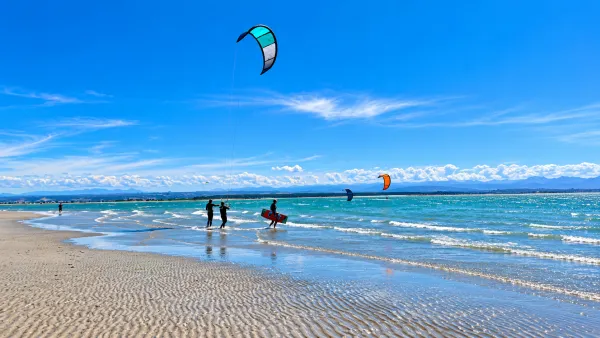
Raglan is one of New Zealand's most distinctive kitesurfing destinations, located on the western coast of the North Island in the Waikato region, approximately 45 kilometres west of Hamilton. Famous internationally for its powerful left-hand surf breaks, Raglan also offers an interesting combination of sheltered harbour water, tidal sandbanks and exposed Tasman Sea waves. This variety makes the area particularly attractive to intermediate and advanced kitesurfers who enjoy switching between flat-water freeriding and more challenging ocean conditions. Unlike dedicated lagoon destinations, Raglan is a dynamic coastal environment where wind direction, tidal movement and ocean swell can dramatically change the character of a session.
The main kitesurfing opportunities are associated with Raglan Harbour, also known as Whāingaroa Harbour, and the coastal areas surrounding its entrance. Inside the harbour, sheltered sections can provide relatively flat or lightly choppy water, particularly where sandbanks and the surrounding coastline reduce exposure to ocean swell. These areas offer opportunities for freeriding, practising transitions and developing freestyle techniques when sufficient water depth and suitable wind conditions are available. Closer to the harbour mouth, the environment becomes more energetic, with stronger tidal currents, deeper channels and the influence of incoming Tasman Sea swell. Beyond the harbour entrance, the exposed coastline provides a completely different riding experience dominated by ocean waves and open-water conditions.
Raglan's wind conditions are influenced by the prevailing westerly weather systems crossing New Zealand and the exposed geography of the Tasman Sea coastline. Southwesterly, west-southwesterly, westerly, west-northwesterly and northwesterly winds can provide opportunities for kitesurfing, although their suitability depends on the chosen launching area and the orientation of the shoreline. Westerly winds may produce relatively clean airflow across exposed coastal sections, while the surrounding hills and harbour geography can create local wind shadows and turbulence. Wind direction is especially important around the harbour entrance, where some conditions may push riders toward open water or into strong tidal channels. Local knowledge is essential when selecting the safest location for a particular forecast.
Kitesurfing is possible throughout the year when suitable weather conditions develop, but spring and summer, approximately from October through March, generally provide a more comfortable combination of wind opportunities, daylight and air temperatures. Spring can be particularly windy as weather systems move across the North Island, while summer may bring more moderate conditions suitable for longer freeride sessions. Autumn and winter can also produce strong winds, although colder temperatures, unsettled weather and larger ocean swells often make conditions more demanding. Rather than offering a completely predictable daily wind pattern, Raglan rewards riders who carefully monitor local forecasts and select sessions according to wind strength, direction, tide and swell.
The sheltered sections of Raglan Harbour are particularly appealing for flat-water kitesurfing. Depending on the tide, shallow sandbanks can create smooth-water areas suitable for freeriding, carving turns and freestyle progression. During stronger winds, short chop develops across the wider channels, adding variety to the riding conditions. The seabed consists of sand and mud in many harbour areas, with deeper channels and occasional submerged obstacles requiring attention. Although some sections appear relatively forgiving, the harbour is not a permanently shallow lagoon. Water depth changes substantially throughout the tidal cycle, and areas suitable for riding at high tide may become exposed sand or very shallow water several hours later.
Tides are one of the most important factors affecting kitesurfing at Raglan. The harbour experiences substantial tidal movement, with extensive sandbanks emerging at lower water levels and strong currents developing through the entrance and connecting channels. A falling tide can reveal additional sandy areas and change the available launching space, but it can also create powerful outgoing currents that carry riders toward the Tasman Sea. Consequently, an outgoing tide should not automatically be considered the safest or most favourable option. The best riding window depends on the specific location, wind direction and water depth. Riders should study local tide tables, identify deeper channels and avoid unfamiliar areas where currents may exceed their ability to return safely.
Outside the harbour, Raglan's exposed coastline is renowned for its powerful Tasman Sea surf. Ocean swell can generate long, well-formed waves along the rocky headlands and reef formations, including the famous surf areas around Manu Bay and the surrounding coastline. These conditions can be attractive to experienced wave kitesurfers when wind direction and swell align appropriately. However, the established surf breaks are heavily used by surfers, and the presence of rocks, powerful waves and limited launching space makes them unsuitable for casual kite access. Kitesurfers should respect surfing priority, local access rules and any restrictions affecting kite use near these breaks. Wave riding should only be attempted in locations where launching, navigation and separation from other water users can be managed safely.
The contrast between sheltered harbour water and exposed ocean conditions is one of Raglan's greatest strengths. Intermediate riders can enjoy freeriding and controlled freestyle in suitable harbour sections, while advanced kitesurfers may seek more demanding wave conditions along the open coast. Twin-tip boards are practical for harbour freeriding, while directional surfboards are better suited to ocean wave sessions. Hydrofoil kitesurfing may be possible in sufficiently deep harbour channels or offshore water, but shallow sandbanks, strong currents and changing depths make route selection particularly important. The combination of tidal restrictions and variable wind exposure means that different disciplines may require different launching locations and carefully selected conditions.
Launching and landing around Raglan require particular attention because the available space varies considerably between locations. Sandy areas near the harbour entrance, including sections around the end of Riria Kereopa Memorial Drive, may provide access to the water when local conditions and regulations permit. However, beach width changes with the tide, and the presence of pedestrians, swimmers, fishing activity and other water users can limit safe rigging space. Coastal locations farther west, including the Manu Bay area, are more exposed and may have restricted or unsuitable kite-launching opportunities because of rocks, cliffs and established surfing activity. Riders should verify current access arrangements and seek local advice rather than assuming that every beach or grassy area is suitable for launching.
Raglan is best suited to intermediate and advanced kitesurfers with reliable upwind ability and a good understanding of tidal currents. The harbour can provide manageable conditions for less experienced riders during carefully selected sessions, but the changing water depth, strong tidal flow and proximity to the open ocean make independent beginner riding potentially hazardous. Professional instruction is recommended for newcomers to the sport, and beginners should avoid the harbour entrance and exposed surf zones. Advanced riders should also exercise caution, as powerful currents and breaking waves can make self-rescue difficult even when the wind appears moderate. Knowing when and where to ride is particularly important in this environment.
The harbour entrance deserves special attention because of the interaction between tidal currents and incoming ocean swell. During strong outgoing tides, water flowing toward the Tasman Sea can oppose incoming waves, producing steep, confused water and potentially dangerous conditions. Breaking waves may develop over shallow entrance bars, while deeper channels can carry significant currents. Riders should avoid crossing the entrance without a clear understanding of the tide, swell and available escape routes. Equipment failure in this area can quickly become serious, particularly when an outgoing current carries a rider away from the sheltered harbour. Reliable self-rescue skills, appropriate safety equipment and a conservative assessment of conditions are essential.
Water temperatures around Raglan vary seasonally, with cooler conditions during winter and more comfortable temperatures in summer. A full wetsuit is generally advisable during colder months, particularly for longer sessions or when strong winds increase heat loss. Even during summer, thermal protection may be useful in exposed ocean conditions. Riders should also account for the relatively remote character of some coastal launching locations, where immediate assistance may not be available. Although Raglan is an established watersports destination, dedicated kitesurfing rescue services should not be assumed. Independent riders should check equipment carefully, inform someone of their plans and avoid challenging offshore or tidal conditions without suitable support.
For riders searching for kitesurfing in Raglan, flat-water kite spots in the Waikato region or wave kitesurfing destinations on New Zealand's North Island, this remarkable coastal location offers an exciting combination of sheltered harbour riding and powerful Tasman Sea surf. Its greatest attractions are the diversity of conditions, opportunities for freeriding and freestyle over tidal sandbanks, and the potential for challenging wave sessions along the exposed coastline. However, strong tidal currents, changing water depths, busy surf breaks and variable launching conditions require careful preparation and respect for local regulations. For experienced kitesurfers who understand the interaction between wind, tide and swell, Raglan can provide some of the most varied and rewarding coastal riding experiences in New Zealand.
Something missing or out of date at this spot? Suggest a correction
Raglan is best suited for
Spot profile
Travel spot
The typical kite travel destination, it is known for its great conditions, and kiters from around the world come here for their vacations.
Family spot
Located in an area that offers amenities for all the family and can provide good alternatives for everyone when the kiters are in the water.
Local spot
Maybe not be worth a real journey to reach this spot, but great if you live close by and it is a windy day. In the end, being out on the water feels great anywhere
Equipment
Most riders bring 9-14m kites since the usual wind range sits between 12 and 25 knots, with 12m or 10m often sweet-spot sizes. The water is never really warm, so a 4/3 wetsuit works from late spring to early autumn, and a thicker 5/3 is useful in the colder months from May through October. Boots aren’t needed for most, but reef booties make sense at very low tide or if exploring less soft-bottomed areas. A twin-tip board is fine in the harbour when the water is flatter or choppier, but wave boards are better in the actual surf outside, and many bring a foil setup to make the most of light or gusty days in the inner lagoon.
Wind Conditions
Main wind directions at Raglan
Windy days per month in Raglan
Wind Speed Range
From 12 to 25 Knots
Suggested sizes
8 - 9 mt
10 - 11 mt
12 - 13 mt
14 mt and above
Forecast on Windy.com
Kitesurfing Safety & Local Rules at Raglan
The main hazards at Raglan come from strong tidal currents, shifting sandbanks and powerful ocean waves. Around the harbour mouth, water depth and available launching space can change significantly with the tide. Currents become particularly strong near the river entrance and outer surf zone, making it difficult to return to shore or relaunch a kite after a crash. Always check tide times and assess water movement before launching.
The exposed coastline can experience heavy swell and challenging shorebreak, especially during winter storms. Submerged sandbanks, occasional reef sections and driftwood may create additional hazards near the shoreline. Wind turbulence from nearby hills, trees and parked vehicles can also make launching and landing more demanding. Maintain sufficient clearance from obstacles and avoid riding in unfamiliar shallow areas.
Raglan is a popular surfing destination, particularly around Manu Bay and the surrounding point breaks. Kitesurfers must respect surfers' priority on waves and stay clear of established surfing areas to avoid collisions. Dedicated kite rescue services should not be assumed, so avoid riding alone or venturing too far into exposed waters without reliable support. The combination of currents, waves and changing tides makes the spot better suited to experienced riders.
Location
Closest City
Hamilton
How to get There
Raglan is about 120 km southwest of Hamilton and roughly 115 km from Auckland International Airport. Most visitors drive from Hamilton or Auckland; flying into Auckland and then renting a car is the most practical option for international arrivals.
Access
The spot is publicly accessible through local roads and beach access points, especially near the end of Riria Kereopa Memorial Drive and the harbour-mouth area. Nearby launch use appears informal rather than regulated, and some locations rely on carpark access plus a short walk to the water. No dedicated access fee is indicated in the available information.
No-Wind Days: What to Do Around Raglan
Beyond kitesurfing, Raglan offers one of the most enjoyable coastal experiences on New Zealand's North Island. Located on the Waikato region's rugged west coast, approximately 45 minutes from Hamilton, this relaxed seaside town is famous for its world-class surf breaks, spectacular black-sand beaches, creative community and beautiful natural surroundings. Known locally by its Māori name Whāingaroa, Raglan combines a laid-back surfing atmosphere with independent cafés, art galleries, scenic walking trails and numerous outdoor activities. Unlike large resort destinations, Raglan retains an authentic small-town character, making it particularly attractive for travellers seeking nature, adventure and local culture. For a kitesurfing trip with non-kiters or a family holiday in the Waikato region, Raglan offers plenty of activities even when the wind is unsuitable for riding.
One of Raglan's greatest attractions is its internationally renowned surfing scene. The coastline is home to some of New Zealand's most famous left-hand point breaks, including Manu Bay, Whale Bay and Indicators, which attract surfers from around the world. Manu Bay is particularly celebrated for its long, peeling waves and spectacular coastal setting, while the surrounding headlands provide excellent viewpoints for watching experienced surfers. Beginners can find surf lessons through local schools, which select appropriate locations according to conditions and ability. Ngarunui Beach, situated west of town, is a popular destination for surfing lessons and beach relaxation, although its powerful waves and rip currents require caution. Even for visitors who never enter the water, exploring Raglan's surf beaches and watching the waves is an essential part of the local experience.
Ngarunui Beach is also one of the most beautiful places in Raglan for walking, photography and enjoying the Tasman Sea coastline. Its broad expanse of dark volcanic sand stretches beneath green coastal hills, creating a striking landscape that changes dramatically with the weather and tides. The beach is especially attractive in the late afternoon, when the setting sun illuminates the ocean and surrounding headlands. Visitors can enjoy long walks, explore designated coastal viewpoints or simply relax while watching surfers and seabirds. Families will appreciate the open spaces, although swimming should be limited to lifeguard-patrolled areas when patrols are operating. Strong currents, changing sandbanks and powerful surf make unsupervised swimming hazardous. Beach safety information is available through Surf Life Saving New Zealand.
For visitors who prefer calmer water activities, Raglan Harbour and the surrounding estuary offer excellent opportunities for kayaking and stand-up paddleboarding. Guided excursions allow travellers to explore sheltered waterways, tidal channels and peaceful sections of the harbour while enjoying views of the surrounding green hills. Depending on the route and conditions, paddlers may encounter coastal birdlife, mangrove habitats and secluded stretches of shoreline. The harbour is particularly attractive for families and beginners when accompanied by experienced instructors, although tidal currents can become strong in some channels. Kayaking excursions should be planned around the tides and weather, with suitable safety equipment and local guidance. These sheltered waterways provide a fascinating contrast to the powerful surf of Raglan's exposed ocean beaches.
One of the most memorable natural attractions near Raglan is Bridal Veil Falls, known in Māori as Wairēinga. Located inland among the rolling hills of the Waikato region, this spectacular waterfall plunges approximately 55 metres into a forested gorge surrounded by lush native vegetation. A walking track leads through beautiful woodland to viewpoints overlooking the falls, while a steep stairway provides access towards the lower viewing area. The combination of dramatic scenery, dense vegetation and the sound of falling water makes this an excellent destination for photography and nature lovers. The waterfall is particularly impressive after rainfall, although tracks and steps can become slippery. Visitors should remain on designated paths and respect any access restrictions. Information about the waterfall and walking conditions is available through the New Zealand Department of Conservation.
Raglan's town centre is another highlight, offering a relaxed combination of cafés, independent boutiques, surf shops and creative spaces. The town has developed a distinctive artistic identity, with local galleries, studios and craft shops showcasing the work of regional artists and designers. Visitors can browse handmade jewellery, ceramics, paintings, photography and locally produced goods while discovering the community's strong connection to surfing and the natural environment. Raglan is also known for its lively café culture, with numerous places serving specialty coffee, fresh pastries, vegetarian dishes and contemporary New Zealand cuisine. Small markets and community events take place throughout the year, although schedules vary seasonally. Exploring the town on foot is an enjoyable way to experience its welcoming atmosphere and independent character.
For travellers interested in local history and Māori culture, Raglan provides opportunities to learn about the heritage of Whāingaroa Harbour and the surrounding Waikato region. The area has a long history of Māori settlement and remains culturally significant to local iwi and hapū. Visitors can explore local heritage displays, discover the history of the harbour and learn about the relationship between the community and its coastal environment. The Raglan and District Museum, also known as Te Whare Taonga o Whāingaroa, offers exhibits relating to local history, maritime life and the development of the town. Cultural experiences should be approached respectfully, particularly when visiting places of significance to local Māori communities. Understanding the region's heritage adds another dimension to a holiday otherwise focused on beaches and outdoor activities.
Another rewarding excursion is exploring Mount Karioi, the dramatic volcanic mountain rising above Raglan's southern coastline. This ancient volcanic landscape is one of the region's most recognisable natural landmarks and offers challenging hiking opportunities for experienced walkers. Trails pass through native forest and climb towards elevated viewpoints overlooking the Tasman Sea, Raglan Harbour and the surrounding countryside. Some routes involve steep, muddy terrain, exposed sections and substantial elevation gain, making them unsuitable for casual walkers or poorly equipped visitors. Weather conditions can change rapidly, and cloud cover may reduce visibility near the summit. For those seeking a less demanding outdoor experience, shorter coastal walks and accessible viewpoints around Raglan provide beautiful scenery without the commitment of a full mountain hike.
Raglan's surrounding countryside is ideal for travellers who enjoy scenic drives, rural landscapes and exploring small communities. Rolling green hills, farmland and winding roads create a peaceful contrast to the exposed west coast beaches. Visitors can discover local food producers, countryside cafés and viewpoints overlooking the coastline. The wider Waikato region is known for its agricultural heritage and natural attractions, making Raglan a convenient base for exploring beyond the beach. Photography enthusiasts will particularly appreciate the contrast between the dark volcanic sand, bright green hills and dramatic ocean skies. Short countryside excursions can be combined with stops at local cafés or picnic areas, creating relaxed alternatives for days when the weather is unsuitable for water sports.
For a longer day trip, Hamilton offers additional cultural attractions, shopping and family activities approximately 45 minutes east of Raglan. One of the city's highlights is Hamilton Gardens, an internationally recognised collection of themed gardens inspired by different historical periods and cultural traditions. Visitors can explore carefully designed landscapes, architectural features and ornamental gardens representing a wide range of gardening styles. Hamilton also offers museums, restaurants, riverside walking paths and a broader selection of shops and entertainment venues. The Waikato River, which flows through the city, provides attractive scenery and opportunities for leisurely walks. Further information about regional attractions and experiences is available through Waikato tourism.
For families and visitors seeking relaxation, Raglan offers a welcoming selection of accommodation and recreational facilities. Holiday parks, self-catering cottages, guesthouses and boutique lodges provide options for different budgets and travel styles, while properties in the surrounding hills offer peaceful countryside settings. Families can enjoy picnics in waterfront reserves, explore suitable harbour-side areas or spend time at local playgrounds and cafés. Couples may prefer ocean-view accommodation, scenic sunset walks and relaxed dinners overlooking the water. Wellness experiences such as yoga classes and massage treatments may be available through local studios and accommodation providers, although advance booking is advisable. Raglan's compact size makes it easy for non-kiting partners to enjoy independent activities while remaining close to the beach and town centre.
Food and social life are important parts of the Raglan experience. The town's restaurants and cafés reflect its creative, environmentally conscious character, with menus featuring fresh local ingredients, seasonal produce and a variety of international influences. Visitors can enjoy casual breakfasts, artisan coffee, seafood dishes and relaxed evening meals in welcoming surroundings. Selected bars and venues host live music and community events, contributing to the town's friendly social atmosphere. Raglan is particularly enjoyable during summer evenings, when visitors gather around the waterfront and local restaurants after spending the day outdoors. The sunsets over the Tasman Sea are often spectacular, making an evening walk along the coast or a meal with an ocean view a memorable way to finish the day.
For anyone planning a kite trip to Raglan and wondering what else there is to do, New Zealand's Waikato west coast offers an excellent combination of surfing, natural beauty, cultural experiences and relaxed coastal living. A no-wind day can include watching surfers at Manu Bay, kayaking through Raglan Harbour, exploring the spectacular Bridal Veil Falls or hiking the volcanic slopes of Mount Karioi. Families can enjoy beach walks, local cafés and waterfront reserves, while non-kiting partners can discover independent shops, art galleries and the town's vibrant creative community. Longer excursions to Hamilton and the surrounding Waikato countryside provide even more variety. With its dramatic scenery, world-famous surf culture and welcoming atmosphere, Raglan is an outstanding destination for combining kitesurfing with an authentic New Zealand coastal holiday.
Other kitesurfing spots near Raglan

All kitesurfing spots in New Zealand
Last updated: