
Kitesurfing in Mokau Beach
New Plymouth · New Zealand
- Spot type Wave
- Rider level intermediate
- Water Dark - Clear
- Beach Sand
- Crowd Few people
- Tide effect Conditions vary
Kitesurfing in Mokau Beach: Conditions, Wind & Season
Mokau Beach is an exposed river-mouth kitesurfing spot on the northern Taranaki coast of New Zealand's North Island, where the Mokau River meets the Tasman Sea. Located approximately one hour north of New Plymouth, this rugged west coast beach combines consistent ocean swell, shifting sandbars and strong tidal currents. Unlike sheltered flat-water destinations, Mokau is primarily a wave-riding location, offering breaking surf, wind-driven chop and challenging conditions around the river entrance. Its extensive sandy shoreline and generally uncrowded setting appeal to experienced kitesurfers seeking technical ocean sessions away from busier coastal spots.
The most favourable kitesurfing opportunities depend on the combination of wind direction, swell and tide. Easterly and northeasterly winds can produce cleaner wave conditions by blowing offshore or cross-offshore along this west-facing coastline, but these directions also increase the risk of being carried away from the beach. They should therefore be approached with considerable caution and are not appropriate for unsupported riding. Wind speeds during potentially rideable sessions may range from approximately 10 to 25 knots, although stronger gusts can occur with passing weather systems. Spring and summer generally provide more comfortable temperatures, while suitable wind and swell combinations can develop throughout the year. Riders should assess the actual wind angle at the launch and prioritise safe cross-shore or cross-onshore conditions whenever possible.
Water conditions at Mokau Beach are dominated by Tasman Sea swell, which produces breaking waves across the shifting sandbanks near the river mouth. Depending on swell direction and tide, riders may encounter punchy, fast-breaking sections, longer peeling waves and rougher chop around the entrance channels. Mid-tide conditions can sometimes provide favourable wave shapes, although the constantly changing seabed means no particular tidal stage guarantees good riding. Stronger swell can create powerful shorebreak and difficult passages through the surf, while river discharge may further disturb the water surface. Mokau is particularly suited to directional wave riding and strapless sessions rather than flat-water freestyle or wakestyle.
The beach consists predominantly of sand, with extensive areas suitable for preparing equipment when sufficient space is available above the waterline. However, the river continually reshapes the shoreline, creating shifting sandbars, channels and sudden changes in water depth. Tidal movements strongly influence these features, while river flow can generate additional currents around the entrance. At lower tides, more sand may be exposed, but shallow banks and uneven channels can complicate water entry. Higher tides may reduce the available launching space and bring breaking waves closer to shore. Riders should inspect the beach and river mouth before rigging, identifying suitable entry points and avoiding areas where currents or breaking waves create unsafe conditions.
Access to Mokau Beach is straightforward from State Highway 3 through Mokau township, with parking and beach access available near the coastline. Equipment can generally be carried a short distance to suitable sandy rigging areas, although the best launching position depends on the tide, wind direction and current shoreline configuration. The beach is usually uncrowded, providing room for launching and landing away from other users. Nevertheless, riders should maintain adequate clearance from vehicles, vegetation, pedestrians and the river entrance. The absence of organised rescue facilities makes careful session planning particularly important, especially when riding in stronger surf or near the river mouth.
Mokau Beach is best suited to advanced kitesurfers with experience handling breaking waves, strong currents and changing coastal conditions. Confident intermediate wave riders may find suitable opportunities during smaller swell and moderate cross-shore or cross-onshore winds, but the river-mouth environment is not recommended for beginners. A directional surfboard paired with a responsive wave kite is the preferred setup for riding the breaking waves, while a manoeuvrable twin-tip can be used for freeriding in manageable conditions. Kite sizes around 7–12 m² may cover a range of moderate winds, depending on rider weight and actual conditions. A 4/3 mm wetsuit is generally suitable during warmer periods, while a 5/4 mm wetsuit may be preferable during colder months.
The main hazards include powerful shorebreak, rip currents, shifting sandbars, strong river discharge and offshore wind exposure. The interaction between outgoing river flow and incoming ocean swell can produce steep, confused waves and unpredictable currents around the entrance. Sudden changes in depth, breaking waves and moving channels may complicate board recovery and self-rescue, particularly during larger swell events. Offshore easterly winds present an additional danger because equipment failure or loss of board control can result in rapid drift away from shore. Riders should avoid the river-mouth channel during strong flows, check recent rainfall and river conditions, and never assume that a previously safe launching area remains unchanged.
Mokau Beach offers a raw and demanding wave-kitesurfing experience along New Zealand's northern Taranaki coastline. Its consistent Tasman Sea swell, shifting sandbars and relatively uncrowded shoreline create opportunities for experienced riders seeking challenging directional wave sessions. Although the sandy beach provides convenient access, the combination of river currents, powerful surf and potentially offshore winds requires careful judgment and preparation. For capable wave kiters who understand the risks of a dynamic river-mouth environment, Mokau can deliver rewarding sessions in a distinctive west coast setting.
Something missing or out of date at this spot? Suggest a correction
Mokau Beach is best suited for
Spot profile
Family spot
Located in an area that offers amenities for all the family and can provide good alternatives for everyone when the kiters are in the water.
Local spot
Maybe not be worth a real journey to reach this spot, but great if you live close by and it is a windy day. In the end, being out on the water feels great anywhere
Equipment
A wave-focused setup works best, with a medium to small kite matched to local wind averages between 10 and 25 knots. Choose a directional or twin-tip board that can handle chop and broken surf, as the water is often uneven near the river mouth and bars. For most of the year, a full wetsuit around 3/2 mm is suitable, with thicker neoprene advisable for colder winter months. Booties are recommended in case the sandbars accumulate shells or river debris, though the main beach is mostly sandy underfoot.
Wind Conditions
Main wind directions at Mokau Beach
Windy days per month in Mokau Beach
Wind Speed Range
From 10 to 25 Knots
Suggested sizes
8 - 9 mt
10 - 11 mt
12 - 13 mt
14 mt and above
Forecast on Windy.com
Kitesurfing Safety & Local Rules at Mokau Beach
The main hazards at Mokau Beach, on New Zealand's exposed west coast, are strong river-mouth currents, powerful rips and constantly shifting sandbanks. The Mokau River can generate considerable outflow, particularly after heavy rainfall or during outgoing tides, creating fast-moving channels capable of dragging riders toward the river entrance or farther offshore. Changing sandbars may also conceal shallow sections, sudden drop-offs and uneven seabed conditions. Inspect the launch and landing areas before every session, assess river flow and tidal conditions carefully, and maintain a safe distance from the main river channel.
The open Tasman Sea coastline is exposed to substantial swell, producing powerful breaking waves, heavy shorebreak and challenging surf conditions. Waves breaking over shallow sandbars can make water starts, kite relaunching and returning to shore particularly difficult. Gusty or shifting winds may further complicate kite control, especially around the river mouth, where currents and wave action interact. A dropped kite or lost board can quickly become a serious problem in strong currents. Avoid riding during large swells, stormy weather or unfavourable wind directions, and always identify a safe downwind exit before launching.
Mokau Beach is relatively isolated, with limited immediate assistance and no dedicated kitesurfing rescue services. Equipment failure, injury or an unsuccessful self-rescue can therefore have serious consequences, particularly when strong currents carry riders away from accessible landing areas. The shifting shoreline also means that previously suitable launching spots may become unsafe between sessions. Avoid riding alone, maintain sufficient clearance from the river mouth and carry appropriate safety equipment. This spot is best suited to experienced intermediate and advanced kitesurfers who can confidently manage surf, changing currents and unpredictable river-mouth conditions.
Location
Closest City
New Plymouth
How to get There
Drive from New Plymouth via State Highway 3 toward Mokau, then cross the Mokau River and follow the local streets to Beach Road. The drive from New Plymouth city centre is about 60 minutes. The spot has road access and parking at the beach, so no hike-in is normally required.
Access
Public beach access is available, with road access and parking close to the beach. The beach can be reached by vehicle without a long walk. No special fee or private access requirement was identified in the available information.
No-Wind Days: What to Do Around Mokau Beach
Situated on the rugged west coast of New Zealand's North Island, Mokau Beach offers a peaceful escape where the Mokau River meets the Tasman Sea. Located in northern Taranaki, close to the boundary with the Waikato region, this small coastal settlement is known for its dramatic black-sand shoreline, scenic river mouth and relaxed rural atmosphere. Unlike the busier beach destinations farther south, Mokau retains an authentic small-town character, making it particularly appealing for nature lovers, photographers and travellers seeking a quieter coastal experience. During no-wind days, visitors can explore the beach, discover the surrounding countryside or enjoy the region's fishing and outdoor activities.
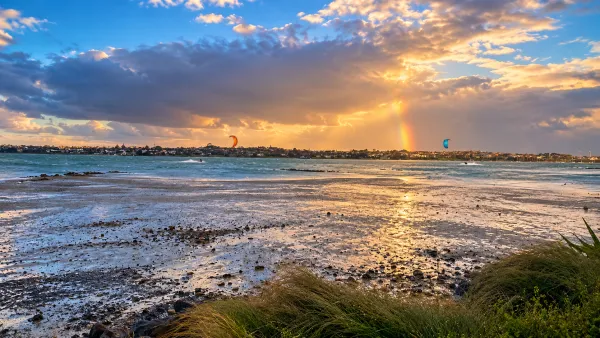
Mokau Beach is the area's main attraction, with an extensive stretch of dark volcanic sand framed by coastal dunes, river channels and the powerful Tasman Sea. The open shoreline is ideal for long walks, photography and enjoying spectacular sunsets over the ocean. At low tide, the exposed sand creates beautiful reflections and wide-open views along the coast. The landscape changes constantly with the movement of sandbanks, tides and waves, making every visit slightly different. Although the beach provides plenty of space for family outings and picnics, swimming requires considerable caution because of strong surf, rip currents and the dangerous conditions that can develop around the river mouth.
The Mokau River adds another dimension to the destination, winding through green hills and rural landscapes before reaching the sea. Its lower reaches are popular for recreational fishing and boating, while the surrounding riverbanks offer attractive views and opportunities for wildlife photography. Visitors can observe the changing tidal channels, watch coastal birds or simply enjoy the peaceful atmosphere beside the water. River excursions may be possible through local operators when available, offering a different perspective on the surrounding countryside. Anyone exploring the river independently should be aware of tidal currents, submerged obstacles and changing weather conditions, particularly near the mouth.
Mokau also has an interesting local history connected to Māori settlement, river transport and the development of the surrounding farming communities. The river historically provided an important transport route into the interior, while the wider area has longstanding cultural significance for local Māori. Visitors interested in regional heritage can explore local historical information and learn about the area's connection to the King Country and northern Taranaki. The settlement's modest scale and traditional coastal character offer a glimpse of a quieter side of New Zealand, far removed from the country's major tourist centres.
The surrounding countryside provides excellent opportunities for scenic driving and exploring rural New Zealand. State Highway 3 follows a beautiful route through rolling hills, farmland and coastal landscapes, connecting Mokau with the wider Taranaki and Waikato regions. Travelling south towards Urenui and Waitara reveals additional beaches, river valleys and small settlements, while heading north towards Awakino introduces increasingly remote countryside and dramatic coastal scenery. Short stops along the route are rewarding for photography, especially when the changing weather creates striking contrasts between green hills, dark beaches and the Tasman Sea.
For visitors interested in longer excursions, the Three Sisters and Elephant Rock coastal formations near Tongapōrutu are among the most remarkable natural attractions in northern Taranaki. These dramatic rock formations and coastal cliffs create a spectacular landscape, particularly at low tide. Access is highly dependent on tidal and sea conditions, and the coastline can be dangerous when waves reach the cliffs or channels become flooded. Visitors should check tide times carefully and avoid attempting the walk during unsuitable conditions. The surrounding coastline offers excellent photographic opportunities even when direct beach access is not possible.
New Plymouth, farther south along the Taranaki coast, provides a worthwhile day trip for those seeking additional cultural attractions, shopping and entertainment. The city is known for its beautiful Coastal Walkway, Pukekura Park and the striking Te Rewa Rewa Bridge. Art enthusiasts can visit the Govett-Brewster Art Gallery and Len Lye Centre, while the surrounding region offers views towards Mount Taranaki on clear days. The combination of coastal scenery, museums, cafés and landscaped parks makes New Plymouth an attractive option for families and non-kiting partners looking for a more varied day away from Mokau.
Accommodation and dining in Mokau are simple and informal, reflecting the settlement's relaxed coastal character. Visitors can find small motels, holiday homes, camping options and casual eateries, including traditional New Zealand takeaway food. Local shops provide limited everyday supplies, but larger supermarkets, specialist equipment and a broader selection of services are available in Waitara and New Plymouth. Mokau is approximately one hour north of New Plymouth and around 45 minutes south of Te Kūiti by car, depending on road conditions. A private vehicle is strongly recommended, as public transport options are limited. Visitors should also be prepared for variable mobile reception in more remote coastal and rural areas.
With its dramatic black-sand coastline, scenic river mouth and peaceful rural surroundings, Mokau Beach offers a rewarding experience beyond kitesurfing. Whether walking along the Tasman Sea, photographing the coastal cliffs near Tongapōrutu, exploring the Mokau River or discovering the wider Taranaki countryside, visitors will find plenty of opportunities to enjoy New Zealand's natural landscapes. Its quiet atmosphere and uncomplicated facilities make Mokau particularly appealing for independent travellers, families and non-kiting partners seeking an authentic coastal getaway away from the crowds.
Other kitesurfing spots near Mokau Beach
All kitesurfing spots in New Zealand
Last updated: