
Kitesurfing in New Plymouth
New Plymouth · New Zealand
- Spot type Wave
- Rider level intermediate
- Water Dark - Clear
- Beach Sand
- Crowd Seasonal crowd
- Tide effect Conditions vary
Kitesurfing in New Plymouth: Conditions, Wind & Season
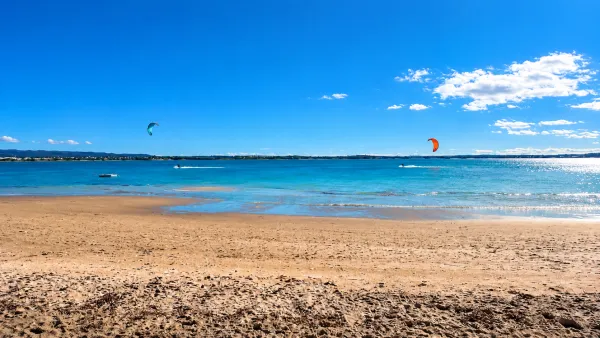
New Plymouth is one of the most interesting wave-oriented kitesurfing locations on New Zealand's North Island, situated in the Taranaki Region along the exposed western coastline. The main urban riding area is East End Beach, close to the city centre and accessible from the Coastal Walkway. Unlike the sheltered lagoons and estuaries found elsewhere in New Zealand, New Plymouth offers genuine open-ocean conditions, with regular Tasman Sea swell, wind-driven chop and breaking waves. Its combination of coastal exposure and convenient access makes it particularly appealing to intermediate and advanced kitesurfers looking for challenging freeriding and wave sessions.
Kitesurfing is possible throughout the year, although spring and summer, particularly from September through February, generally provide more opportunities for comfortable sessions. The region experiences winds from several directions, including southerly, southeasterly and westerly flows associated with changing weather systems. However, the suitability of each direction depends on the orientation of the chosen beach, and some winds may be offshore or gusty at East End Beach. Unlike destinations with predictable daily trade winds, New Plymouth is strongly influenced by passing fronts and local weather patterns. Riders should carefully assess wind direction, strength and forecast changes before entering the water.
Water conditions are dominated by the exposed Tasman Sea coastline, where incoming swell and local winds produce a constantly changing riding environment. Small to medium waves can provide enjoyable opportunities for practising bottom turns, carving manoeuvres and strapless wave riding. During larger swells, the surf can become powerful, with steep breaking sections and challenging shorebreak. Wind-driven chop often develops between the waves, making board control and wave positioning important skills. Although occasional smoother sections appear between sets, New Plymouth is not a flat-water destination. Its greatest attraction is the opportunity to ride natural ocean waves rather than seek sheltered freestyle conditions.
East End Beach provides sandy areas for preparing equipment and launching kites, although the available space varies with the tide and beach activity. The central location makes access convenient, but the shoreline is shared with swimmers, surfers and other recreational users. During the summer season, designated swimming areas and lifeguard-patrolled zones require particular attention. Kitesurfers should remain well clear of swimming flags and confirm that launching and riding are permitted in their intended section. Rocky areas and reef formations occur along the surrounding coastline, so selecting a safe launching point and identifying a suitable downwind landing area are essential before starting a session.
New Plymouth is best suited to intermediate and advanced riders who are comfortable with open-ocean conditions and changing wave patterns. Confident intermediates may enjoy smaller swell days for improving wave transitions, riding through chop and developing directional-board skills. Experienced kitesurfers can take advantage of stronger winds and larger swells for more demanding wave riding and powered freeriding. Beginners will generally find the combination of shorebreak, variable wind and shared beach access challenging, particularly without professional supervision. Even on apparently manageable days, the exposed coastline requires reliable upwind ability, confident water starts and sound judgement when returning through breaking waves.
The main safety considerations include powerful shorebreak, rip currents, submerged rocks, changing tides and rapidly developing weather systems. Larger swells can alter the shape of the beach break and make entering or leaving the water considerably more difficult. Wind shifts associated with passing fronts may also create unexpected offshore conditions or strong gusts. Riders should check swell forecasts alongside wind predictions, maintain adequate separation from surfers and swimmers, and avoid unfamiliar rocky sections. Water temperatures are noticeably cooler than at tropical destinations, particularly during winter, making suitable wetsuit protection important for longer sessions.
For anyone searching for kitesurfing in New Plymouth, wave kiteboarding at East End Beach or Tasman Sea riding locations in Taranaki, this exposed coastline offers an appealing combination of ocean swell, varied winds and accessible sandy launching areas. Its greatest attraction is the opportunity to enjoy authentic wave-riding conditions close to the city, with sessions ranging from manageable small surf to powerful, demanding waves. Although changing weather, shorebreak and rocky sections require experience and careful preparation, New Plymouth remains a worthwhile destination for confident kitesurfers exploring New Zealand's west coast.
Something missing or out of date at this spot? Suggest a correction
New Plymouth is best suited for
Spot profile
Travel spot
The typical kite travel destination, it is known for its great conditions, and kiters from around the world come here for their vacations.
Family spot
Located in an area that offers amenities for all the family and can provide good alternatives for everyone when the kiters are in the water.
Local spot
Maybe not be worth a real journey to reach this spot, but great if you live close by and it is a windy day. In the end, being out on the water feels great anywhere
Equipment
A freeride or wave board is best for New Plymouth, paired with a kite selection focused on powered and gusty coastal sessions. Most intermediate riders use 9-12 m kites during typical wind strengths, and those with lightweight setups or on stronger southeast wind days often switch to smaller kites. A 3/2 mm or 4/3 mm wetsuit is advised throughout most of the year for cool Tasman water, with a shorty only suitable during peak summer. Booties are helpful when launching or riding near rocks, and a helmet plus an impact vest is sensible given the surf and shorebreak.
Wind Conditions
Main wind directions at New Plymouth
Windy days per month in New Plymouth
Wind Speed Range
From 12 to 28 Knots
Suggested sizes
7 mt and below
8 - 9 mt
10 - 11 mt
12 - 13 mt
Forecast on Windy.com
Kitesurfing Safety & Local Rules at New Plymouth
The main hazards at New Plymouth's East End Beach, on New Zealand's North Island, are the exposed Tasman Sea surf and powerful shorebreak. Strong waves and substantial whitewater can make water entry, kite relaunching and board recovery particularly demanding. Rocky sections along the adjacent coastline create additional risks if riders drift away from the sandy beach, potentially causing injuries or equipment damage. Changing tides, shifting sandbanks and coastal currents can also affect the available launching space and water conditions, making it important to inspect the beach before each session.
Strong and sometimes unpredictable winds are another significant concern, particularly during southeasterly conditions or approaching weather fronts. Sudden gusts and wind shifts can make kite control difficult, especially during launching and landing near the shoreline. Choose a conservative kite size, monitor weather developments and maintain sufficient downwind clearance from rocks and other obstacles. At high tide, the reduced beach width may further limit safe launching and landing opportunities.
East End Beach is a popular public swimming area, with lifeguard-patrolled zones operating during busy summer periods. Kitesurfers must stay clear of flagged swimming areas, respect lifeguard instructions and observe any local restrictions affecting watercraft or beach access. Swimmers, families and walkers may also enter launching areas unexpectedly, increasing the risk of collisions or tangled kite lines. Check posted signs, consult local riders about suitable launching locations and avoid kitesurfing when crowds leave insufficient space for safe operations.
Location
Closest City
New Plymouth
How to get There
Drive directly into New Plymouth and follow signs toward the Coastal Walkway and East End Beach; the spot is in the city and easy to reach by car. For longer travel, fly into New Plymouth Airport and continue by taxi, rental car, or local transfer into the city center and coastal strip.
Access
East End Beach is publicly accessible and easy to reach from New Plymouth’s Coastal Walkway. No special private access is indicated, and it sits close to central town amenities. Because it is a public beach, normal public-beach use applies and you should expect seasonal sharing with swimmers and walkers.
No-Wind Days: What to Do Around New Plymouth
Located on New Zealand's rugged west coast, New Plymouth combines the natural beauty of the Taranaki region with the convenience of a lively coastal city. Overlooking the Tasman Sea and dominated by the spectacular silhouette of Mount Taranaki, the city offers an appealing mix of outdoor adventures, cultural attractions, restaurants and scenic waterfront spaces. Unlike more isolated kitesurfing destinations, New Plymouth provides plenty of activities for families, couples and non-kiting partners, making it easy to enjoy a complete holiday even when the wind is not cooperating.
One of New Plymouth's main attractions is the award-winning Coastal Walkway, a scenic waterfront route stretching approximately 13 kilometres along the city's coastline. Popular with walkers, runners and cyclists, the promenade connects beaches, parks, recreational areas and spectacular viewpoints overlooking the Tasman Sea. The iconic Te Rewa Rewa Bridge, with its distinctive curved structure framing Mount Taranaki on clear days, is one of the walkway's most photographed landmarks. Around East End Beach, visitors can enjoy waterfront cafés, grassy picnic areas and playgrounds, while nearby Fitzroy Beach offers another attractive stretch of coastline. Swimming is best enjoyed in designated patrolled areas when lifeguards are operating, as the west coast can experience powerful surf and currents.
For nature lovers, Pukekura Park is one of the city's most rewarding attractions. Located close to the centre of New Plymouth, this extensive botanical park features ornamental gardens, peaceful lakes, walking trails, native vegetation and beautifully landscaped recreational areas. Visitors can explore the gardens, enjoy birdwatching or relax beside the water. The park is also home to the historic Brooklands Bowl, an outdoor concert venue surrounded by greenery, and hosts the popular Festival of Lights during the summer season. Its combination of natural scenery and cultural events makes Pukekura Park an excellent destination for families and visitors seeking a quieter alternative to the exposed coastline.
Mount Taranaki is undoubtedly the region's most impressive natural landmark and provides outstanding opportunities for hiking, photography and sightseeing. Rising to 2,518 metres, this striking volcanic mountain dominates the surrounding landscape and forms the centrepiece of Egmont National Park, also known as Te Papakura o Taranaki. Visitors can explore forest trails, waterfalls and alpine viewpoints, with walks ranging from short nature trails to demanding mountain routes. The Dawson Falls area and the North Egmont visitor access area are popular starting points for discovering the mountain's landscapes. Weather conditions can change rapidly, particularly at higher elevations, so visitors should check current track conditions and official safety advice before setting out. Information about trails, access and conservation is available through the New Zealand Department of Conservation.
New Plymouth also has a surprisingly rich cultural scene. The Govett-Brewster Art Gallery and Len Lye Centre is one of the city's most distinctive attractions, featuring contemporary art and the work of pioneering filmmaker and kinetic sculptor Len Lye. Its striking reflective exterior has become a modern architectural landmark. Nearby, Puke Ariki combines a museum, library and cultural centre, offering exhibitions exploring Taranaki's natural history, Māori heritage and regional development. Visitors can also discover independent galleries, public sculptures and cultural events throughout the city centre. These attractions provide excellent alternatives during rainy or windless days.
The wider Taranaki coastline offers several rewarding excursions. South of New Plymouth, the Surf Highway 45 follows a scenic route through coastal settlements, farmland and popular surf beaches, including Ōakura and Ōpunakē. Along the way, visitors can discover black-sand beaches, dramatic headlands, small cafés and viewpoints overlooking the Tasman Sea. The charming village of Ōakura is particularly attractive for a relaxed coastal outing, while Cape Egmont Lighthouse provides a memorable photographic stop with Mount Taranaki rising behind the surrounding countryside. Inland, the region's rural roads lead to waterfalls, forest reserves and peaceful landscapes that showcase another side of Taranaki.
Food and dining are important parts of the New Plymouth experience. The city centre offers a diverse selection of cafés, bakeries, restaurants and bars, ranging from casual takeaway food to contemporary New Zealand cuisine. Visitors can enjoy excellent local coffee, fresh seafood and dishes featuring regional produce. The waterfront and central streets are particularly pleasant for breakfast or dinner, while local markets and seasonal events provide opportunities to discover artisan products and regional specialities. New Plymouth's nightlife is more relaxed than that of New Zealand's larger cities, but its pubs, restaurants and occasional live music events create an enjoyable atmosphere after sunset.
Accommodation in New Plymouth caters to a wide range of budgets and travel styles. Visitors can choose from beachfront apartments, self-catering motels, holiday parks, boutique guesthouses and centrally located hotels. Staying near East End Beach or Fitzroy provides convenient access to the coastline and Coastal Walkway, while accommodation around the city centre places restaurants, shops and cultural attractions within easy reach. Families and groups may appreciate holiday houses or serviced apartments with additional space, while travellers exploring the wider Taranaki region can find rural cottages and countryside retreats outside the city.
New Plymouth is accessible by road and air, with New Plymouth Airport located approximately 15 minutes from the city centre. Domestic flights connect the city with major New Zealand transport hubs, while driving from Auckland generally takes around four to five hours and from Wellington approximately four to five hours, depending on the route and conditions. The city centre, waterfront and many local attractions are easily explored on foot or by bicycle, and local buses serve several suburban areas. However, renting a car is recommended for visiting Mount Taranaki, exploring Surf Highway 45 and discovering the region's more remote beaches and natural attractions. Additional destination information is available through Taranaki's regional visitor website.
With its spectacular volcanic backdrop, extensive coastal walkway, vibrant arts scene and easy access to beaches and national park landscapes, New Plymouth offers much more than a kitesurfing destination. Whether exploring Pukekura Park, hiking around Mount Taranaki, visiting contemporary art galleries or discovering the rugged coastline along Surf Highway 45, visitors will find an appealing combination of outdoor adventure, culture and urban comfort. Its welcoming atmosphere and excellent facilities make New Plymouth an attractive choice for families, couples and non-kiting partners looking to experience the natural beauty of New Zealand's Taranaki region.
Other kitesurfing spots near New Plymouth
All kitesurfing spots in New Zealand
Last updated: