
Kitesurfing in Foxton Beach
Palmerston North · New Zealand
- Spot type Flat
- Rider level beginner
- Water Dark - Clear
- Beach Sand
- Crowd Seasonal crowd
- Tide effect Conditions vary
Kitesurfing in Foxton Beach: Conditions, Wind & Season
Foxton Beach is a versatile kitesurfing destination on the lower west coast of New Zealand's North Island, in the Manawatū-Whanganui region. Located at the mouth of the Manawatū River, approximately 35 kilometres southwest of Palmerston North, the spot combines two contrasting riding environments: the sheltered waters of the Manawatū Estuary and the exposed Tasman Sea coastline. This combination makes Foxton Beach particularly attractive for kitesurfers seeking both flat-water freeriding and ocean wave sessions within a relatively small area. Its extensive sandy shoreline, convenient access and established local kitesurfing community provide opportunities for different riding styles, although wind direction and tidal conditions strongly influence which areas are suitable on any given day.
The most favourable kitesurfing conditions generally occur during spring and summer, particularly from October to February, when warmer temperatures and seasonal wind patterns create comfortable riding opportunities. Southwesterly and westerly winds are particularly relevant for the estuary, while the exposed ocean beach can offer usable conditions with southerly, westerly and northerly winds, depending on the precise launching location and wind angle. Wind strength can vary significantly with passing weather systems, and stronger frontal winds may produce demanding conditions along the open coastline. Riders should assess the forecast carefully and select the estuary or ocean side according to the prevailing wind direction, tide and their preferred riding discipline.
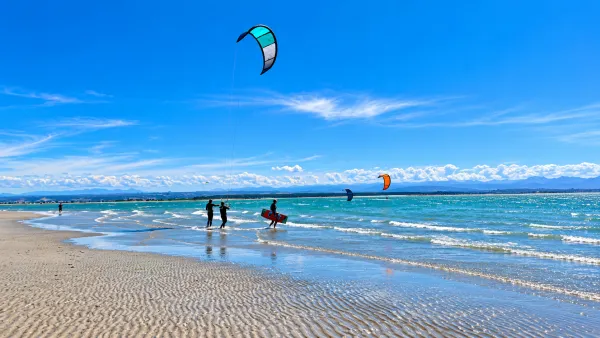
The Manawatū Estuary offers relatively flat, shallow water with a predominantly sandy and silty bottom, making it appealing for freeriding, practising transitions and improving board control. During suitable wind and tide conditions, sheltered sections can provide smooth water for controlled freestyle manoeuvres and relaxed cruising. However, the estuary is strongly influenced by tidal movements, which affect water depth, exposed sandbanks and the position of navigable channels. At lower tides, extensive shallow areas may become too shallow for safe riding, while stronger tidal flows can develop around the river mouth. The apparent simplicity of the flat water should therefore not be mistaken for an absence of hazards, particularly for beginners unfamiliar with estuary conditions.
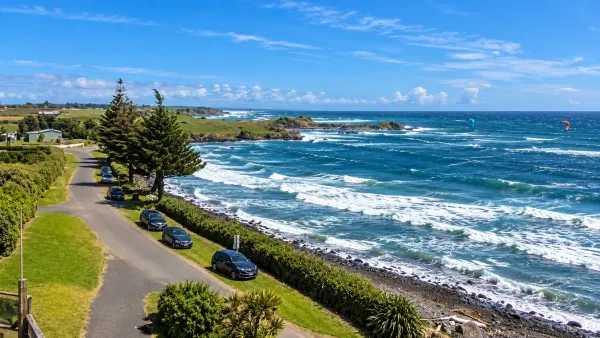
The ocean side of Foxton Beach provides a completely different kitesurfing experience, with a long, exposed sandy coastline facing the Tasman Sea. Regular swell produces breaking waves and shorebreak, offering opportunities for directional wave riding, jumping and more energetic freeriding. Wave size and water conditions depend on the prevailing swell, wind strength and tide, with stronger winds often generating additional chop between breaking sections. The wide sandy beach provides considerable room for preparing equipment and launching when conditions are suitable, although riders must remain aware of powerful surf, rip currents and changing beach conditions. Intermediate and advanced kitesurfers will generally find the ocean side more appropriate than inexperienced beginners.
Launching and landing areas vary between the estuary and the open beach. The extensive stretches of firm, dark sand along the ocean frontage can provide generous rigging space, particularly at lower tides, while estuary access depends more heavily on water levels, channels and exposed sandbanks. Riders should inspect the chosen launch before setting up, checking for driftwood, soft mud, uneven ground and other obstacles. The Manawatū Estuary is also an important habitat for protected birdlife, so sensitive areas and any applicable access restrictions must be respected. Parking and road access are available around Foxton Beach, although the most convenient entry point depends on whether the intended session is in the estuary or on the ocean coastline.
Foxton Beach accommodates several kitesurfing disciplines, with freeriding and flat-water progression particularly attractive in the estuary and wave riding more suitable along the exposed coast. Beginners may benefit from professionally supervised instruction in appropriate shallow-water conditions, but tidal currents, changing depths and the river mouth require careful assessment. Intermediate riders can enjoy both environments when conditions are manageable, while advanced kiters may prefer stronger winds and ocean swell. A freeride twin-tip board is suitable for most estuary sessions, while a directional surfboard is preferable for dedicated wave riding. Hydrofoiling may be possible in sufficiently deep areas but requires caution around shallow sandbanks. A 3/2 mm or 4/3 mm wetsuit is generally suitable during warmer months, increasing to 5/4 mm during colder periods.
The main hazards include tidal currents, shifting sandbanks, shallow channels and potentially soft sediment within the estuary, together with breaking waves, rip currents and shorebreak along the ocean beach. The river mouth deserves particular caution because outgoing tidal flow and river discharge can combine with ocean swell to create difficult conditions. Strong winds may also generate challenging chop and increase the distance required for safe launching and landing. Riders should avoid sensitive wildlife areas, maintain clearance from other beach users and choose their riding zone according to current conditions rather than relying on the general reputation of the spot as beginner-friendly. Checking the tide, wind forecast and local access guidance is essential before every session.
Foxton Beach stands out as one of the more versatile kitesurfing locations on New Zealand's lower North Island, offering both sheltered estuary water and exposed Tasman Sea waves within easy reach of one another. Its wide sandy coastline, seasonal winds and variety of riding conditions make it attractive for freeriding, progression and wave sessions. Although tidal planning and careful selection of launching areas are essential, Foxton Beach provides a rewarding combination of flat-water and ocean kitesurfing for riders prepared to adapt to changing conditions.
Something missing or out of date at this spot? Suggest a correction
Foxton Beach is best suited for
Spot profile
Travel spot
The typical kite travel destination, it is known for its great conditions, and kiters from around the world come here for their vacations.
Family spot
Located in an area that offers amenities for all the family and can provide good alternatives for everyone when the kiters are in the water.
Local spot
Maybe not be worth a real journey to reach this spot, but great if you live close by and it is a windy day. In the end, being out on the water feels great anywhere
Equipment
A typical quiver includes a mid-sized freeride twin-tip or directional board for most estuary and flat-water sessions, and a surfboard if planning to ride the beach break in small to medium waves. Kite size depends on wind strength; larger kites (12-14m) suit lighter breezes, while smaller (8-10m) are best for strong northwest or frontal wind days. In summer, a shorty wetsuit or even boardshorts is usually adequate, but from autumn onwards a 4/3mm full steamer wetsuit is needed, with booties recommended for winter and long sessions. Hydrofoil setups are effective in flatter estuary water, while simple strapless boards also work well beach-side.
Wind Conditions
Main wind directions at Foxton Beach
Windy days per month in Foxton Beach
Wind Speed Range
From 10 to 25 Knots
Suggested sizes
8 - 9 mt
10 - 11 mt
12 - 13 mt
14 mt and above
Forecast on Windy.com
Kitesurfing Safety & Local Rules at Foxton Beach
The main hazards at Foxton Beach, on New Zealand's North Island west coast, are shifting sandbanks, tidal channels and rapidly changing water depth within the estuary. Although the sandy bottom and shallow water can appear forgiving, newly formed shoals and silty sections may cause sudden grounding, hard falls or loss of board control. Rising and falling tides can also alter access routes, leaving riders stranded on sandbanks or struggling to return through shallow channels. Check tide tables carefully, inspect the riding area before launching and avoid high-speed manoeuvres over unfamiliar shallow sections.
The ocean-facing beach presents more demanding conditions, with exposed Tasman Sea swell, powerful shorebreak and potentially strong coastal currents. Increasing swell or onshore winds can quickly transform manageable waves into heavy, dumping surf, making water entry, kite relaunching and returning to shore difficult. Wind direction is also important in the estuary, where southwesterly to westerly conditions are generally preferred. Other directions may produce gusty airflow or unsafe cross-offshore winds. Monitor wind and swell forecasts, maintain sufficient clearance from tidal channels and avoid riding when conditions exceed your abilities.
Foxton Beach is shared with families, swimmers, other kitesurfers and occasional vehicles, particularly during summer holidays and organised events. Congested launching areas increase the risk of tangled lines and accidental collisions, while surf lifesaving activities may temporarily affect beach access. Choose a clear rigging area, maintain generous separation from other beach users and respect designated swimming or vehicle access zones. Local kitesurfing permissions, possible club requirements and seasonal restrictions should be confirmed with the relevant local authorities or kitesurfing association before launching.
Location
Closest City
Palmerston North
How to get There
Foxton Beach is reached by road from the lower North Island; one description places it about 1.5 hours north of Wellington and about 6 minutes off State Highway 1. Access is typically by driving into Foxton Beach village and continuing toward the estuary or foreshore areas depending on the session goal. Palmerston North is the nearest major city for supplies and onward driving.
Access
The spot is publicly reachable by road, with access through Foxton Beach village and down to the foreshore or estuary car-access areas. One access description mentions driving past the fish and chip shop toward the motor camp and then heading toward the estuary entrance. The beach foreshore is managed as a public recreation area, but riders should still check local rules and any seasonal or local restrictions before launching.
No-Wind Days: What to Do Around Foxton Beach
Located on New Zealand's wild west coast in the Horowhenua district, Foxton Beach offers a relaxed seaside atmosphere surrounded by extensive sandy beaches, coastal dunes and the ecologically important Manawatū Estuary. This small holiday settlement is particularly attractive for families, nature lovers and non-kiting partners seeking a peaceful coastal escape. Its combination of outdoor activities, wildlife watching and convenient access to nearby towns makes it an enjoyable destination for longer weekends or relaxed holidays. During no-wind days, visitors can explore the shoreline, discover the estuary's remarkable birdlife or venture inland to experience the wider Manawatū and Horowhenua regions.
Foxton Beach itself is the main attraction, with a broad stretch of dark golden sand extending along the Tasman Sea. The expansive shoreline is ideal for walking, jogging, photography and beach games, while the firm sand exposed at low tide can provide opportunities for cycling when conditions are suitable. The surrounding dunes and open coastal landscape create a beautiful natural setting, particularly during sunset when the light reflects across the ocean. Swimming and surfing are popular activities, although the exposed west coast can experience strong waves and rip currents. Visitors should swim between the flags when lifeguard patrols are operating and avoid entering the water during hazardous conditions.
One of the area's most important natural attractions is the Manawatū Estuary, an internationally recognised wetland protected under the Ramsar Convention. The estuary provides habitat for a remarkable variety of resident and migratory birds, including godwits, knots, oystercatchers and other shorebird species. Birdwatching is particularly rewarding around the estuary margins and designated observation areas, where visitors can enjoy peaceful views across the tidal flats. The changing seasons bring different bird populations, making the area interesting throughout the year. Visitors should respect protected habitats, keep dogs under control and avoid disturbing birds during feeding or nesting periods.
The Foxton Beach settlement offers a relaxed environment for families, with recreational reserves, picnic areas and open spaces close to the shoreline. Children can enjoy beach games, exploring the dunes from designated access paths or spending time around the village's quieter recreational areas. The estuary and nearby river environments also provide opportunities for nature photography and gentle walks. For visitors interested in water-based activities beyond kitesurfing, kayaking and paddleboarding may be possible in suitable sheltered areas, although tides, currents and boat traffic require careful consideration.
Foxton township, located a short drive inland, offers additional attractions and a glimpse into the region's local history. One of its most distinctive landmarks is De Molen, a working Dutch-style windmill that reflects the town's connections with Dutch heritage. Visitors can also explore local museums, small shops and cafés, or discover the area's flax-milling history, which played an important role in its development. The town provides supermarkets and additional services, making it a convenient stop for groceries and supplies during longer stays at the beach.
The wider Horowhenua region offers opportunities for scenic drives, countryside exploration and visits to neighbouring communities. The landscape combines farmland, rivers, coastal wetlands and small rural towns, creating an appealing setting for relaxed road trips. Nearby Himatangi Beach provides another extensive stretch of west coast shoreline, while Levin offers parks, cafés, shopping and access to walking tracks around the Tararua foothills. Visitors with more time can explore the region's nature reserves or head inland towards the Manawatū countryside for additional outdoor activities.
Palmerston North, approximately 35–45 minutes away by car, provides a broader selection of cultural attractions, restaurants and shopping facilities. The city is home to Te Manawa, a museum and science centre featuring exhibitions on regional history, art and natural heritage. Visitors can also enjoy the Victoria Esplanade gardens, riverside walking routes and the city's cafés and restaurants. Palmerston North is particularly useful for families seeking indoor activities during poor weather or travellers wanting a change from the quieter coastal environment.
Dining and accommodation around Foxton Beach are informal, with local cafés, takeaway shops and casual eateries serving simple meals and classic New Zealand fish and chips. Accommodation includes holiday parks, campgrounds, self-catering cottages, guesthouses and private holiday homes, making the area suitable for families and groups. Foxton township provides additional shopping and dining options, while Palmerston North offers larger hotels and more extensive services. Foxton Beach is approximately 10 minutes by car from Foxton, around 40 minutes from Palmerston North and roughly 90–110 minutes from Wellington, depending on traffic. A rental car is recommended for exploring the surrounding region, as public transport options are limited.
With its extensive sandy coastline, internationally important birdlife and relaxed holiday atmosphere, Foxton Beach offers plenty to enjoy beyond kitesurfing. Whether watching migratory birds at the Manawatū Estuary, exploring the historic attractions of Foxton, enjoying sunset walks along the Tasman Sea or discovering the wider Horowhenua countryside, visitors will find an appealing combination of nature and coastal relaxation. Its friendly atmosphere and practical amenities make Foxton Beach an excellent choice for a family kitesurfing holiday or a peaceful getaway with non-kiting partners.
Other kitesurfing spots near Foxton Beach
All kitesurfing spots in New Zealand
Last updated: