
Kitesurfing in Marahau
Nelson · New Zealand
- Spot type Flat
- Rider level beginner
- Water Crystal Clear
- Beach Sand
- Crowd Some bystanders
- Tide effect Conditions vary
Kitesurfing in Marahau: Conditions, Wind & Season
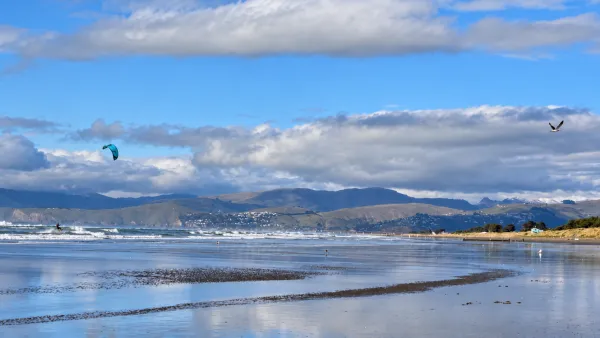
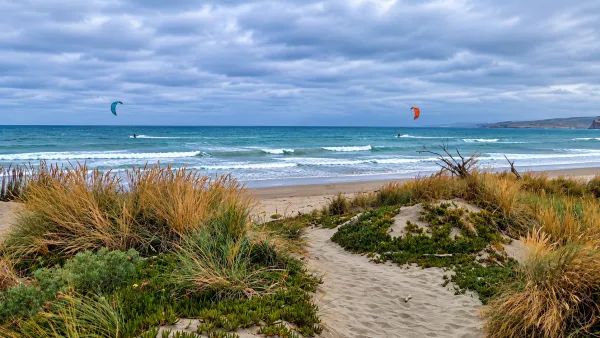
Marahau is one of New Zealand's most scenic coastal kitesurfing locations, situated at the southern entrance to Abel Tasman National Park in the Tasman Region, at the northern end of the South Island. Overlooking Tasman Bay, this beautiful stretch of golden sand offers shallow water, extensive tidal flats and a relatively sheltered environment compared with the country's more exposed ocean beaches. Its combination of open launching areas, moderate summer winds and picturesque surroundings makes Marahau particularly attractive for relaxed freeriding and cruising. Rather than delivering powerful waves or extreme wind conditions, the spot offers an enjoyable coastal riding experience shaped by afternoon sea breezes and changing tides.
The best kitesurfing season generally runs from November through March, with December, January and February offering the most favourable opportunities for summer sea breezes. Winds typically develop during the afternoon, predominantly from the north and northeast, often reaching approximately 15–17 knots when conditions align. These moderate onshore and side-onshore breezes are particularly suitable for comfortable freeriding, although their strength and consistency depend on daily temperature differences and local weather patterns. Outside the warmer months, suitable winds become less predictable, and the bay may experience extended periods of light conditions. Planning sessions around afternoon wind development is therefore particularly important.
Water conditions at Marahau are generally flat to lightly choppy, with shallow sections and tidal sandbanks creating attractive areas for controlled freeriding. The sheltered position within Tasman Bay limits exposure to large ocean swell, allowing riders to enjoy relatively smooth water during moderate winds. At certain tidal stages, shallow channels and protected sections between sandbanks can provide particularly flat conditions for practising transitions, improving edging technique and developing freestyle skills. Stronger winds may generate short-period chop, but significant breaking waves are uncommon. The spot is therefore better suited to freeriding and technical manoeuvres than dedicated wave riding.
Tides are one of the defining characteristics of Marahau and have a major influence on the available riding area. At low tide, extensive sandflats can become exposed, leaving shallow channels and requiring riders to walk considerable distances to reach sufficient water depth. Mid-tide conditions may provide a useful balance between accessible launching areas and rideable water, although the ideal timing depends on the daily tidal range. At higher tides, deeper water becomes available closer to shore, but the usable beach width may decrease. The predominantly sandy seabed is relatively forgiving, yet shallow sandbanks and changing channels require careful attention, particularly when jumping or riding at speed.
The broad sandy shoreline generally provides convenient space for preparing equipment and launching kites, especially when the tide is lower. Access is straightforward from the village, with parking areas and beach approaches close to the main waterfront. However, Marahau is also an important departure point for kayaking excursions and water taxis operating around Abel Tasman National Park. Recreational boats, kayaks and other water users may be concentrated near the boat ramp and designated access areas. Kitesurfers should select launching locations away from these activities, maintain generous clearance from vessels and check current local restrictions before entering the water.
Marahau can offer enjoyable conditions for progressing intermediate riders and experienced kitesurfers seeking relaxed flat-water sessions. Its moderate summer winds, sandy bottom and generally small waves may also appear attractive to beginners, but the extensive tidal flats, shallow channels and shared marine traffic require careful supervision and local knowledge. Beginners should only ride under appropriate professional instruction where permitted. More experienced riders can explore the smoother sections around the sandbanks, although sufficient water depth is essential for jumping and freestyle manoeuvres. A larger freeride kite or light-wind board may be useful during marginal sea-breeze conditions, while a suitable wetsuit is recommended because South Island water temperatures can remain cool even during summer.
For anyone exploring kitesurfing in Marahau, kiteboarding near Abel Tasman National Park or summer riding locations around Tasman Bay, this distinctive coastal spot offers an appealing combination of moderate winds, shallow water and beautiful natural surroundings. Its greatest attraction is the opportunity to enjoy relaxed freeriding in relatively sheltered conditions when the afternoon sea breeze develops. Although wind reliability is strongly seasonal and tidal changes require careful planning, Marahau remains an attractive option for riders who appreciate spacious sandy beaches, smooth-water opportunities and a quieter style of kitesurfing.
Something missing or out of date at this spot? Suggest a correction
Marahau is best suited for
Spot profile
Travel spot
The typical kite travel destination, it is known for its great conditions, and kiters from around the world come here for their vacations.
Family spot
Located in an area that offers amenities for all the family and can provide good alternatives for everyone when the kiters are in the water.
Equipment
A standard freeride kite in the 9-12m range matches the typical 15-17 knot seabreeze here, with board selection factoring in personal weight and skill. A twin-tip board is a natural choice for the flat, shallow, and predominantly sandy water. For the warmer peak summer days, a shorty wetsuit may be sufficient, but outside of that period most riders are more comfortable in a full steamer suit due to cooler water temperatures. Booties are rarely required thanks to the sandy bottom, but some may opt for them if they value extra protection or expect conditions to change.
Wind Conditions
Main wind directions at Marahau
Windy days per month in Marahau
Wind Speed Range
From 15 to 17 Knots
Suggested sizes
10 - 11 mt
12 - 13 mt
14 mt and above
Forecast on Windy.com
Kitesurfing Safety & Local Rules at Marahau
The main hazard at Marahau, near Abel Tasman National Park in New Zealand, is the presence of commercial water taxis, recreational boats and kayakers sharing the bay. The busy boat access area near the main ramp and jetty requires particular attention, with kitesurfers expected to remain clear of the established navigation lane in front of the ramp and south of the jetty. Water taxis and kayak groups may move unexpectedly, increasing the risk of collisions. Riders must maintain generous clearance from vessels, respect designated boat access routes and avoid launching or riding near congested sections of the waterfront.
Tidal changes can significantly reduce the available launching and landing space. Although Marahau offers a generally wide sandy beach, high tide brings the water closer to the rock wall, trees and boat access areas, leaving less room for safe kite handling. This increases the risk of tangled lines, collisions with obstacles and uncontrolled launches. Wind direction is another important consideration, with northerly and northeasterly winds generally providing the most suitable conditions. Other directions may produce inconsistent or unreliable airflow, making it difficult to maintain kite control or return safely to shore.
Marahau generally offers relatively sheltered water without significant surf or strong currents under normal conditions, but its shared recreational use demands constant awareness. Swimmers, beachgoers and organised kayak tours may occupy areas close to potential launching points, particularly during busy tourist periods. Choose a spacious launching area away from the jetty and boat ramp, check tide and wind conditions carefully and follow local signage and operator guidance. Less experienced riders should be particularly cautious about drifting toward navigation lanes or shoreline obstacles, and sessions should be avoided whenever marine traffic or limited beach space prevents safe separation.
Location
Closest City
Nelson
How to get There
Marahau is roughly a 1 to 1.2 hour drive west of Nelson, at the gateway to Abel Tasman National Park. The usual approach is by car from Nelson or the wider Tasman/Nelson region, and the spot is also close to the main visitor base for the park. Nelson Airport is the nearest airport for arriving by flight, and from there it is a drive to Marahau.
Access
The spot is publicly accessible, with parking available near the beach and boat ramp area. There are no permits required for kitesurfing and the main beach is open to all comers. Most riders approach the spot by road, parking close to the sand with a very short walk to the rigging and launch zones. Access to the water is straightforward, but users are required by the informal local rules to stay clear of the water taxi lane, the ramp area, and to be considerate of commercial operations. The sheltered, sandy nature of the spot makes it a practical and inclusive venue for individual or family visits, though those with large trailers or campervans may need to arrive early or be strategic about parking during holiday peaks.
No-Wind Days: What to Do Around Marahau
Located at the southern entrance to Abel Tasman National Park, Mārahau is one of New Zealand's most attractive destinations for combining kitesurfing with outdoor adventure and relaxation. This small coastal village, near Motueka in the Nelson Tasman region, is surrounded by golden beaches, turquoise water and lush native forest. Its peaceful atmosphere and easy access to hiking, kayaking and wildlife experiences make it particularly appealing for families, couples and non-kiting partners. Unlike larger coastal resorts, Mārahau retains a laid-back character where outdoor activities and natural scenery take priority over nightlife and urban entertainment.
Mārahau Beach is the heart of the village, offering beautiful views across Tasman Bay and the surrounding coastal landscape. The wide sandy shoreline provides opportunities for beach walks, photography, picnics and relaxing beside the water. Tides play an important role in the local environment, with extensive sandflats appearing at low water and changing the appearance of the coastline throughout the day. Families can enjoy exploring the beach and shallow coastal areas when conditions are suitable, although visitors should remain aware of tidal changes and local water safety advice. The surrounding cafés and small eateries provide convenient places to enjoy breakfast, coffee or a relaxed meal after a day outdoors.
The main attraction is undoubtedly Abel Tasman National Park, famous for its golden beaches, sheltered bays, granite headlands and clear coastal waters. The renowned Abel Tasman Coast Track begins near Mārahau and follows the coastline through native forest, scenic viewpoints and secluded beaches. Visitors can choose from short walks to multi-day hiking adventures, with sections accessible by water taxi. Popular destinations include Anchorage Bay, Te Pukatea Bay and Bark Bay, each offering spectacular scenery and opportunities for swimming, photography and relaxation. Some sections of the track require tidal crossings, so checking tide tables and route information is essential. Official information about walking tracks, visitor facilities and park access is available through the New Zealand Department of Conservation.
Sea kayaking is another highlight of a visit to Mārahau and one of the best ways to discover the Abel Tasman coastline. Local operators offer kayak rentals, guided excursions and combined kayaking and hiking trips, allowing visitors to explore sheltered coves, rocky headlands and beaches that are difficult to reach by road. Depending on the route and conditions, paddlers may encounter seabirds and New Zealand fur seals around coastal islands and rocky shores. Water taxis provide additional flexibility, transporting visitors to different sections of the national park and making it possible to enjoy scenic excursions without committing to a full-day hike. Advance booking is recommended during the busy summer season.
Nature enthusiasts will find numerous opportunities for wildlife observation and photography throughout the region. Abel Tasman National Park protects native forest, coastal ecosystems and important habitats for birds and marine wildlife. Visitors can explore forest trails, observe native birdlife or enjoy the changing colours of the coastline throughout the day. The sheltered bays are particularly beautiful during calm weather, when the clear water contrasts with the golden sand and surrounding greenery. Guided eco-tours offer opportunities to learn about the region's ecology, conservation efforts and natural history, making them especially interesting for families and visitors travelling with children.
For excursions beyond Mārahau, the nearby village of Kaiteriteri is famous for its golden beach, clear water and scenic coastal setting. It offers additional opportunities for swimming, kayaking, mountain biking and relaxing beside the sea. Farther inland, the town of Motueka provides supermarkets, restaurants, shops and everyday services, making it a convenient destination for groceries and supplies. Visitors can also explore the surrounding countryside, known for its orchards, vineyards and local food producers. The wider Nelson Tasman region offers excellent opportunities for cycling, wine tasting and discovering small rural communities.
Food and dining options in Mārahau are relatively limited but reflect the village's relaxed holiday atmosphere. Small cafés and casual restaurants provide convenient meals, coffee and refreshments, particularly during the main tourist season. For a wider selection of restaurants, supermarkets and shopping facilities, visitors can travel to Motueka or continue toward Nelson. Accommodation ranges from campgrounds and holiday parks to self-catering cabins, private holiday houses, guesthouses and eco-style lodges. Staying close to the beach or national park entrance allows visitors to enjoy walking trails, kayaking departures and coastal scenery without needing to drive frequently.
Mārahau is accessible by road from Nelson, with the journey generally taking around one hour to one hour and fifteen minutes, depending on traffic and conditions. Nelson Airport provides domestic connections to major New Zealand cities, while Motueka is approximately 20–25 minutes away by car. A rental car is the most convenient option for reaching Mārahau and exploring the surrounding region, although seasonal shuttle services and organised transfers may be available from Nelson and Motueka. Within the village, many accommodation properties, cafés, kayak operators and the entrance to Abel Tasman National Park are within walking distance. Visitors should plan ahead for groceries and specialist supplies, as shopping facilities in Mārahau are limited.
With its spectacular coastline, golden beaches and direct access to Abel Tasman National Park, Mārahau offers an exceptional range of activities beyond kitesurfing. Whether kayaking through sheltered bays, hiking the famous Coast Track, discovering native wildlife or simply relaxing beside the water, visitors will find an appealing combination of outdoor adventure and peaceful coastal living. Its welcoming atmosphere, family-friendly activities and natural beauty make Mārahau an excellent destination for a New Zealand kitesurfing trip with non-kiting partners or friends who want to explore one of the country's most scenic coastal regions.
Other kitesurfing spots near Marahau
All kitesurfing spots in New Zealand
Last updated: